







Lights. Stories.
The World.
Inside the 79th Cannes Film Festival
From bold new voices to cinematic legends, Cannes 2026 celebrates the power of film to inspire, challenge and connect us all.
CANNES 2026
Where Cinema Returned to Seduction

LIVING ARTS DESK
Cannes, May 2025
The New Era of Red Carpet Glamour
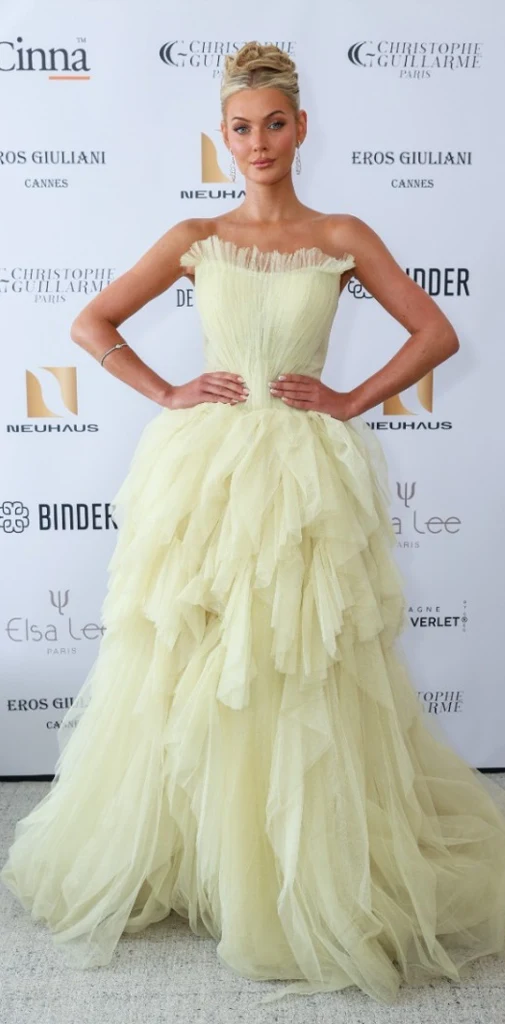
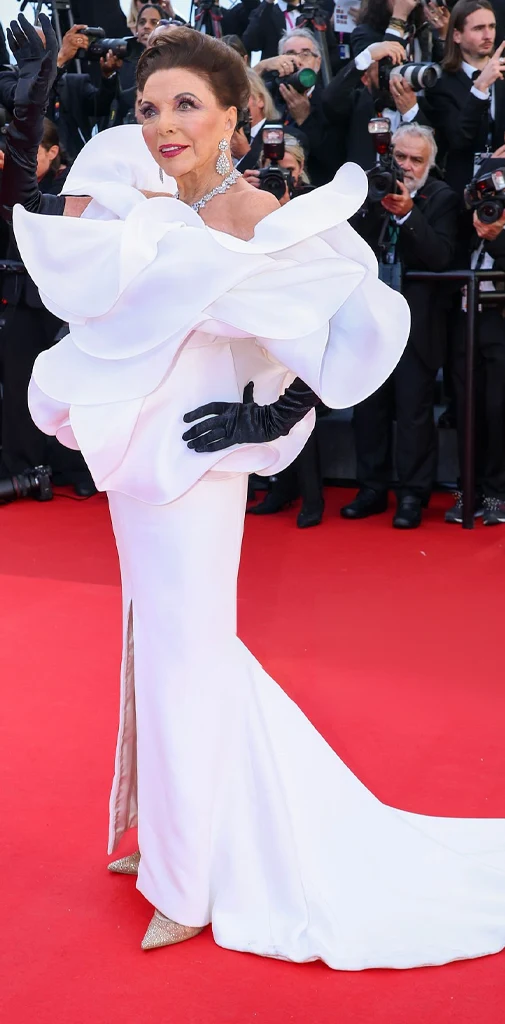
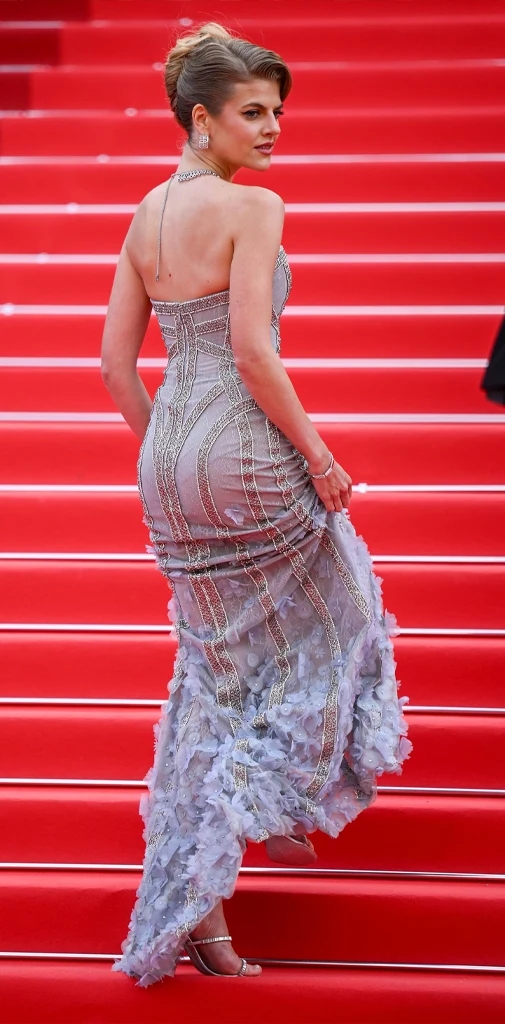
This year, stylists abandoned excess in favour of precision. Architectural silhouettes replaced oversized trains. Liquid silks, sculpted tailoring, and monochromatic couture dominated the red carpet.
Black emerged as the unofficial colour of Cannes 2026 — not severe, but sensual. Beauty followed suit with luminous skin, softly smoked eyes, glossy nude lips, and effortless Riviera hair.
The atmosphere across the Croisette felt noticeably more refined than previous years. Instead of competing for spectacle, celebrities embraced restraint, allowing craftsmanship and proportion to speak louder than embellishment.
Designers focused on movement, texture, and silhouette rather than theatrical volume. Bias-cut satin gowns skimmed the body with cinematic fluidity, while sharply tailored tuxedos reintroduced old Hollywood elegance beneath the Riviera lights.
Fashion houses including Saint Laurent, Giorgio Armani Privé, Chanel, and Alberta Ferretti presented collections rooted in timeless sophistication rather than social media theatrics. Couture this season felt deeply editorial — intimate, intelligent, and emotionally composed.
Jewellery followed the same philosophy. Diamonds were worn with restraint, often layered delicately against bare skin or paired with monochromatic gowns to create quiet contrast instead of overt extravagance.
Stylists described the dominant aesthetic backstage as “Mediterranean minimalism” — a softer interpretation of luxury inspired by warm evening light, sea air, polished skin, and understated glamour.
Hair moved away from rigid perfection towards softness and ease. Sleek buns, relaxed chignons, and undone Riviera waves replaced heavily structured styling, creating silhouettes that appeared elegant yet entirely effortless.
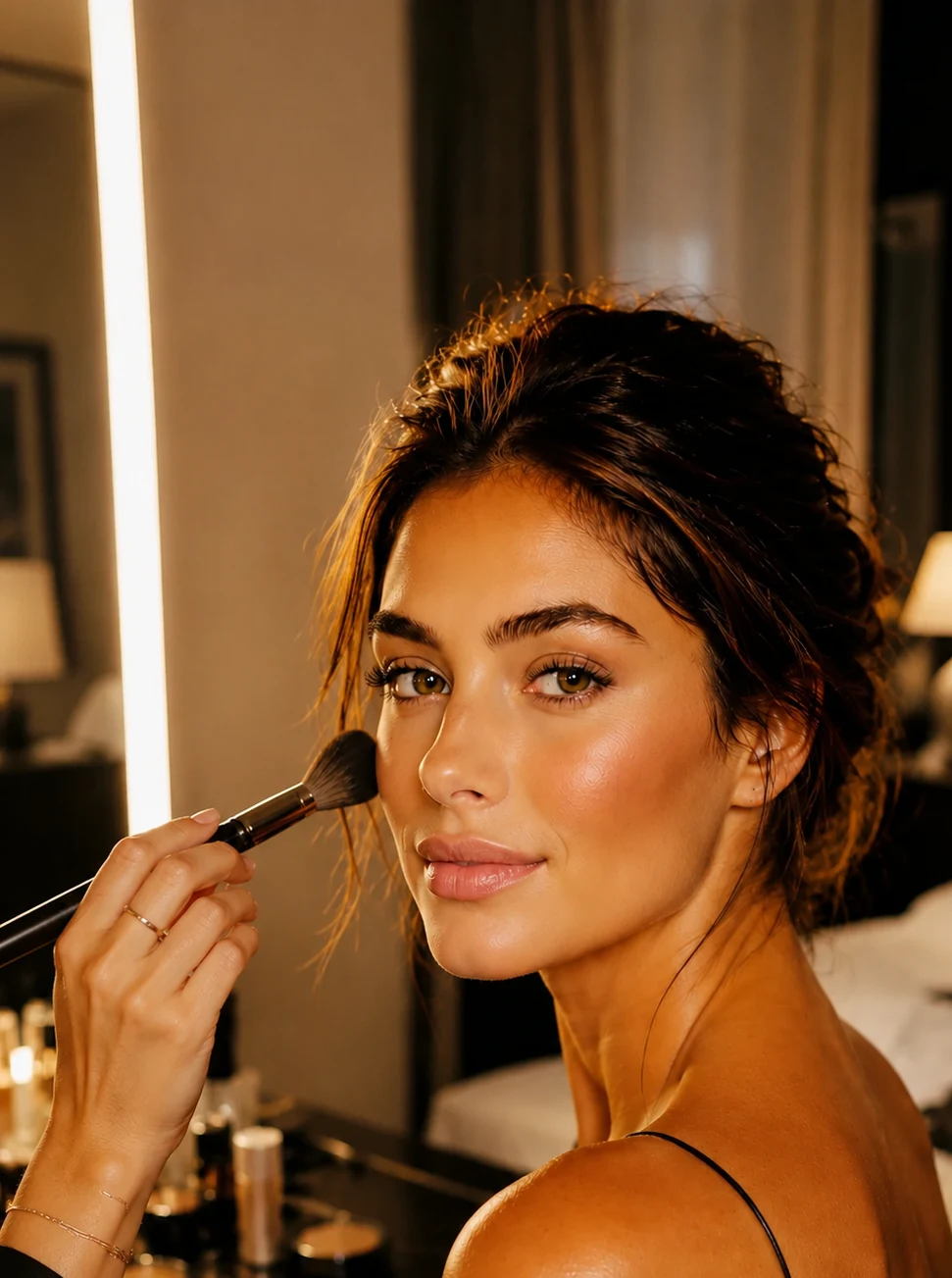
Make-up artists focused on luminosity rather than transformation. Skin appeared sun-warmed and alive, with feathered brows, diffused contouring, and muted neutral tones replacing heavily sculpted Instagram aesthetics.
Beyond individual looks, Cannes 2026 represented a wider cultural shift within luxury fashion itself. The industry appeared increasingly drawn towards atmosphere, emotion, and authenticity rather than visibility alone.
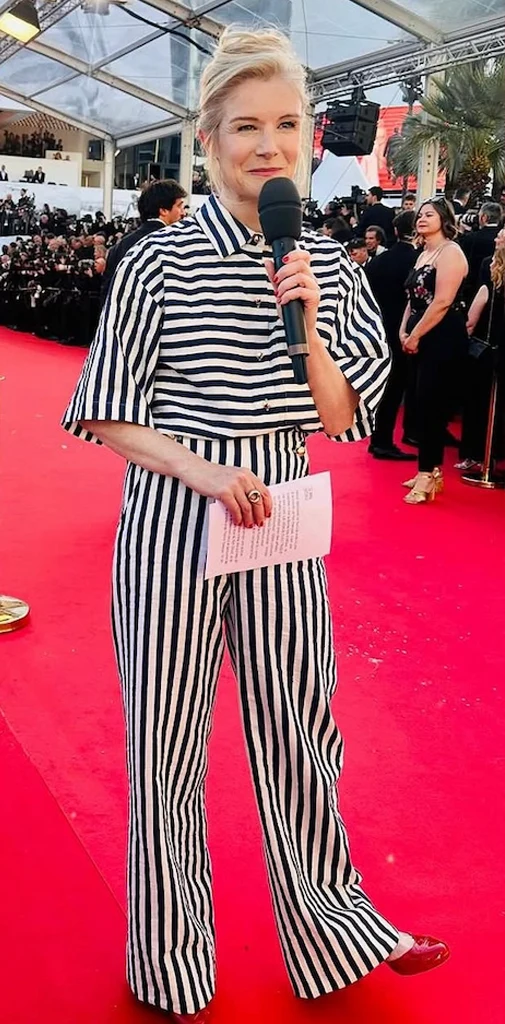
On the red carpet, glamour returned not as spectacle — but as confidence, intimacy, and cinematic seduction.
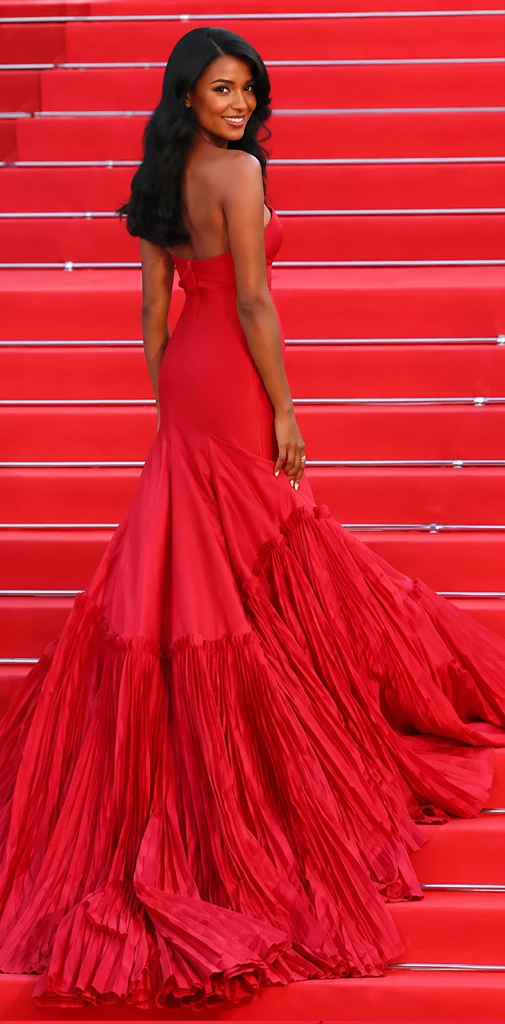
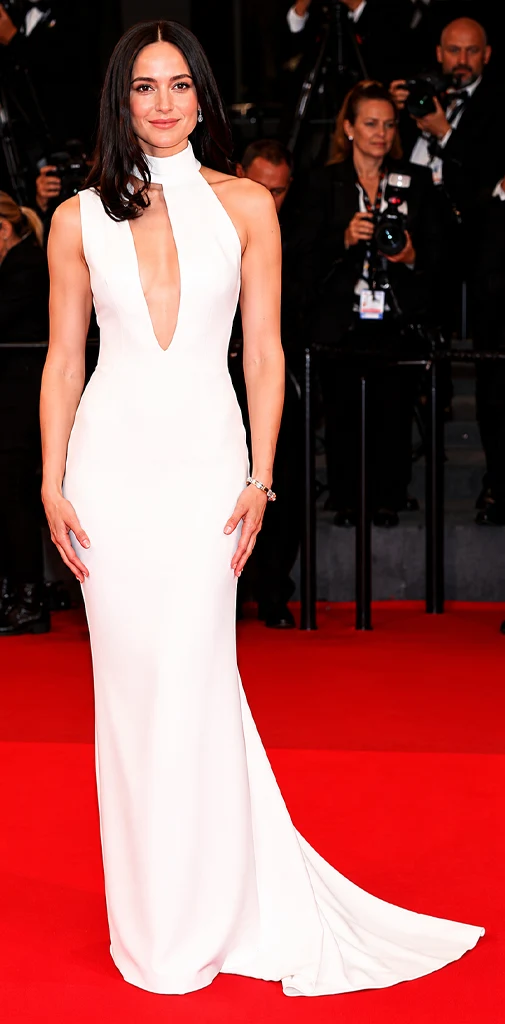
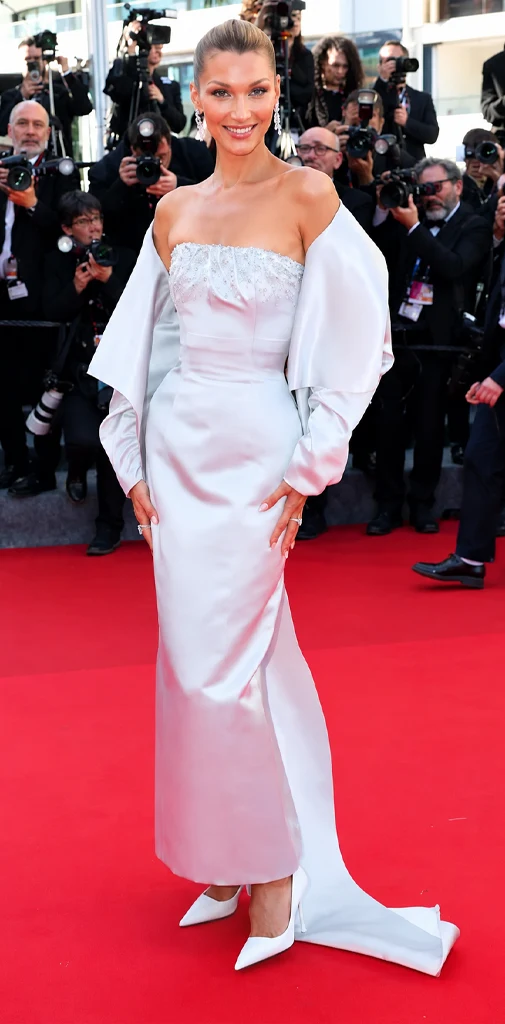
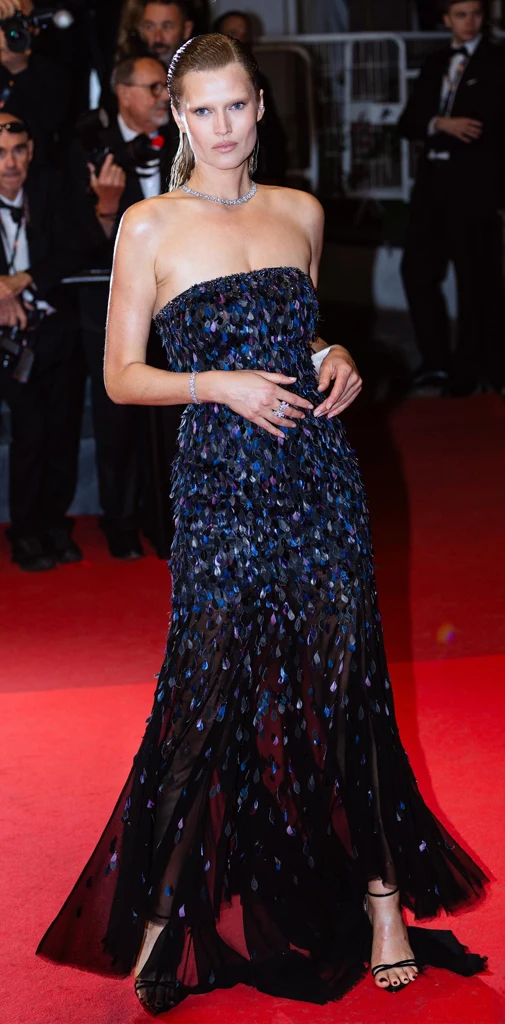
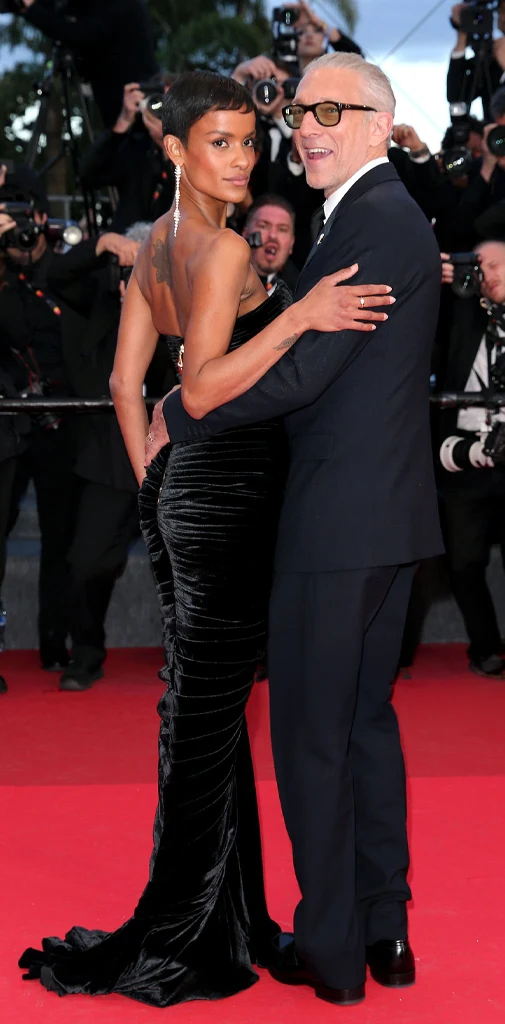
Fashion becomes unforgettable only when it carries feeling beneath the surface.”
Cinema Became Intimate Again
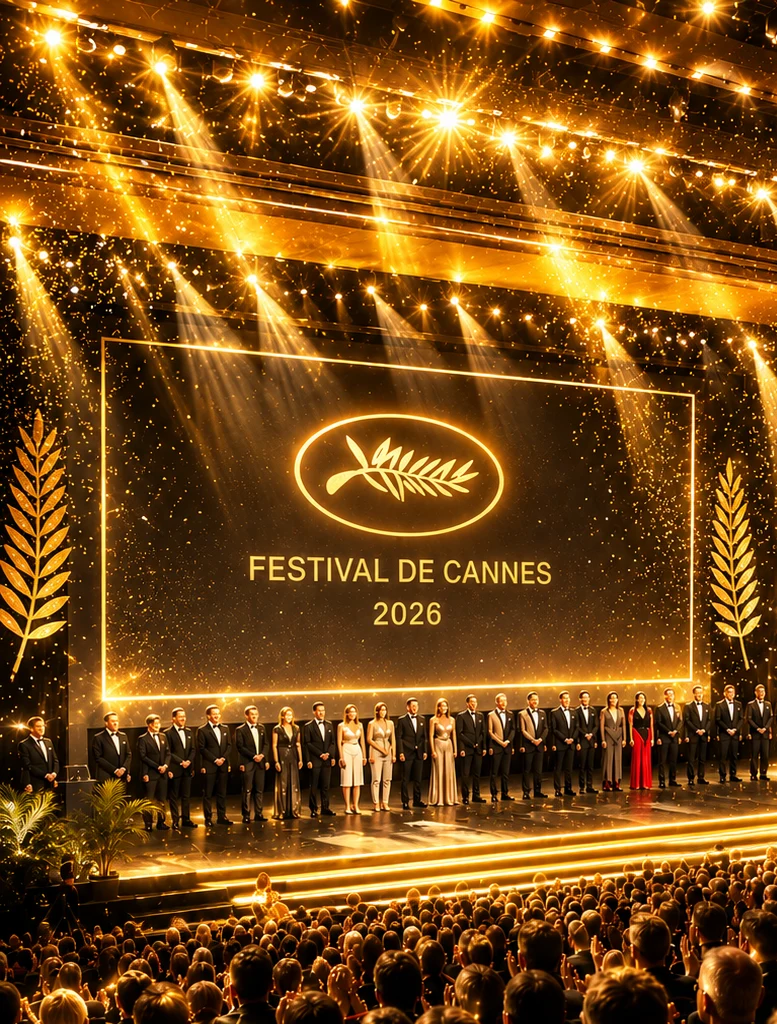
Inside the Palais des Festivals, audiences responded most intensely to films that felt personal rather than performative.
Directors traded visual chaos for emotional tension. Romance returned — not as fantasy, but as vulnerability.
Several films explored themes of identity, isolation, reinvention, and modern fame.
The Riviera Became the Real Star
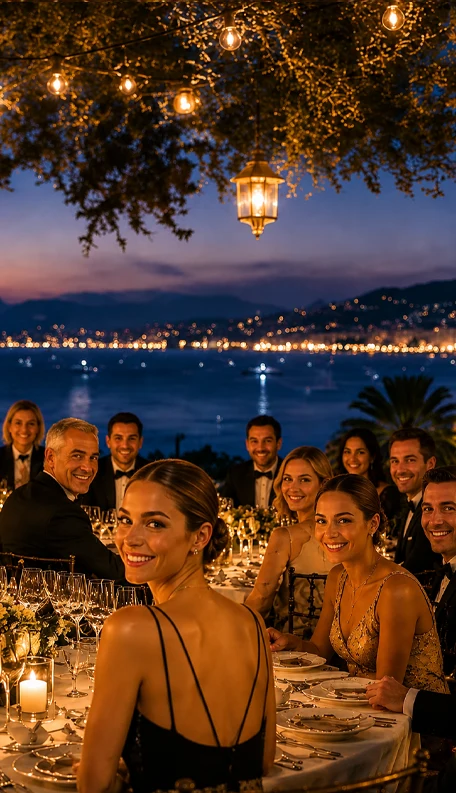
Beyond the premieres, Cannes itself reclaimed attention. Private dinners stretched past midnight beneath candlelit olive trees. Editors hosted intimate rooftop salons instead of oversized influencer parties. Jazz drifted through hidden courtyards near the harbour while candlelight flickered across marble terraces overlooking the sea. Luxury this year wasn’t loud. It was whispered — through atmosphere, intimacy, and evenings that felt suspended somewhere between cinema and memory.
Candlelit Riviera Dinners
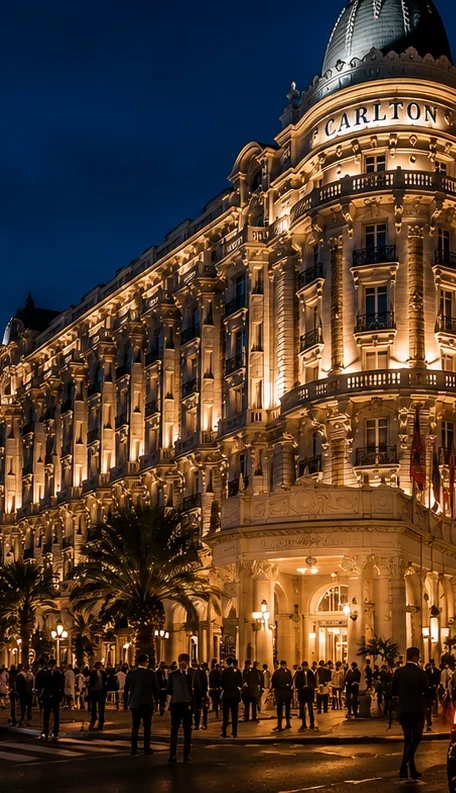
The Carlton After Dark
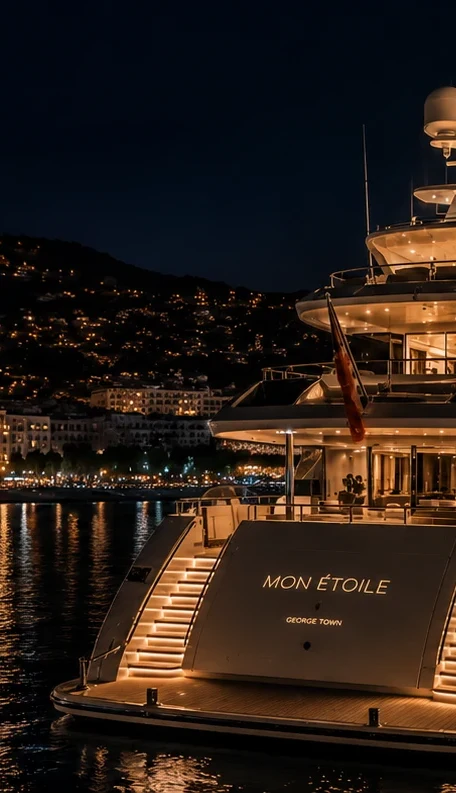
Yacht Nights on the Mediterranean
The Rise of
Editorial Beauty
Beauty at Cannes 2026 moved decisively away from Instagram glam.
Makeup artists focused on skin that looked alive — sun-warmed bronzing, feathered brows, softly reflective highlights, and barely-there lips replaced heavy contouring and exaggerated trends.
The defining aesthetic backstage became known as Mediterranean Minimalism — effortless, luminous, intimate, and deeply cinematic beneath the Riviera lights.
Hair followed the same philosophy. Sleek chignons, relaxed texture, and natural movement created a sense of understated confidence that felt timeless rather than performative.
Why Cannes 2026 Mattered
This year’s festival reminded the industry that luxury is not about spectacle alone.
It is about atmosphere, intimacy, and emotional connection — the quiet moments between premieres, conversations beneath Riviera skies, and cinema that lingers long after the credits disappear.
Cannes 2026 moved beyond performative glamour and rediscovered something more enduring: elegance rooted in feeling rather than visibility.
Under moonlit terraces, beside candlelit dinners and midnight screenings, the festival became less about content and more about cultural memory.
Surrounded by cinema, couture, Mediterranean light, and impossible beauty, Cannes returned to what it was always meant to be:
Share This Editorial


