








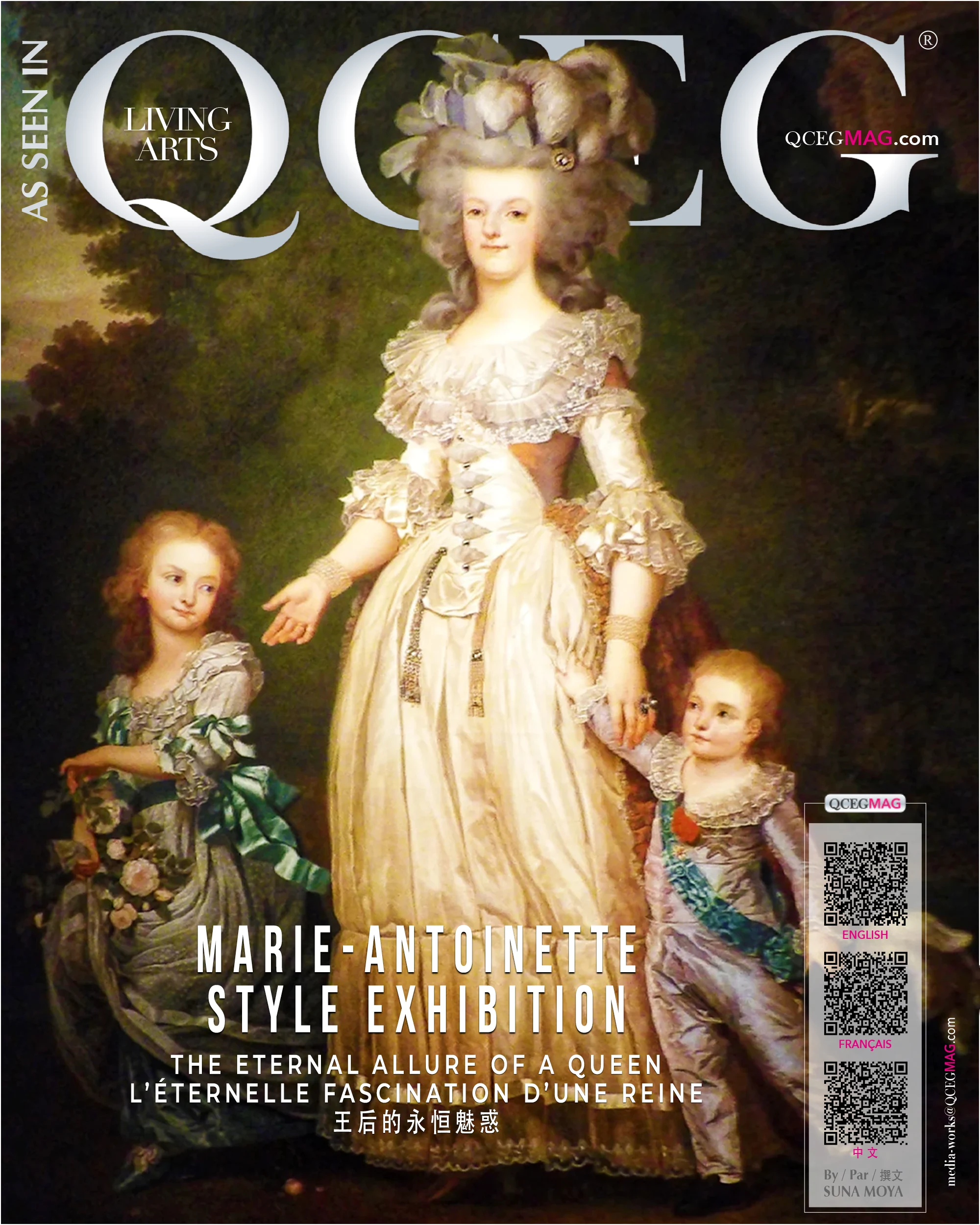

MARIE ANTOINETTE STYLE THE ETERNAL ALLURE OF A QUEEN
She lingers like a perfume in the air — elusive, immaculate, impossibly present. More than two centuries after her death, Marie Antoinette continues to haunt the cultural imagination with a power few historical figures have ever possessed. At once idolised and condemned, frivolous legend and tragic heroine, she remains fashion’s most enduring sovereign.
Now, for the first time in Britain, Marie Antoinette Style at the Victoria and Albert Museum offers a compelling re-reading of the queen whose image has never ceased to evolve. Sponsored by Manolo Blahnik and on view until 22 March 2026, the exhibition reveals not merely a woman, but a phenomenon — a figure who instinctively understood that style could be both armour and language, sanctuary and sentence.
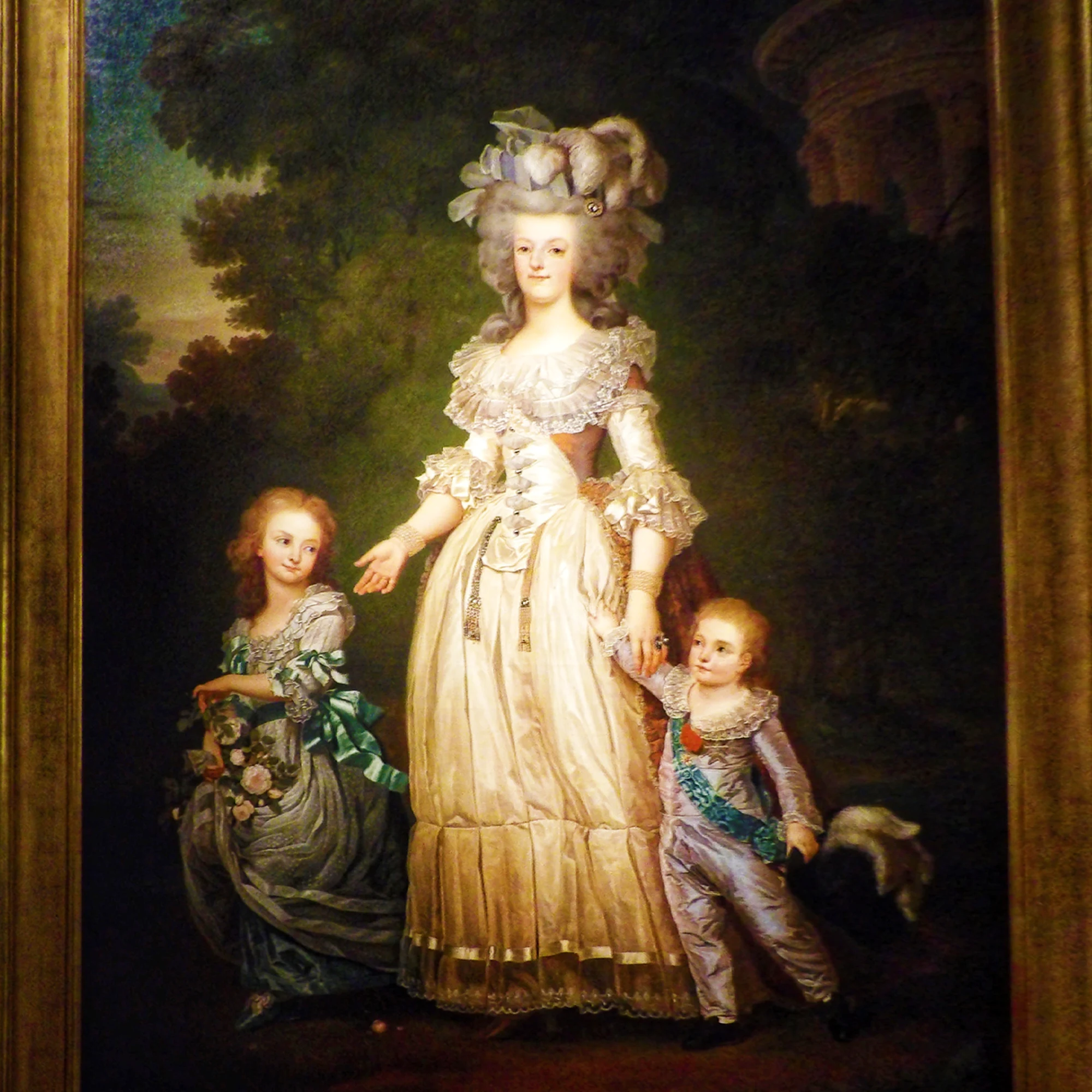
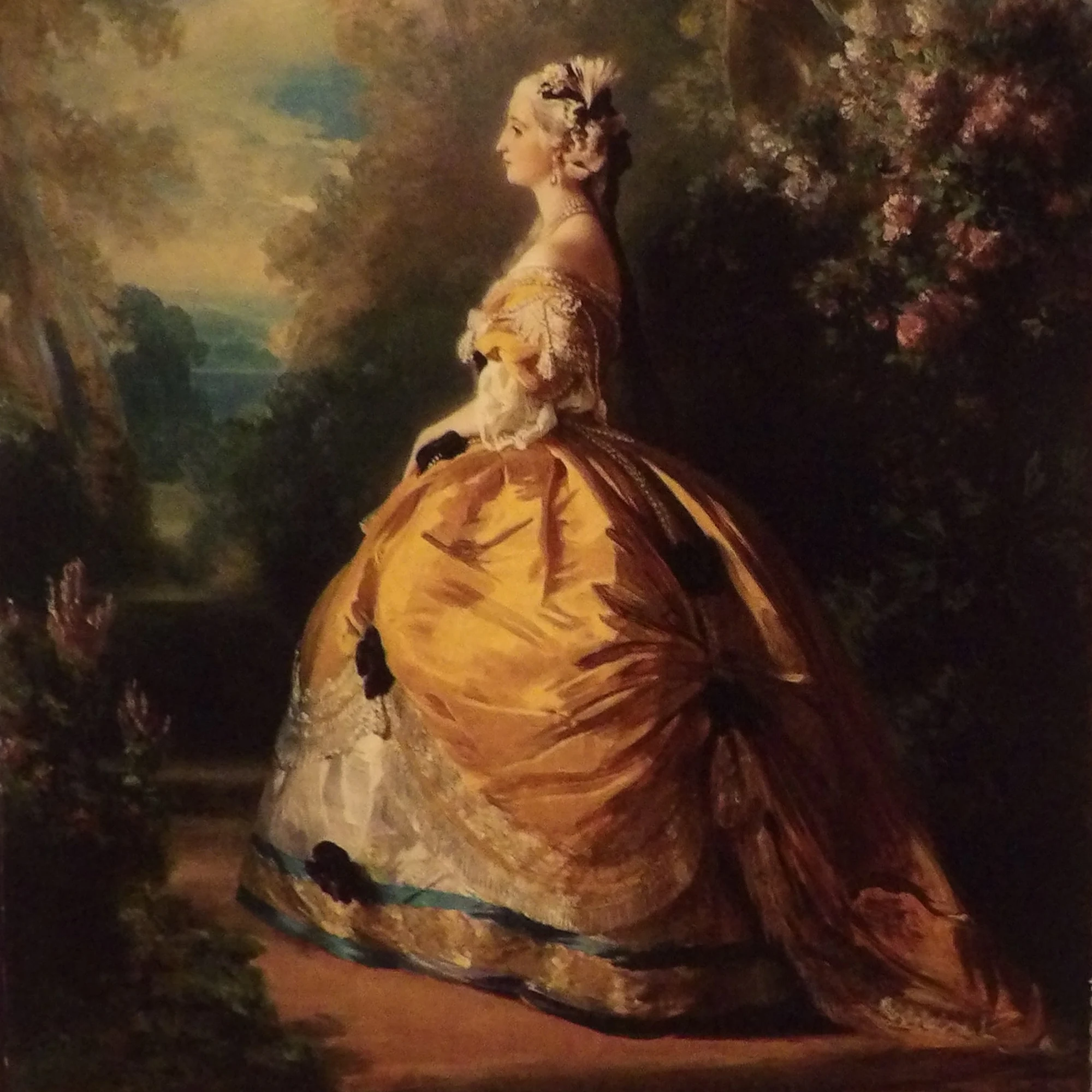
From the moment she arrived at Versailles, young, foreign and already scrutinised, Marie Antoinette became the most watched woman in Europe. Her appearance was dissected, her choices imitated, her extravagances exaggerated. Yet behind the caricature lay an extraordinary creative force. Through clothing, she shaped a visual identity that transcended etiquette and redefined femininity. Long before the concept of the “fashion icon” existed, she embodied it.
Curated by Dr Sarah Grant, Senior Curator in the V&A’s Department of Prints and a specialist in eighteenth-century French fashion and textiles, the exhibition traces this evolution with remarkable sensitivity. It invites visitors to experience not simply the garments themselves, but the emotional landscape they inhabited — a court of suffocating protocol, where elegance became a subtle form of resistance.
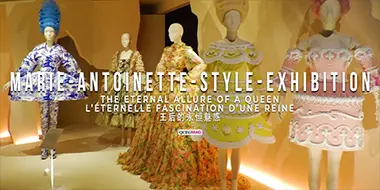
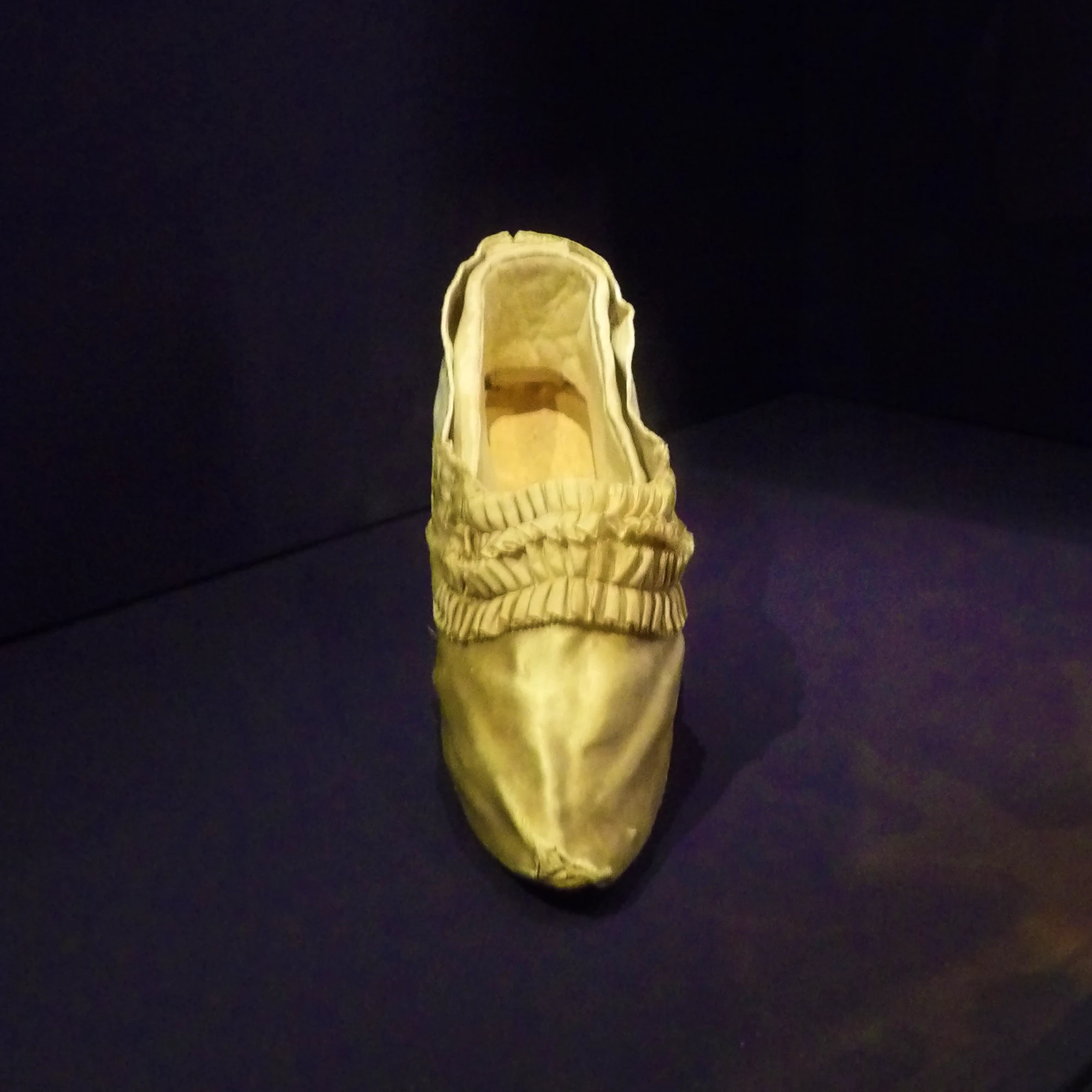
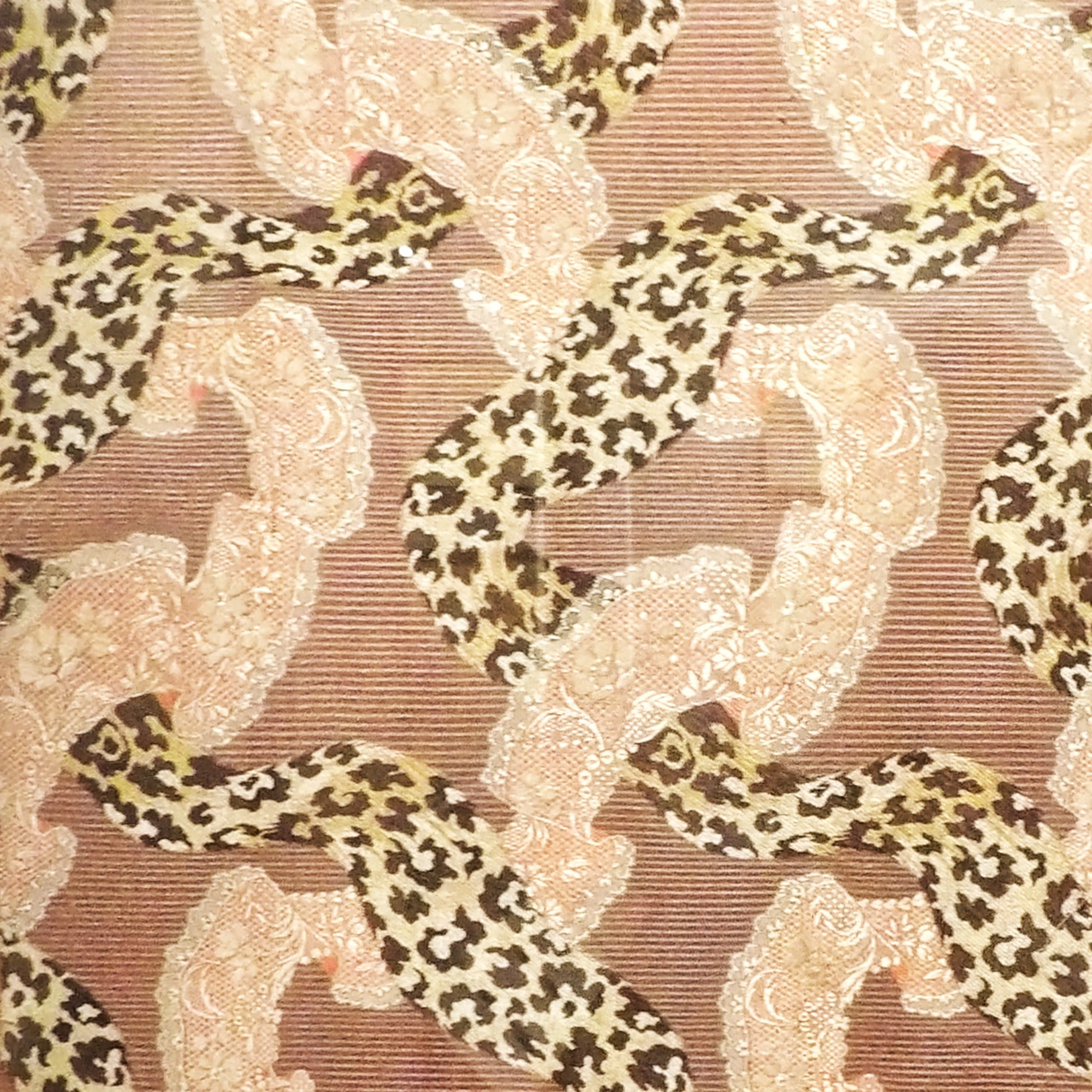
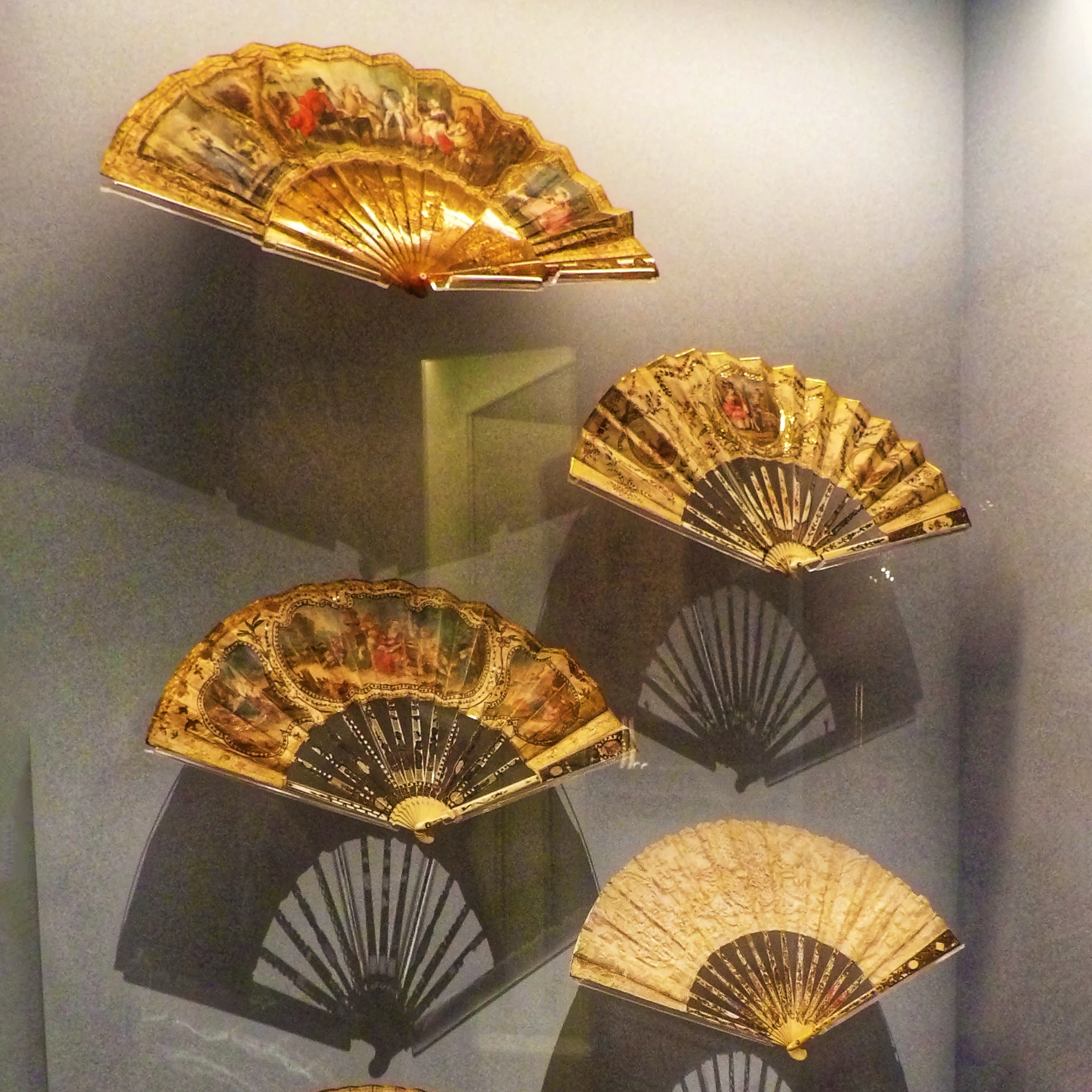
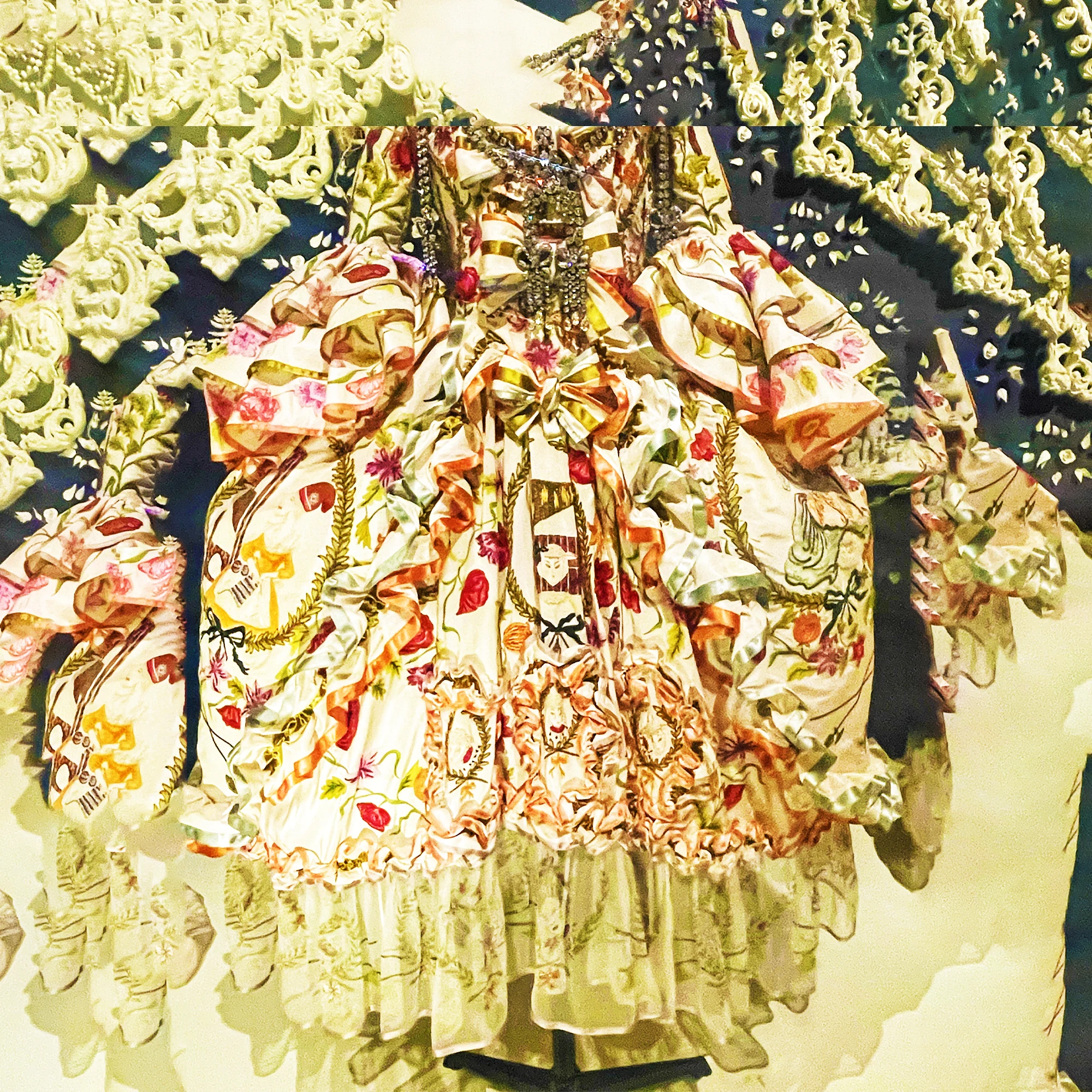
Silhouettes inspired by dresses worn at Versailles and the Petit Trianon reveal a gradual liberation of form. Layers soften, structures loosen, fabrics breathe. Pastoral muslins and delicate prints replace rigid ceremonial grandeur. At her private retreat, Marie Antoinette cultivated an aesthetic of refined simplicity that would resonate across centuries, influencing designers from the Belle Époque to contemporary haute couture. Her taste feels strikingly modern — almost prophetic. Leopard motifs, daring textures, the rhythm of constant renewal: even her weekly delivery of four pairs of shoes suggests an early understanding of fashion as performance.
Yet splendour carries a price. Jewellery, dazzling and treacherous, emerges as both ornament and political weapon. The exhibition revisits the notorious Affair of the Diamond Necklace, whose scandalous intrigue permanently tarnished the queen’s reputation. Monumental parures glitter with unsettling intensity — objects of desire transformed into symbols of accusation.
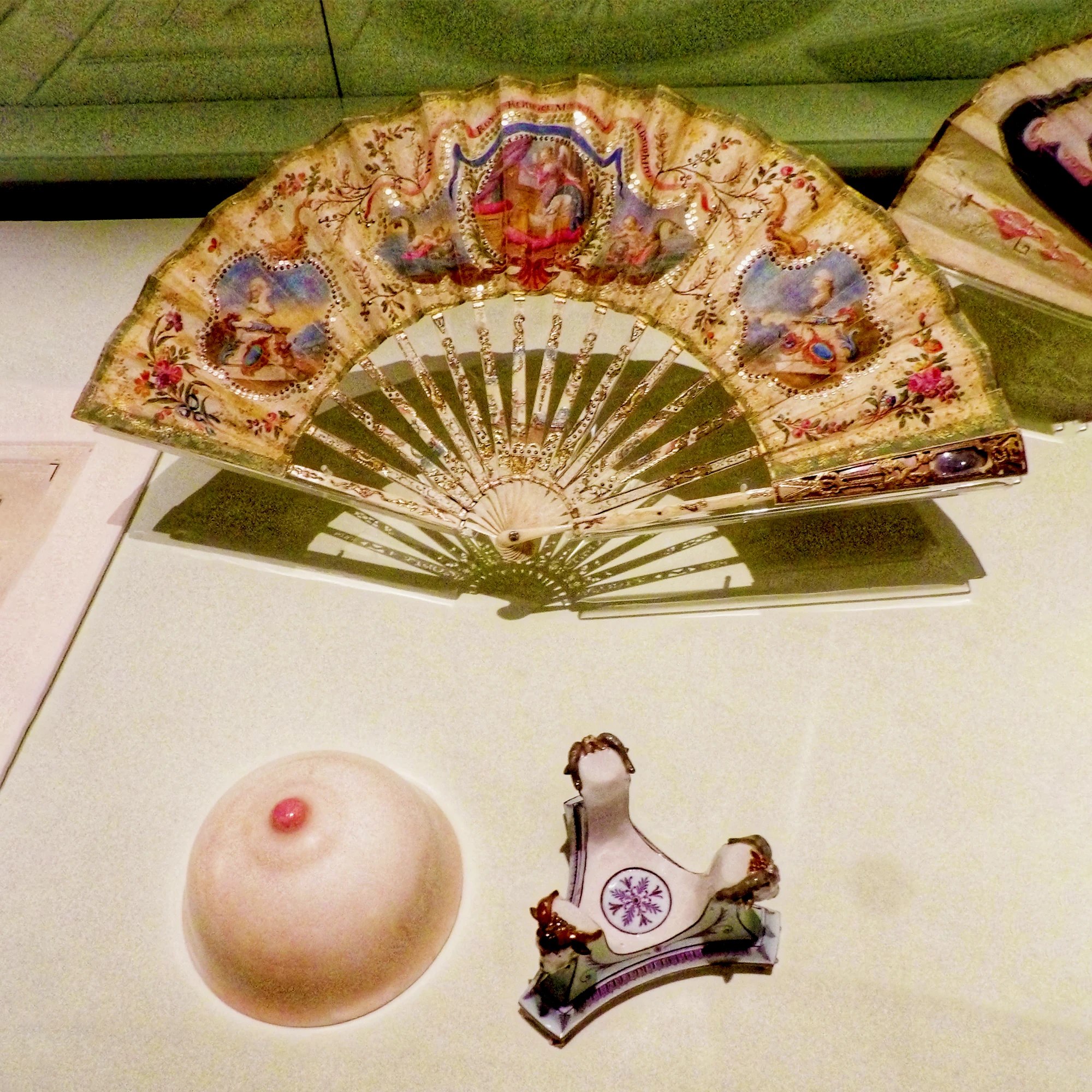
As visitors move through the galleries, the narrative becomes increasingly sensory, almost intimate. Fragranced marble busts infused with lilac and English rose evoke a presence both tangible and spectral. Personal objects — monogrammed tableware, a travelling toiletry set — suggest fleeting gestures of daily life. Style shifts from spectacle to memory, from image to trace.
Then comes the fall. Letters, medallions containing locks of hair, relics of motherhood and friendship confront us with the human cost of myth. A simple linen dress, believed to have been worn during her imprisonment at the Conciergerie, stands in stark contrast to the splendour that precedes it. Nearby, the blade of the guillotine gleams in a room washed in deep red — a theatrical yet devastating reminder that fashion, once her language, ultimately fell silent.
A suspended quotation captures the moment’s gravity: “Everything that puts an end to her suffering can only be salutary.” — Maria Carolina of Naples
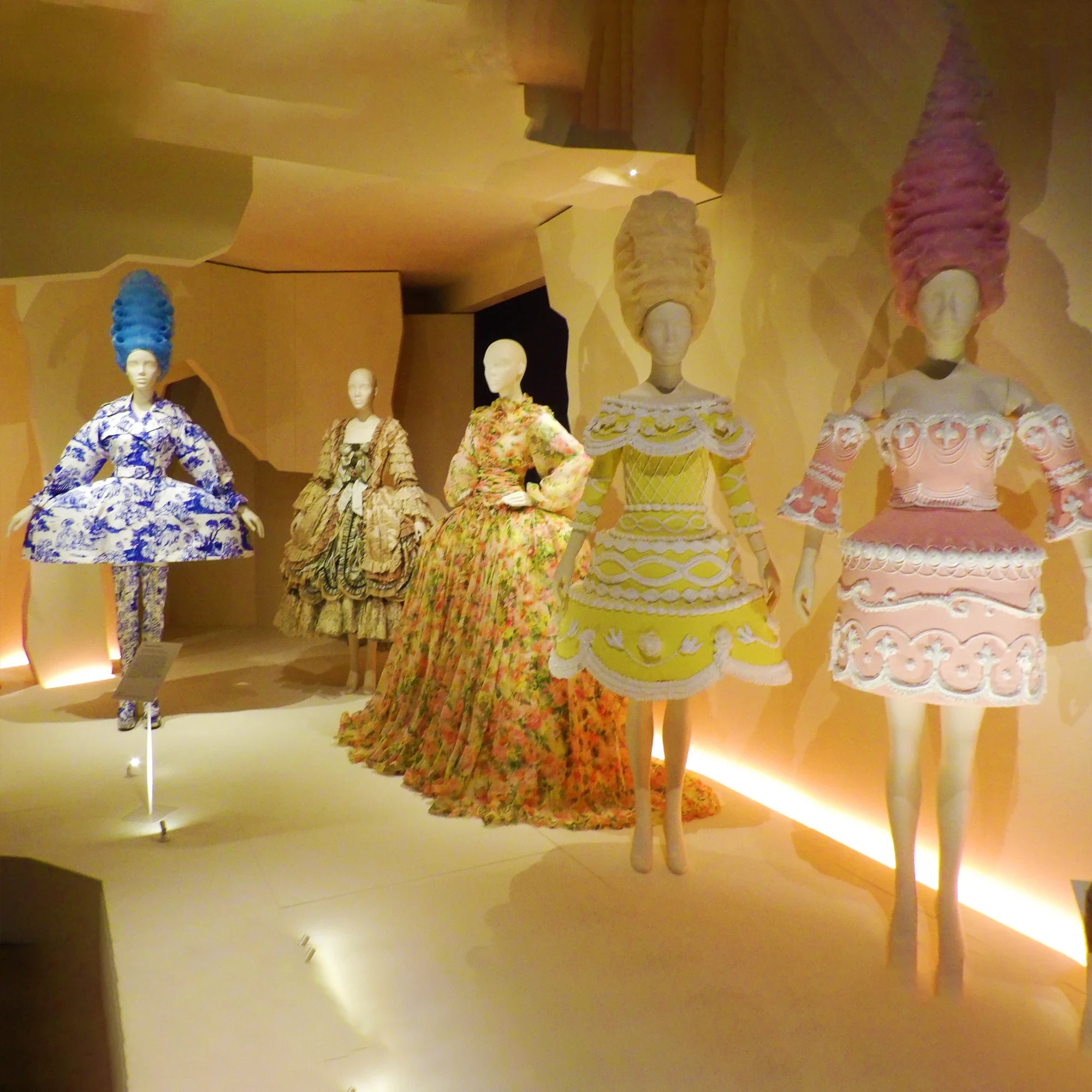
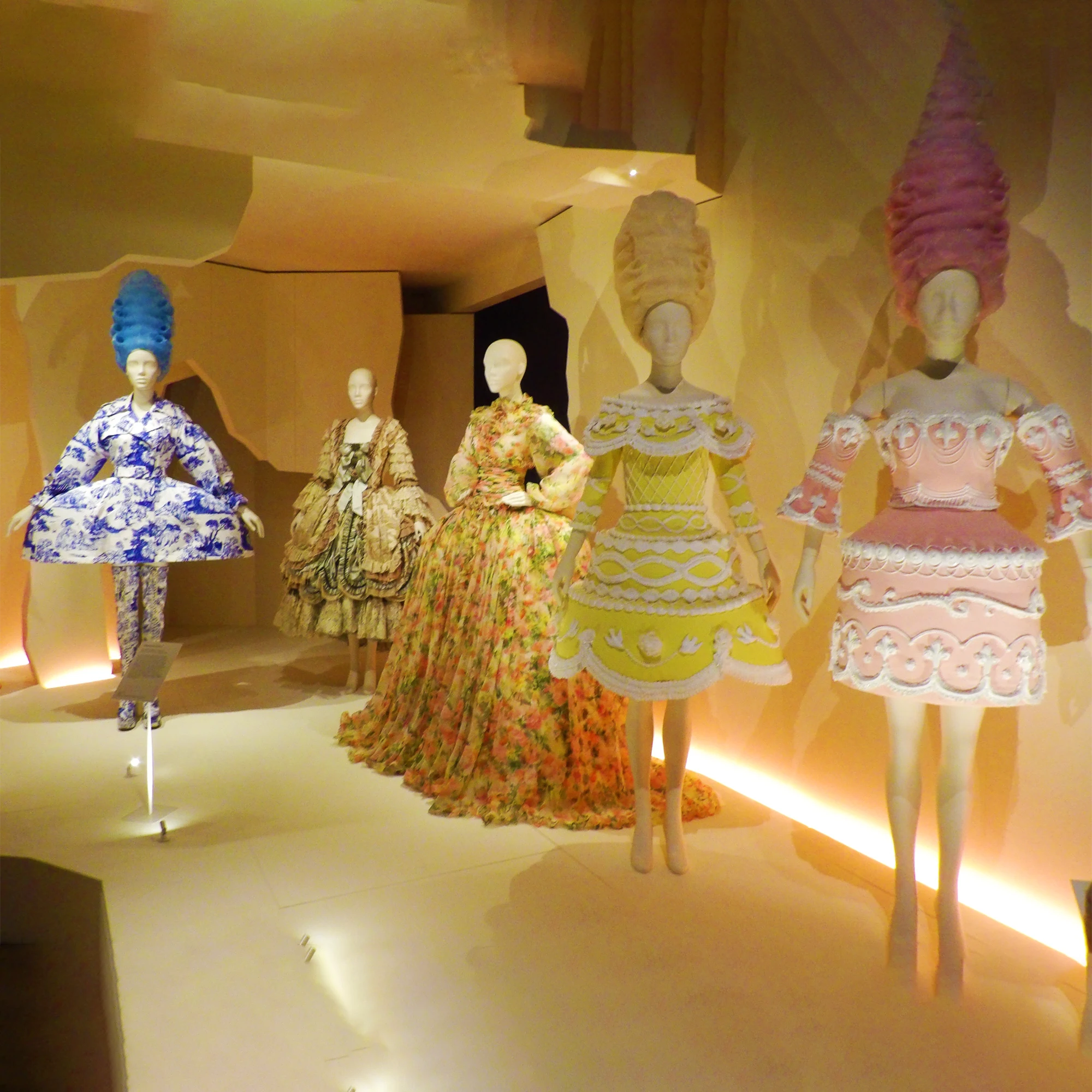
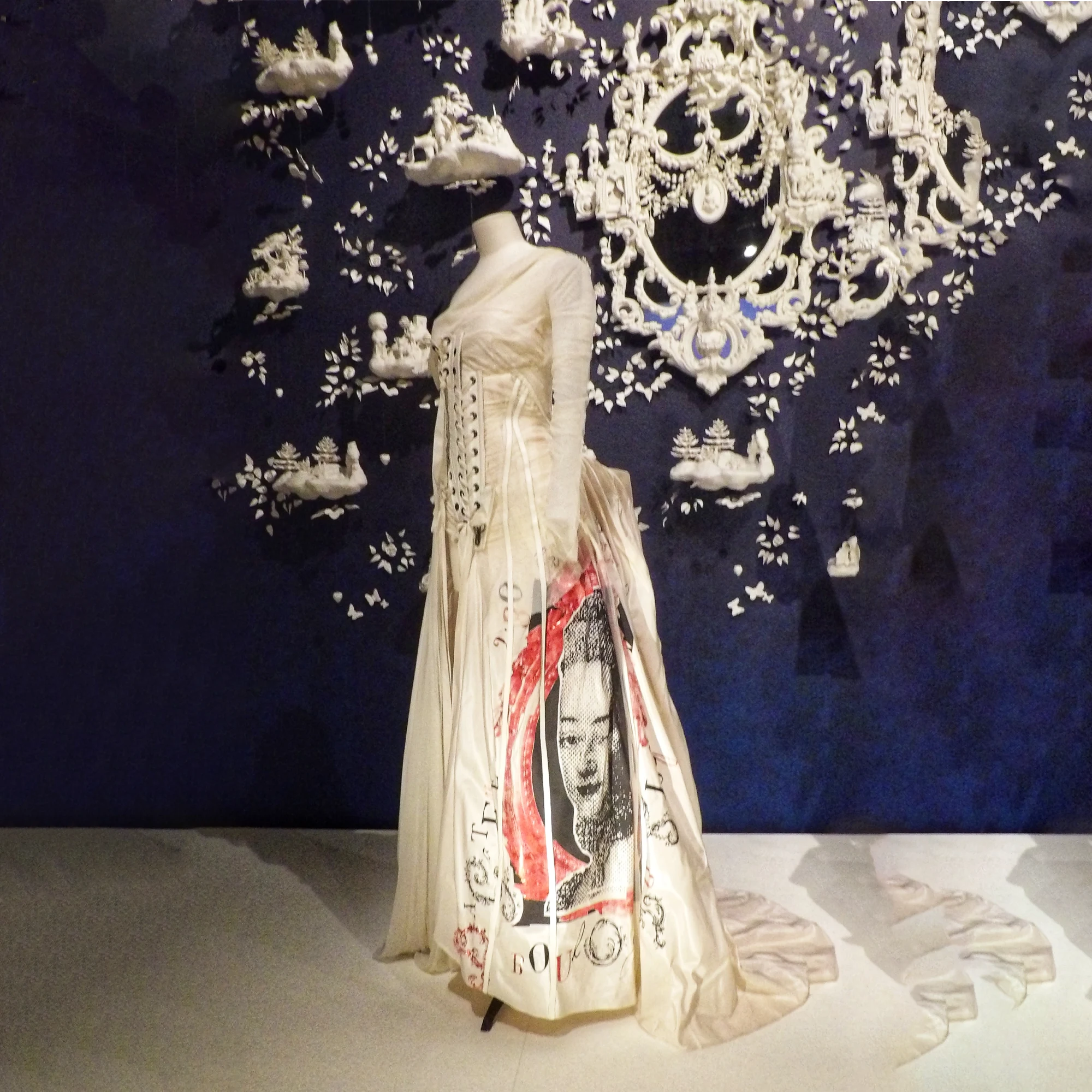
Marie Antoinette was thirty-seven years old. And yet the story does not end in tragedy. Beyond the darkness, the exhibition opens onto the queen’s extraordinary afterlife in fashion and cinema. Designers continue to reinterpret her image with fascination and irreverence. Jewellery created for Sofia Coppola’s Marie Antoinette, alongside contemporary reinterpretations by major fashion houses, establishes a vivid dialogue between past and present. Here, the queen is reborn — pop, melancholic, defiantly modern.
The collaboration with Manolo Blahnik underscores a central truth: Marie Antoinette was not simply a fallen monarch. She was among the first to grasp the narrative power of style — its ability to enchant, provoke and endure.
More than a historical survey, Marie Antoinette Style feels like a meditation on visibility, creativity and freedom. It asks whether history judged a woman too harshly for daring to invent herself. Whether her true transgression was not excess, but avant-garde vision. Time is running out. Like the queen herself, this exhibition is destined to become legend.
On view until 22 March 2026, Victoria and Albert Museum, Cromwell Road, London SW7 2RL