


Editor-In-Chief
MeeKar Lim
International Fashion Editor
Suna Moya
Editor-At-Large
Zhang XiaoXiao

Please contact:
media-works@qcegmag.com
or
WeChat:QCEGMAG_Contact
QCEG MAG is a publication covering a selection of news in fashion, beauty, accessories, celebrities, livings arts, sports, travels and relating videos around the world. Our magazine is currently available in English, French, Italian (in development) and Chinese Languages for our international readers & viewers.




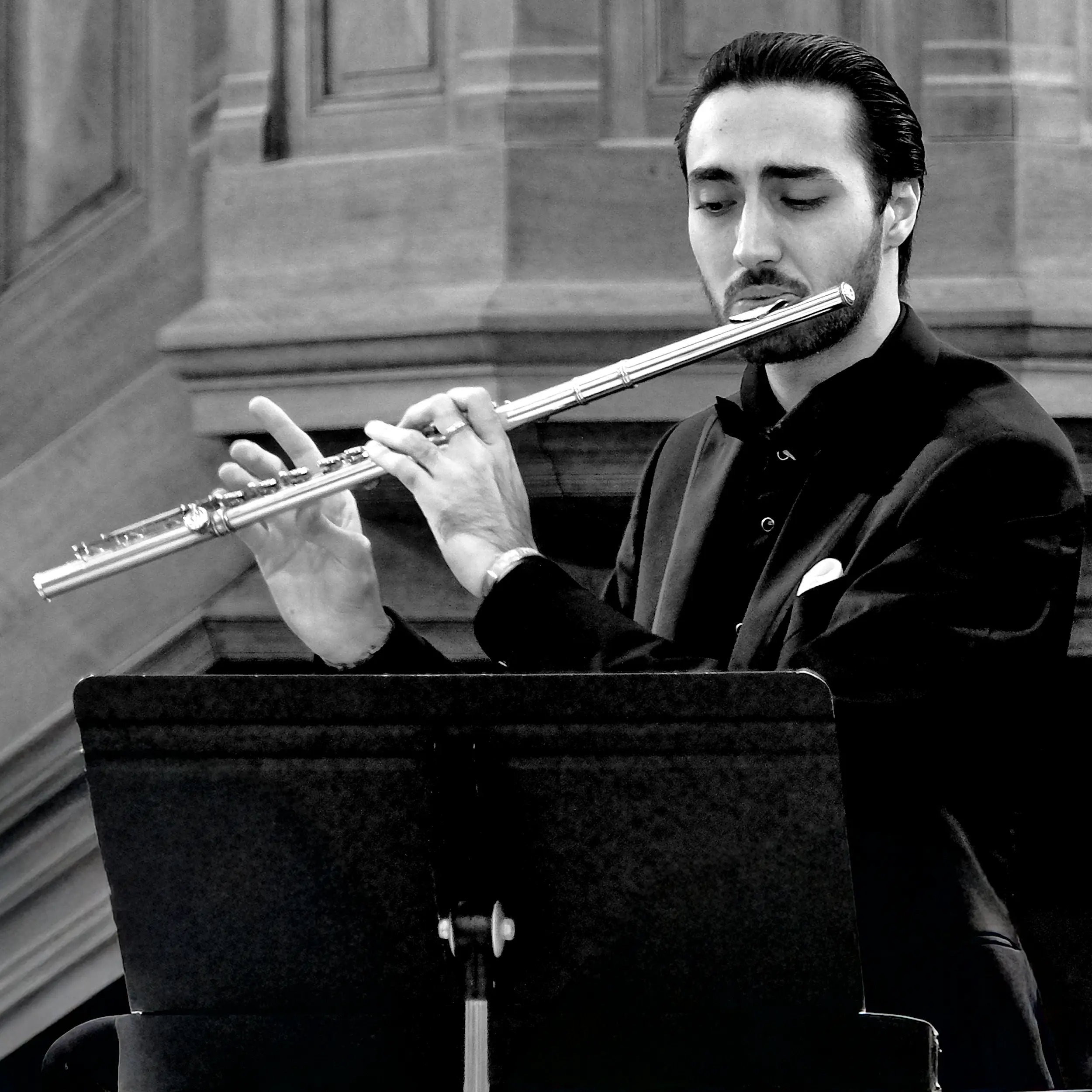



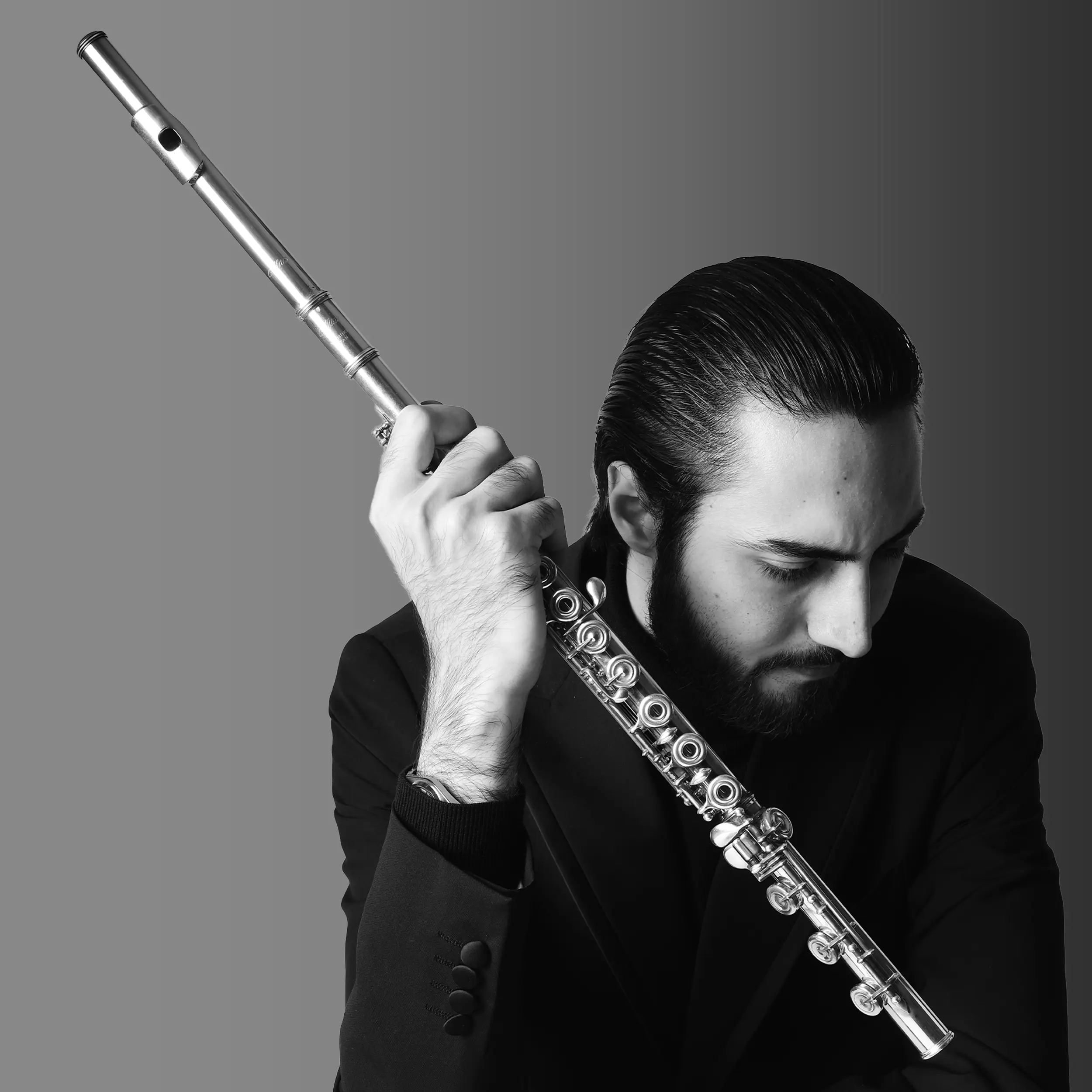
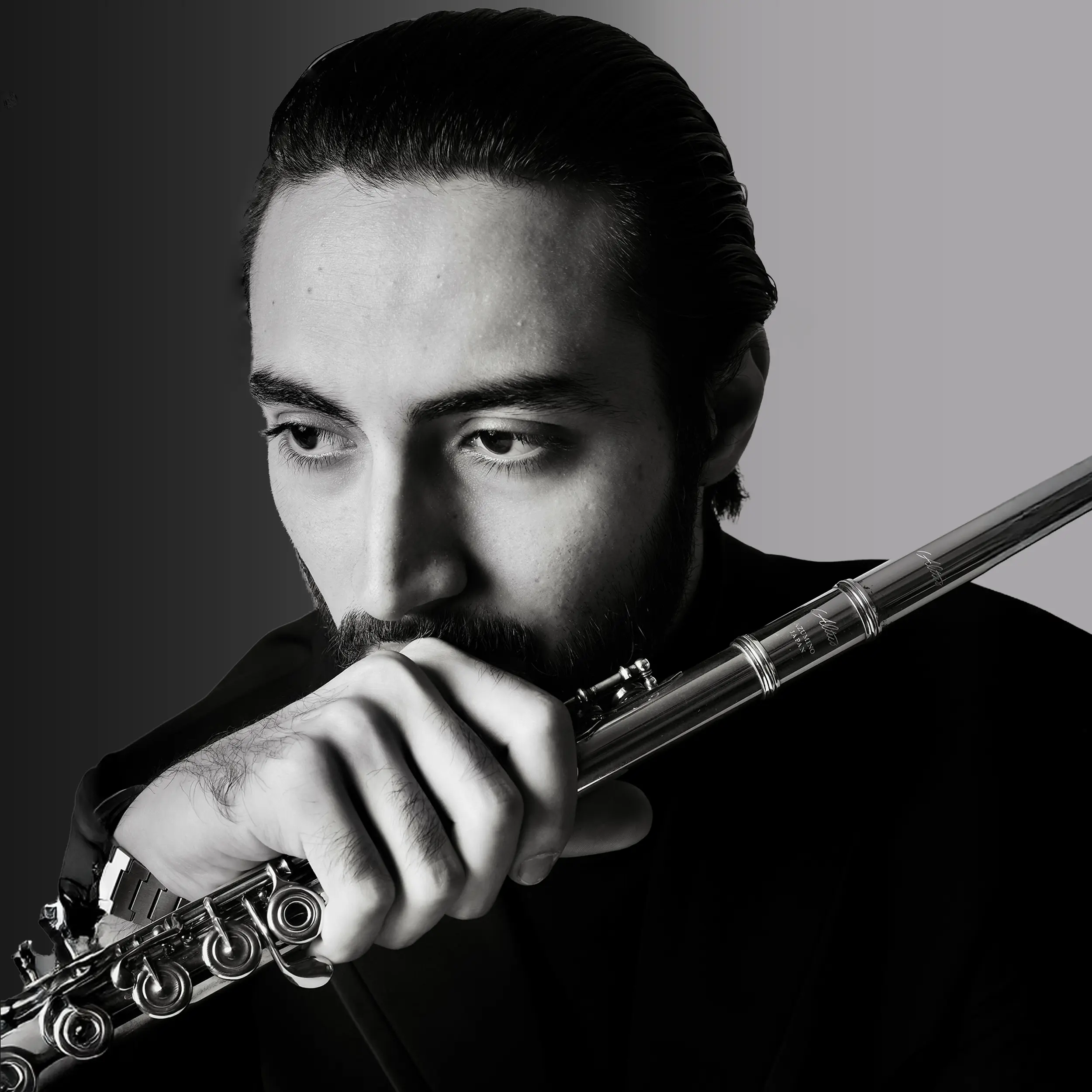
 TAP ABOVE IMAGE(S) TO VIEW ENLARGEMENT
By Suna Moya — QCEG MAG FASHION DESK
Paris, December 2025
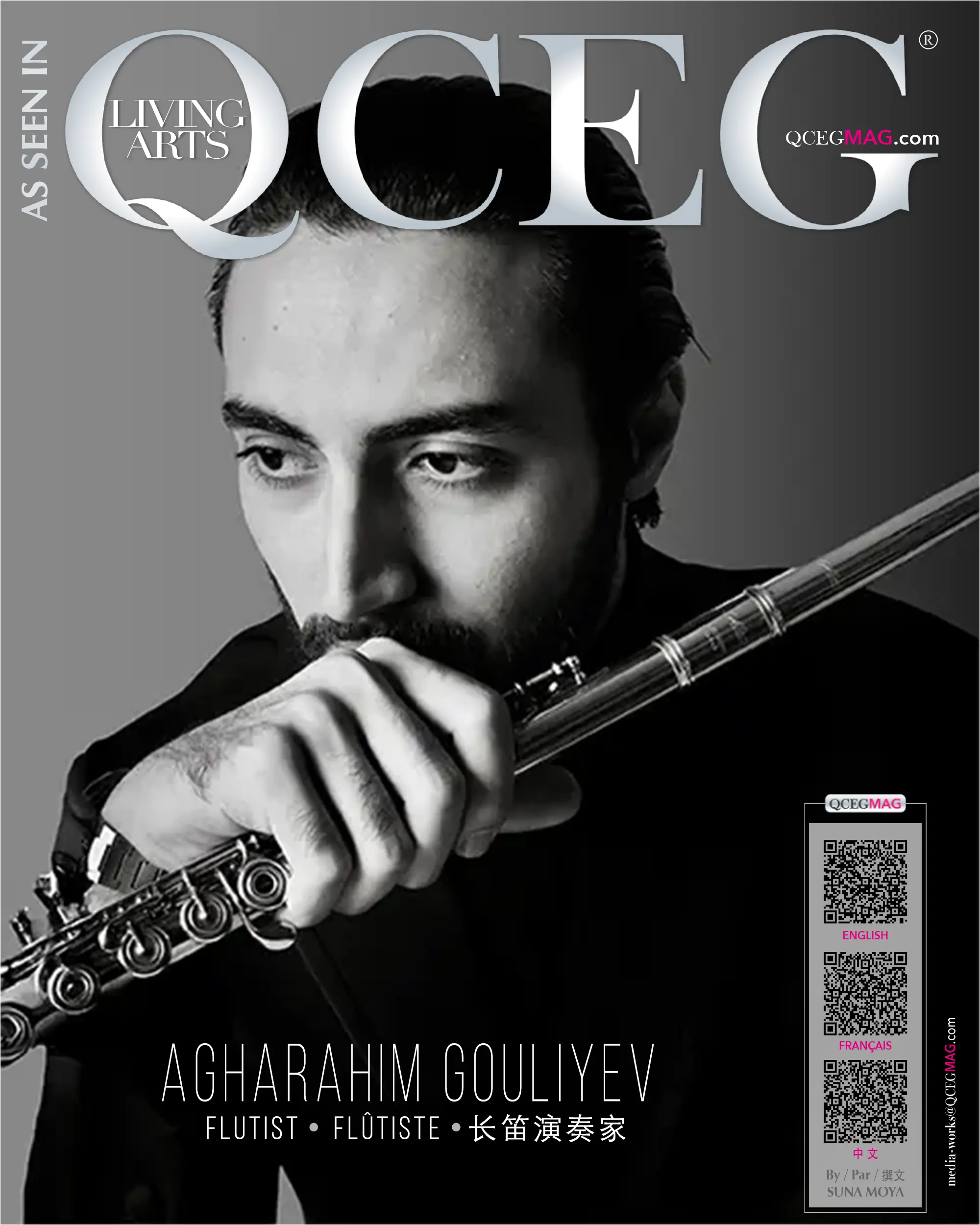

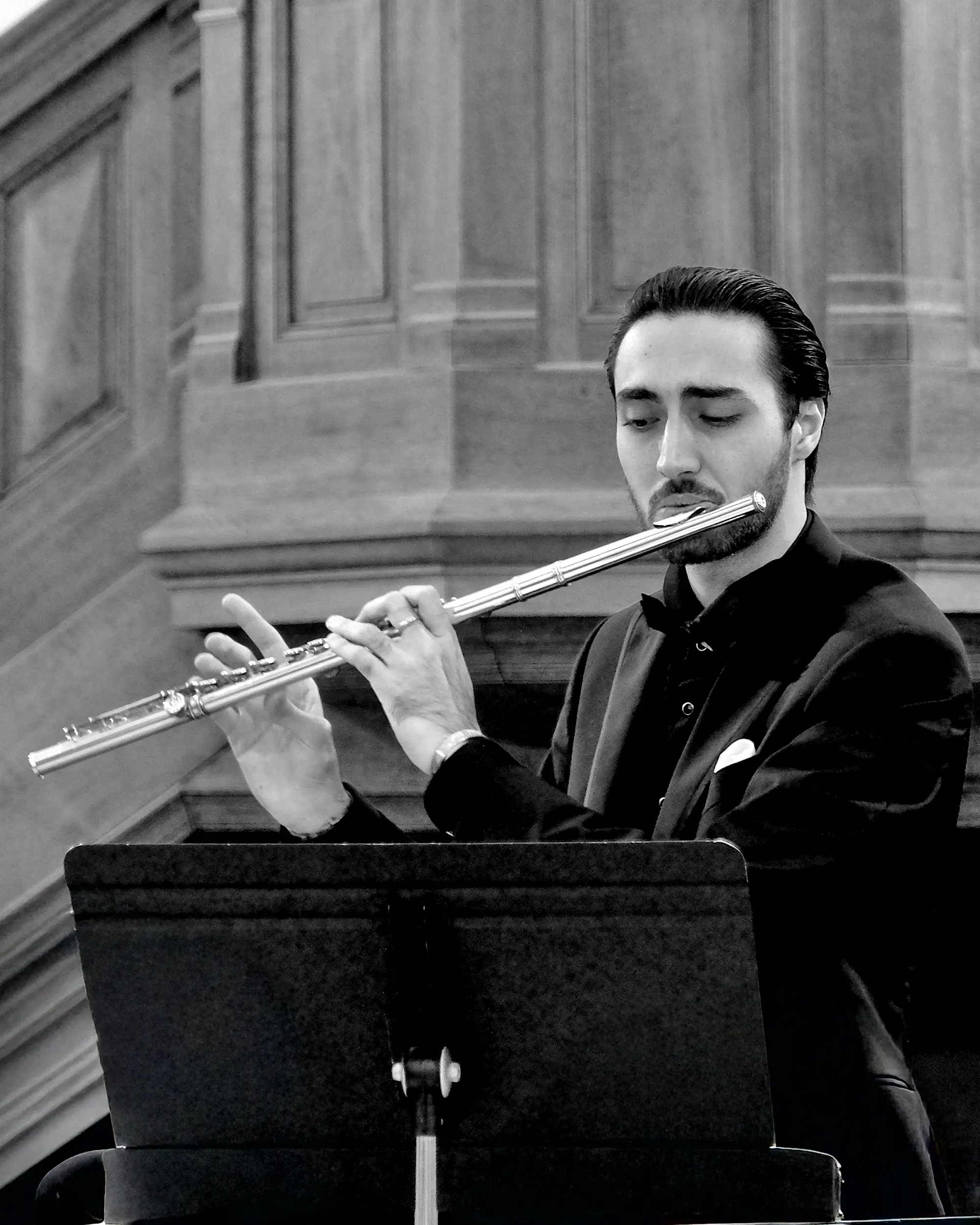
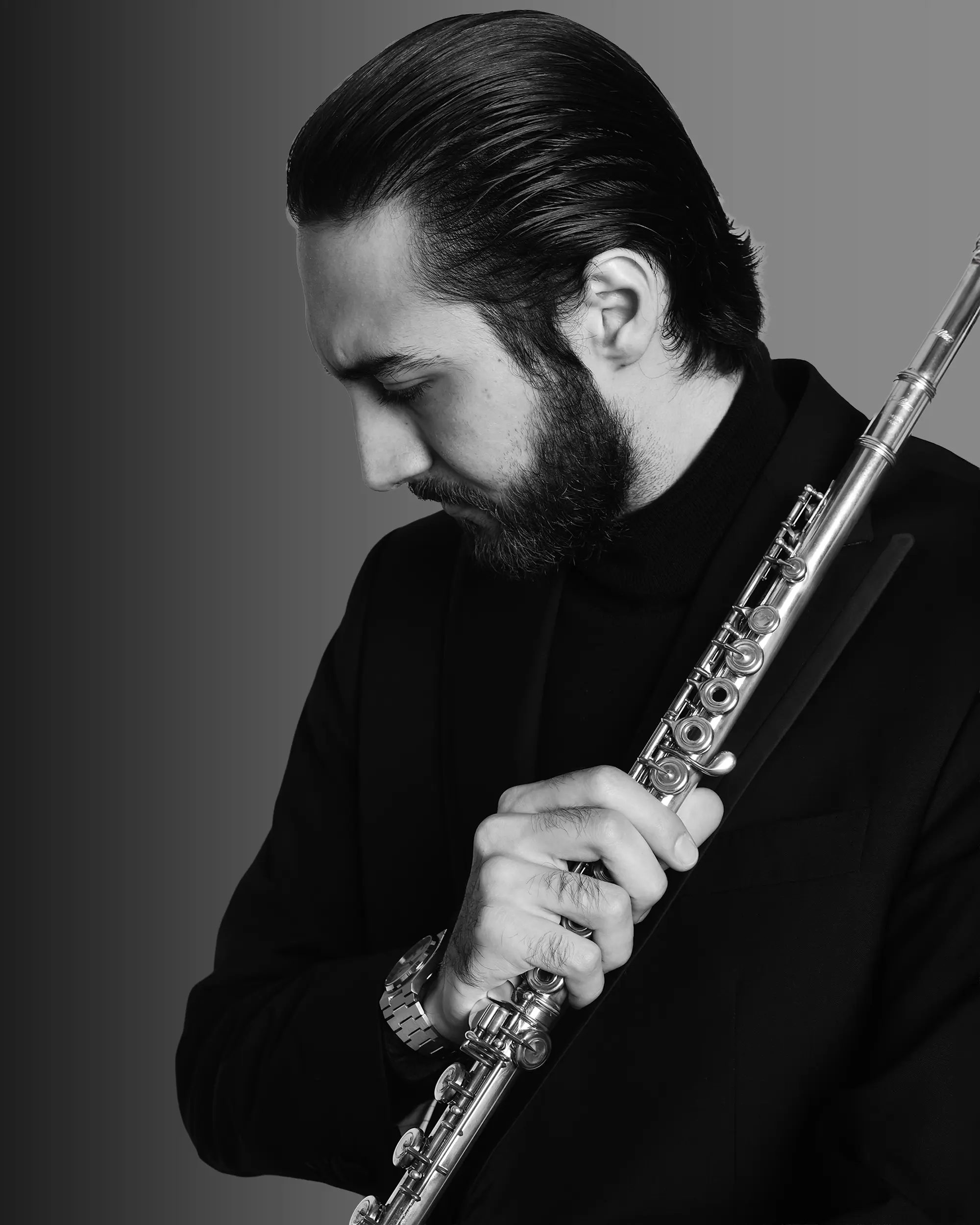
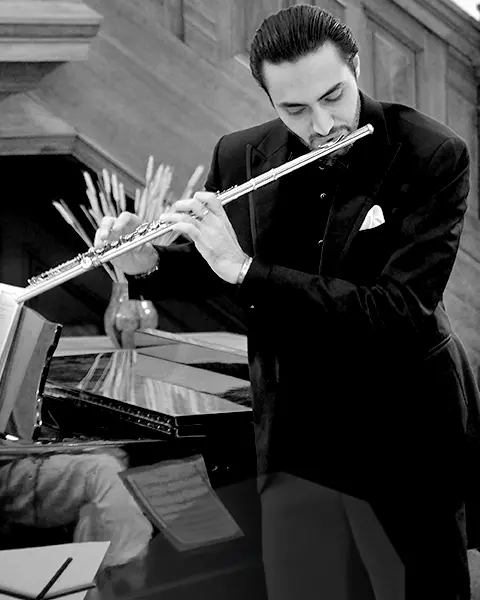
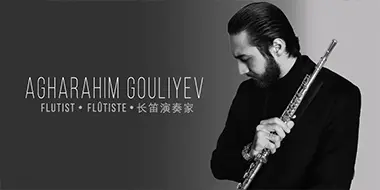
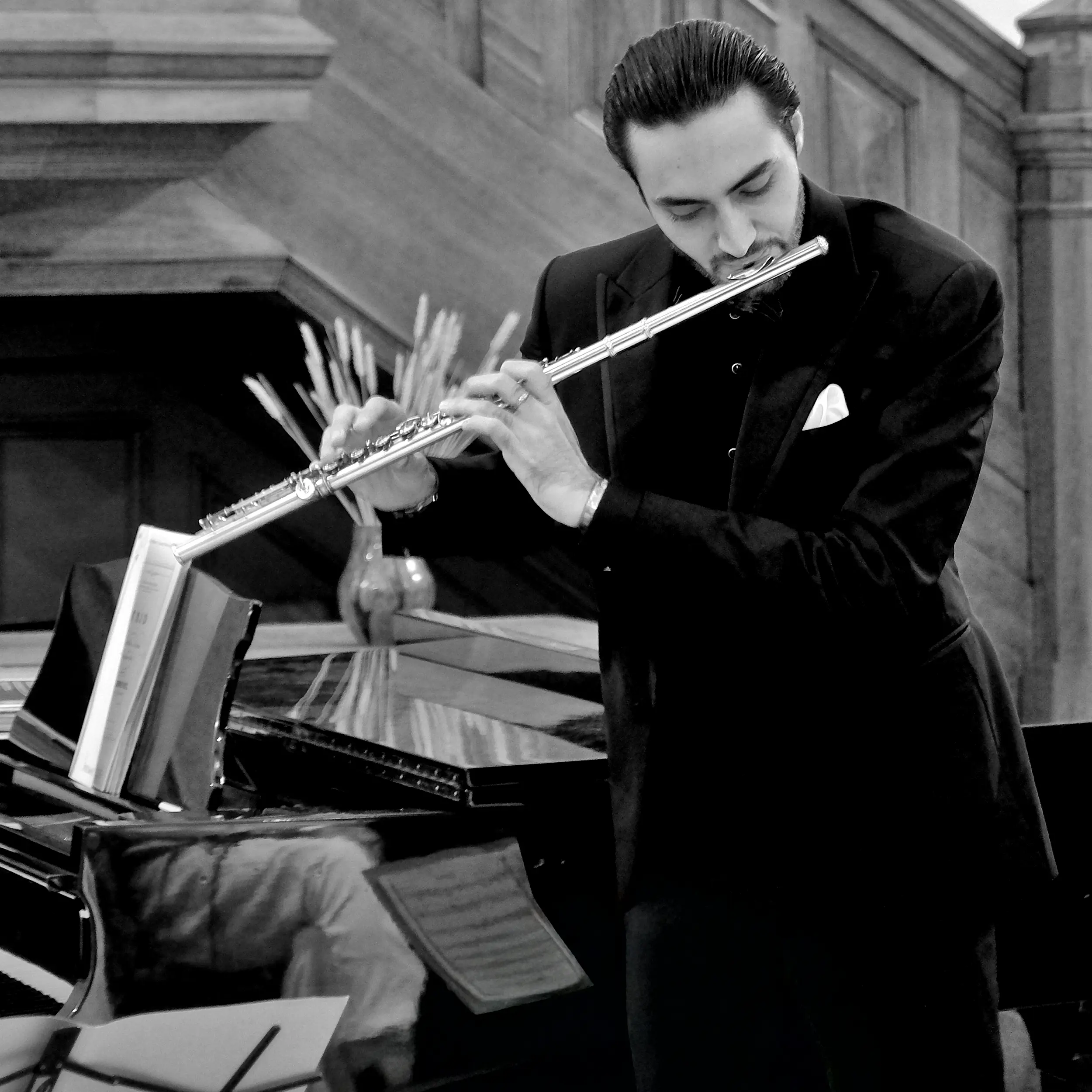
Agharahim Gouliyev doesn’t just play the flute — he commands it. Born in Baku into a family of musicians, he picked up the instrument at the age of nine, and from that very first note, a spark ignited into a relentless pursuit of mastery. Every sound he produces radiates precision, passion, and a raw, unmistakable emotional charge.
Early triumphs — including the Grand Prix at the First International Competition of Young Musicians of the Islamic World (2012) — opened doors to the Samara Yuri Bashmet Music Academy and later the École Normale de Musique de Paris “Alfred Cortot.” Along the way, he studied with masters such as James Galway, Linda Chesis, Christina Jennings, and Emmanuel Pahud, shaping a voice that is luminous, expressive, and wholly his own.
His repertoire spans centuries, from Rachmaninoff’s sweeping romanticism to the intricate modernity of Hindemith and Dutilleux. Each performance shimmers with crystalline articulation, expressive phrasing, and a tone that is rich, focused, and unforgettable.
Yet Agharahim is more than a performer. As the founder of his own production platform and chamber ensemble, he is a visionary — blending classical precision with modern creativity to craft original programmes that expand the possibilities of musical storytelling.
Agharahim Gouliyev is a storyteller, a creator, a presence whose music lingers long after the final note has faded. Every performance, every project, is a testament to an artist who honours his heritage, hones his craft with absolute devotion, and dares to imagine the extraordinary.
— SUNA MOYA
AGHARAHIM GOULIYEV
“From Baku to Paris, flutist Agharahim Gouliyev blends precision, passion and artistry, transforming every performance into a powerful emotional journey.”

QCEG MAG: You grew up in a musical family in Baku. What is your earliest memory of sound or music shaping who you are?
Agharahim Gouliyev: One of the brightest memories of my childhood is when my mother would sit at the piano. Just one sound was enough for me to run to her with excitement. I didn’t yet understand what drew me in so strongly — it was simply instinctive, as natural as breathing. Music felt like something I absolutely had to be part of. I never questioned it.
The atmosphere of students constantly coming to our home for lessons with my grandmother, along with my mother playing, accompanying, and teaching, shaped me as a musician long before I consciously understood anything. My connection to music was intuitive; I couldn’t imagine any future other than becoming a musician.
QCEG MAG: Do you remember the moment you first felt connected to the flute as a voice, not just an instrument?
Agharahim Gouliyev: I began studying the flute at a conscious age. At the piano, I always missed the feeling of a controlled, personal flow of sound. If I wanted it softer or stronger, it depended entirely on me. After two years of study, I realised how much both physical and spiritual effort the flute demanded. I loved its ability to “sing” — something the piano couldn’t give me — but the more possibilities the instrument offered, the more it required in return.
As a teenager, when my repertoire expanded and I matured intellectually and spiritually, I realised how essential physical self-control — even self-denial — was for achieving the highest level of interpretation. I began to feel music differently. It led me in a direction unknown yet deeply familiar, one I had felt since childhood.
I felt truly alive only on stage — and that hasn’t changed. That is where I can express everything: emotion, purity, truth. But I can’t stay in that state for long; no one can. For the sake of a moment that lasts only minutes, months of spiritual and physical work are required.
Suna Moya: When people listen to your playing, what emotion or inner world do you hope they experience?
Agharahim Gouliyev: I want people to remember that beyond the material world, there is also a spiritual one. People have become so unfeeling that sometimes I simply hope they feel anything at all.
I choose repertoire intuitively. If the theme of a sonata resonates with my own experience, I try to convey the composer’s deepest emotional intention to the listener. Yes, it may sound lofty — but that is the essence of art: to give people something eternal, profound, spiritual, not superficial. It’s no coincidence that music is called the highest art — the language of God.
Suna Moya: Many say the flute is closest to the human voice. How do you make the instrument “speak” in your own language?
Agharahim Gouliyev: I don’t do anything. I simply am, and the sound is. As I am, so is the sound.
Music requires continuous self-analysis and spiritual development. You must cultivate emotion, develop the ability to express a feeling. If you are empty, the sound is empty. The flute is only a tool — an instrument of the soul. As the soul is, so is the response of the instrument.
Everyone can speak, but the meaning of a phrase does not come from the vocal cords or the alphabet.
Suna Moya: Being selected for James Galway’s masterclass is exceptional. What did that encounter change for you?Sir James Galway is called a living legend, though many do not understand why. I have colleagues who think it’s just marketing or the scale of his repertoire. Very few notice how he played it.
He is a legend because only someone extraordinarily gifted can feel and convey emotion the way he does. His talent pushed me forward with tremendous force as a child. I listened almost exclusively to his recordings for years — even now.
At the masterclass, my goal was to hear his insights — not only technical advice but guidance on how to search for meaning in music. What he emphasises, what he thinks is missing, the direction I should take. I received invaluable commentary from someone who truly is a living legend.
His advice remains more valuable to me than any practice method.
Suna Moya: You’ve performed everywhere from UNESCO to Salle Cortot. Is there one stage that felt like a turning point?
Agharahim Gouliyev: Yes — Salle Cortot. I don’t know why, but in that hall I always feel different. Its walls have seen me grow, from a student to an almost fully formed musician. It is far more than a concert hall to me.
I took exams there, failed exams there, earned diplomas there, studied, attended lectures and masterclasses. It is a world of its own.
Suna Moya: Your composition De Profundis is deeply emotional. What led you to write it?
Agharahim Gouliyev: Composition is a hobby for me. I’ve always been curious about the furthest limits of interpretation. Many of my pieces are like photographs — capturing a moment I didn’t want to lose.
Suna Moya: The Sunrise has a sense of hope. What inspired its atmosphere?
Agharahim Gouliyev: The Sunrise was written during a difficult spiritual period. My health was poor; I had to return home. My father had passed away the year before, and shortly after I recovered, my grandmother — my guide, mentor, and friend — passed away too.
My days were long, nights sleepless. I fell into depression. I often went to the park at 6:10 a.m., sat on a bench with a cigarette, and watched the sunrise — for months. Waiting for something to change.
None of my pieces are on platforms at the moment because I’m changing the media format. But soon, Karl Reinecke’s Undine Sonata will be available — a recording made with my childhood friend, with whom I also studied in Paris. It is one of our best, I think. Once you read the legend of Undine, you will understand everything we tried to convey.
Suna Moya: Growing up in music, how has that shaped the way you see the world outside of it?
Agharahim Gouliyev: Music is endless self-examination, spiritual refinement, intellectual growth, and a constant search for meaning. Lately, it has made me feel increasingly alienated from the world. The deeper I go into music, the more I distance myself from people and gravitate toward faith.
I’ve always preferred solitude to noise. I see flaws more clearly — in myself and in others. I’m grateful to my parents for teaching me to think deeply, to accept mistakes, and to correct them. Music teaches discipline: encounter a mistake, fix it, or you ruin the performance.
On stage, I stand face to face with my choices. It is the same in life — and after it. What matters is the meaning you give to things.
Suna Moya: Away from rehearsals and stages, what reminds you of who you are beyond being a musician?
Agharahim Gouliyev: I am an ordinary person trying to refine the soul so that it may one day return home. To leave behind something that guides others — something helpful, not harmful.
Love must be learned. It is not just kisses in the rain by the Eiffel Tower. It is helping a friend, feeding someone who is homeless, responding kindly to cruelty, telling the truth, being honest with yourself, and not becoming arrogant after success.
We are all human. The most important thing is not to forget it.
Suna Moya: How do you balance Azerbaijani musical heritage with the European classical tradition?
Agharahim Gouliyev: The way I feel it is the balance itself. I am an Azerbaijani living within European culture, with a Slavic way of thinking, guided by Azerbaijani moral principles. It all exists naturally in me. So what more can be said about music?
Suna Moya: When you imagine your future self decades from now, what impact do you hope your music will have left?
Agharahim Gouliyev: Are you sure we will even exist in a few decades?