


Editor-In-Chief
MeeKar Lim
International Fashion Editor
Suna Moya
Editor-At-Large
Zhang XiaoXiao

Please contact:
media-works@qcegmag.com
or
WeChat:QCEGMAG_Contact
QCEG MAG is a publication covering a selection of news in fashion, beauty, accessories, celebrities, livings arts, sports, travels and relating videos around the world. Our magazine is currently available in English, French, Italian (in development) and Chinese Languages for our international readers & viewers.




By MeeKar — QCEG MAG LIVING ARTS SECTION
Milan, April 2026
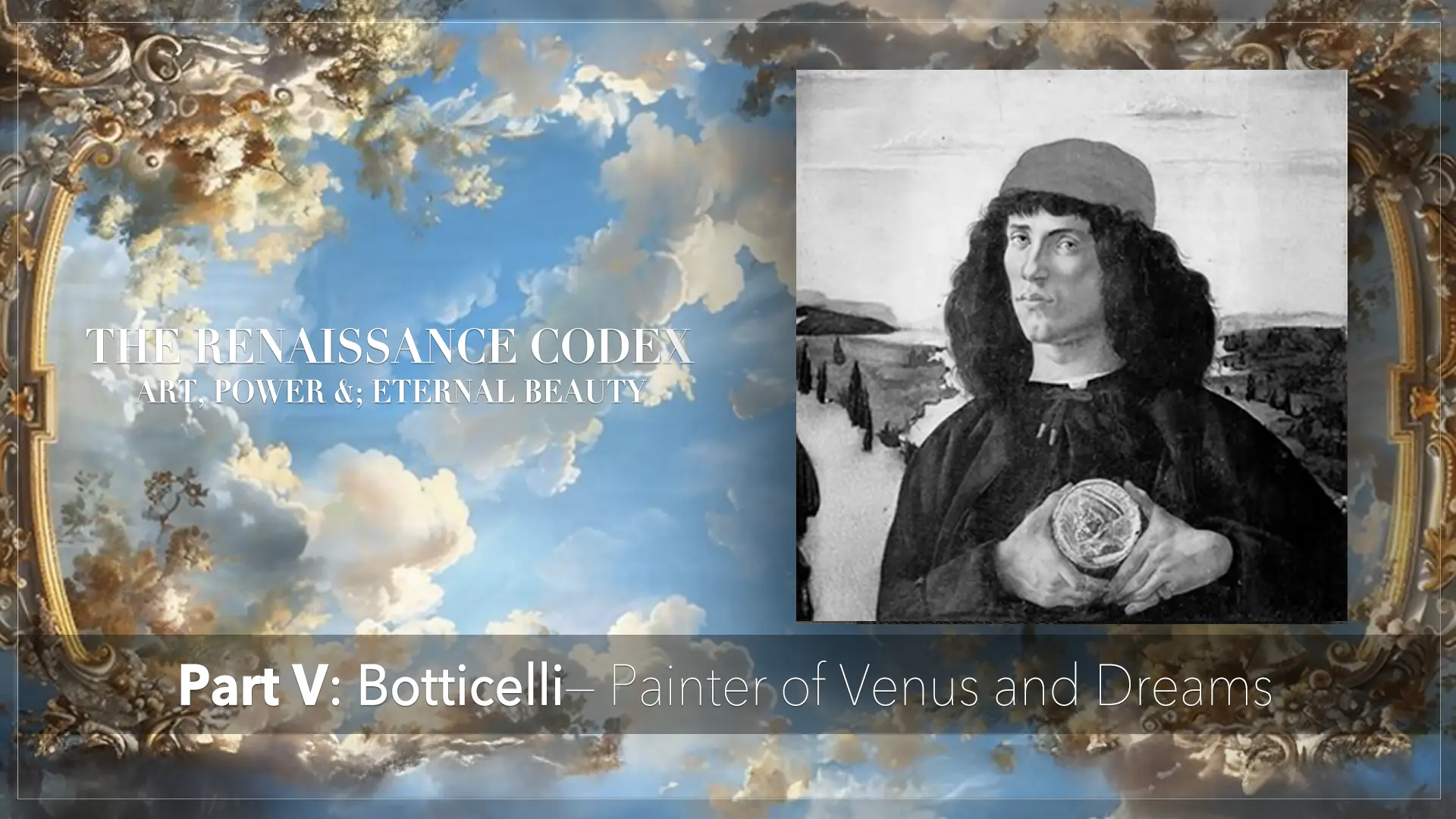


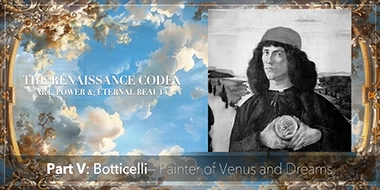
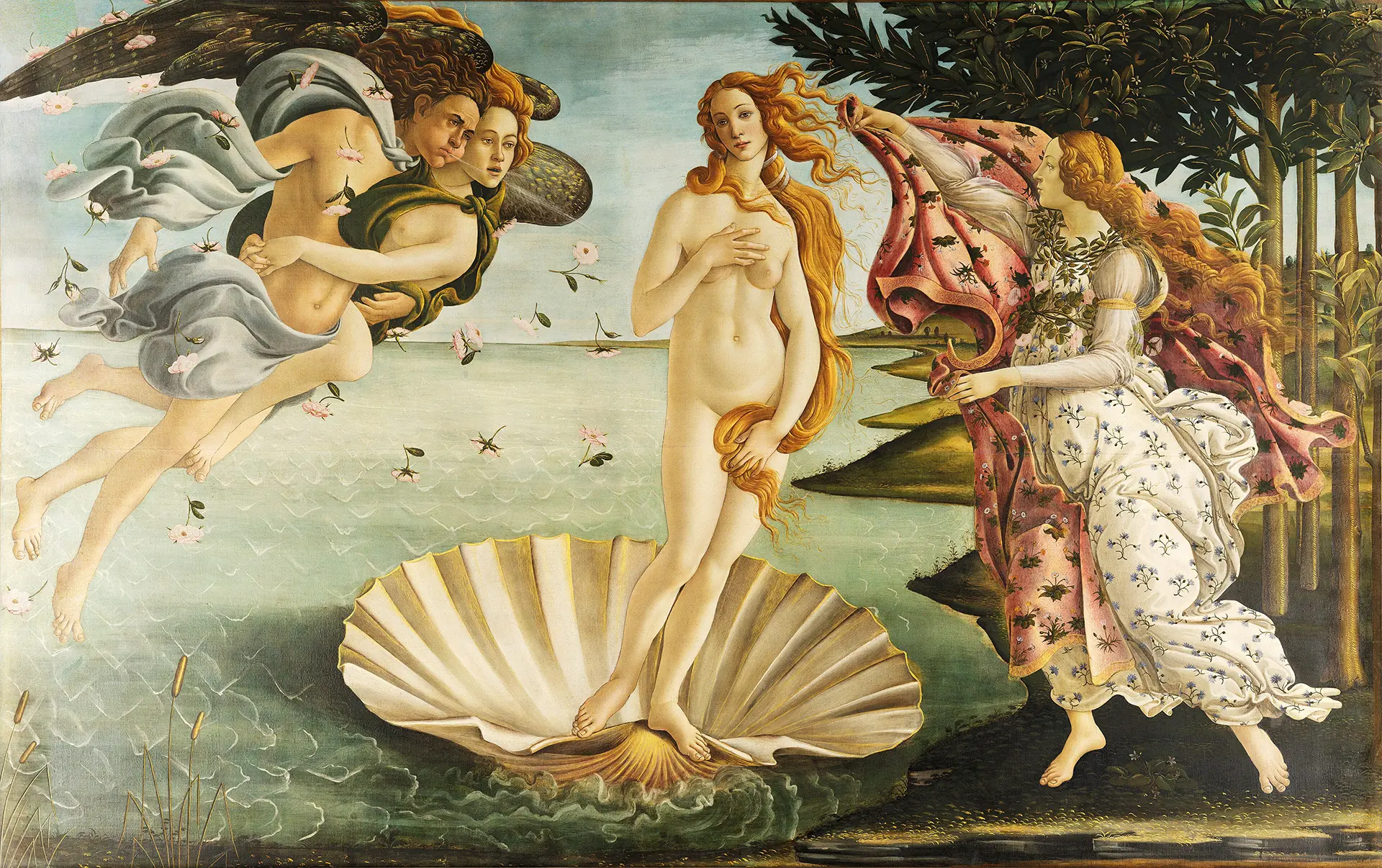
Sandro Botticelli was not merely a painter — he was a dream made visible. A poet of line, a conjurer of myth, and a visionary who transformed beauty into something eternal. His Venus did not simply emerge from the sea; she drifted from imagination itself, weightless and untouched by time. In an age driven by reason and rediscovery, Botticelli chose reverie — distilling longing, grace, and quiet melancholy into every flowing form. To speak of the Renaissance without Botticelli is to see the world, but never to dream it.
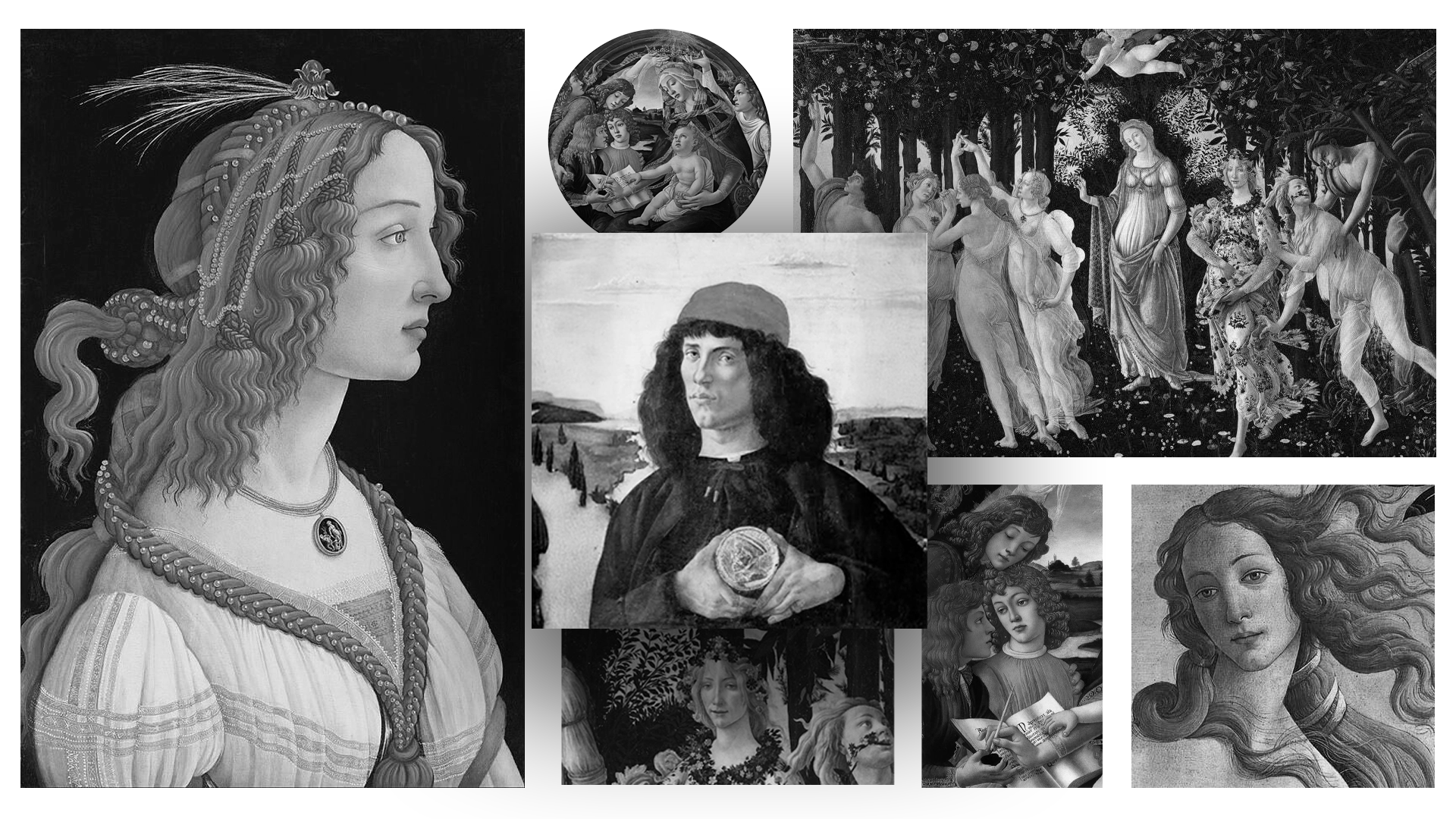
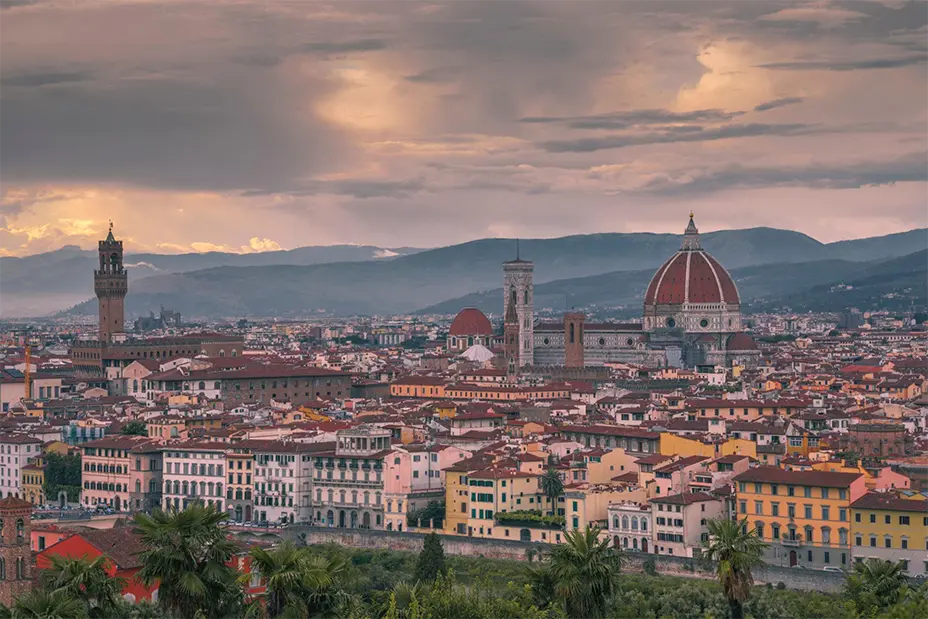
In the golden heart of Florence, where marble, poetry, and philosophy converged into a new vision of humanity, a painter emerged whose art did not merely depict the world; it transfigured it. BOTTICELLI, born Alessandro di Mariano Filipepi around 1445, rose from modest beginnings into the radiant circle of the Medici family, patrons who shaped the cultural soul of the Renaissance. Yet Botticelli was never merely a court painter. He was something rarer, a poet of line, a dreamer in pigment, a visionary of the unseen.

At a time when many artists pursued anatomical precision and scientific perspective, Botticelli turned toward something more elusive—ideal beauty, poetic symbolism, and the quiet language of myth. His masterpieces remain among the most recognizable visions in art history:
These works, shaped within the luminous patronage of the Medici, embody the Renaissance fascination with classical antiquity and humanist thought—but Botticelli does more than revive the past. He transforms it.
His Venus is no mere figure of mythology. She is an idea—beauty unbound by gravity, untouched by time, existing in a realm beyond the physical. His figures drift rather than stand, elongated and weightless, as though carried by an unseen current of thought and longing.
Where others constructed the world through logic and measure, Botticelli dissolved it into feeling. In his hands, line becomes lyric, form becomes memory, and reality itself softens—until it yields, quietly and completely, to reverie.
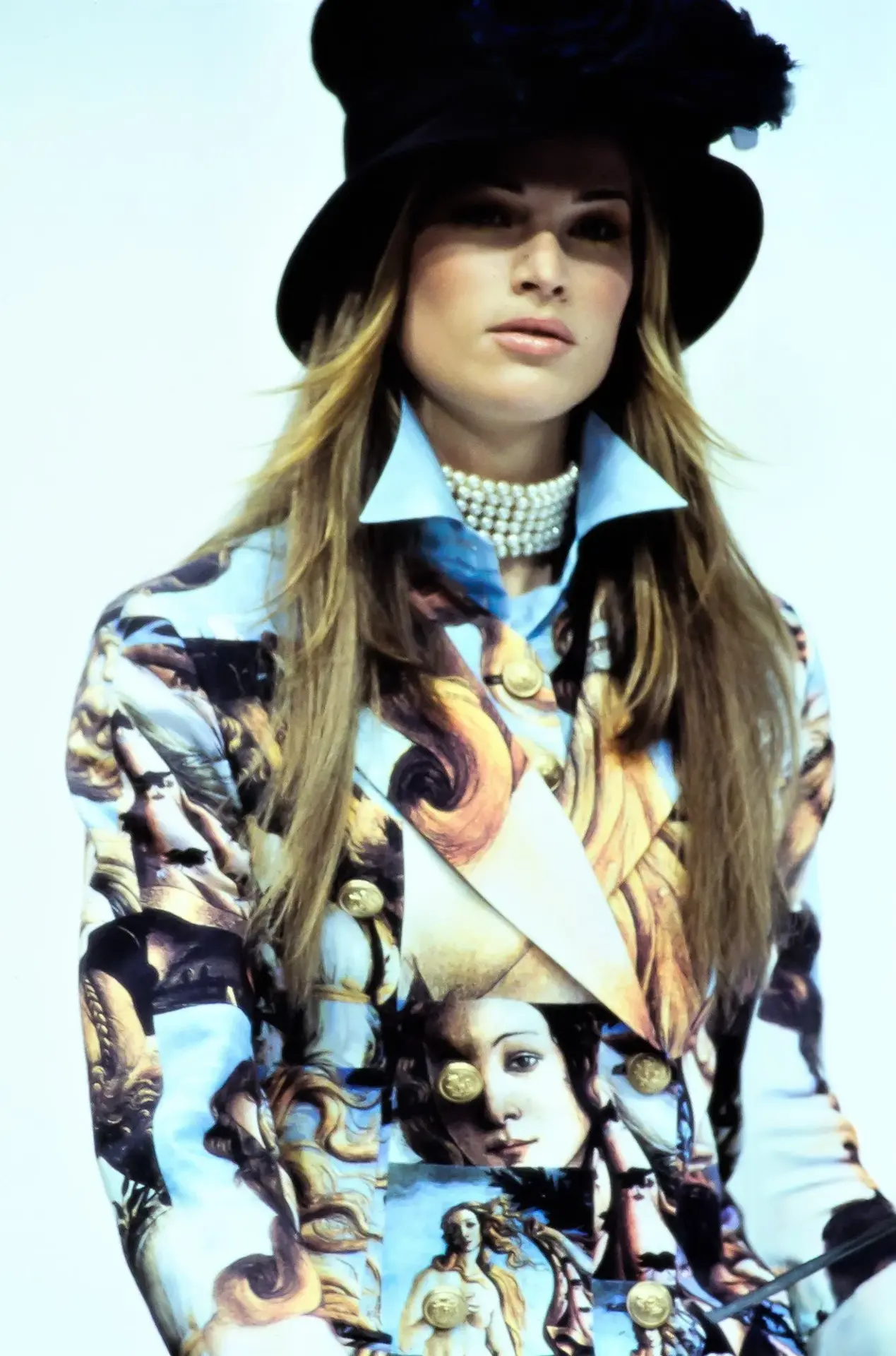
THE RENAISSANCE CODEX
“ART, POWER AND ETERNAL BEAUTY”
To encounter a Botticelli painting is to recognize it instantly. His visual language is unmistakable:
⏺ Flowing, calligraphic lines that guide the eye like poetry
⏺ Ethereal figures with porcelain skin and distant gazes
⏺ A subtle melancholy, as if each subject knows something we do not
Rather than constructing depth through strict perspective, Botticelli composed emotional space—a realm where symbolism outweighs realism. His work reflects the intellectual climate of Renaissance Florence, where philosophy, mythology, and art intertwined. Humanism encouraged the revival of classical themes, yet Botticelli transformed them into something deeply personal: visions rather than reconstructions.
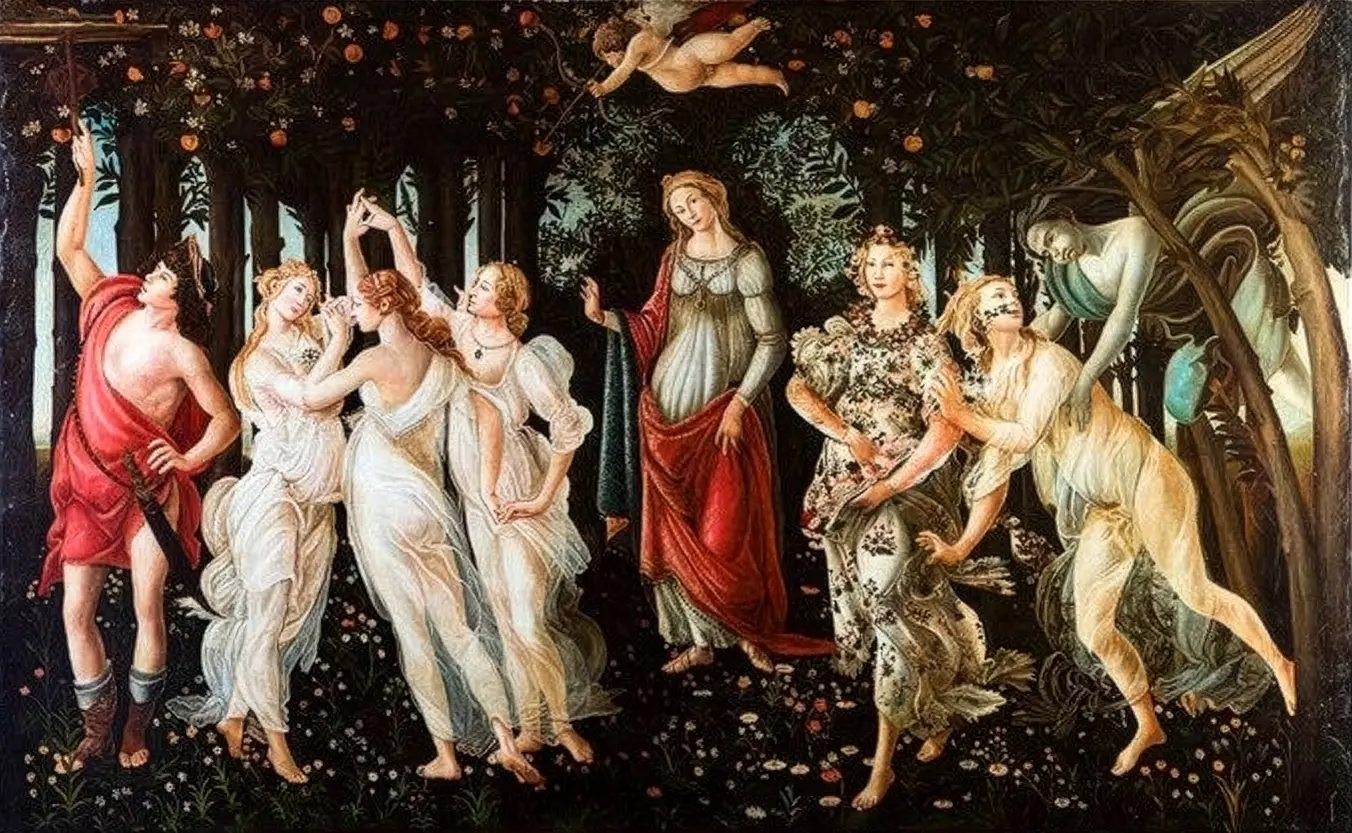
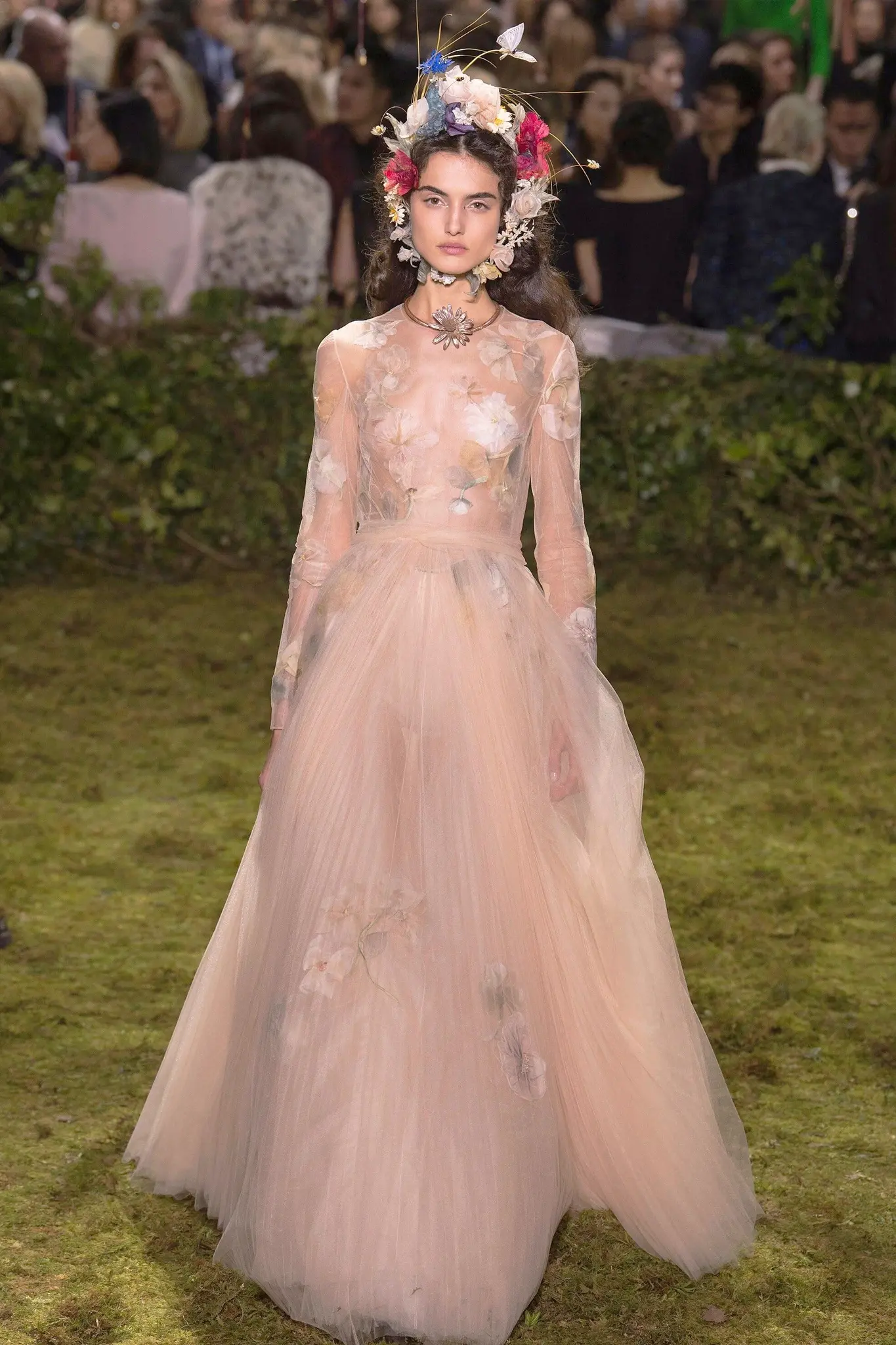
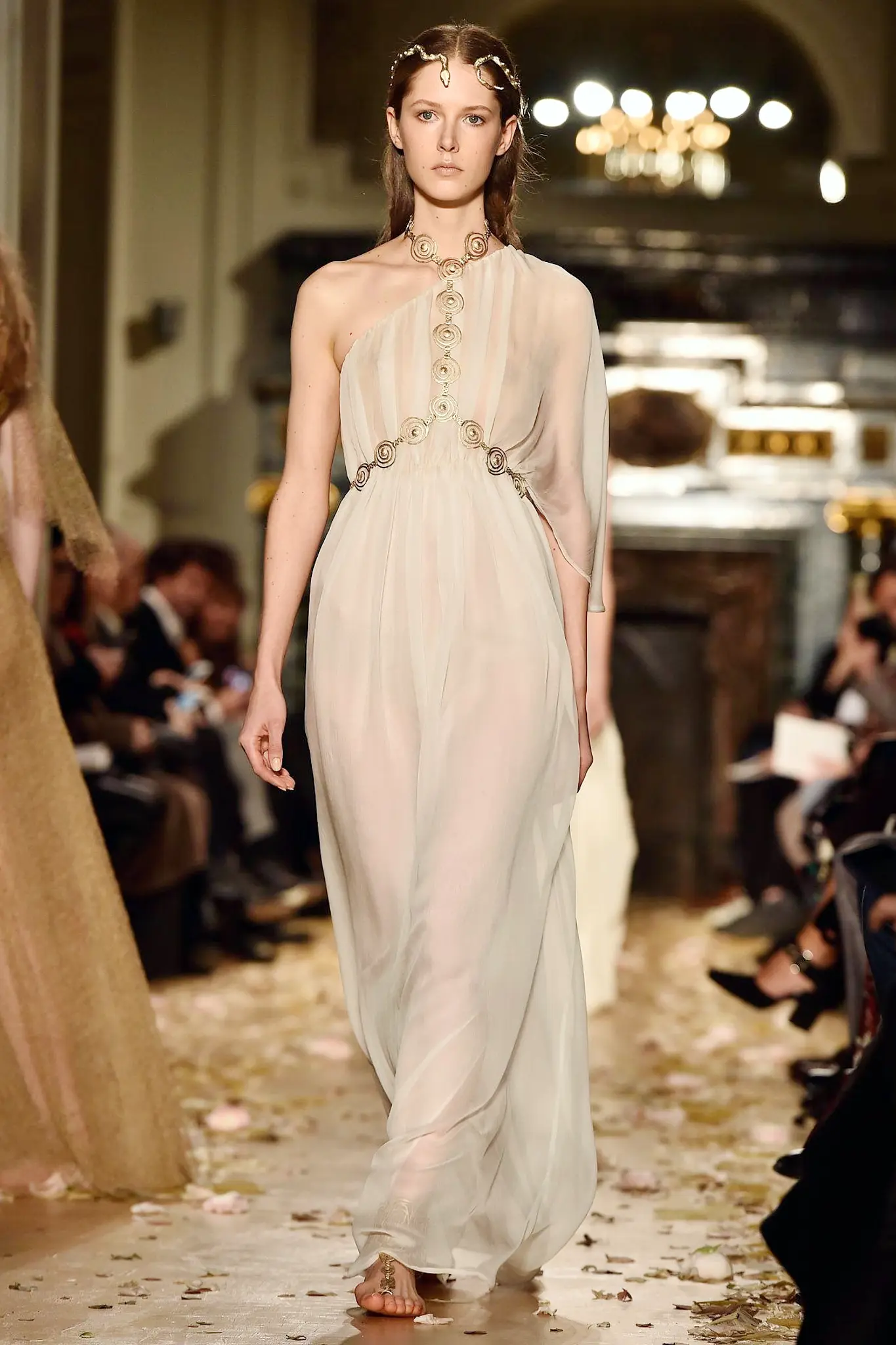
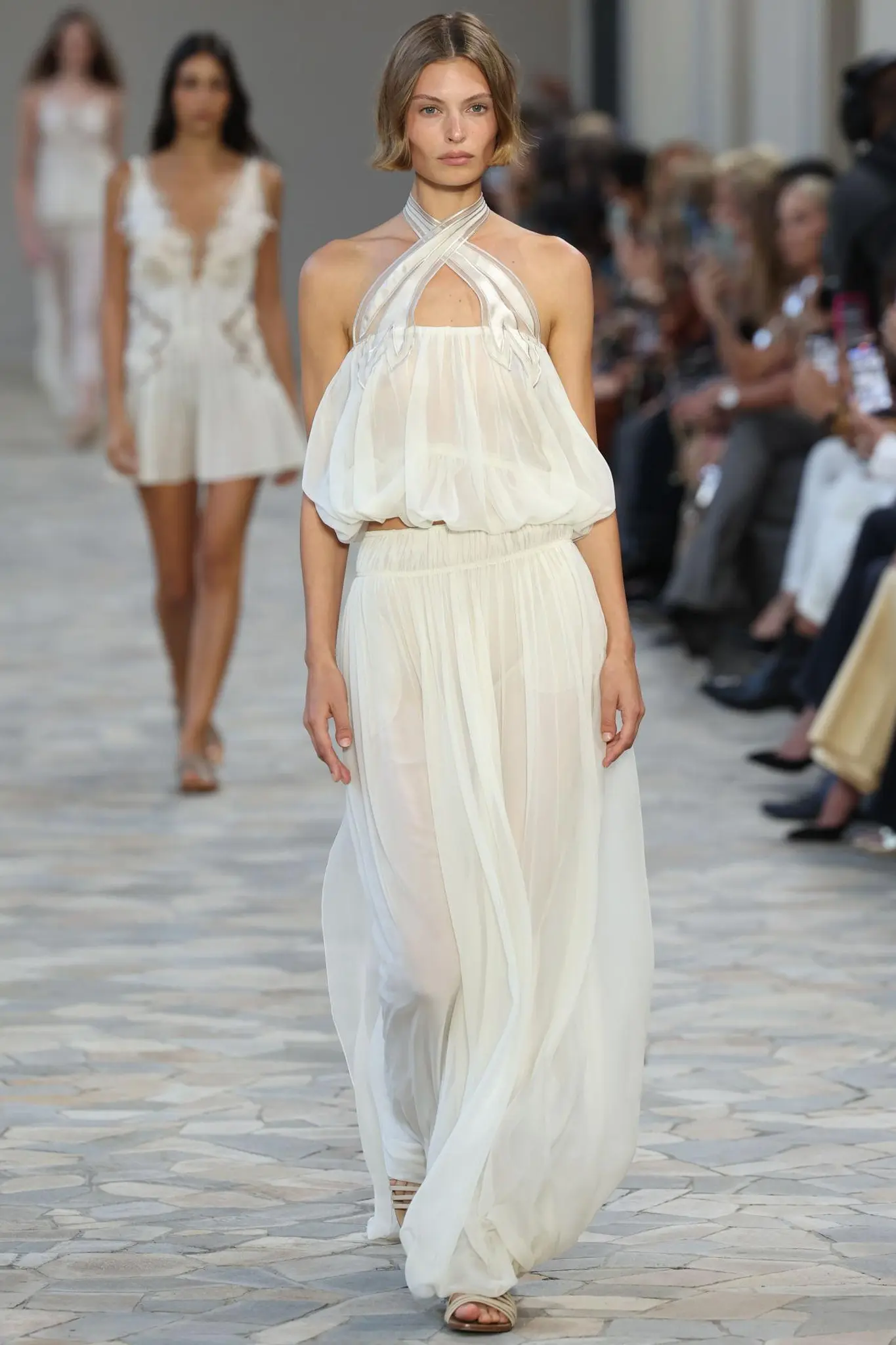
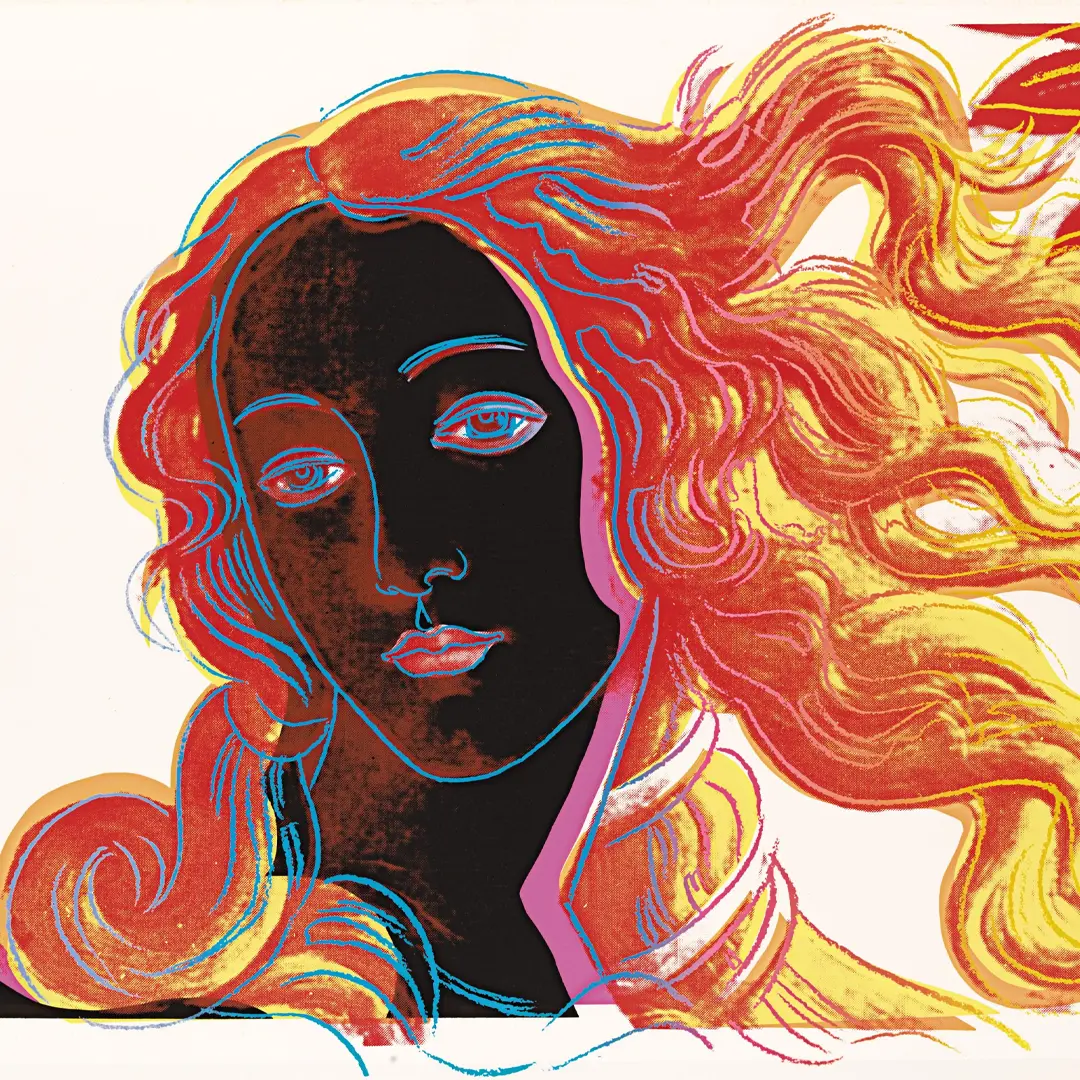
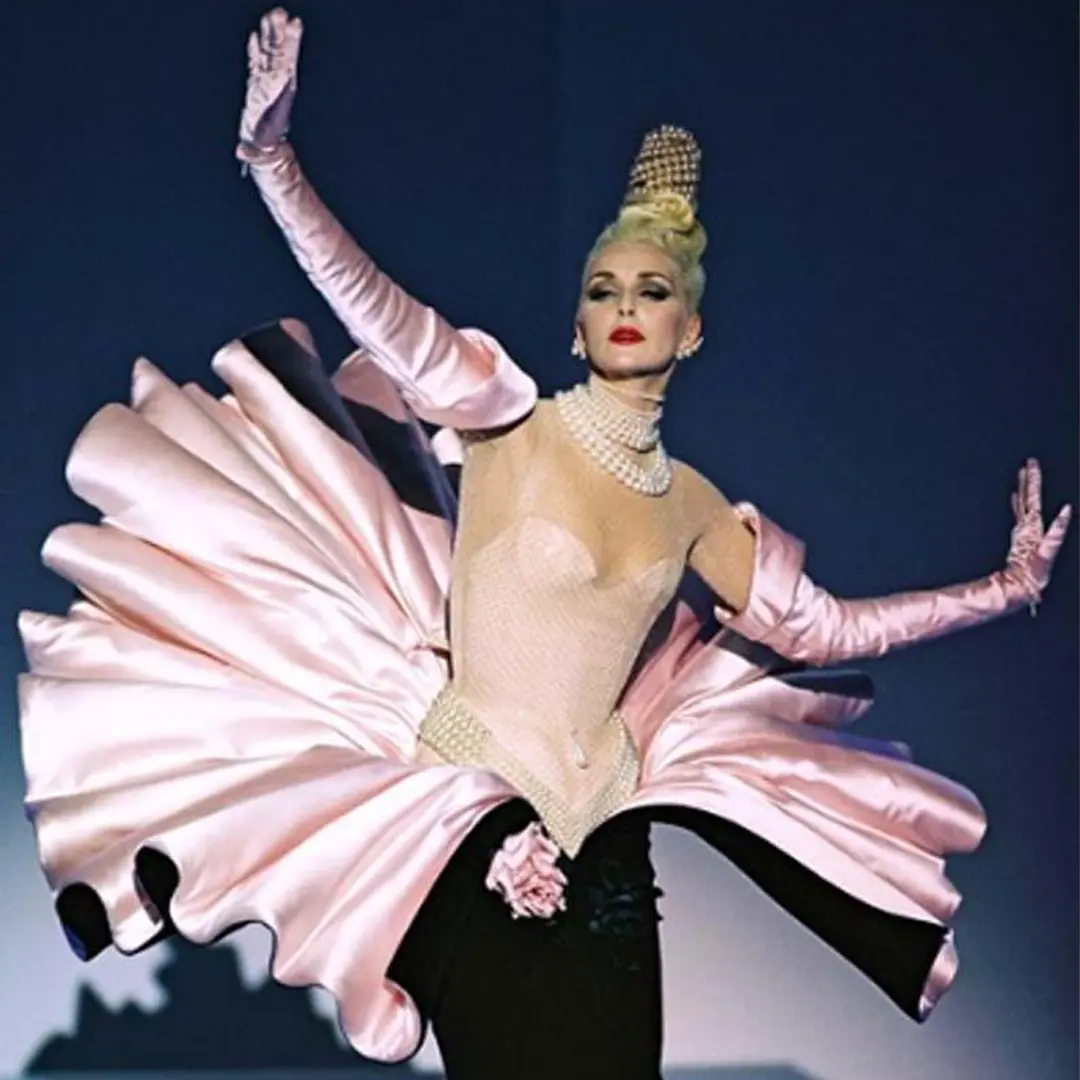
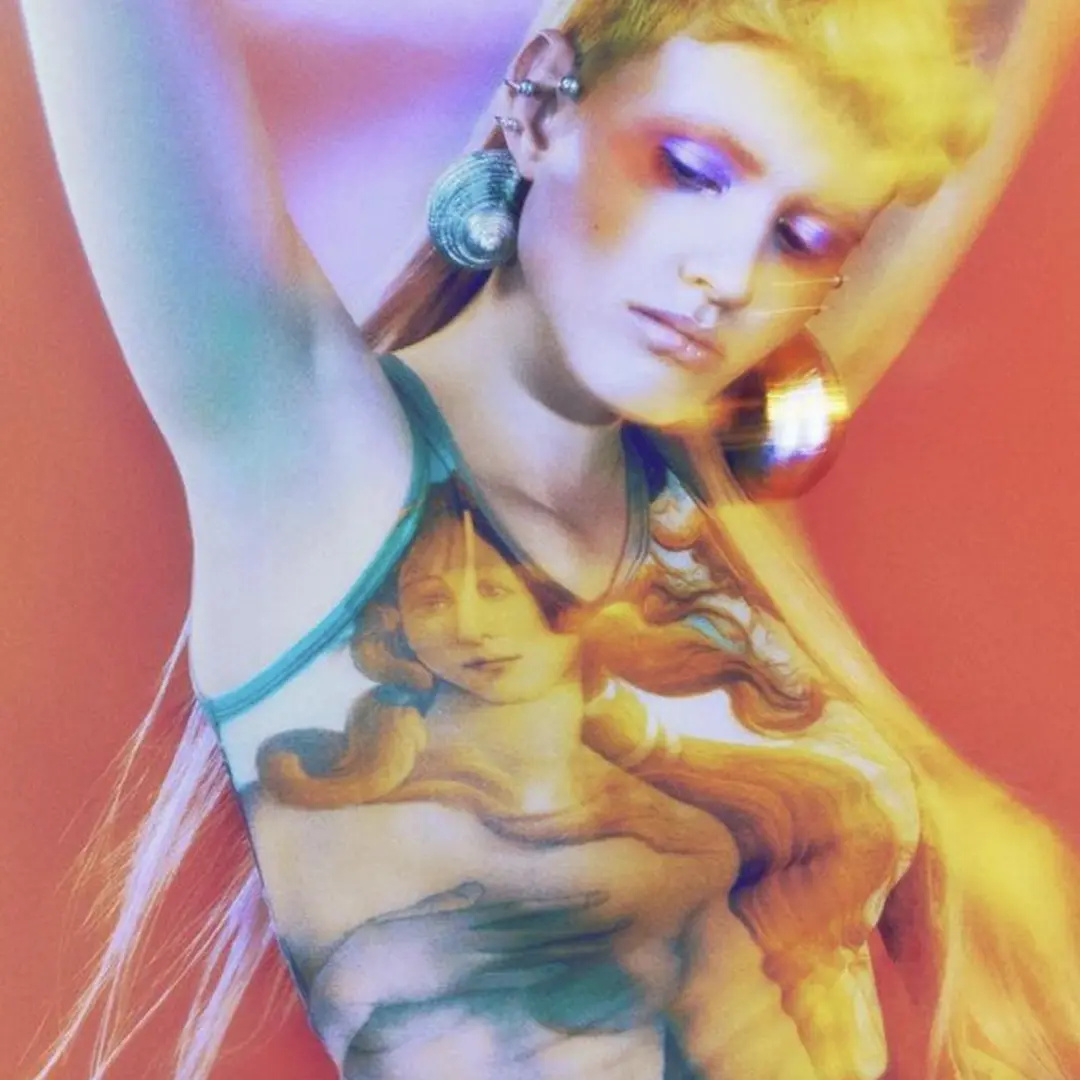
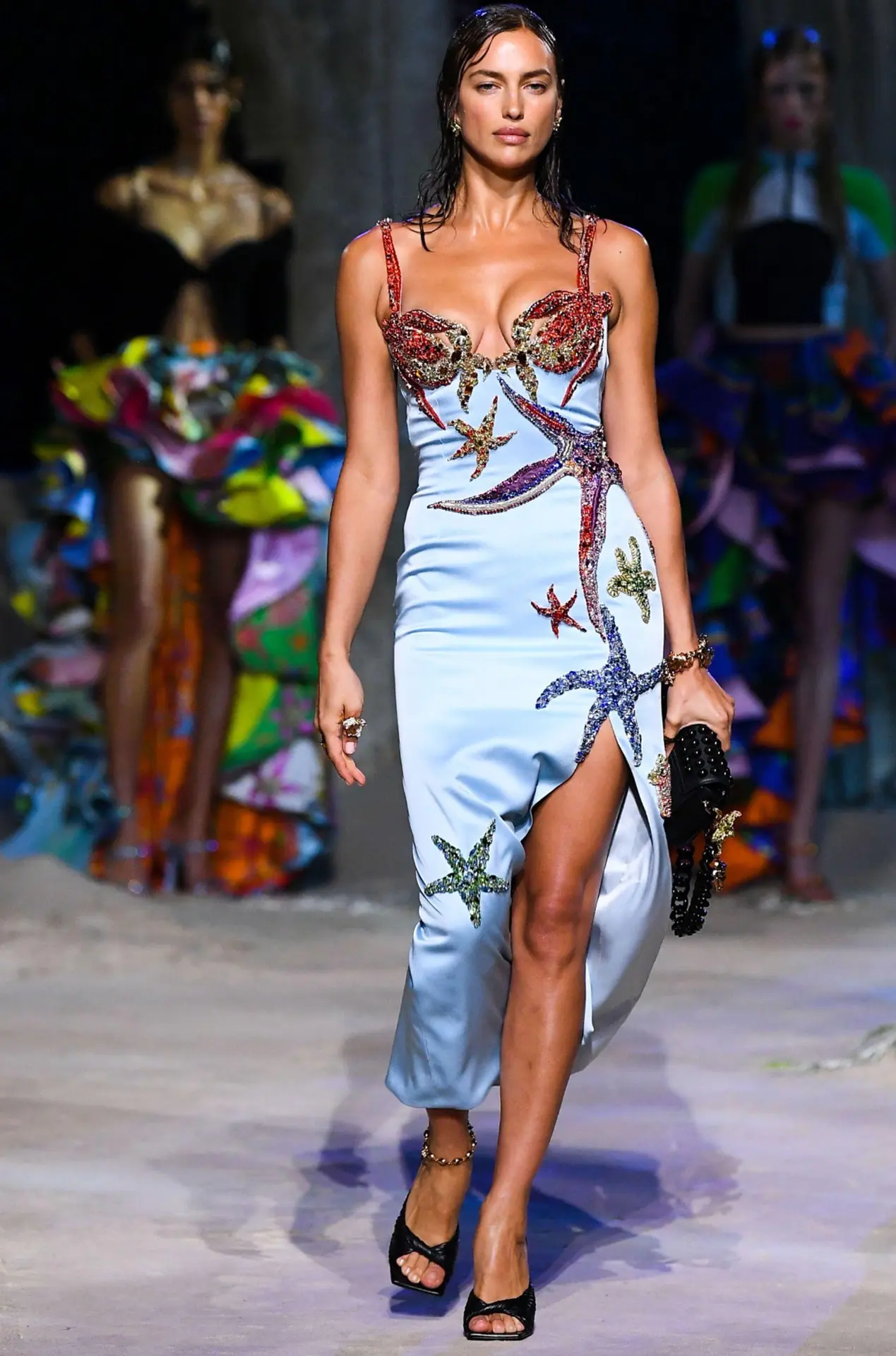
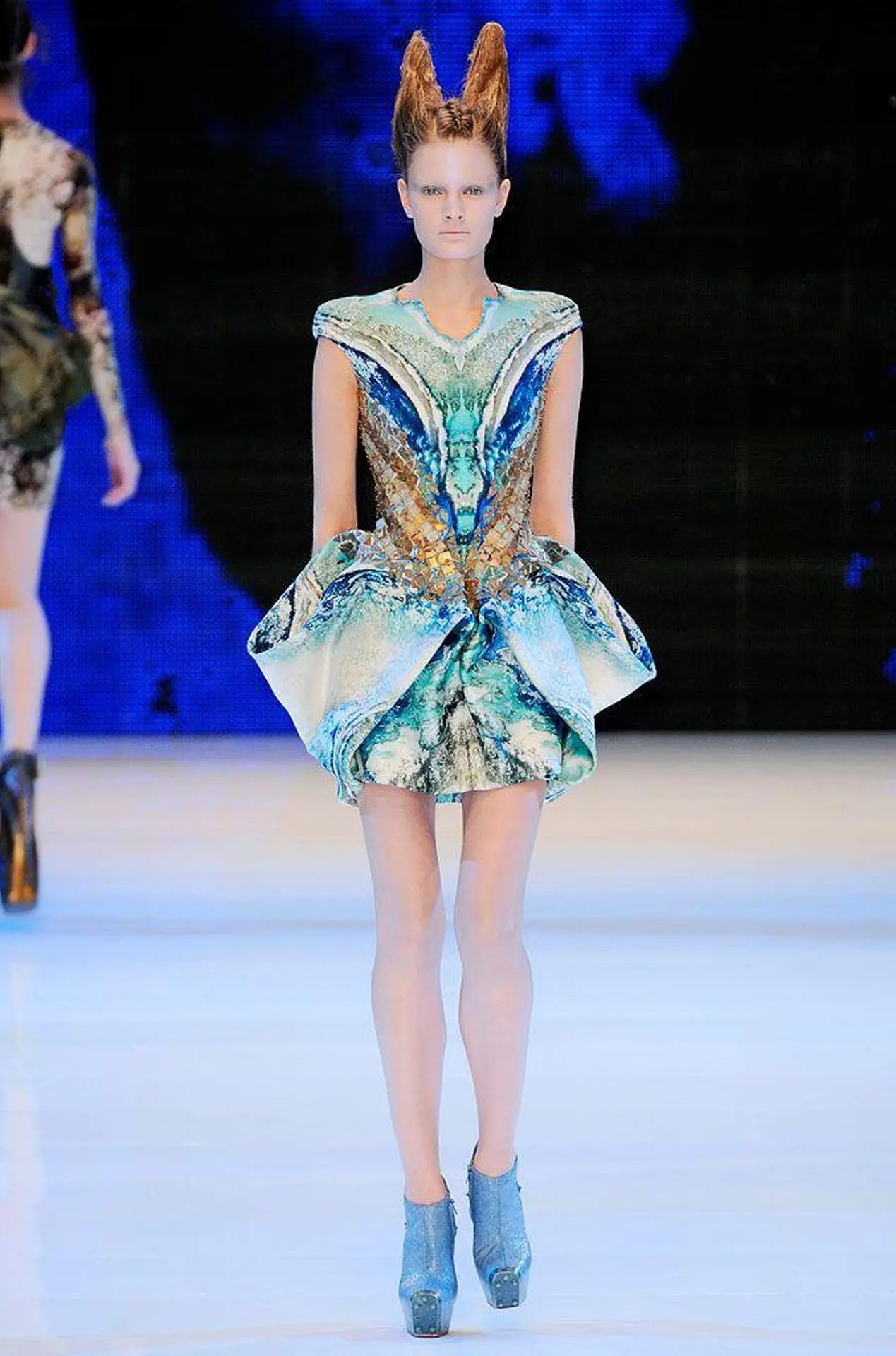
In this modern interpretation of Primavera, each designer translates Botticelli’s poetic world into a distinct language of fashion. Dior distills the myth into sheer couture, where structure softens and embroidery blooms like memory. Valentino transforms it into pure atmosphere—chiffon gowns that drift like air, weightless and untethered. Alberta Ferretti returns it to nature, embracing fluid silhouettes and effortless movement that feel sunlit and alive.
Together, alongside other houses, they form a contemporary garden of expression, where fabric replaces paint, the body becomes the canvas, and beauty, once imagined in myth, moves freely through the present.
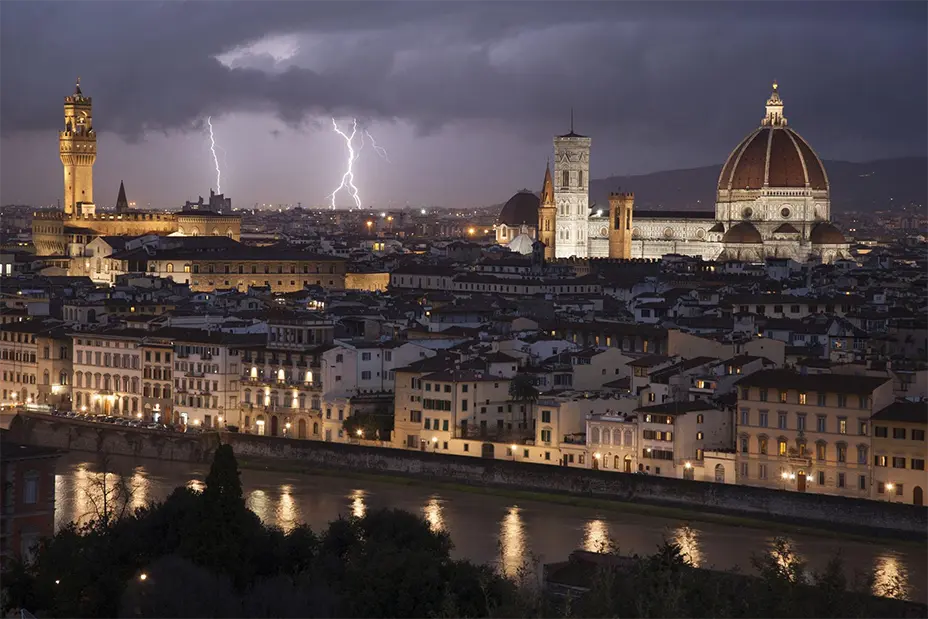
But the dream did not last forever. In the 1490s, Florence fell under the austere influence of Girolamo Savonarola, whose sermons condemned worldly luxury and pagan imagery. The city that had once celebrated beauty and human potential turned inward—its golden light dimmed by spiritual urgency.
BOTTICELLI, once the painter of Venus and myth, followed this shift. His work grew more austere, more devotional, and more intense. The effortless grace of his earlier visions gave way to something deeper—charged with symbolism, tension, and a searching sense of faith.
This transformation reveals a deeper truth: Botticelli was never bound to a single style or ideology. He moved with the emotional currents of his time—absorbing them, reflecting them, and ultimately transforming them into art.
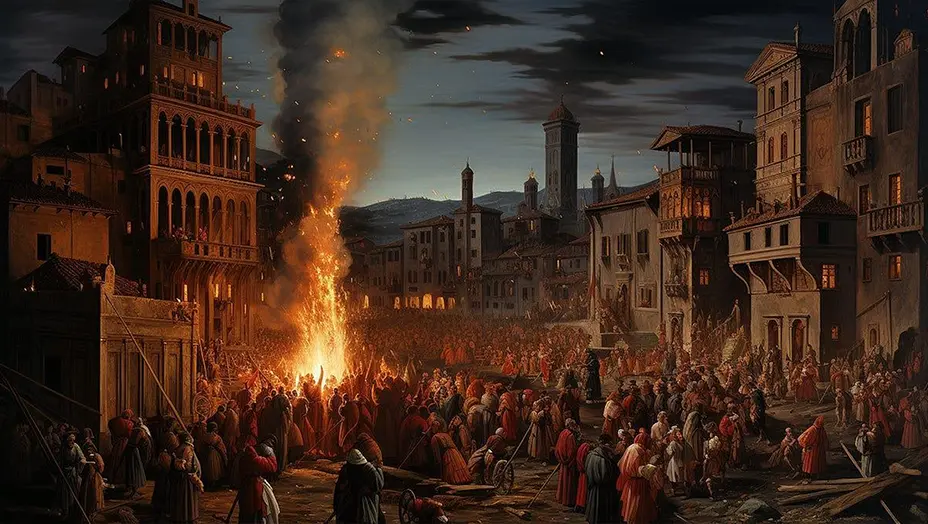
In 1497, Savonarola’s followers gathered to burn objects of luxury—art, books, and adornments—in a dramatic act of moral purification. The fire consumed not only possessions, but the very spirit of Renaissance excess.
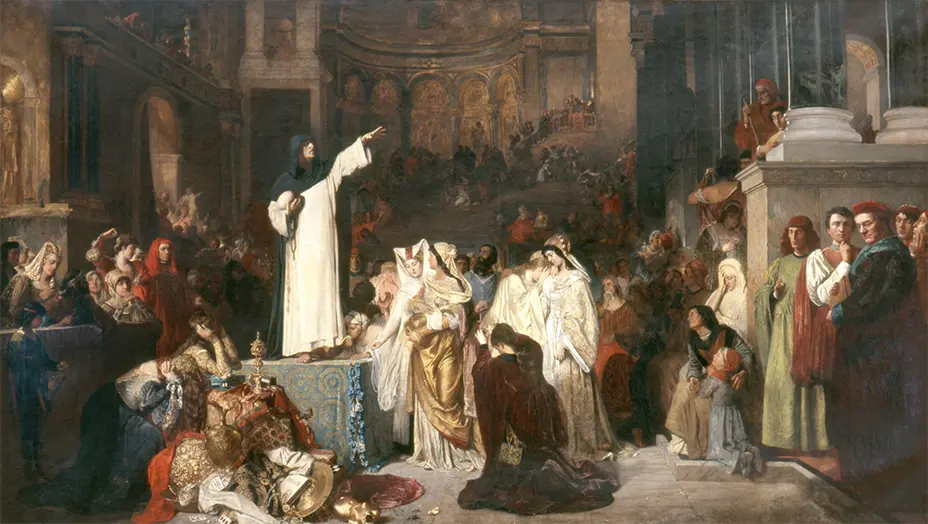
Preaching with fervor and authority, Savonarola reshaped Florence’s cultural landscape. His voice called for repentance and spiritual renewal, casting a long shadow over the artistic freedom that had defined the early Renaissance.