QCEG MAG is a publication covering a selection of news in fashion, beauty, accessories, celebrities, livings arts, sports, travels and relating videos around the world. Our magazine is currently available in English, French, Italian (in development) and Chinese Languages for our international readers & viewers.
Fashion, accessories, beauty and the new meaning of value — why the most desirable shopper this season is also the most discerning
By MeeKar
QCEG MAG | THE MOOD THIS WEEK | 9 NOVEMBER 2026
There is something different about the way consumers approach luxury this year. The beautiful handbag may still invite a second look, the cut of a perfectly tailored coat inspire admiration, or a new fragrance awaken curiosity. A remarkable piece of jewellery, an exceptional pair of shoes or a watch worthy of being treasured for a lifetime may still capture the imagination.
Yet increasingly, admiration does not automatically lead to a purchase.
Price enters the calculation. So does the likely frequency of wear, comparisons with products seen online, the possibility of buying pre-owned, and whether the same money might bring greater pleasure elsewhere.
Sometimes the decision is to wait. Sometimes it is to walk away.
This reflects the changing relationship between consumers and luxury in 2026. The desire for beauty, craftsmanship and individuality remains; expectations of what ownership should deliver have simply grown.
The holiday season makes this particularly visible. Gifts, personal purchases, travel, celebrations and everyday financial commitments all compete for attention. Even when the means to buy something special are available, there is growing consideration of whether it deserves the expenditure.
Luxury has not lost its attraction. It must earn the consumer’s confidence.
DESIRE • VALUE • DISCERNMENT
I. THE PURCHASE BEGINS WITH A QUESTION
When did shoppers begin questioning the price before allowing themselves to fall in love with a product?
For many shoppers, the answer is simple: when the price began to feel increasingly disconnected from the experience.
A luxury label can carry history, reputation and recognition. Yet none of these automatically reveals whether a particular coat is beautifully made, whether a handbag will last, whether shoes will be comfortable or whether a beauty product will deliver on its promise.
The essential question is what the price actually covers.
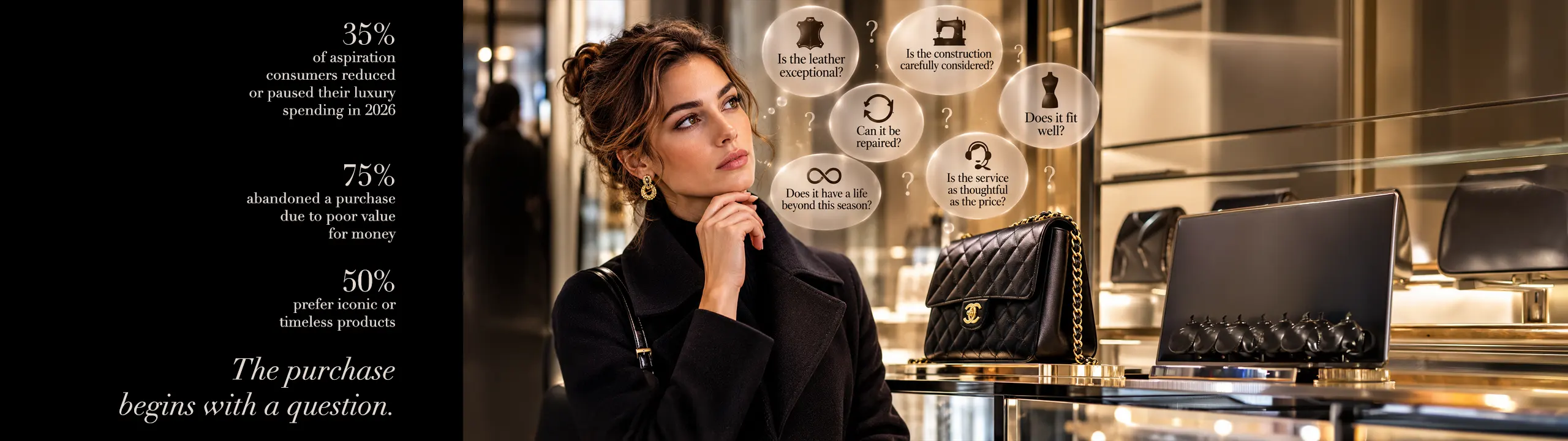
Is the leather exceptional? Is the construction carefully considered? Does the garment fit well? Can the product be repaired? Does the design have a life beyond the current season? Is the service as thoughtful as the price suggests?
These questions are not necessarily evidence of reduced appreciation. They are signs of a more considered approach to buying.
BCG's 2026 research into luxury consumers found that approximately 35% of aspirational consumers had reduced or paused their luxury spending during the previous year. Three-quarters said they had abandoned a purchase because of a negative perception of value for money. Half expressed a preference for iconic or timeless products.
For consumers, this translates into a simple change: desire may remain, but desire alone is no longer enough to trigger a purchase.
The difference between desire and decision has become more significant.
✧ ✦ ✧
II. THE PRICE OF LUXURY — AND WHAT CONSUMERS GET IN RETURN
A high price can be justified. Exceptional craftsmanship, specialist materials, skilled production and thoughtful design all have a cost.
Increasingly, the difference is expected to be visible.
When prices rise, the consumer naturally begins to compare. A handbag is considered against another handbag, but also against a holiday. A designer coat is weighed against several pieces from other labels. A watch may be compared with a pre-owned model, a different maker or another personal priority.
The question is no longer simply whether a purchase is affordable. It is whether the product deserves the expenditure.
BCG's 2026 study found that price increases, diminished perceived value and financial caution were among the main reasons aspirational luxury consumers were reducing or pausing purchases. The pattern appeared across regions, although the reported proportion was higher in China than in Europe and the United States.
This is an important distinction. Consumers are not all facing the same financial circumstances, and not every luxury shopper is retreating. Those with greater financial resources may continue to purchase at the highest end of the market. Others are becoming more selective, delaying purchases or moving towards more accessible categories.
For the individual shopper, the effect is personal. One exceptional purchase may feel preferable to several impulsive ones. A product may be worth waiting for, while the most valued piece may not be the most expensive.
Luxury becomes more meaningful when the price feels proportionate to the pleasure, quality and usefulness it brings.
✧ ✦ ✧
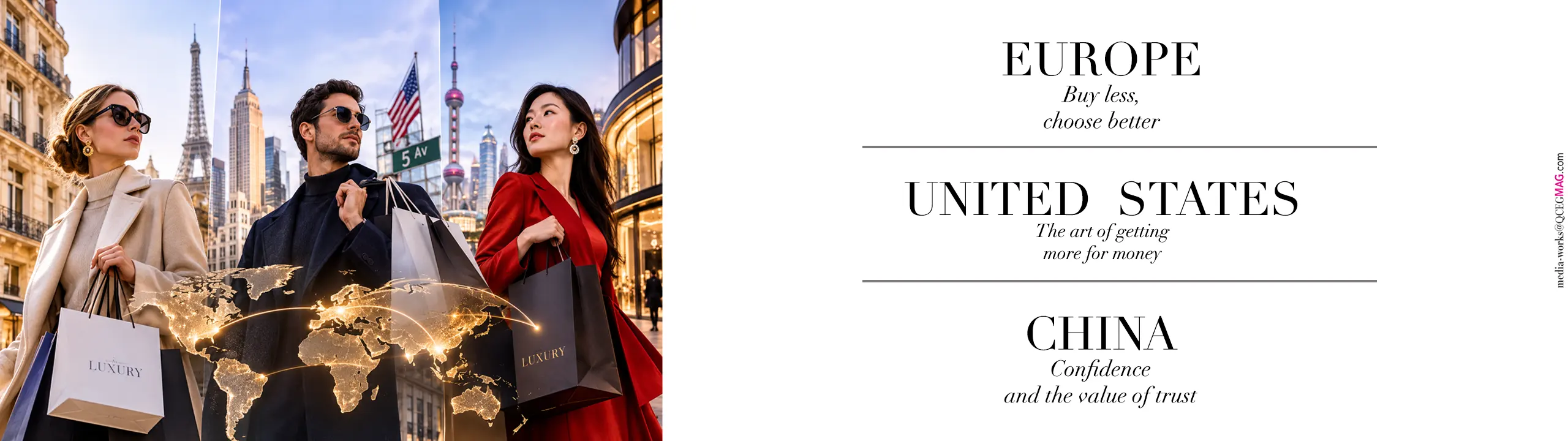
III. WHERE LUXURY SHOPPING MATTERS: EUROPE, THE UNITED STATES AND CHINA
The relationship with luxury is also shaped by geography, lifestyle and shopping culture. The international picture is not uniform.
Europe: buying less, choosing more carefully
In Europe, luxury shopping is closely connected to fashion heritage, craftsmanship and the experience of visiting established boutiques. Yet familiarity with luxury does not mean consumers are immune to financial pressure.
Bain and Altagamma's June 2026 update described Europe and the Middle East as a drag on personal luxury goods performance, with reduced tourist flows weighing on the European market.
The wider retail picture is more varied. Colliers' November 2026 EMEA Retail Snapshot reported weakened consumer confidence, although real retail spending across the region was forecast to grow by an average of 1.8% in 2026. France and the UK were expected to outperform Germany, Spain and Italy.
These figures describe different markets: overall retail spending is not the same as luxury spending. Everyday purchases may continue while a major designer acquisition receives greater scrutiny.
For European consumers, this may mean reassessing the existing wardrobe, choosing pieces that work across several occasions or favouring quality over the excitement of a new-season label.
The pleasure of fashion remains. The justification for buying has become more personal.
United States: the art of making money go further
In the United States, consumers are still planning to spend during the holiday season, but many are approaching luxury and premium purchases with a clear eye on value.
Citi credit-card data reported by Reuters showed US luxury-brand spending falling 6% year on year in September 2026, following declines of 4% in July and August. This is a measure of spending within Citi's tracked card data, rather than a complete picture of every American luxury shopper.
KPMG's September 2026 Consumer Pulse survey offers a more direct view of holiday intentions. Among surveyed US consumers considering luxury and premium purchases, 29% said they would wait for a sale or promotion. Twenty-six per cent intended to buy lower-priced products from luxury or premium brands, including accessories, small leather goods and fragrance. A further 20% planned to switch to a more accessible brand, while 18% expected to buy their usual luxury or premium products at full price.
This is a familiar shopping calculation. A luxury gift may still appeal, but a smaller accessory can feel more appropriate than a major purchase. A promotion, an alternative product or a fragrance may offer the desired pleasure without the cost of a handbag.
There is no single American holiday shopper. Some will continue to spend generously; others will be more deliberate. What connects them is the growing importance of feeling that a purchase is worthwhile.
China: confidence and the value of trust
China remains an important market for luxury, but consumer expectations are evolving.
Bain and Altagamma described the Chinese market as showing signs of gradual recovery in June 2026. That does not mean every consumer has returned to previous spending habits.
For shoppers, the decision still involves confidence in the product, the brand and the experience. Authenticity, quality, service and the feeling of making the right choice matter. Digital discovery also gives consumers more opportunities to research, compare and consider alternatives before purchasing.
A prestigious name may attract attention, but it cannot replace a convincing product. A beautiful campaign may create desire, but the experience of owning the item must sustain it.
The Chinese luxury consumer, like the European or American shopper, is not a single stereotype. Expectations vary by age, income, location and personal taste.
The wider lesson is that trust cannot be assumed. It has to be earned.
✧ ✦ ✧
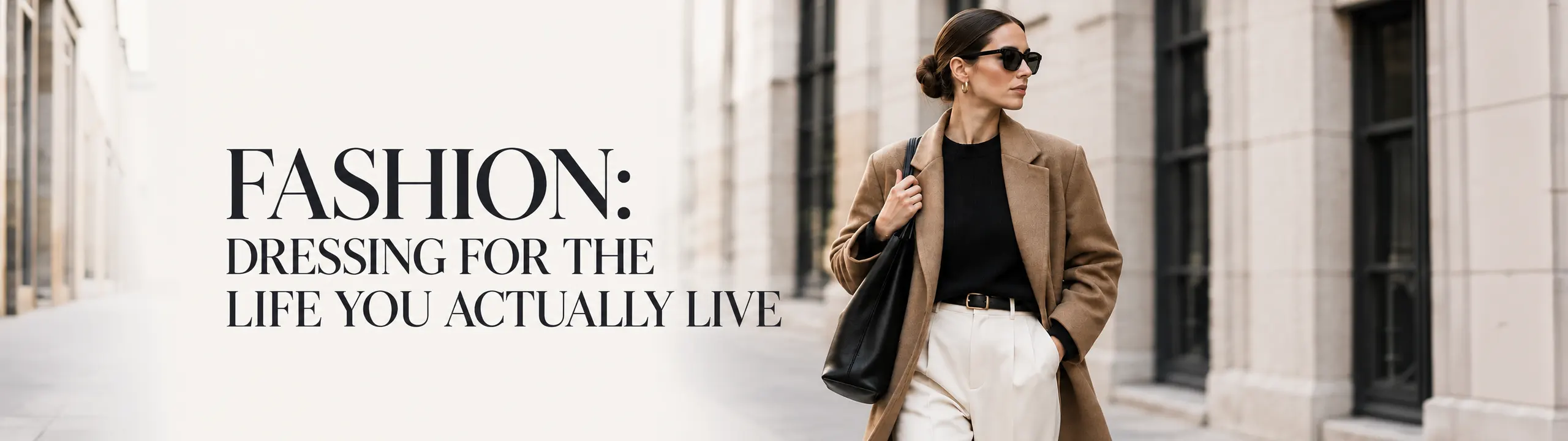
IV. FASHION: DRESSING FOR THE LIFE YOU ACTUALLY LIVE
Fashion is often presented through the excitement of the new: a collection, a campaign, a runway moment or a change in creative direction.
Yet clothing purchases are not purchases of runway imagery. Each piece must work within the reality of an individual life.
A beautifully photographed jacket may be desirable, but will it fit comfortably? Will it work with an existing wardrobe? Is it suitable for work, weekends or travel? Does it reflect personal style, or merely the excitement surrounding a collection?
These questions become more important when fashion prices are high.
Creative changes at major houses can make the season exciting. A new designer may introduce a fresh perspective, renew interest in a familiar label or offer a different interpretation of its identity. But consumers also want continuity. The aesthetic that first made a brand appealing should not necessarily be lost in the pursuit of change.
The most satisfying wardrobe is rarely built in one season. It develops over time, through pieces that work together and continue to feel relevant.
This does not mean dressing without imagination or avoiding trends. It means distinguishing between something admired from a distance and something genuinely suited to everyday life.
A garment earns its place when it is worn again and again.
✧ ✦ ✧
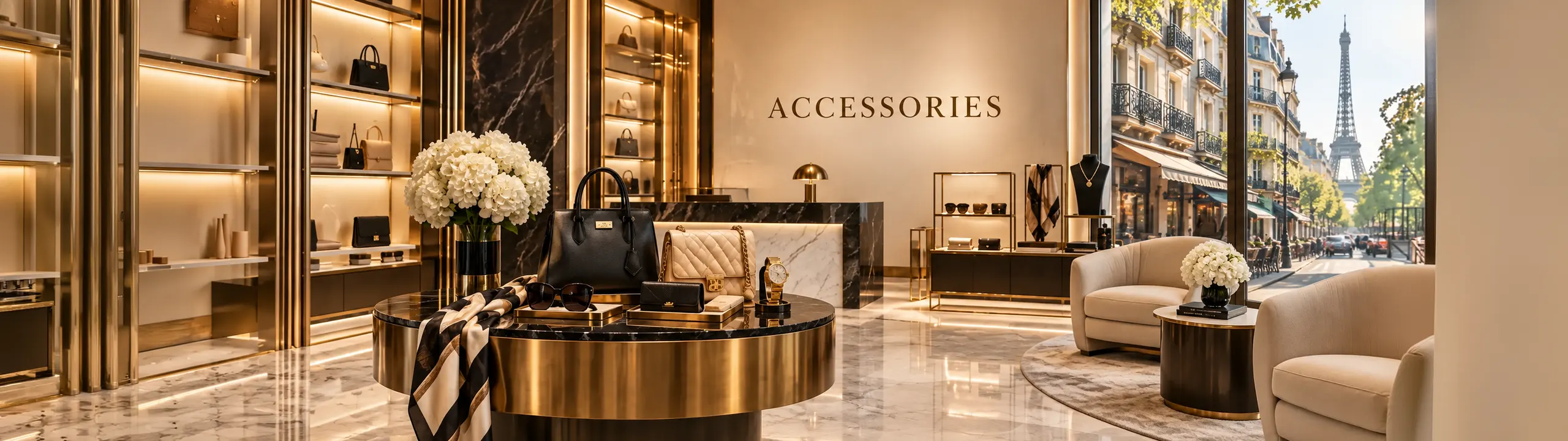
V. ACCESSORIES: MAKING LUXURY PERSONAL
Accessories often sit at the centre of the consumer relationship with luxury.
A handbag, pair of shoes, belt, silk scarf or pair of sunglasses can change the character of an outfit. A carefully chosen piece of fashion jewellery can become a personal signature. Small leather goods and accessories may also offer a more accessible way to experience a fashion house.
This helps explain why accessories matter so much in a year when consumers are reconsidering larger purchases.
KPMG's 2026 US holiday survey found that 26% of respondents considering luxury or premium products planned to choose lower-priced items from those brands, with accessories, small leather goods and fragrance among the examples given.
For the shopper, this is not simply trading down. It can be a deliberate decision to choose the item that offers the most personal pleasure within a comfortable budget.
But accessories still need to justify their price.
A handbag should be practical as well as beautiful. Shoes should feel as good as they look. Sunglasses should suit the person wearing them. A belt or scarf should be versatile enough to become part of a wardrobe rather than an impulse purchase forgotten after a few weeks.
The second life of an accessory also deserves consideration. Can it be repaired? Is it made well enough to last? Could it be resold or passed on? Would a pre-owned version offer the same pleasure?
The most desirable accessory is not necessarily the one everyone recognises. It may be the one that feels most personal.
✧ ✦ ✧
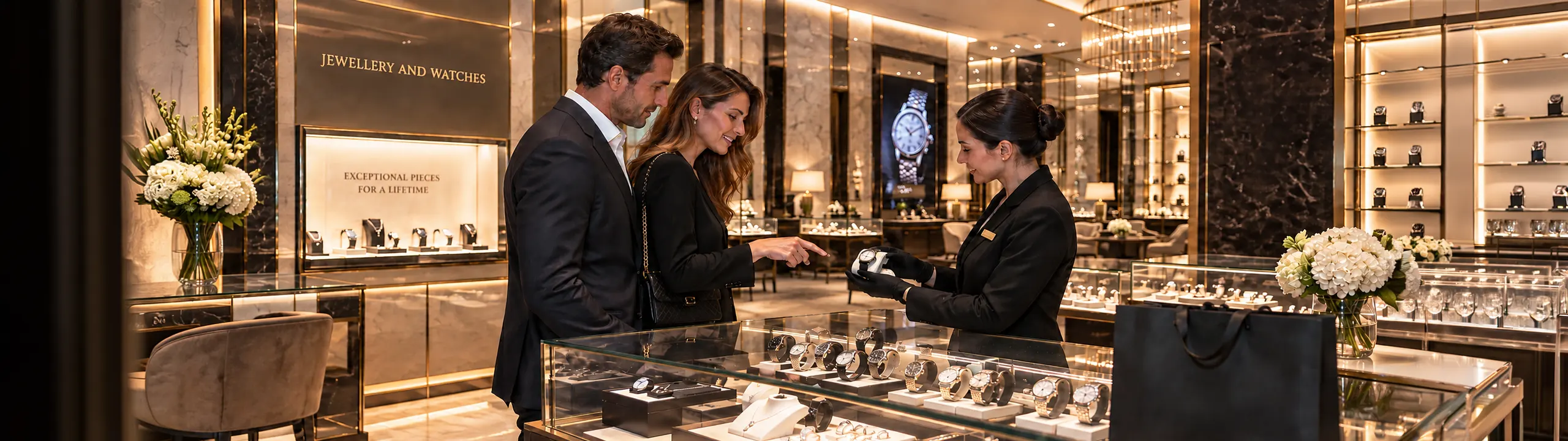
VI. JEWELLERY AND WATCHES: BUYING SOMETHING TO KEEP
Jewellery and watches occupy a different emotional space from many fashion purchases.
A ring may mark a relationship or personal achievement. A necklace may be a gift that carries a memory. A watch may be chosen for its design, engineering or the pleasure of owning something made with exceptional care.
These purchases can be deeply personal, and their value is not always measured by resale price.
Still, consumers are becoming more attentive to what lies behind the object. Materials, provenance, workmanship, certification, servicing and authenticity can all influence confidence.
For a watch, the movement, condition and service history may matter as much as the name on the dial. For jewellery, the quality of the materials and the reliability of the seller are essential considerations.
The pre-owned market also creates opportunities to discover discontinued designs, vintage pieces and models that may no longer be available new.
But a purchase should never be treated as an investment simply because it carries a luxury label. Future resale prices are uncertain, and value depends on the specific piece, its condition, authenticity and market demand.
Sometimes the best reason to buy jewellery or a watch is simple affection for an object expected to bring pleasure for many years.
✧ ✦ ✧
VII. RESALE: WHY NEW IS NO LONGER THE ONLY OPTION
There was a time when buying luxury meant buying new. Today, consumers have more ways to discover the pieces they desire.
Pre-owned fashion, vintage handbags, second-hand watches and authenticated jewellery have become part of the wider luxury shopping landscape. For some consumers, resale makes a desired product more attainable. For others, it offers access to discontinued designs, distinctive pieces or fashion with a history.
Resale also offers another way to assess a new purchase. Before buying a handbag, shoppers can examine previous versions, compare condition and prices, and decide whether the latest model offers enough additional value.
The RealReal's 2026 Resale Report recorded a 432% increase in vintage demand on its own platform since 2020. This is a platform-specific figure, not a measurement of the entire resale market, but it demonstrates how strongly interest in vintage has grown among its customers.
EY's 2026 Luxury Client Index found that 62% of surveyed aspirational luxury clients were willing to buy certified pre-owned products directly from luxury brands. Forty-six per cent said an official brand offering of authenticated pre-owned products would increase their likelihood of purchasing from that brand. Among Gen Z respondents, the figure was 53%.
For consumers, trust is central. Authentication, condition, clear descriptions, reliable delivery and after-sales support can make the difference between a confident purchase and an unnecessary risk.
Resale is also changing perceptions of ownership. A piece does not have to lose its appeal when it leaves its first owner. It can become part of someone else's wardrobe, collection or story.
Buying pre-owned does not mean giving up on luxury. It means having another way to enjoy it.
✧ ✦ ✧
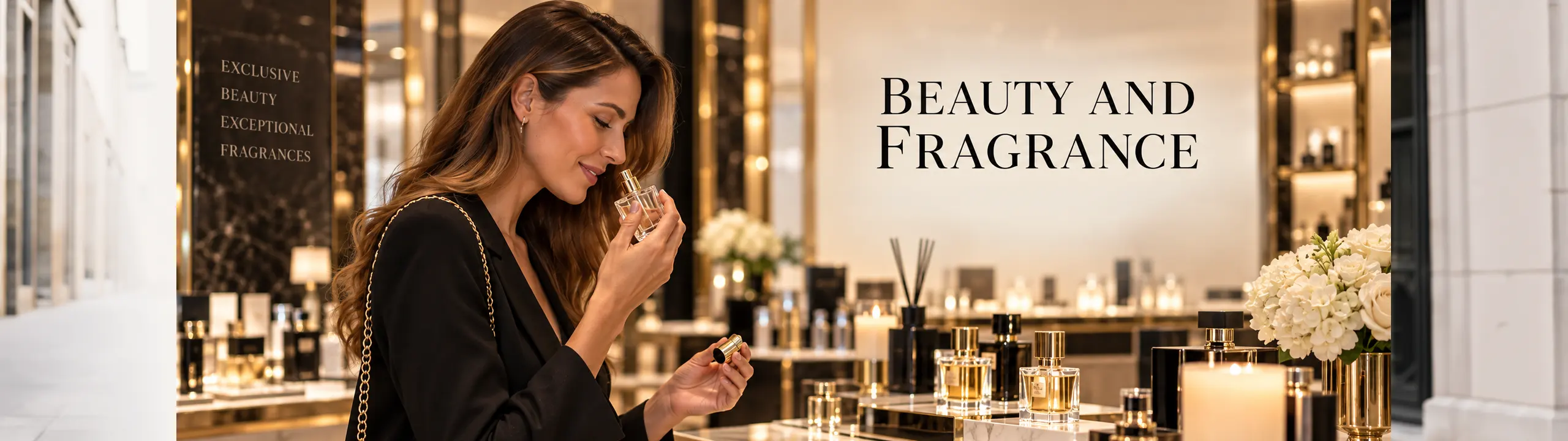
VIII. BEAUTY AND FRAGRANCE: SMALLER RITUALS, PERSONAL PLEASURE
Beauty has a particular place in the luxury conversation because it is so closely connected to everyday life.
A fragrance can become part of a personal signature. Skincare can turn an ordinary morning into a personal ritual. A lipstick, make-up palette or carefully chosen beauty gift can bring pleasure without requiring the commitment of a major fashion purchase.
For many consumers, beauty offers an accessible way to enjoy a luxury brand. Performance, however, remains essential.
Ingredients, textures, formulations, fragrance longevity, packaging and price all enter the comparison. Reviews and recommendations help inform the decision. A beautiful bottle may attract attention, but the contents must deliver genuine pleasure.
This is particularly important with fragrance. A familiar name may encourage exploration, but the final decision remains personal. The fragrance must feel right on the skin and suit the wearer’s preferred expression.
The same applies to skincare and make-up. A product earns its place through quality, suitability and the experience of using it — not simply through the prestige of its packaging.
In a season filled with gifts, beauty can be a thoughtful choice precisely because it feels personal.
✧ ✦ ✧
IX. EXPERIENCES: WHAT IF THE PREFERENCE IS TO REMEMBER RATHER THAN OWN?
Luxury is not always something that comes home in a shopping bag.
A memorable journey, a special dinner, a cultural experience, a restorative stay or an invitation to something genuinely distinctive can offer a different kind of pleasure.
Consumers are increasingly weighing experiences against physical purchases. Would another accessory bring greater happiness, or would a weekend away remain memorable for longer? Is a new watch preferable to a special occasion shared with someone important?
There is no universal answer. Some people value beautiful objects; others place greater importance on experiences. Many seek a balance of both.
EY's 2026 Luxury Client Index found that 73% of surveyed aspirational luxury clients were willing to pay for access to exclusive luxury events. The research also found that 75% were more likely to repurchase from a brand offering complimentary experiences.
For the consumer, the distinction is between an experience that feels meaningful and one that simply looks exclusive in an invitation.
A private appointment that offers genuine attention, an opportunity to understand craftsmanship or access to an event that feels thoughtfully curated can create a lasting impression.
But an event is not automatically valuable because it is expensive or difficult to access. It must offer something worthy of the time invested.
Sometimes the greatest luxury is an experience that feels thoughtfully designed around the individual.
✧ ✦ ✧
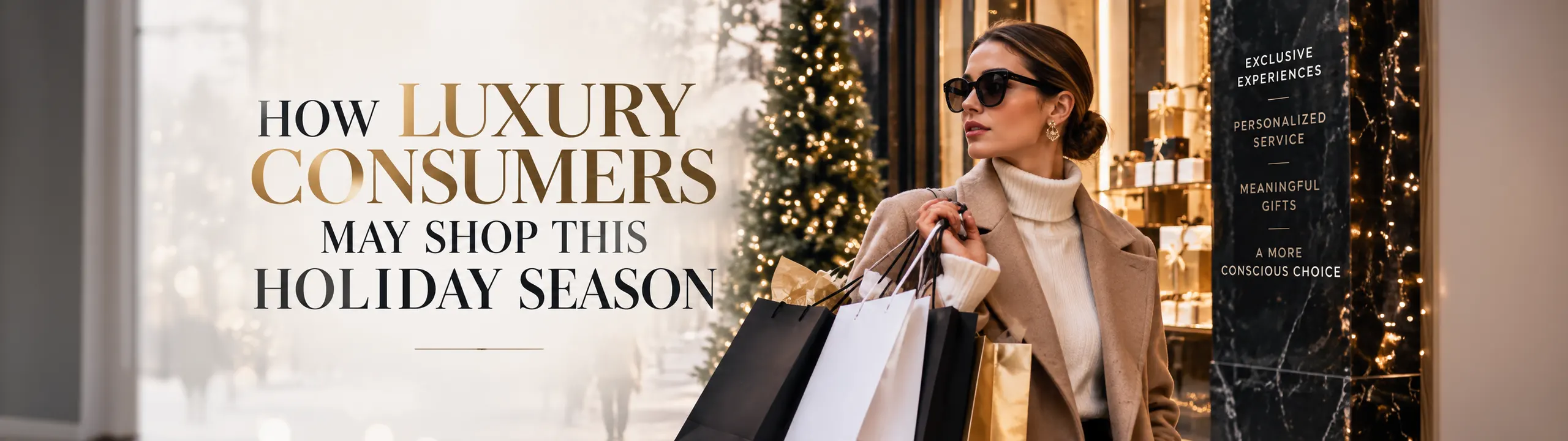
X. HOW LUXURY CONSUMERS MAY SHOP THIS HOLIDAY SEASON
There is no single formula for making good purchasing decisions. Budgets, tastes, priorities and circumstances differ.
Yet the approach to luxury is becoming more intentional.
Research may come before purchase, alongside price comparisons, promotions and a willingness to wait. Some shoppers may choose an accessory instead of a major fashion purchase, a pre-owned handbag instead of a new one, or a beautiful fragrance rather than an item with little lasting appeal.
Others may choose to spend more on one exceptional item because it answers a long-standing desire.
The wider holiday-shopping evidence supports this more varied picture. KPMG's 2026 US survey found that 57% of respondents planned to shop for themselves during the holiday season. Average planned self-gifting expenditure was $354, up 18% from the previous year. At the same time, the survey found that consumers were using digital tools to compare prices and find savings.
There is no contradiction here: careful spending and the desire for an occasional treat can coexist.
Before making a purchase, it may be worth asking:
Do I genuinely love it? Or am I responding to a campaign, a trend or the pressure to own something recognisable?
Will I use it? Does it suit my wardrobe, lifestyle and everyday needs?
Is the quality convincing? Do the materials, construction and finish justify the price?
Have I considered alternatives? Would a different model, brand or pre-owned version offer better value?
Will I still appreciate it later? Does it feel like something I will want to keep?
Does it fit my priorities? Am I comfortable with what I am choosing not to spend the money on?
These are not rules against indulgence. They are ways of making indulgence more satisfying.
✧ ✦ ✧
THE QCEG TAKE: THE LUXURY OF CHOOSING WELL
Perhaps the most important change in luxury is not happening inside boutiques, on runways or in advertising campaigns. It is emerging through individual purchasing decisions.
Consumers are recognising that wanting something and needing to own it are different things. A smaller purchase can bring as much pleasure as a major one. Pre-owned pieces, closer scrutiny of prices and greater attention to craftsmanship are becoming part of the decision-making process. Experiences, memories and priorities beyond shopping are also receiving more consideration.
This does not diminish interest in luxury. It makes the relationship with it more personal.
A handbag carried every day, a coat kept for years, a signature fragrance, a watch intended to be passed on or a vintage piece with unmistakable character — each can represent a different understanding of value.
The most intelligent purchase is not necessarily the cheapest, the rarest or the most recognisable. It is the one that continues to feel right after the excitement of buying has passed.
For brands, the challenge is to offer something worthy of consumer confidence. For shoppers, the opportunity lies in choosing freely, without feeling that every desire must become a purchase.
This holiday season, perhaps luxury is not about owning more.
It is about knowing what is worth choosing — and enjoying it more fully.
THE MOOD THIS WEEK — THE INTELLIGENT LUXURY HOLIDAY CONSUMER