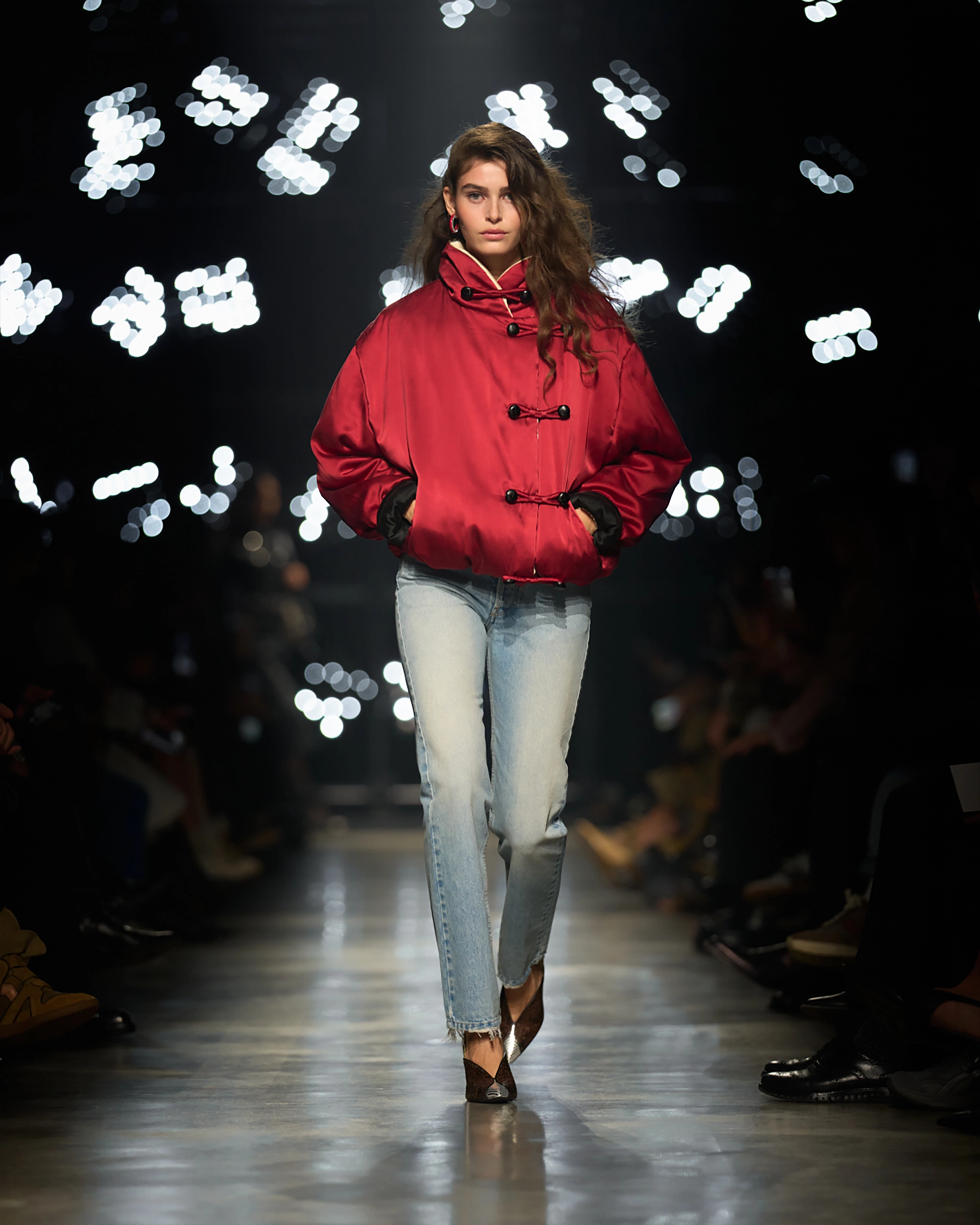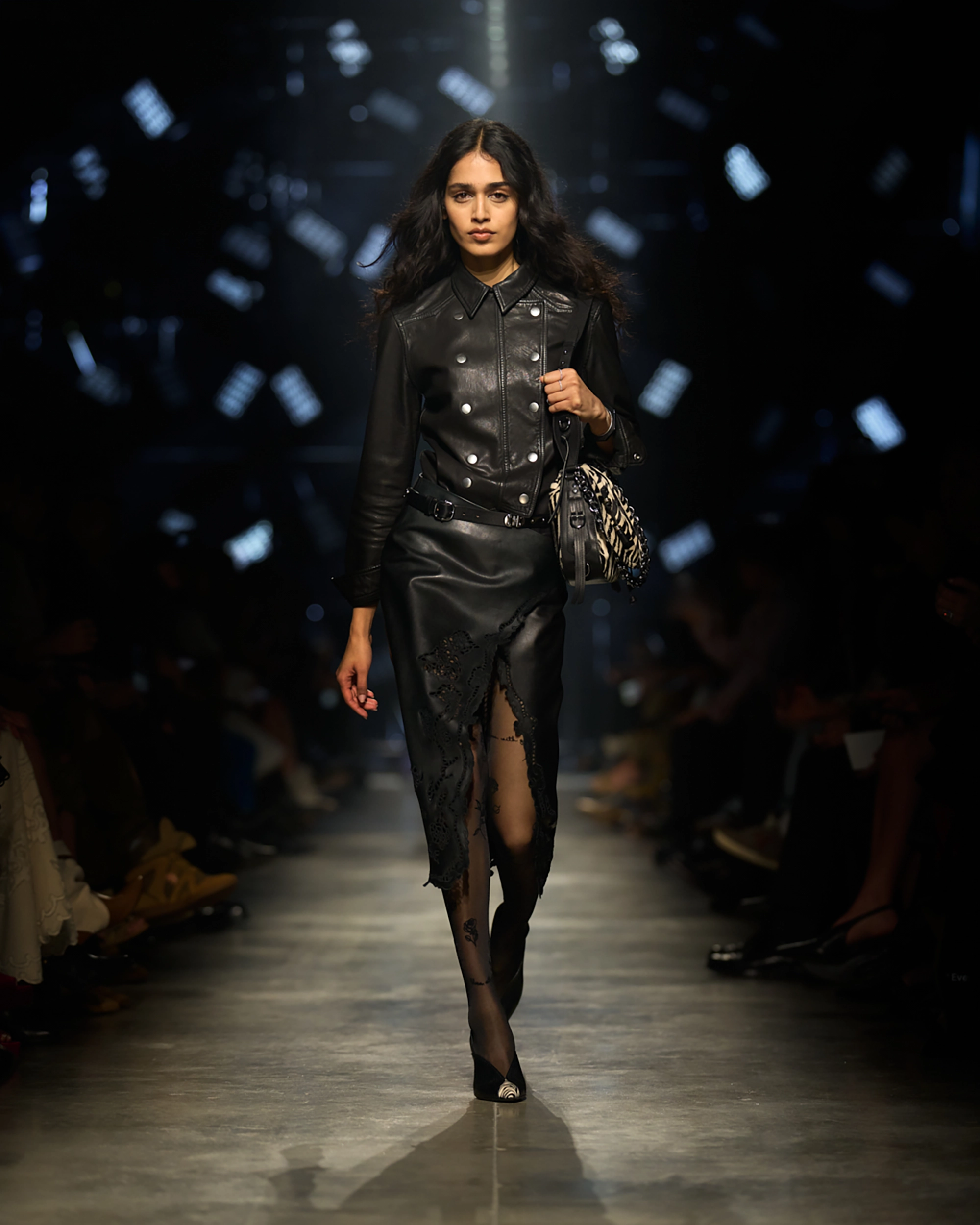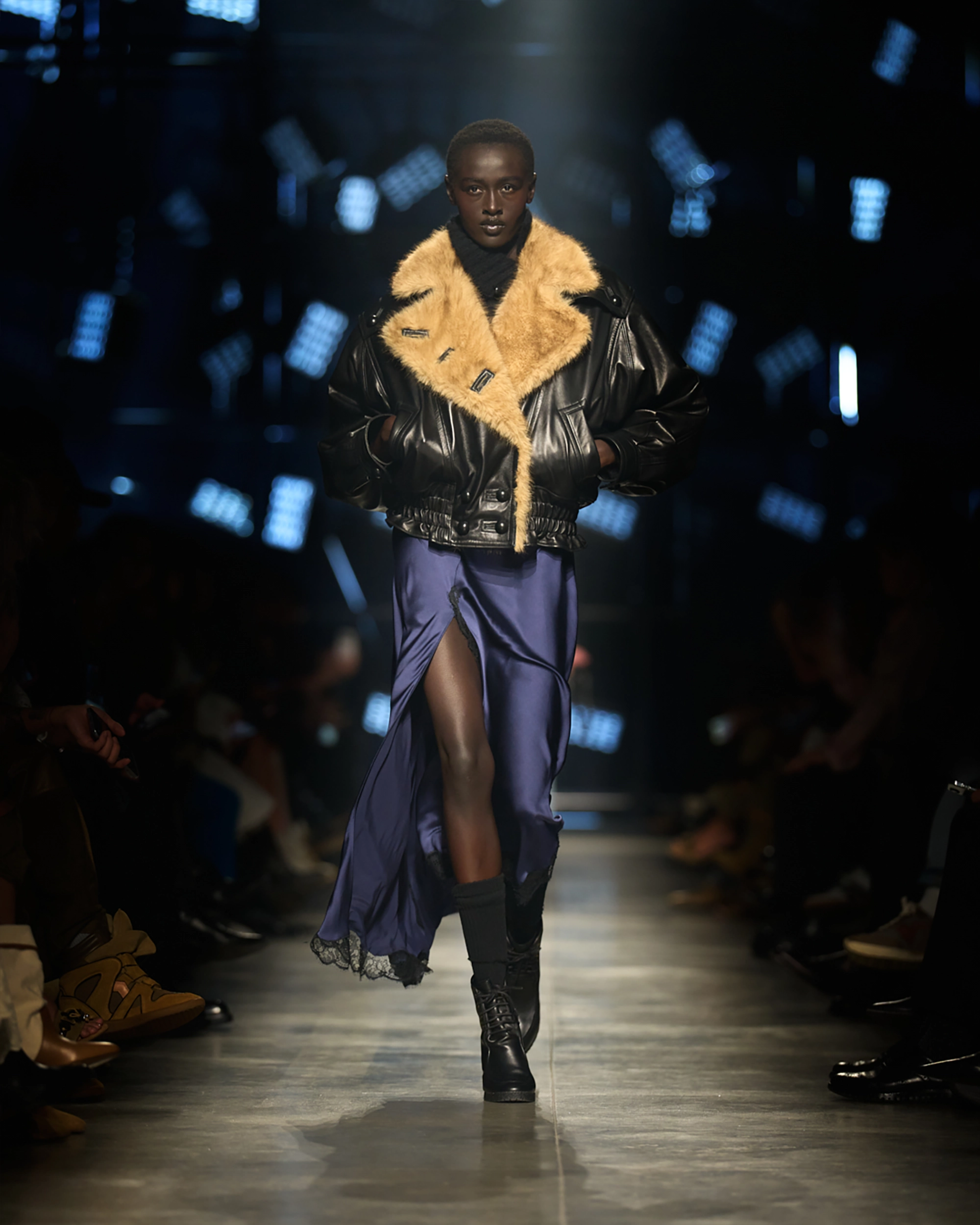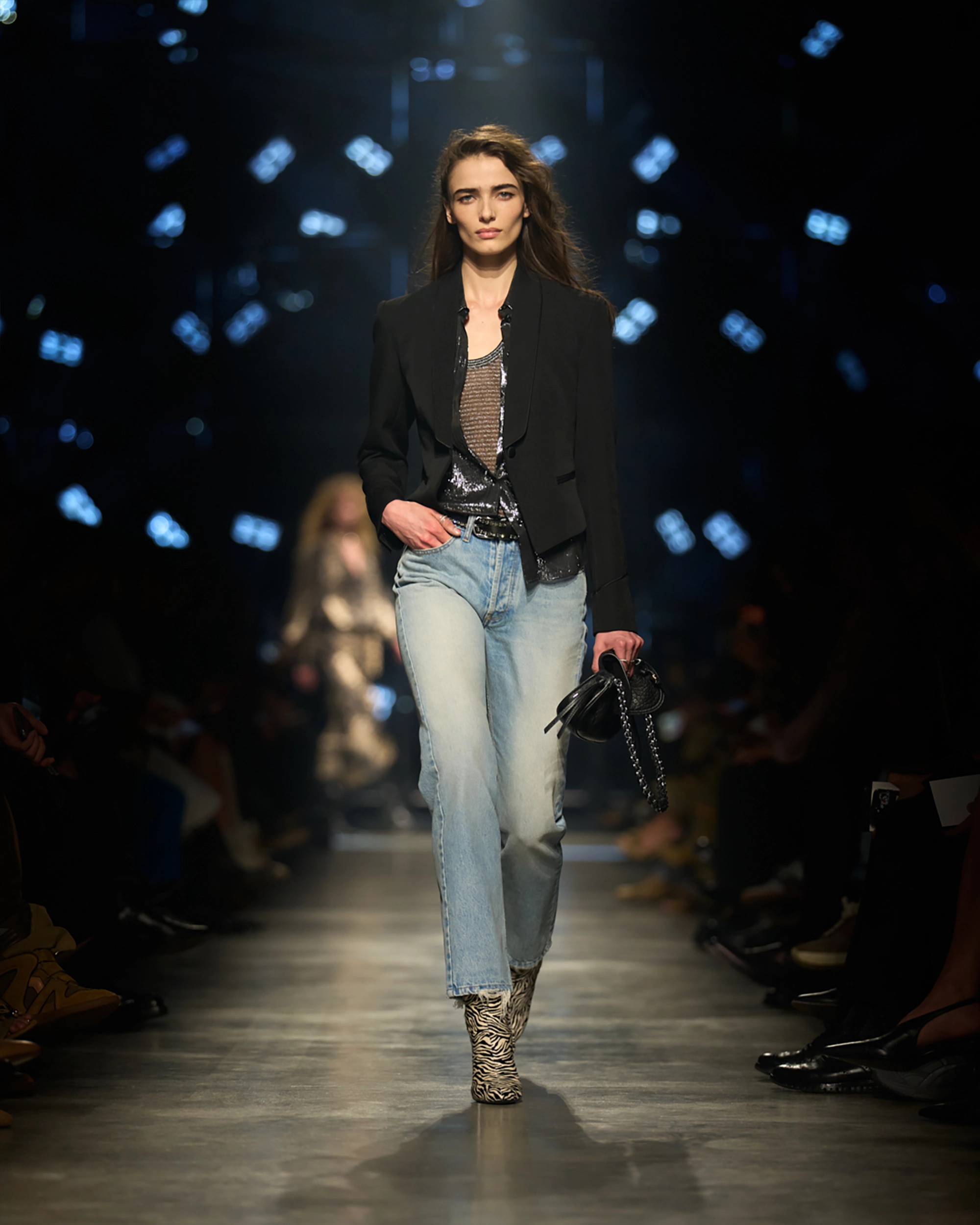










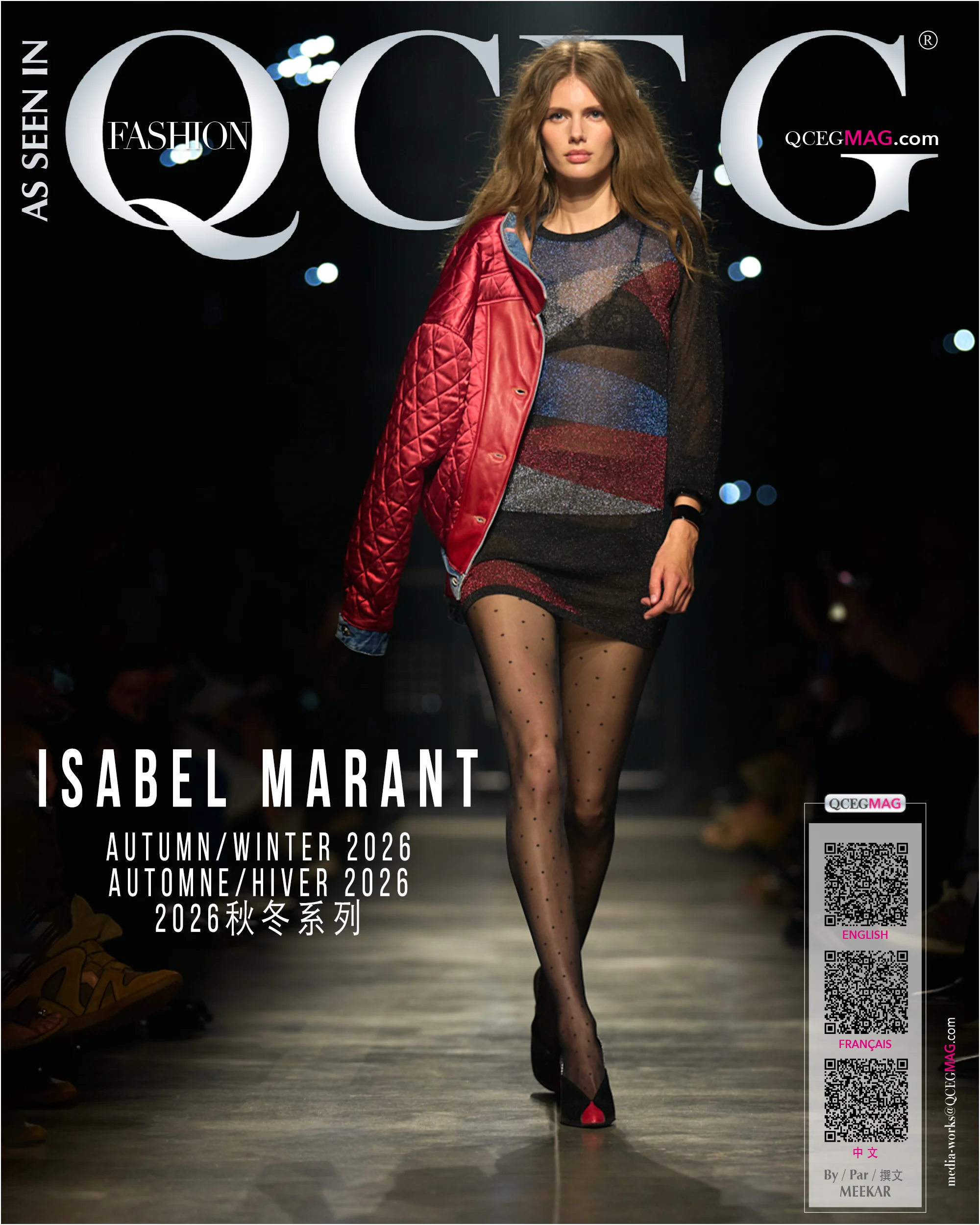

ISABEL MARANT AUTUMN/WINTER 2026 A PARISIAN SHOW OF STRENGTH AND SENSUALITY
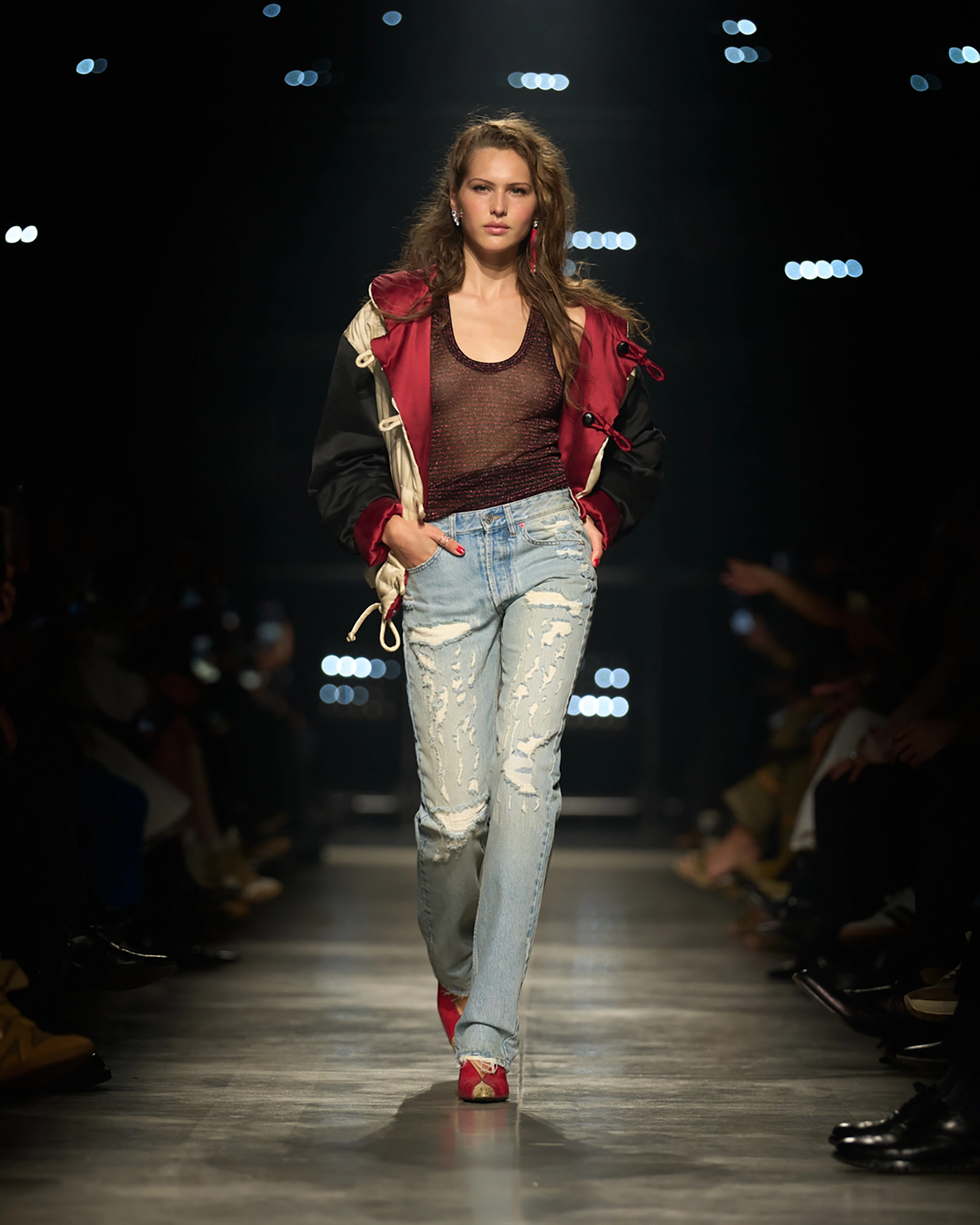
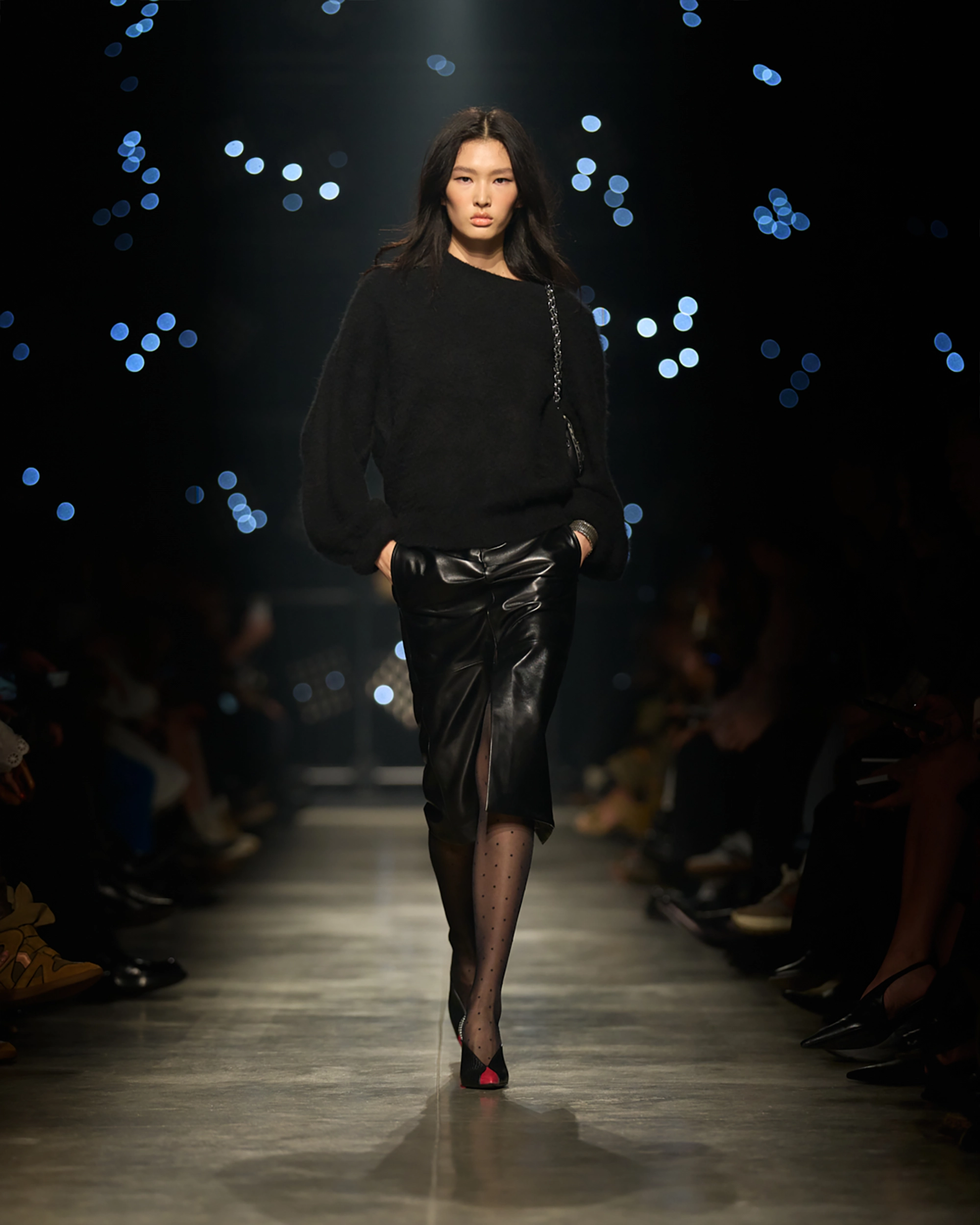
Isabel Marant’s Autumn/Winter 2026 presentation unfolded as a study in controlled momentum. The runway environment was deliberately pared black, allowing silhouette, texture and movement to define the narrative. Lighting remained low and directional, creating pockets of shadow that models moved through with quiet assurance. This spatial minimalism reinforced the collection’s central theme — a modern Parisian navigating the tension between strength and sensuality.
The show progressed with a measured cadence. A subdued, rhythmic soundtrack underscored the sound of footsteps striking the runway, transforming each walk into a statement of intent. Marant’s vision was not theatrical in a conventional sense; instead, it was immersive. The audience experienced the collection as a sequence of lived moments — fragments of night, encounters, departures and returns.
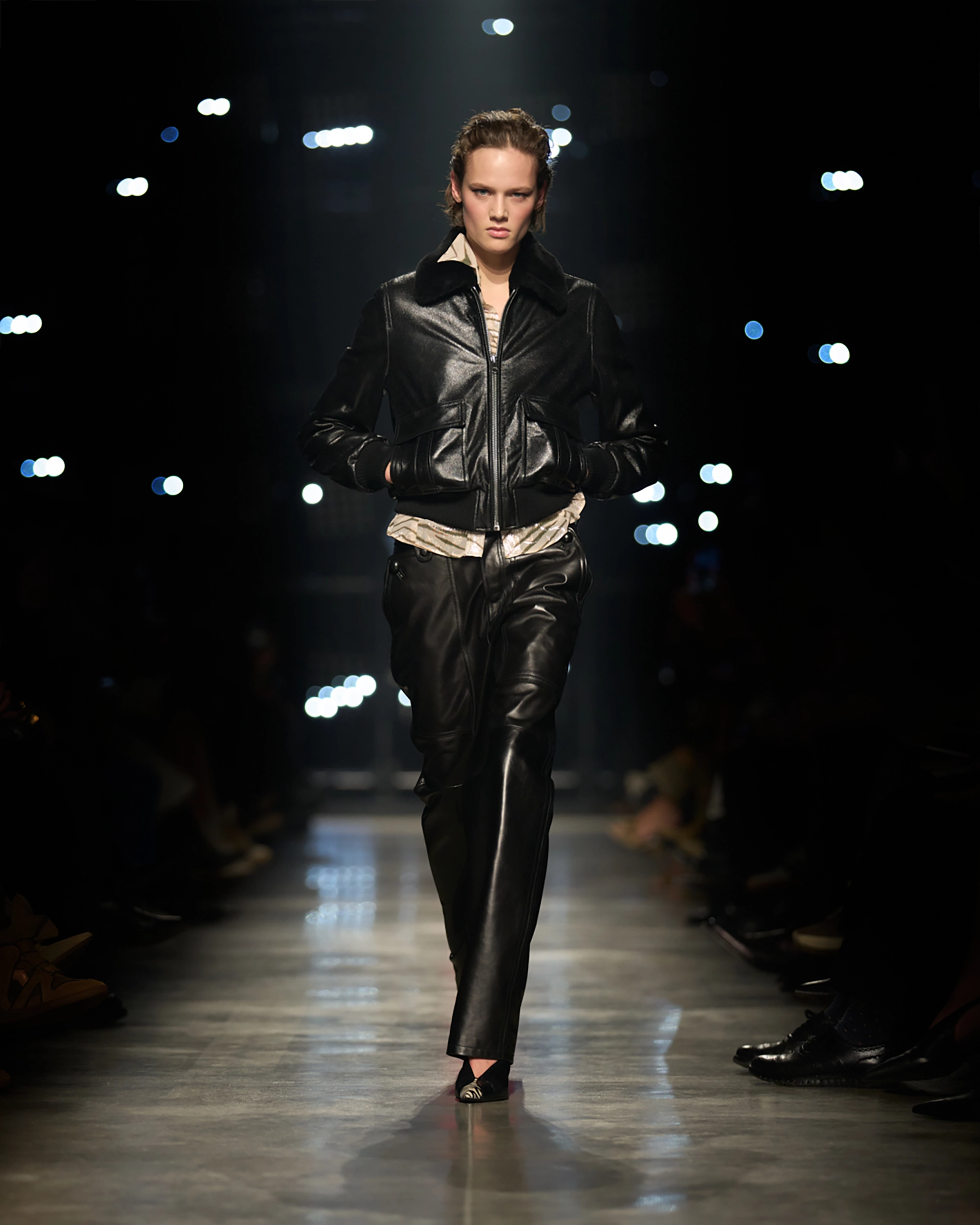
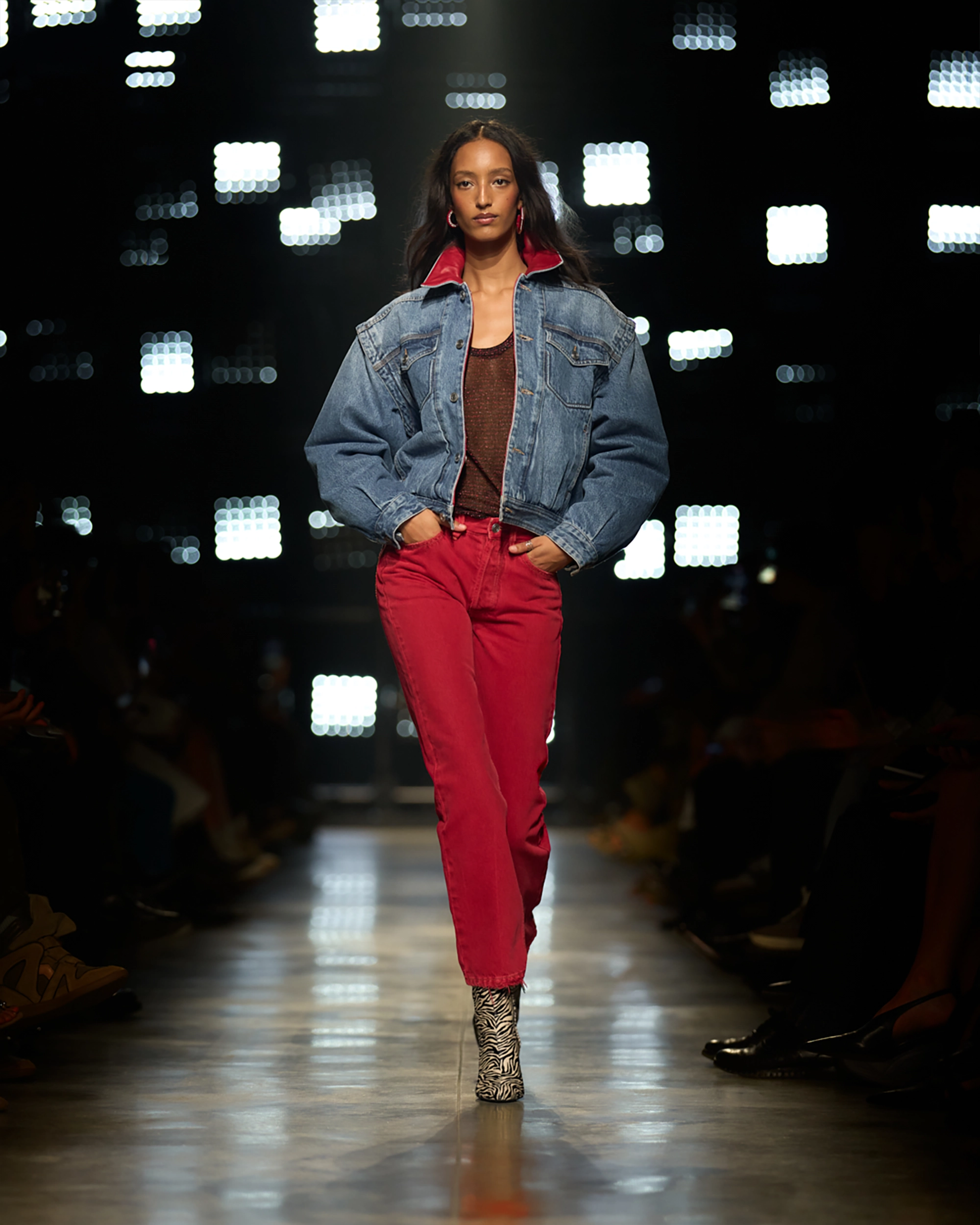
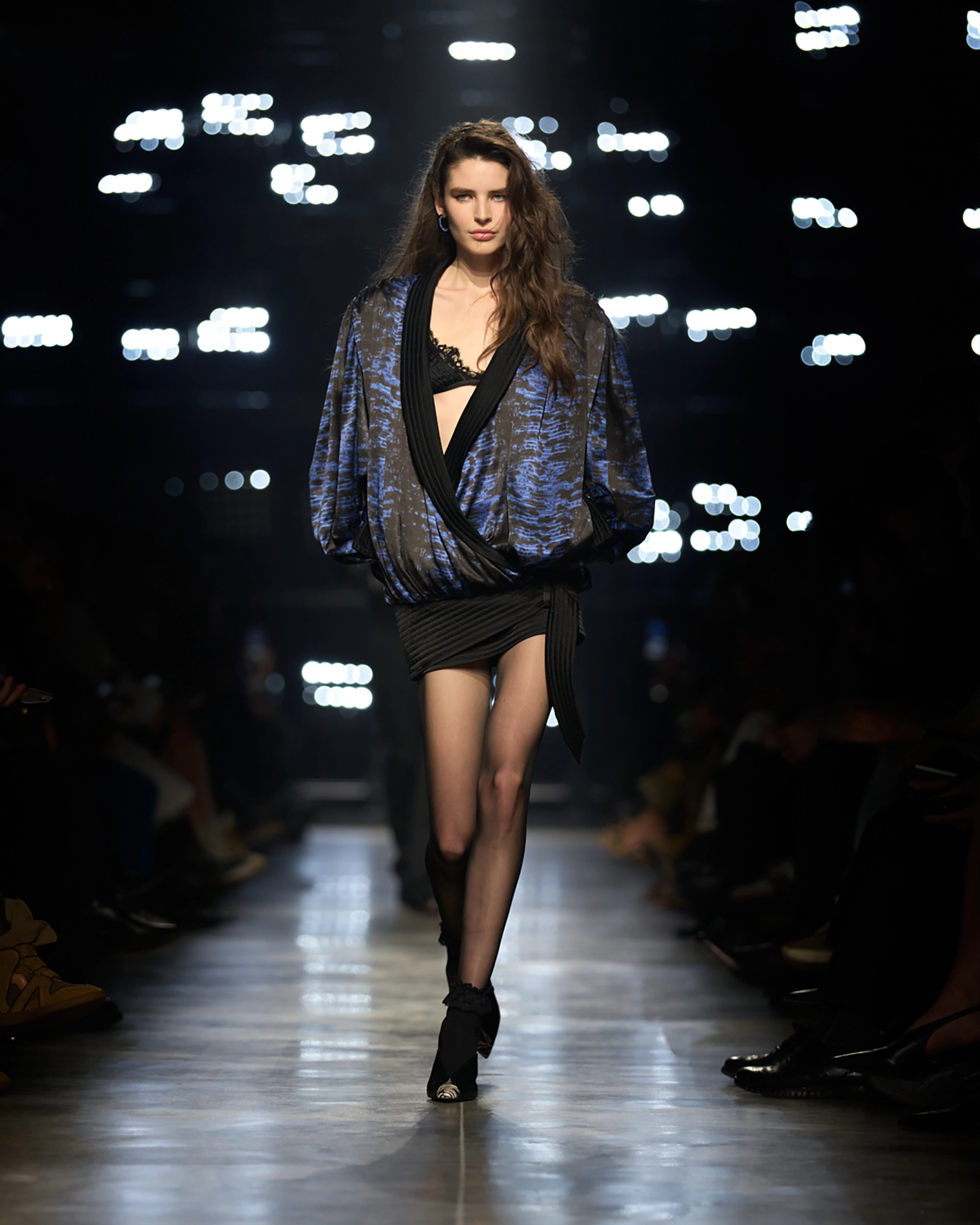
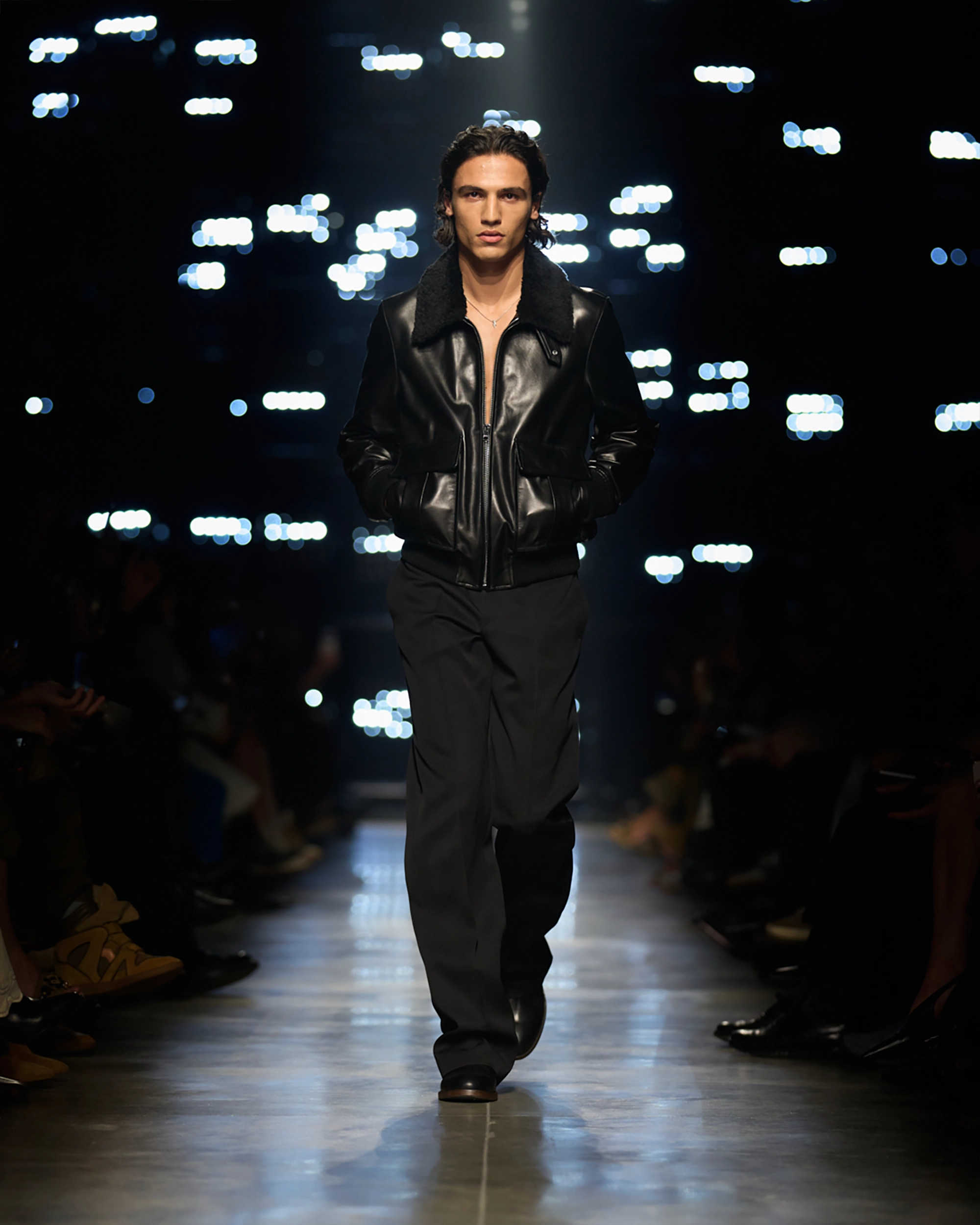
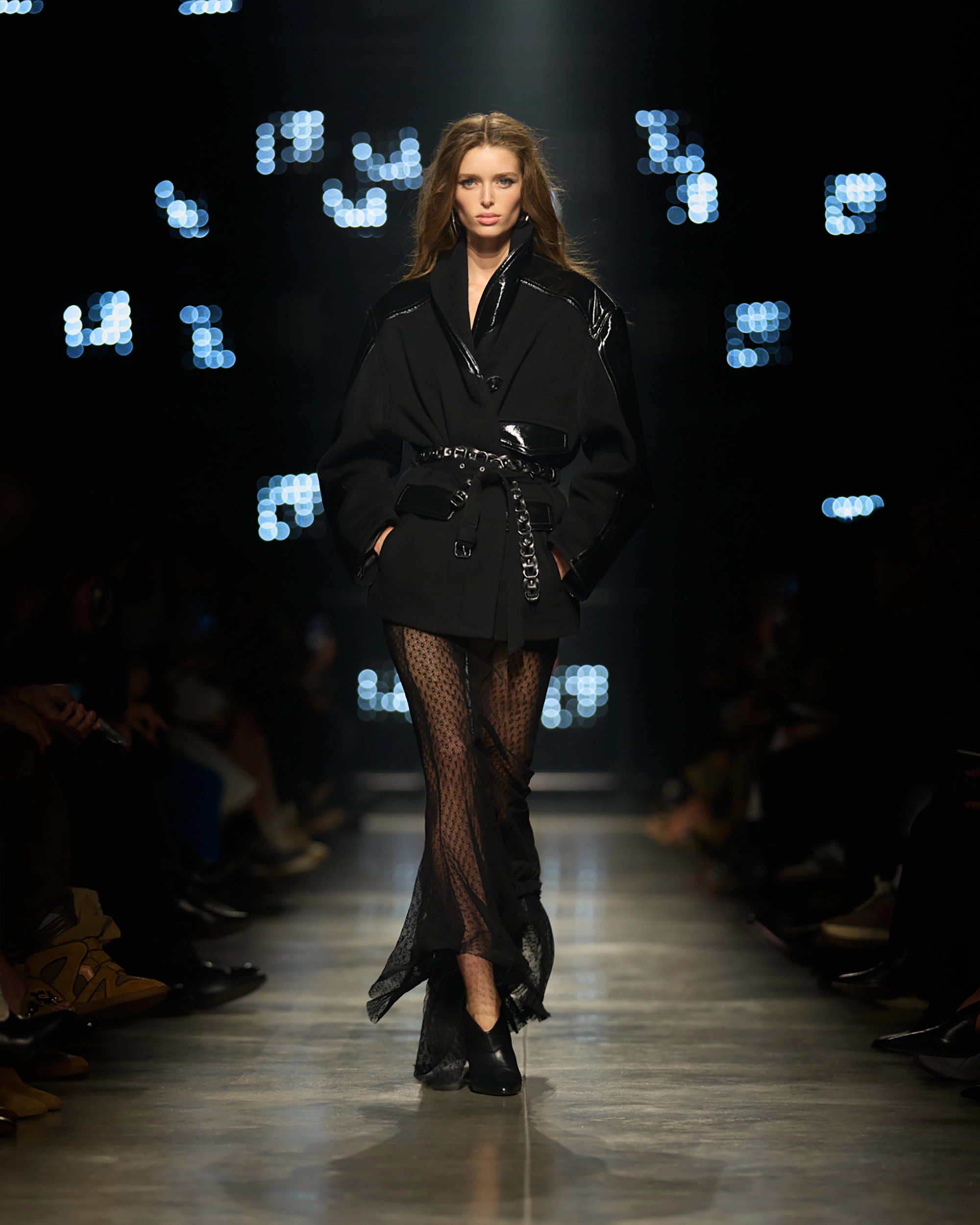
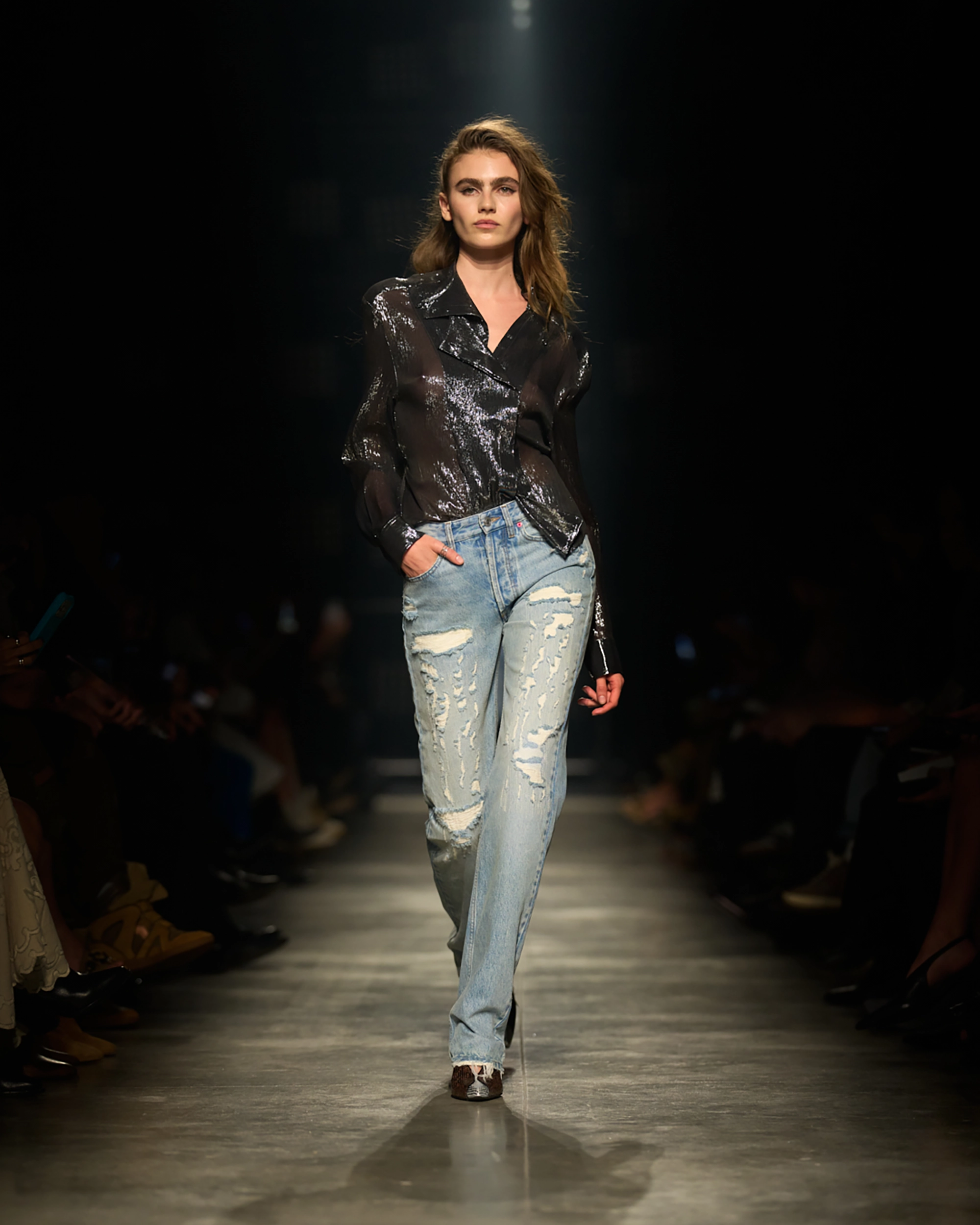
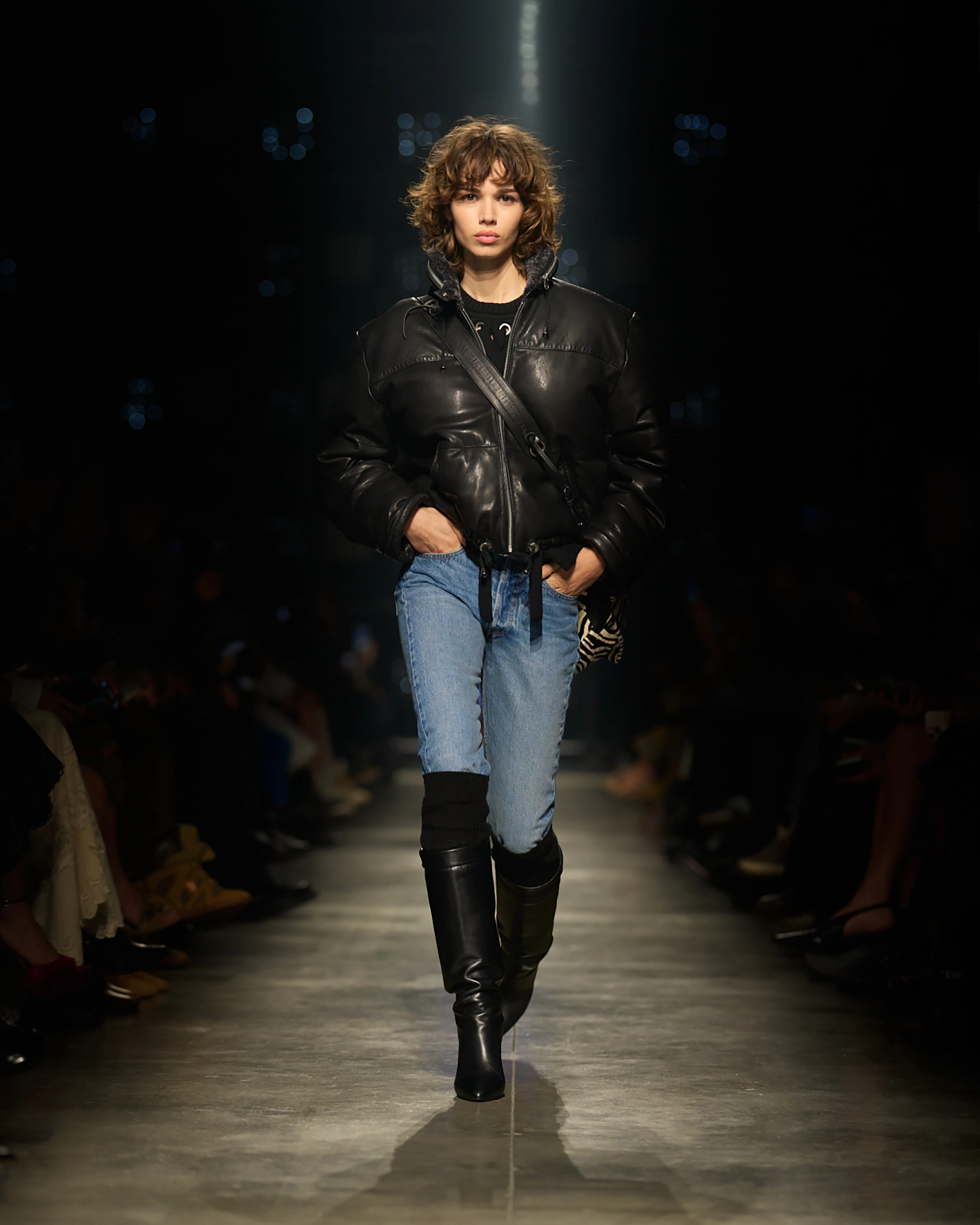
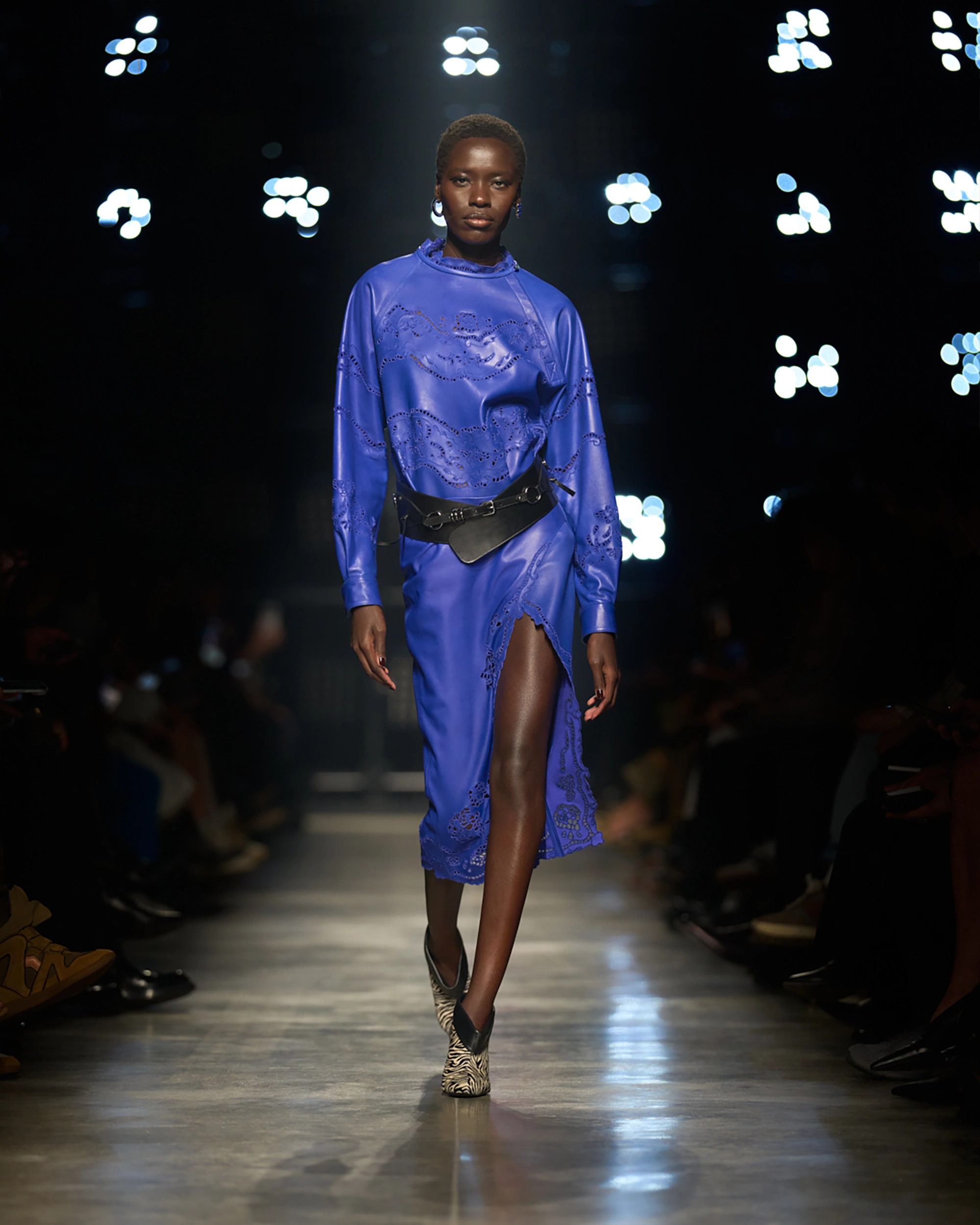
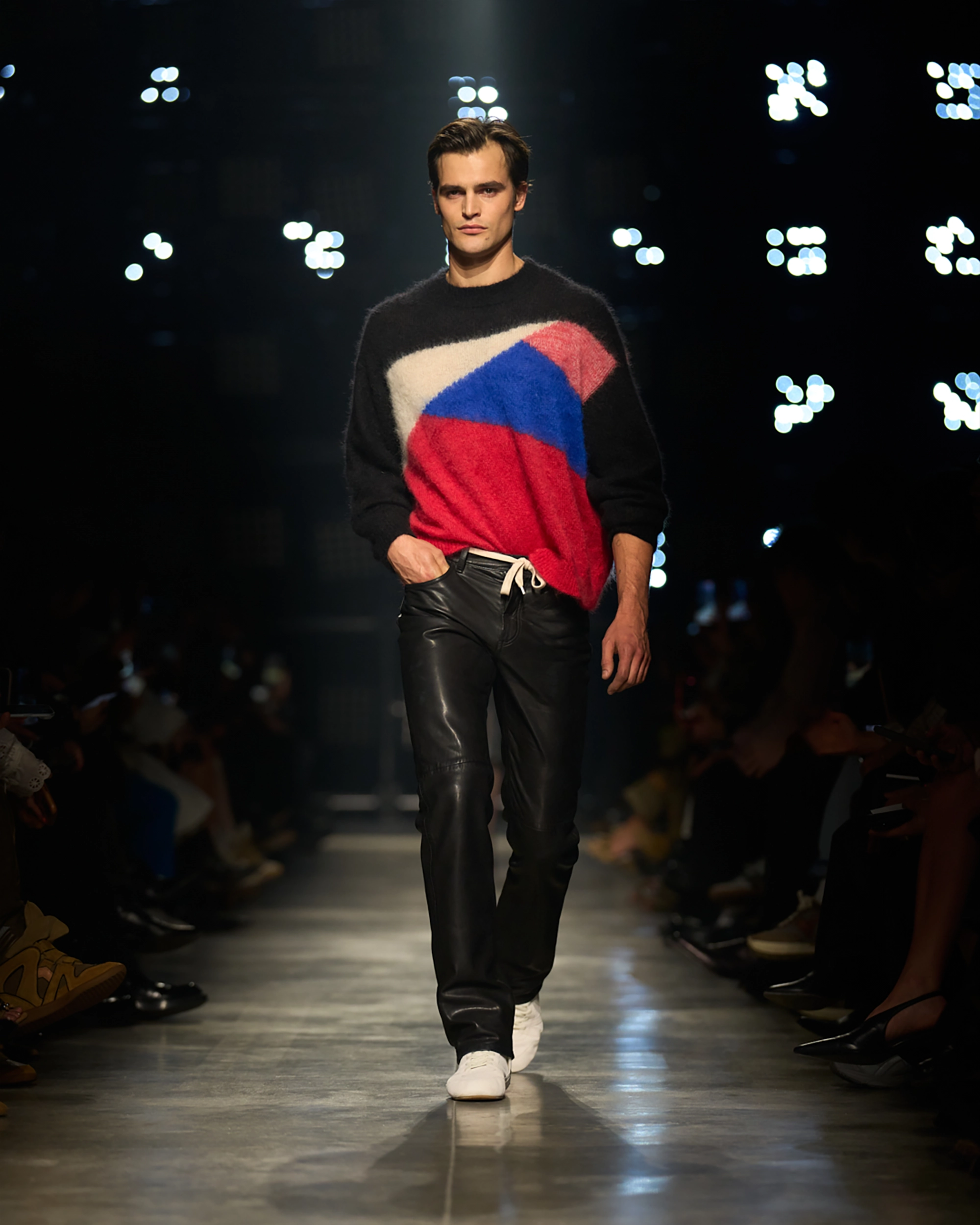
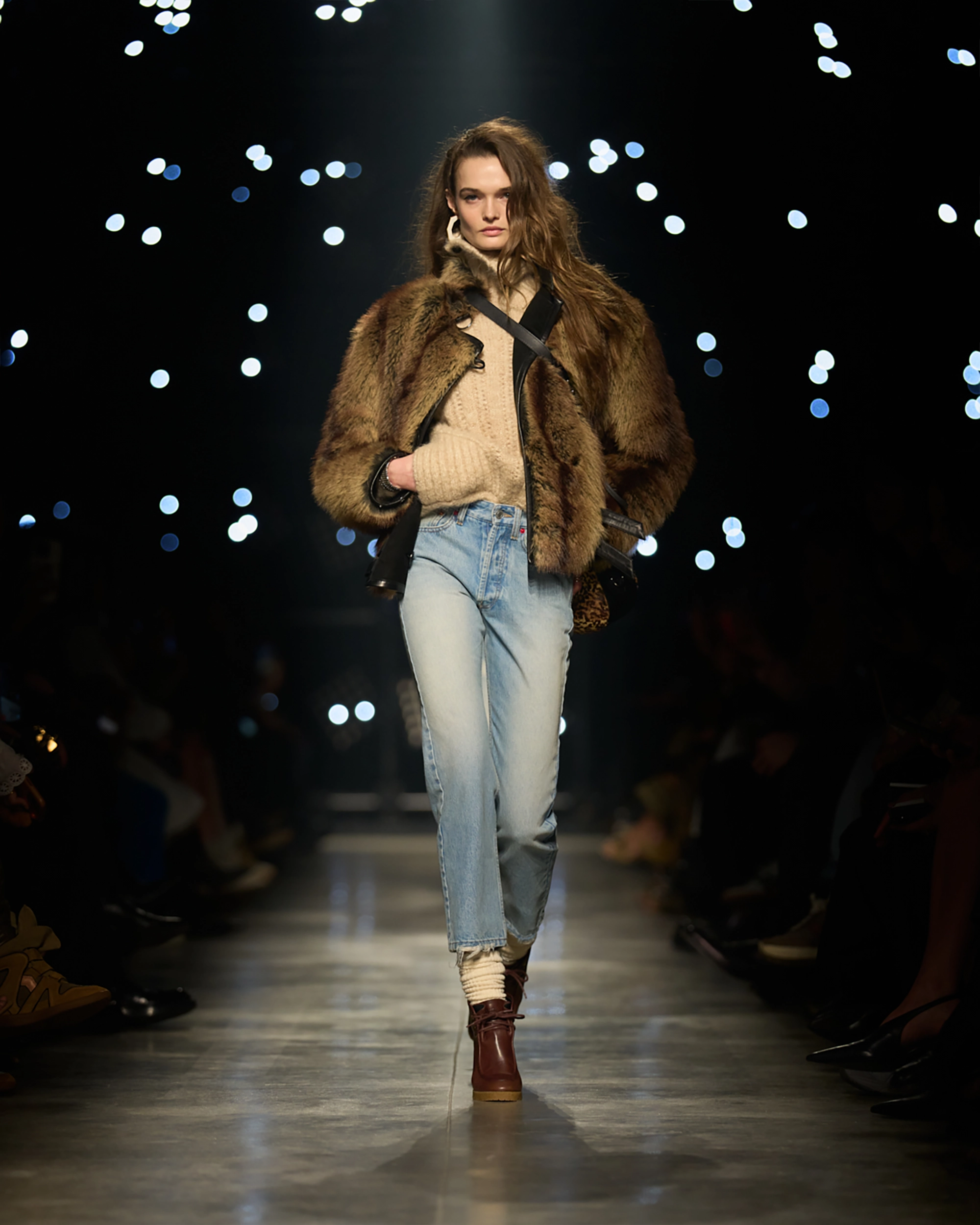
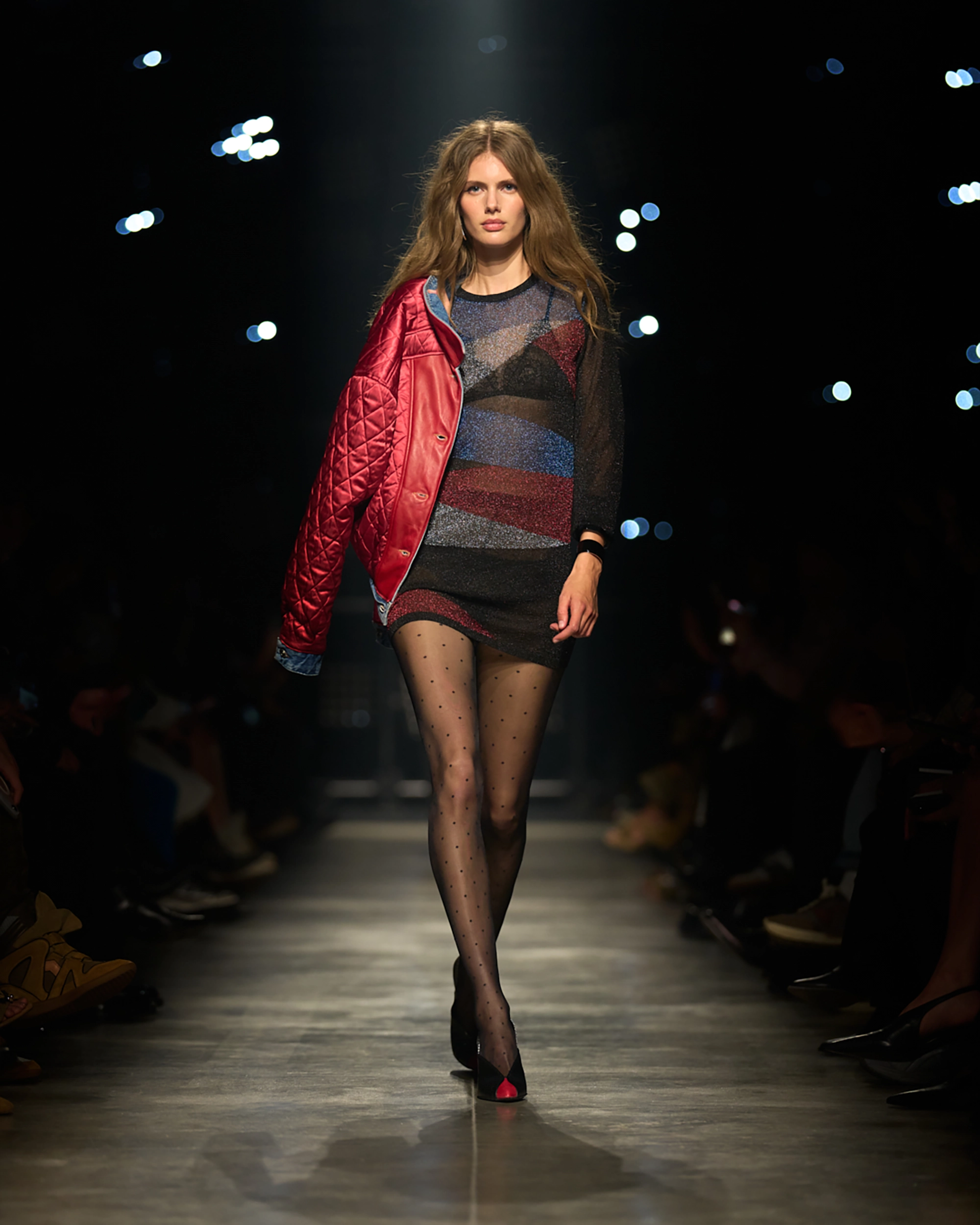
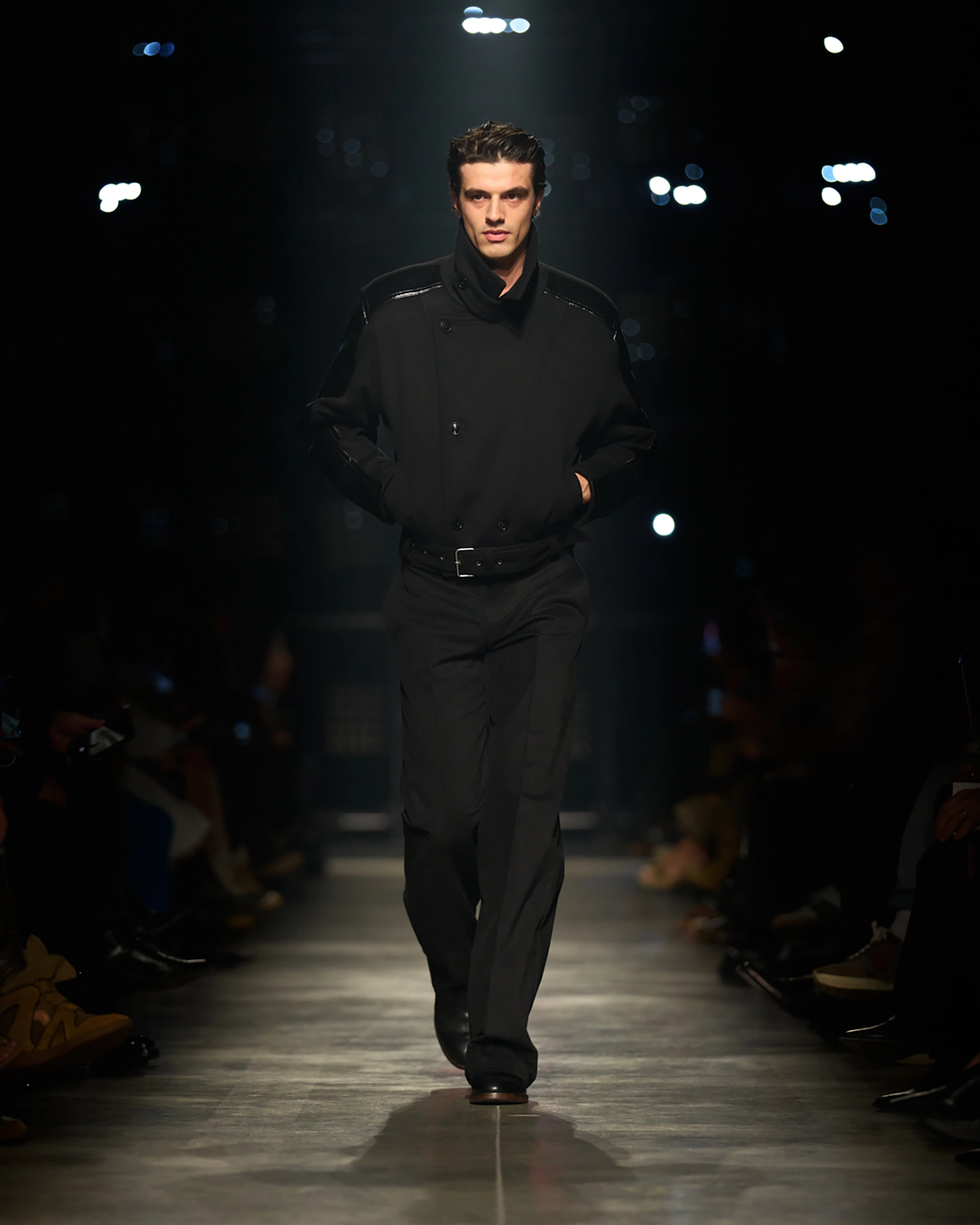
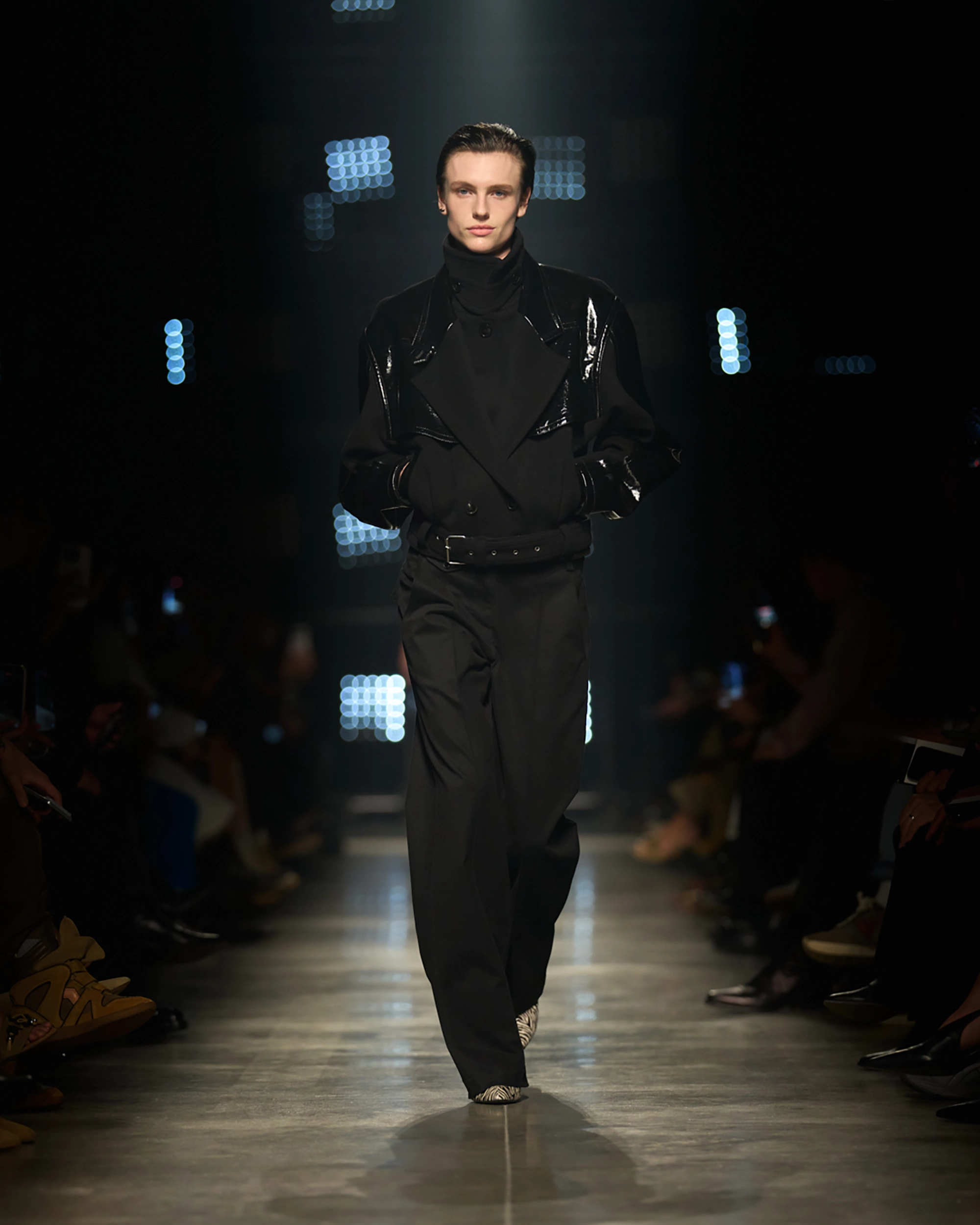
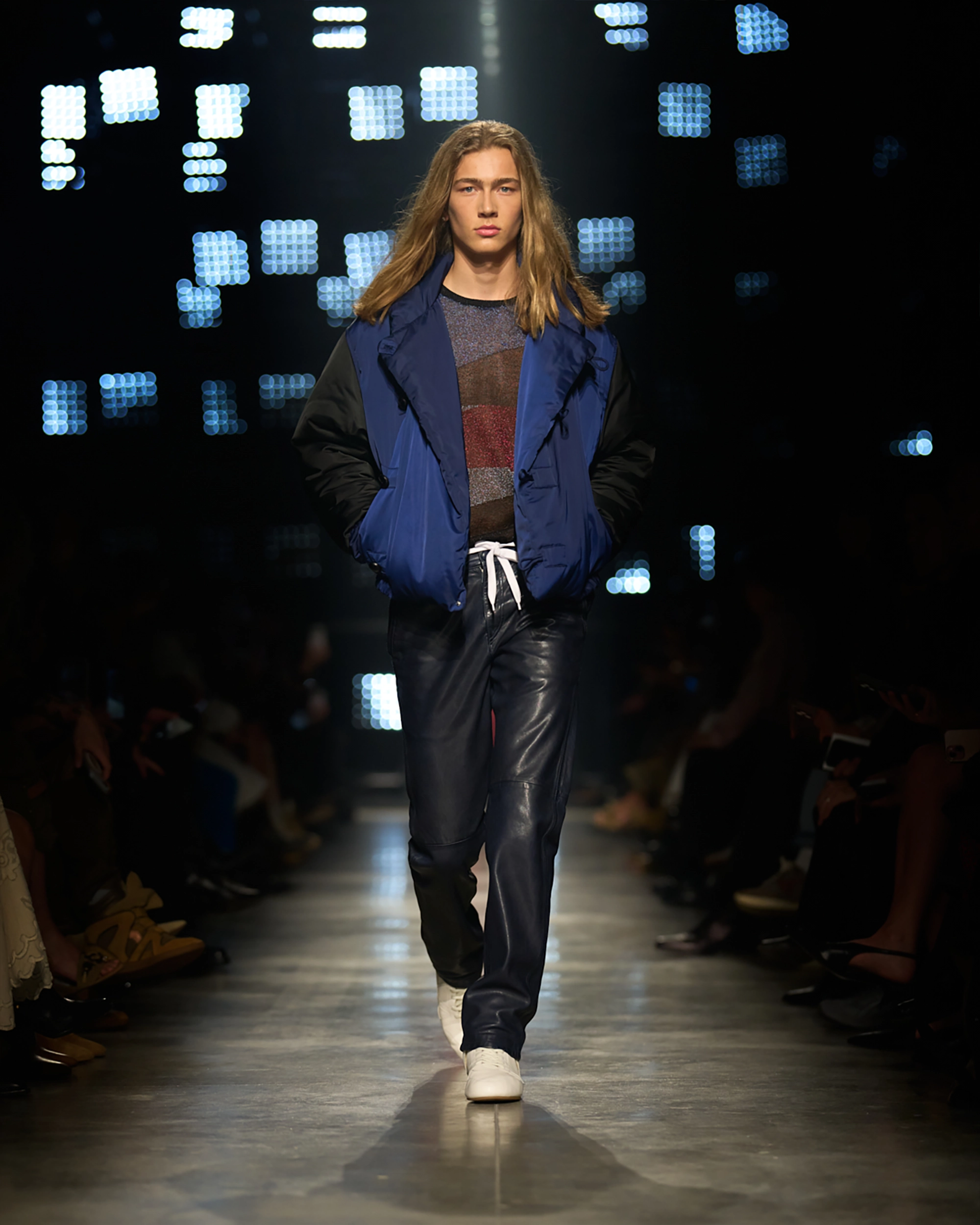
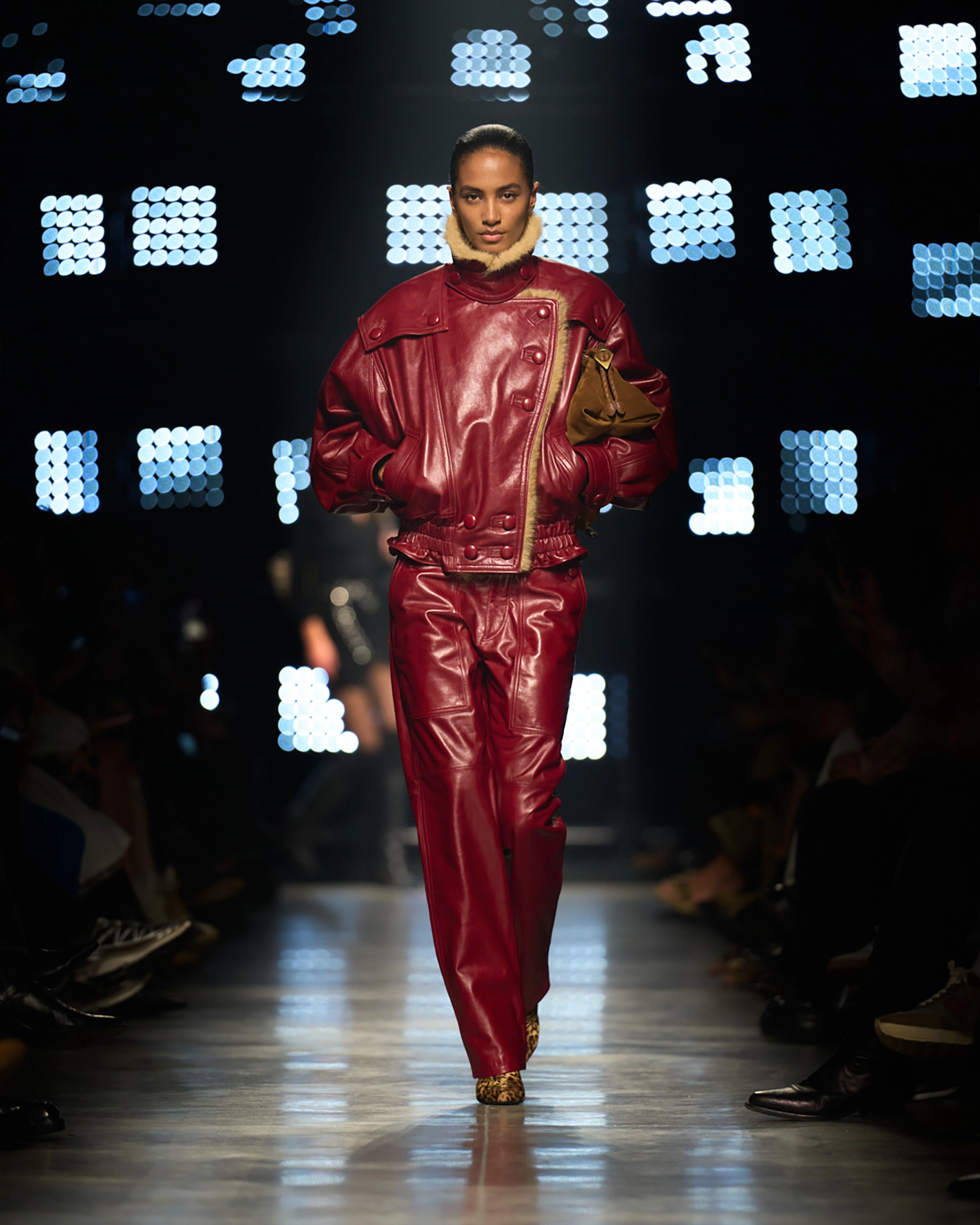
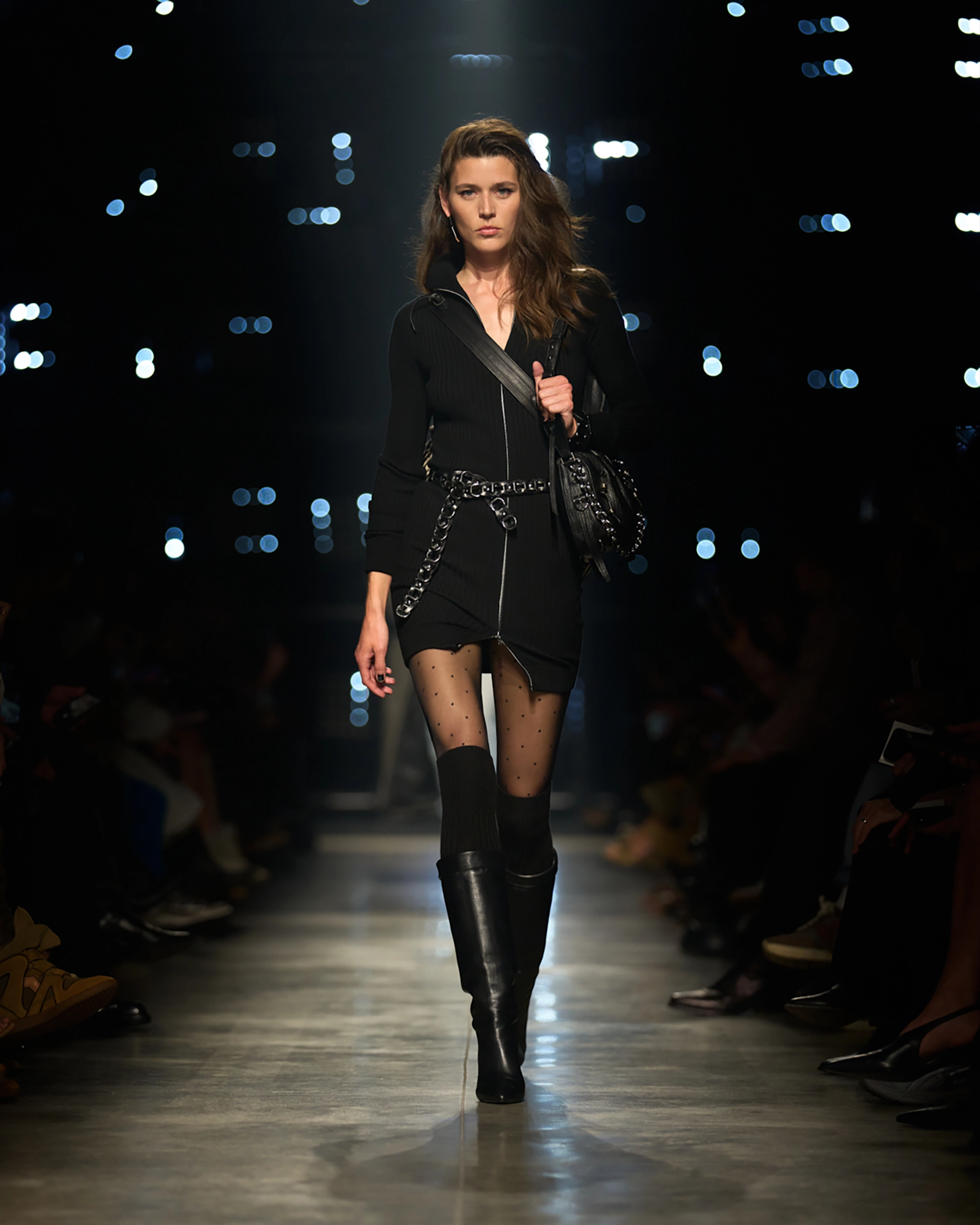
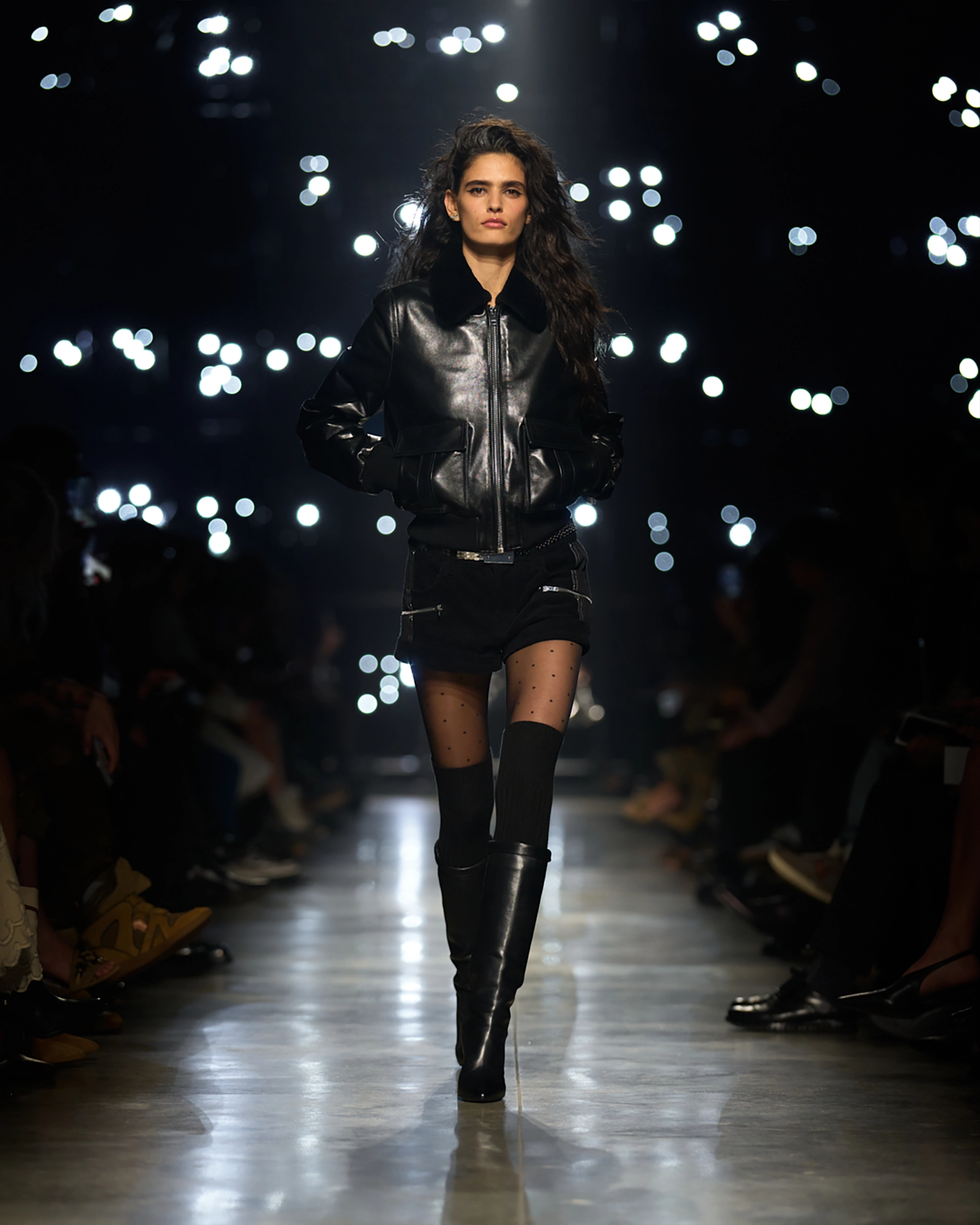
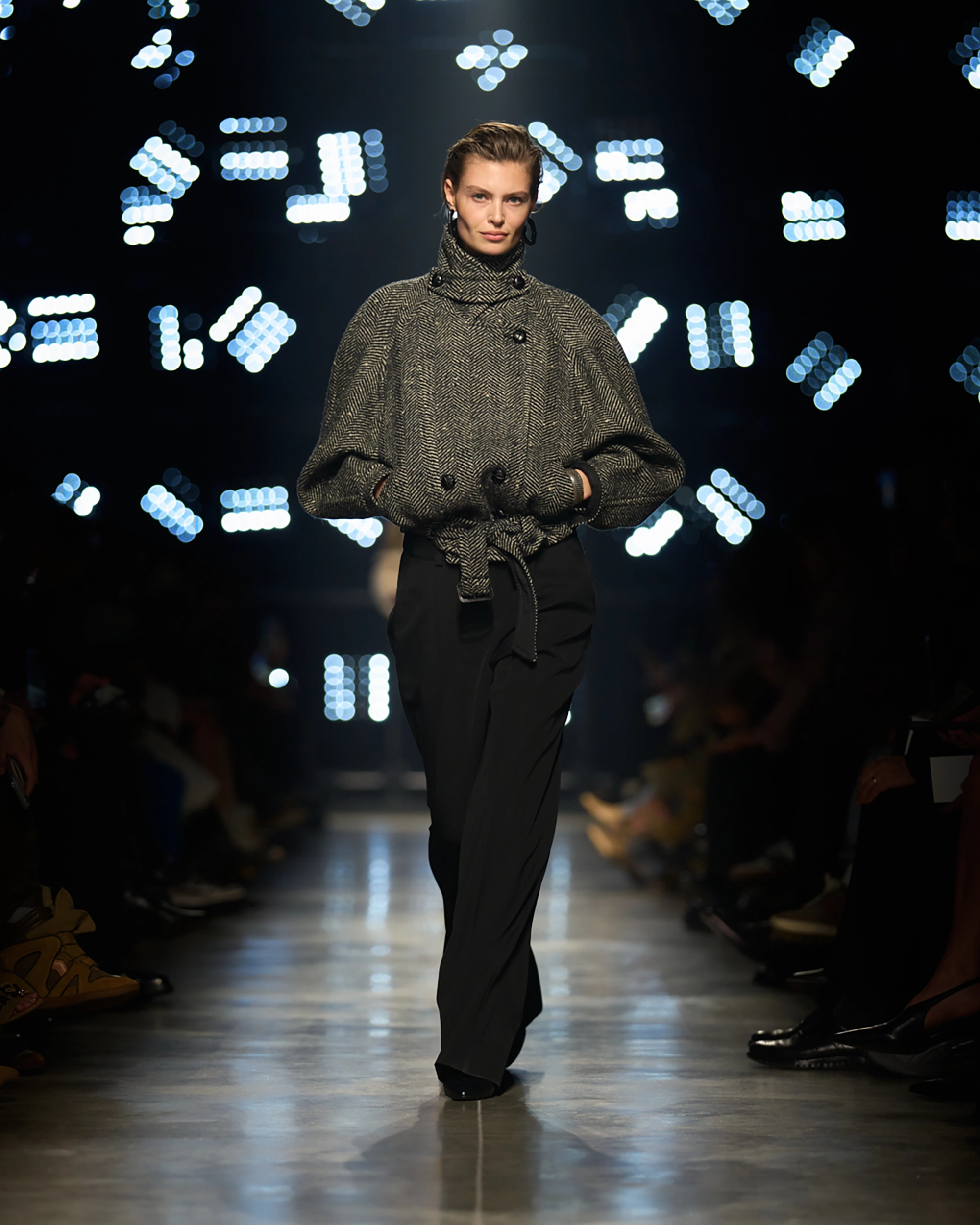
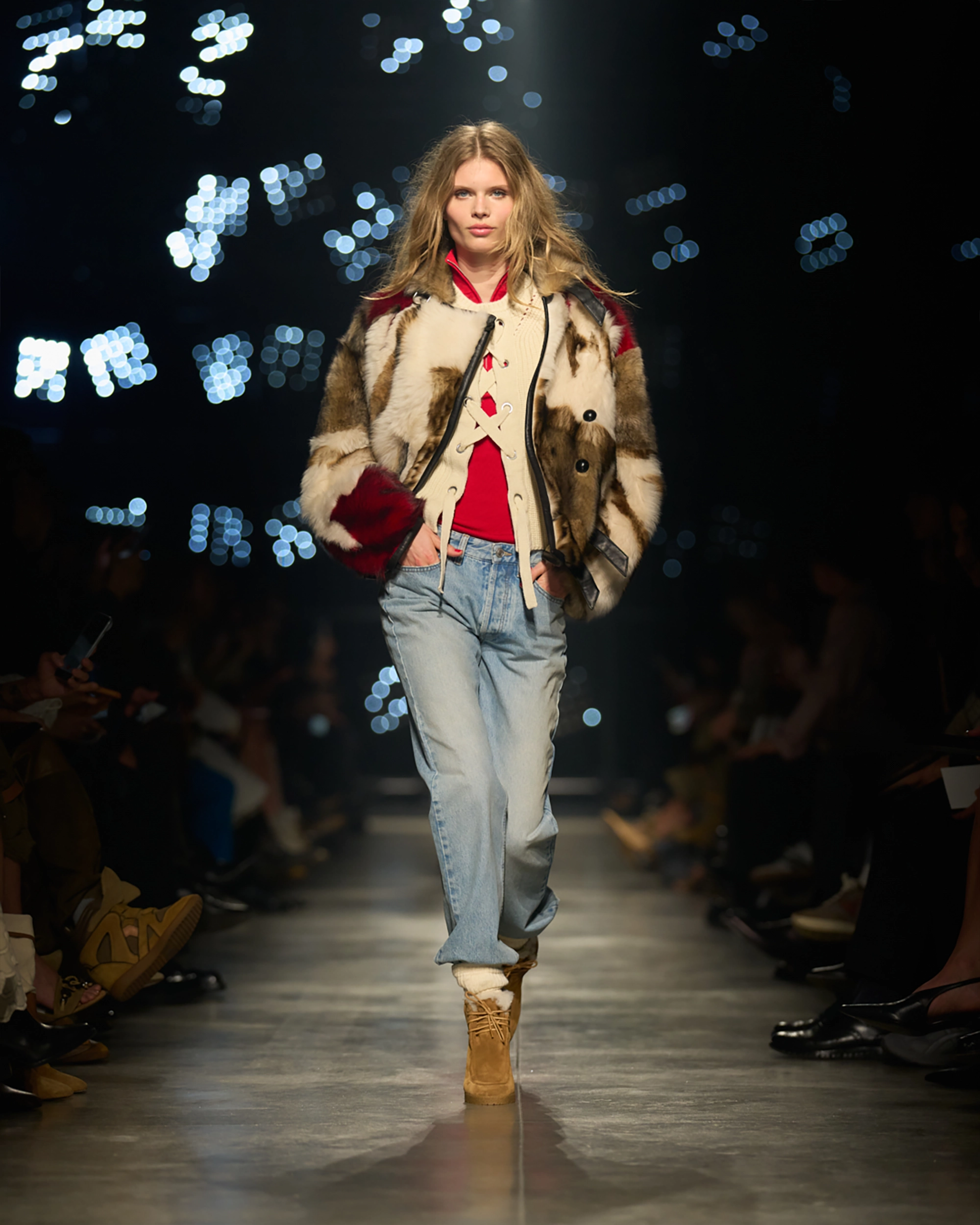
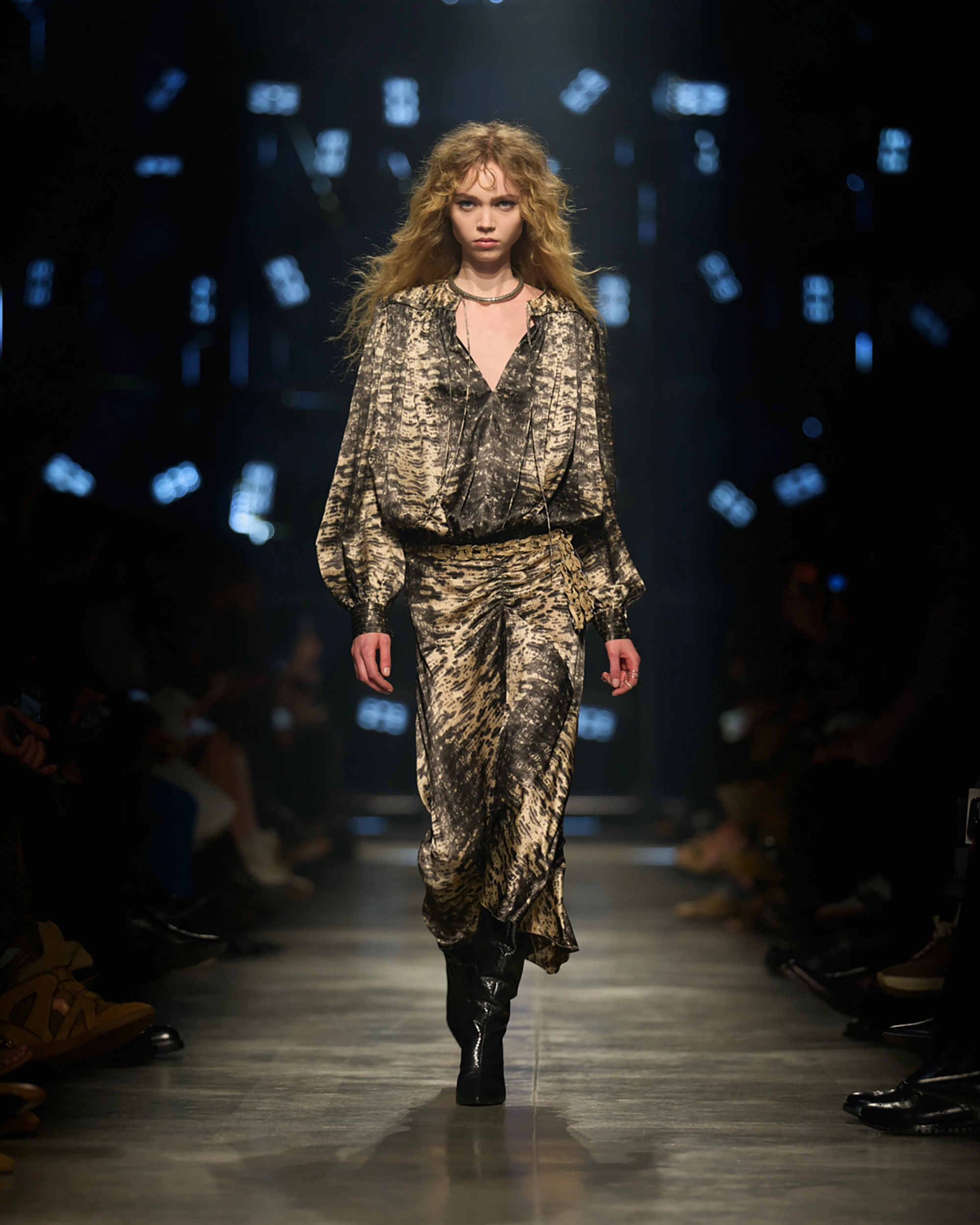
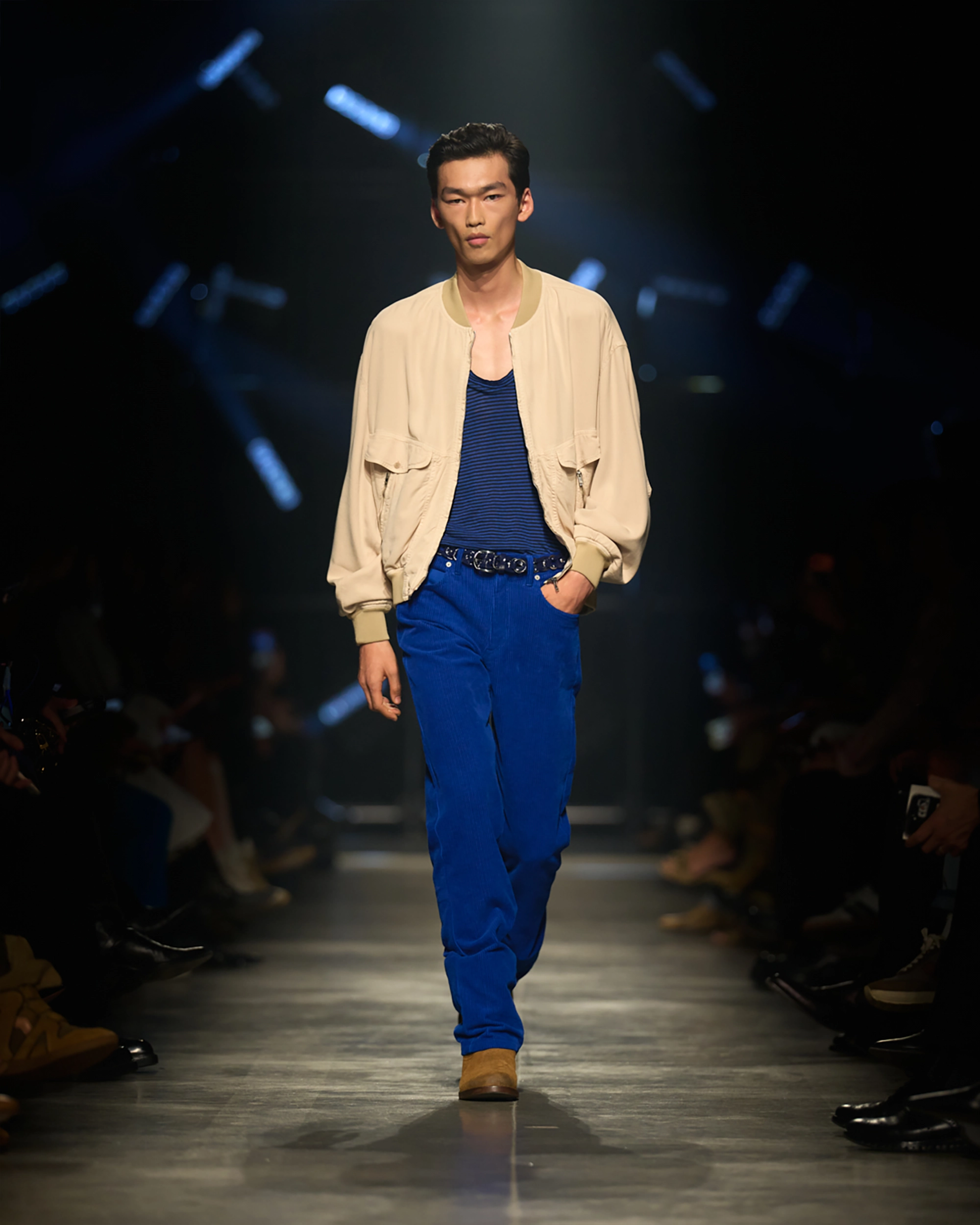
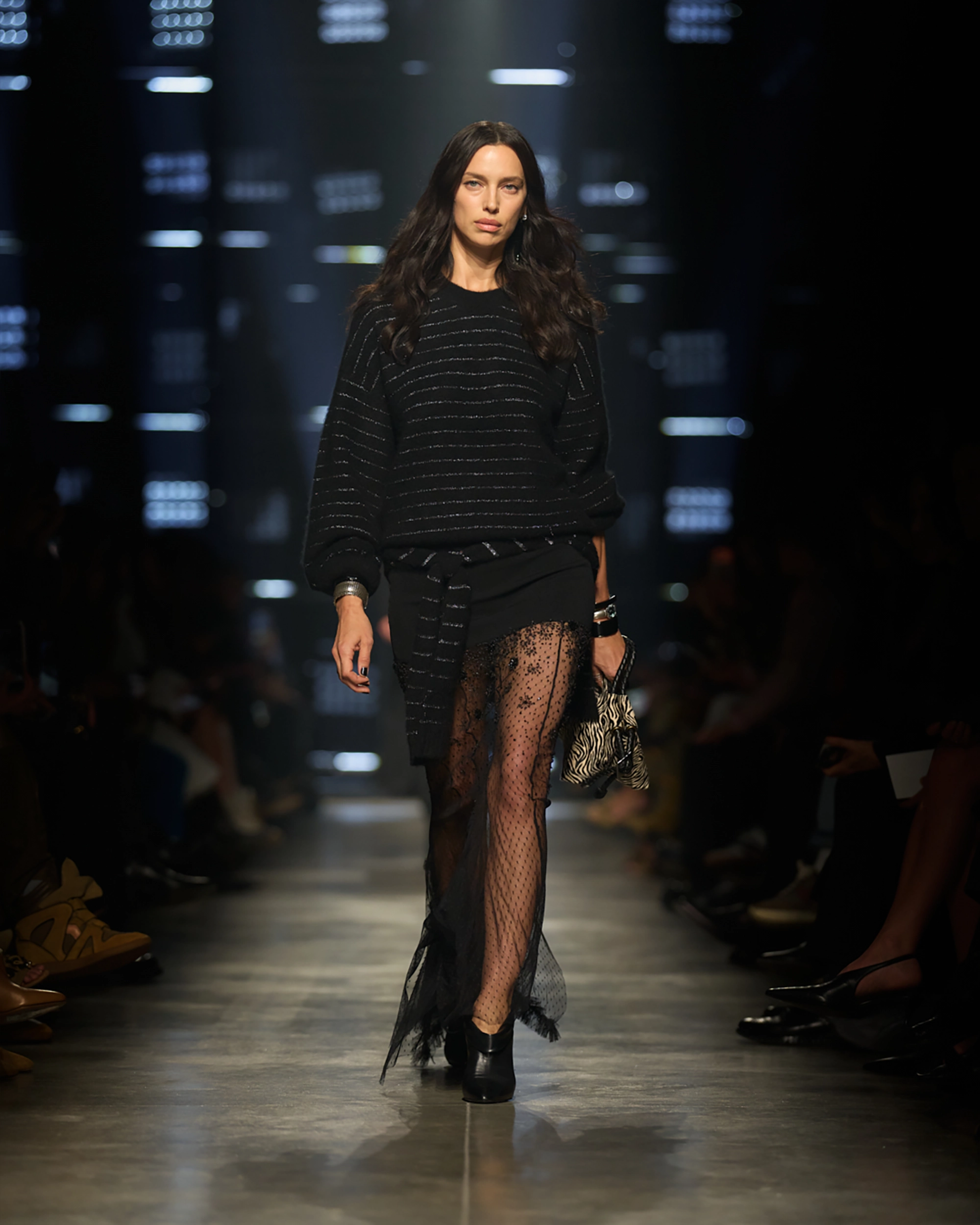
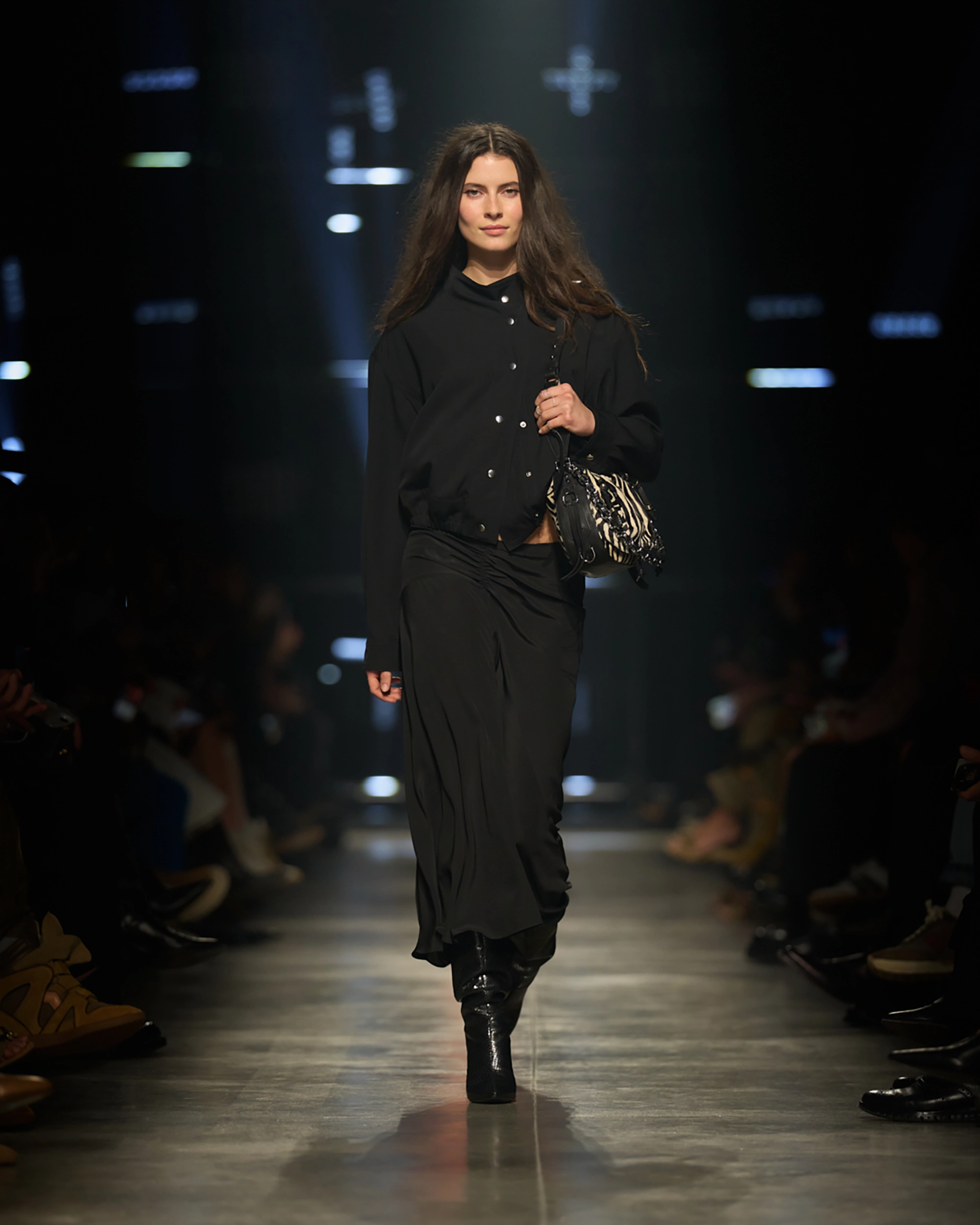
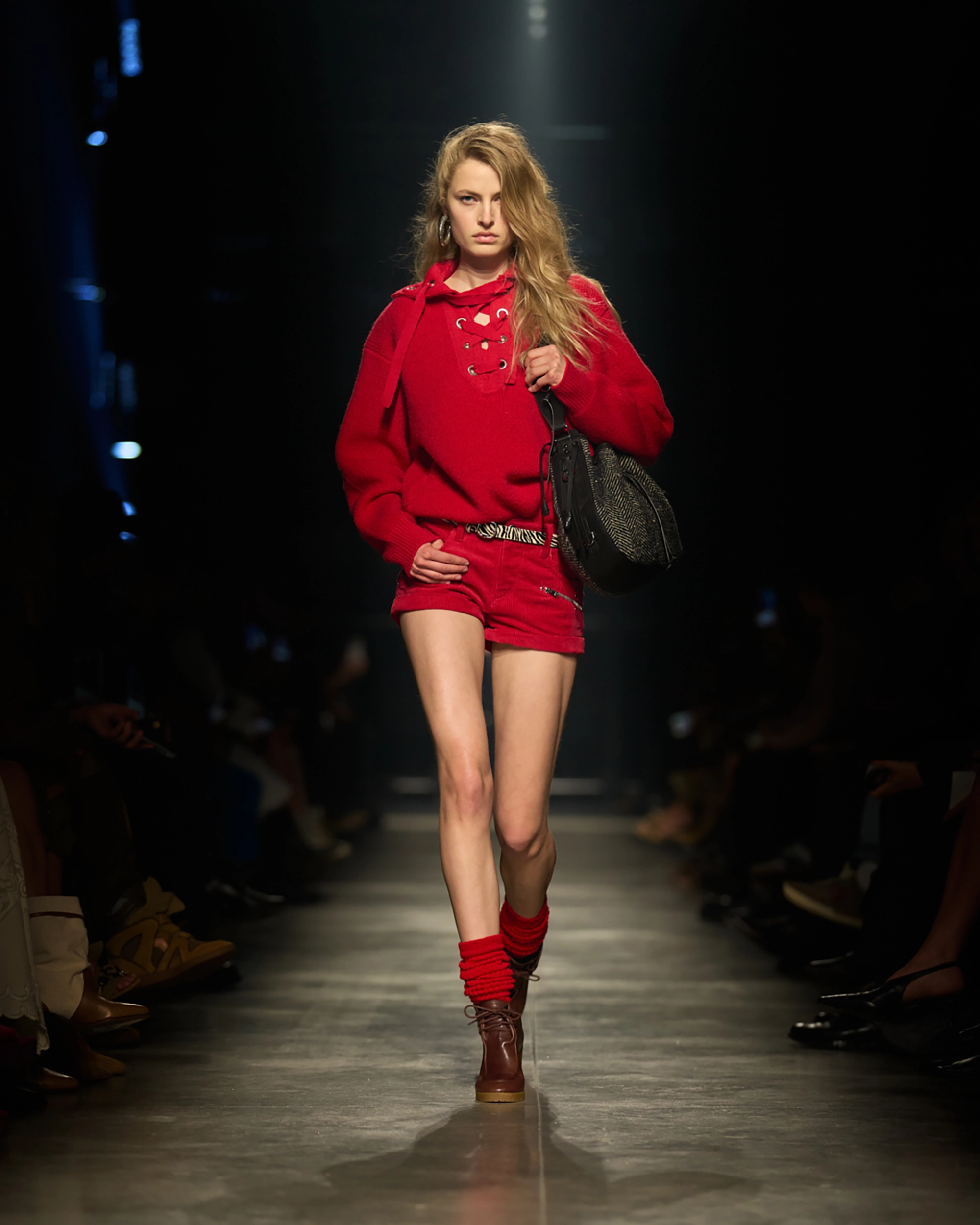
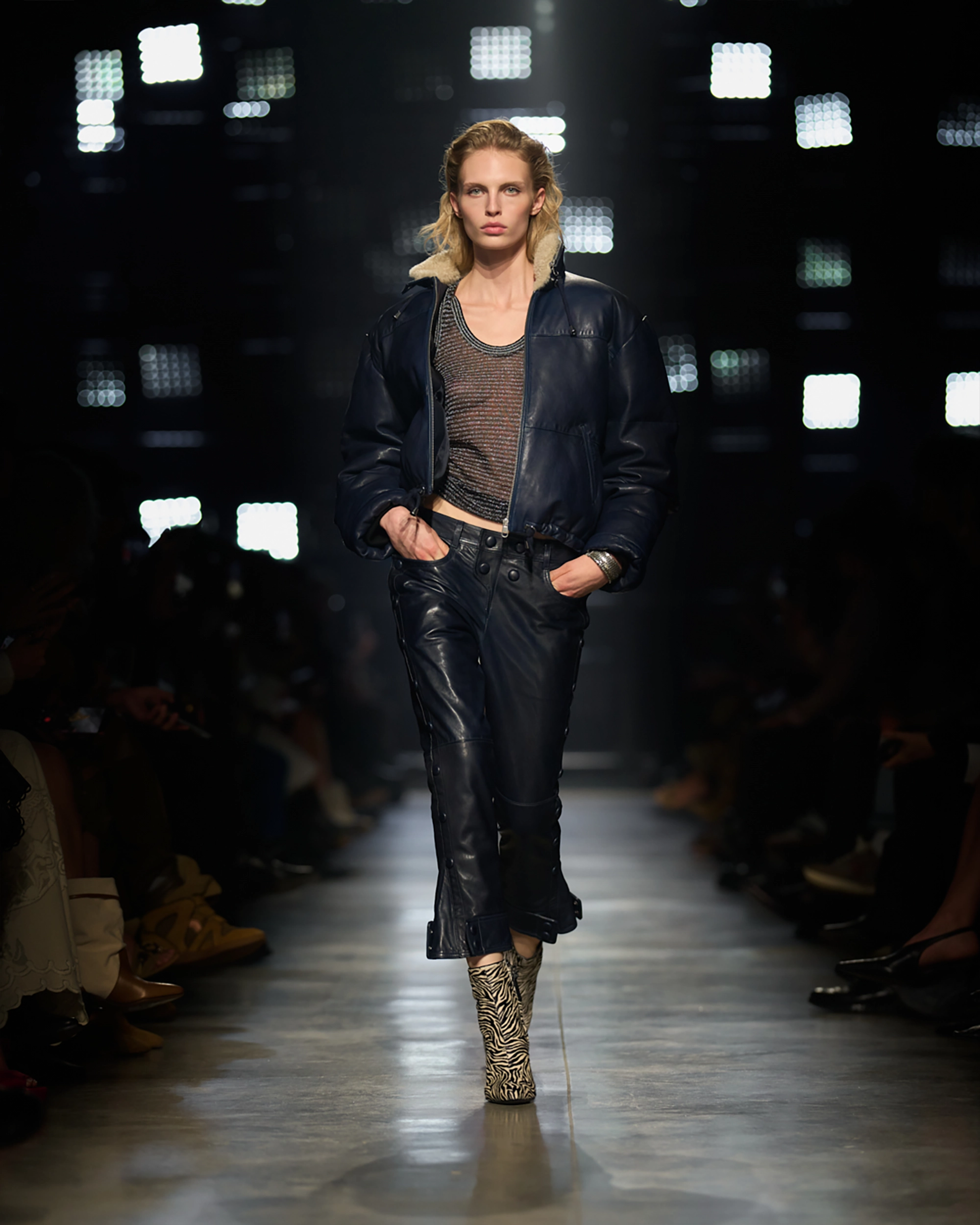
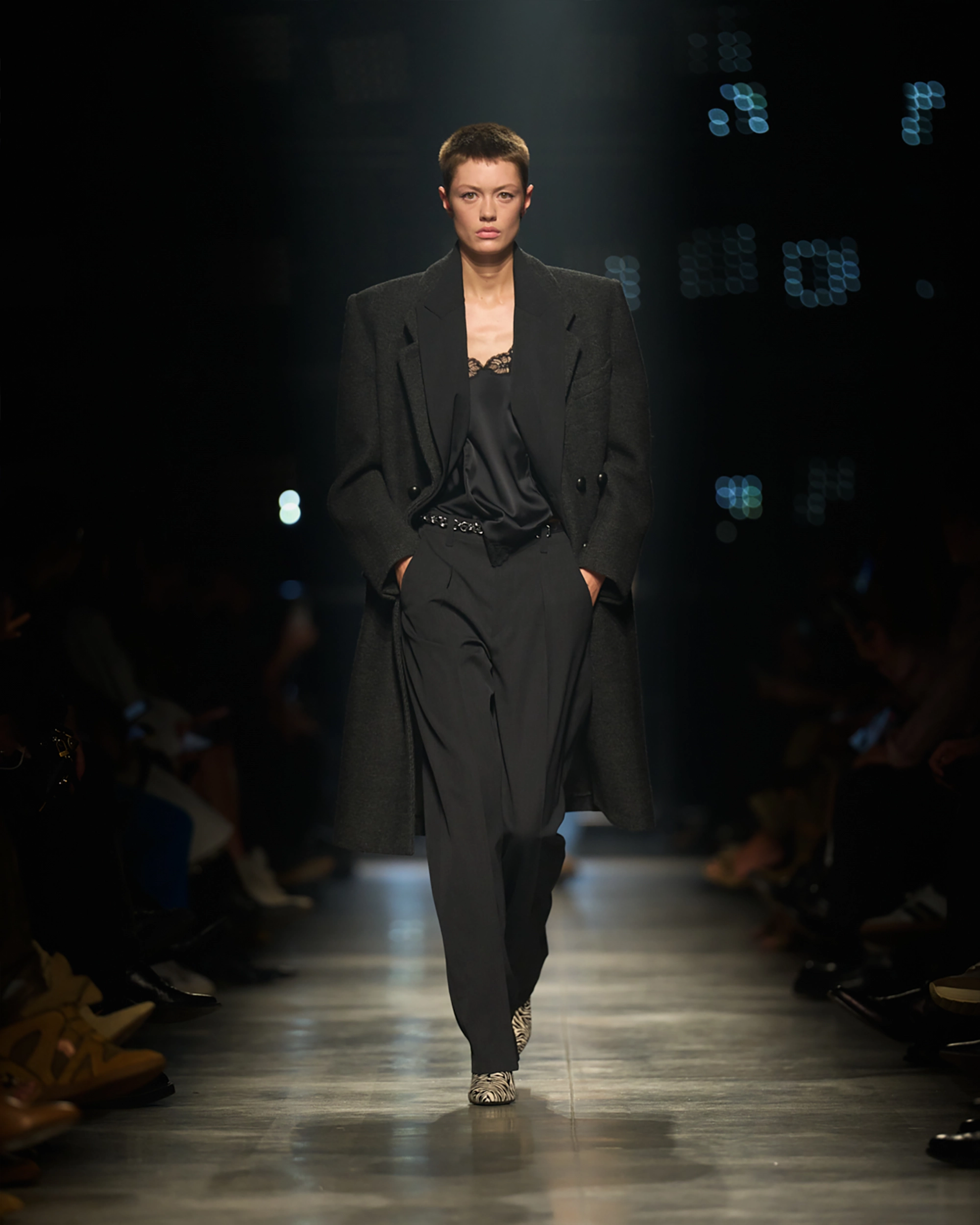
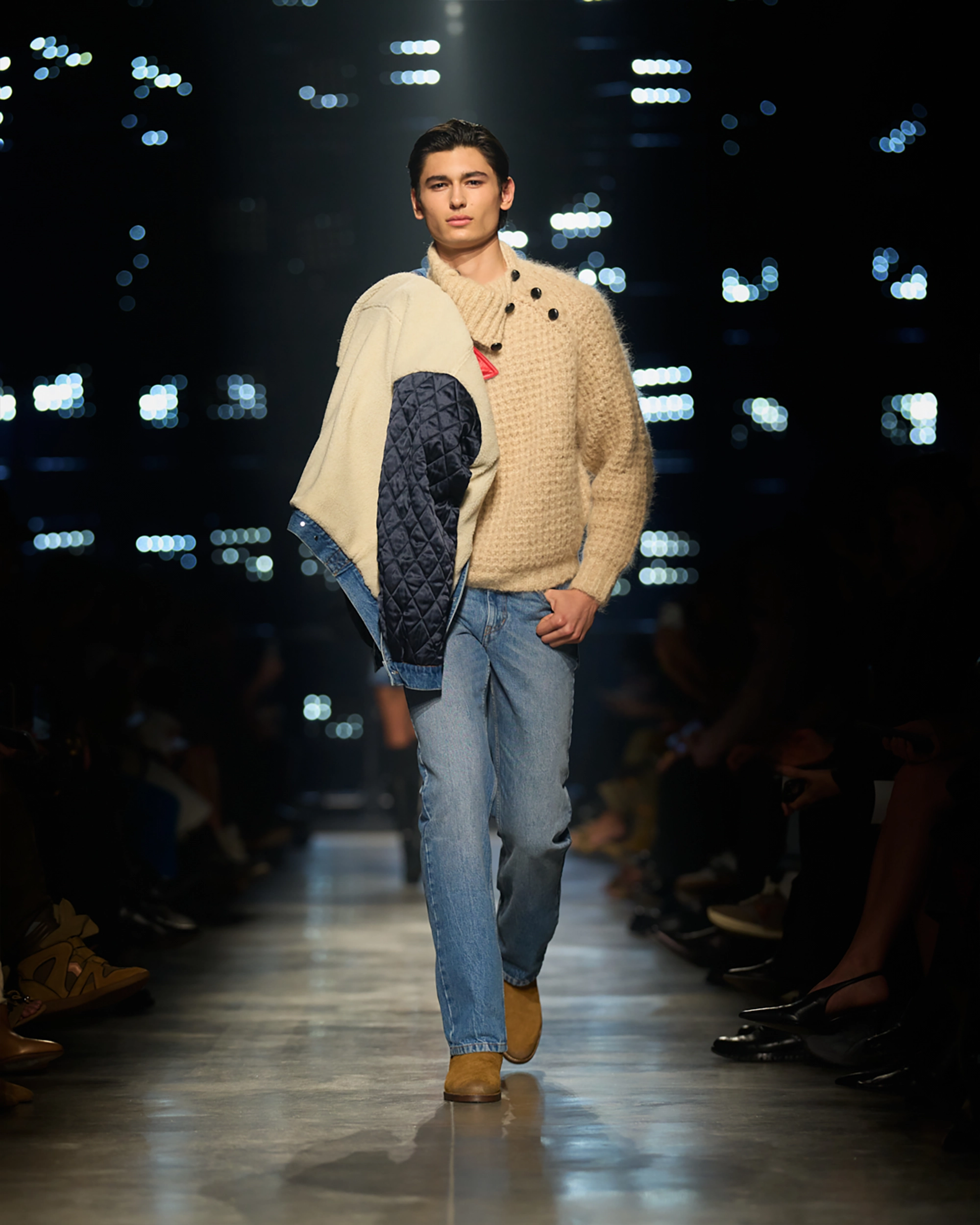
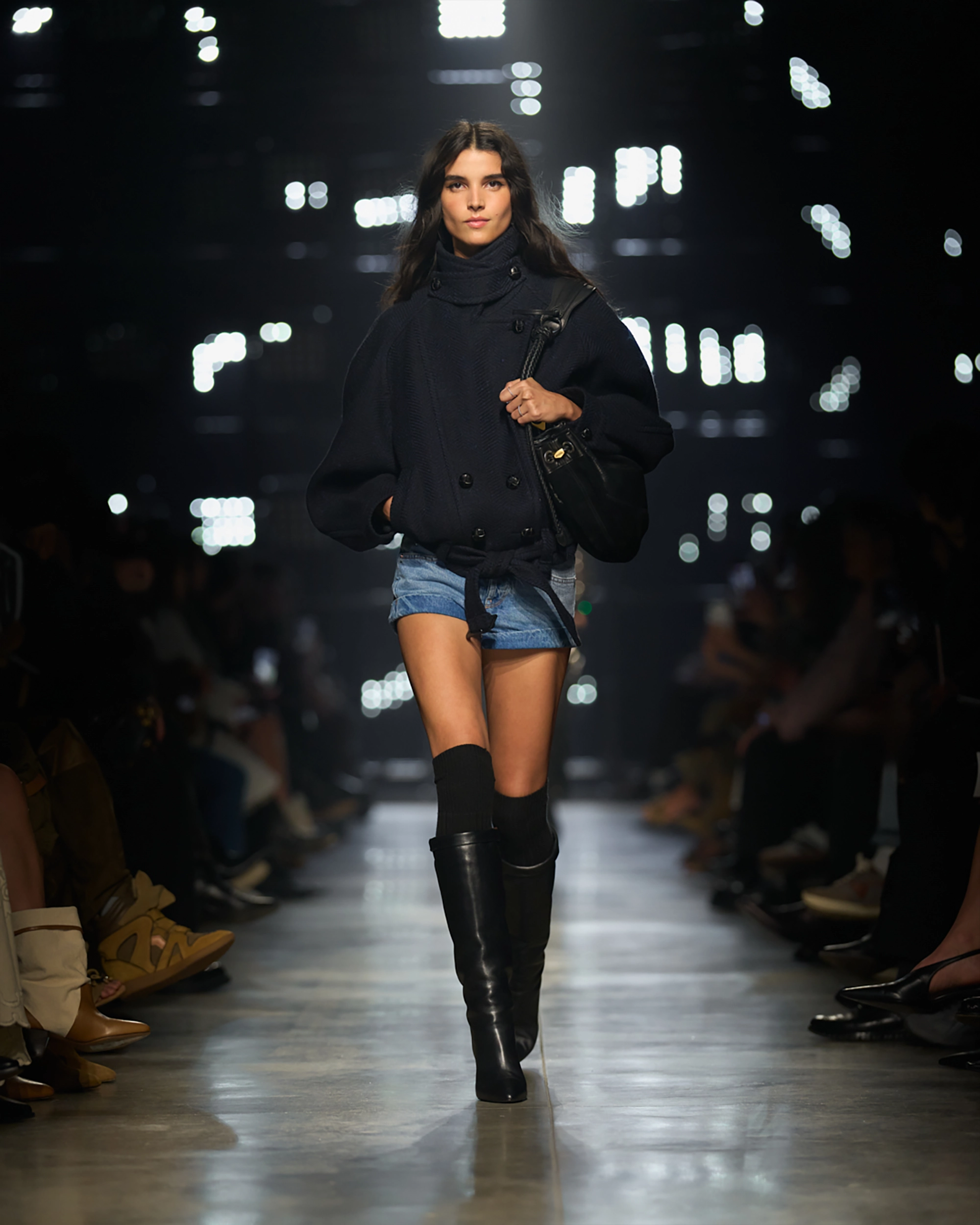
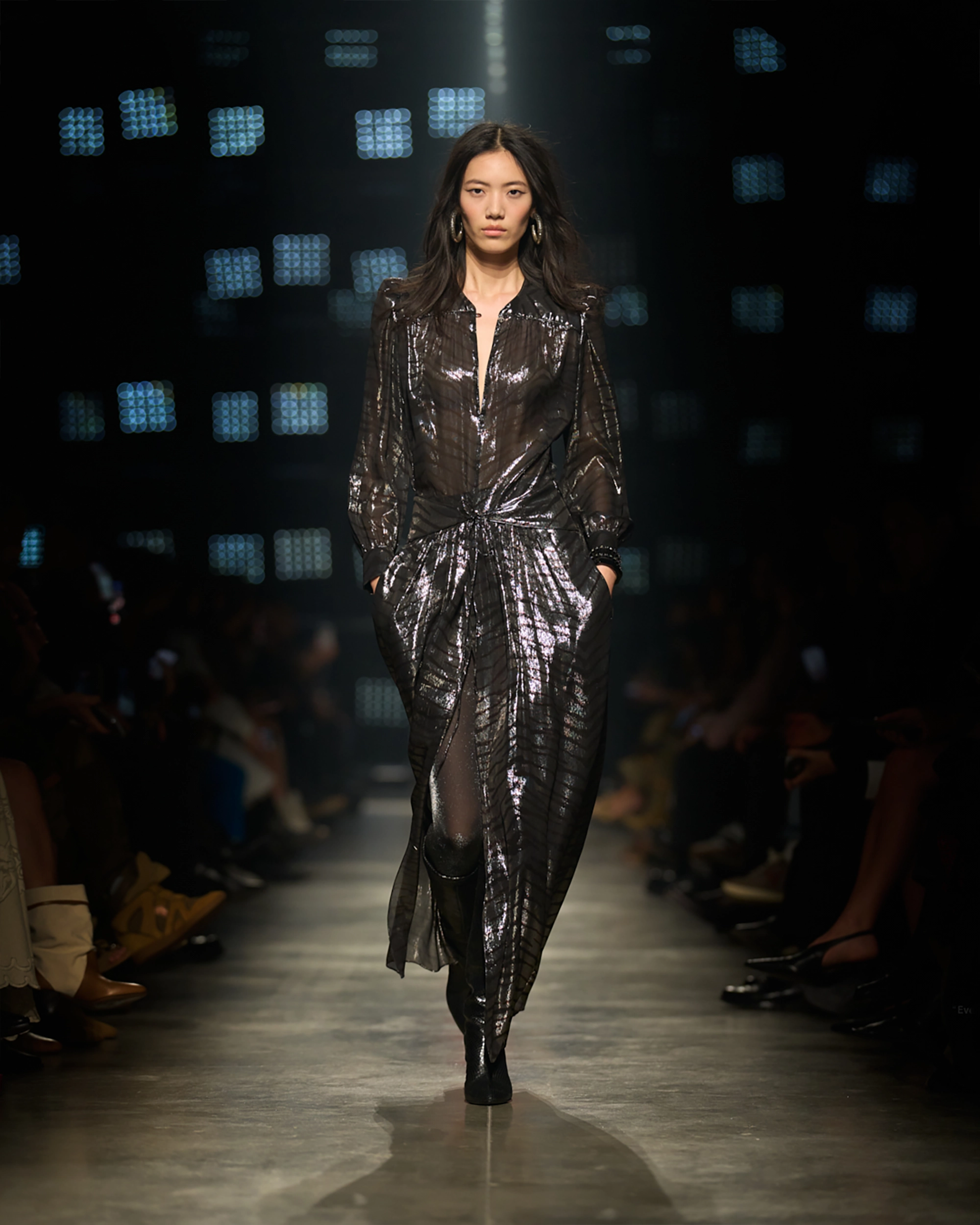
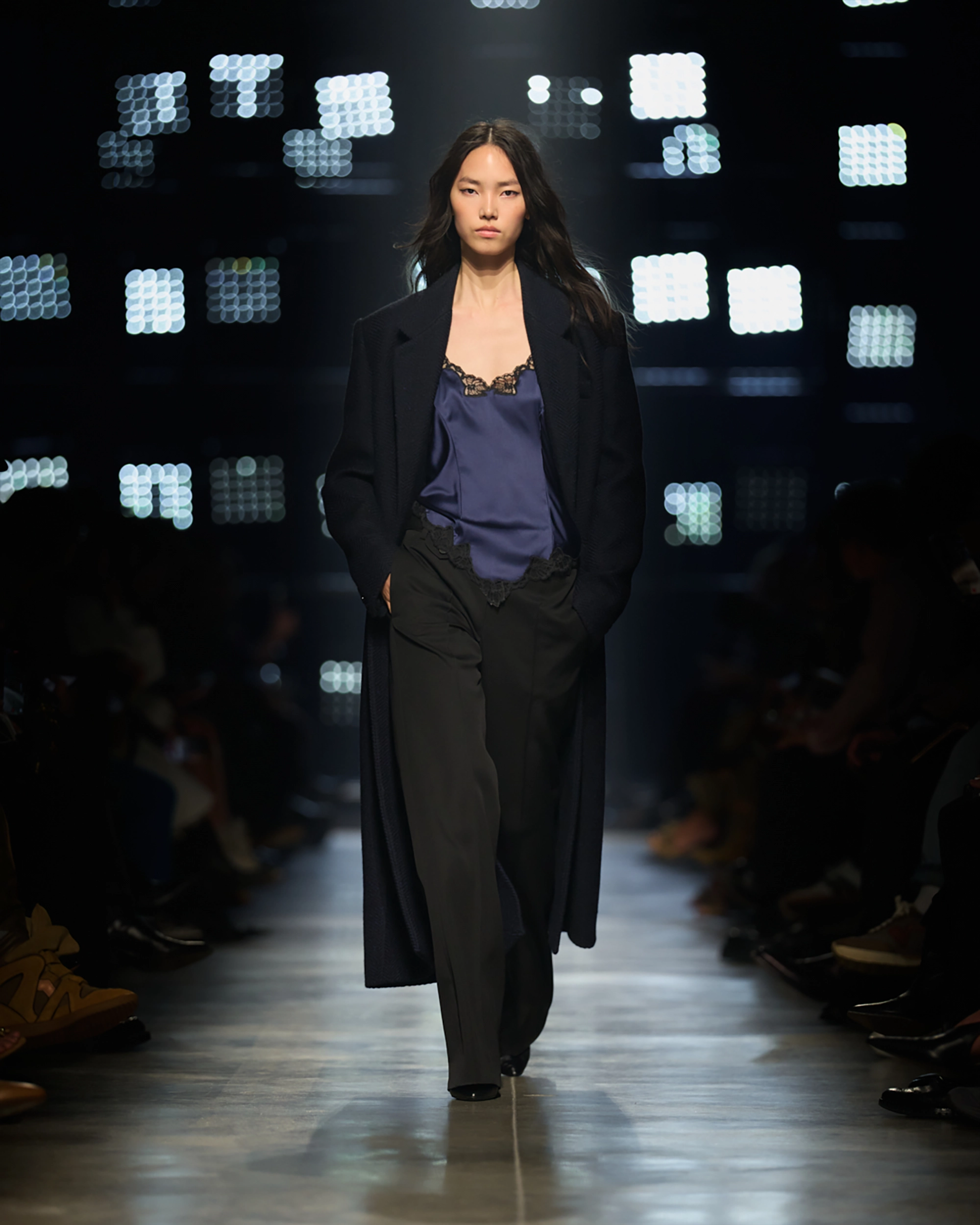
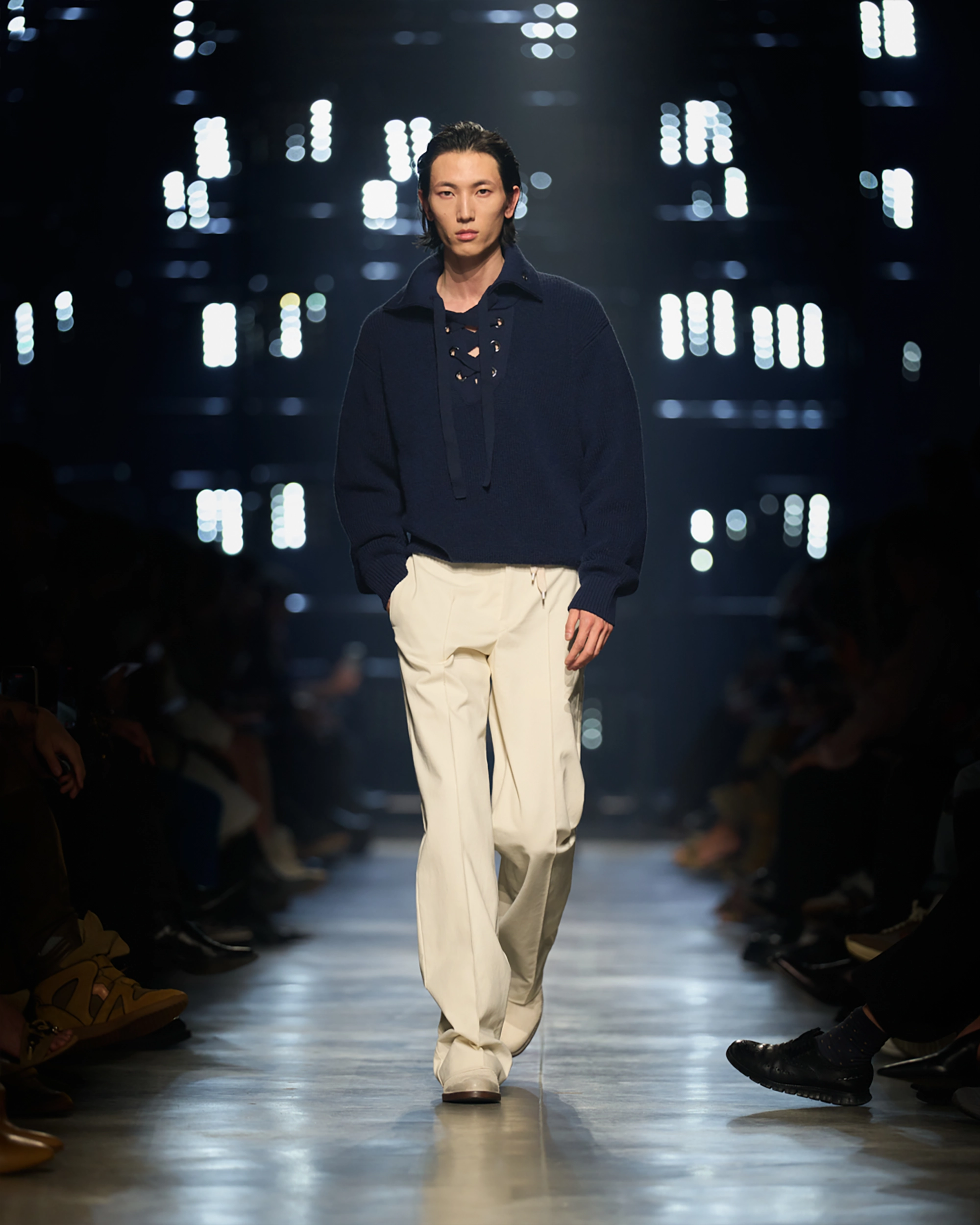
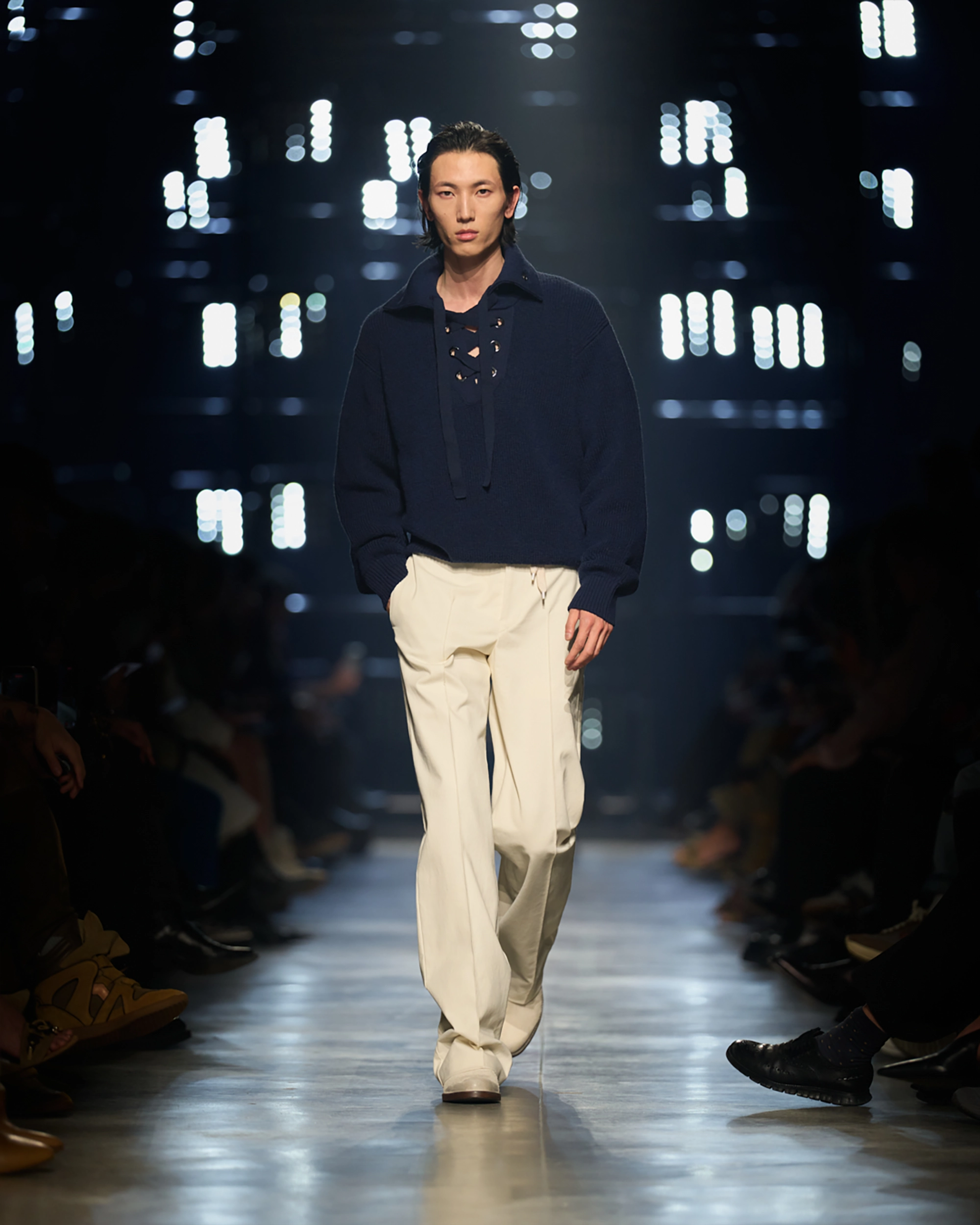
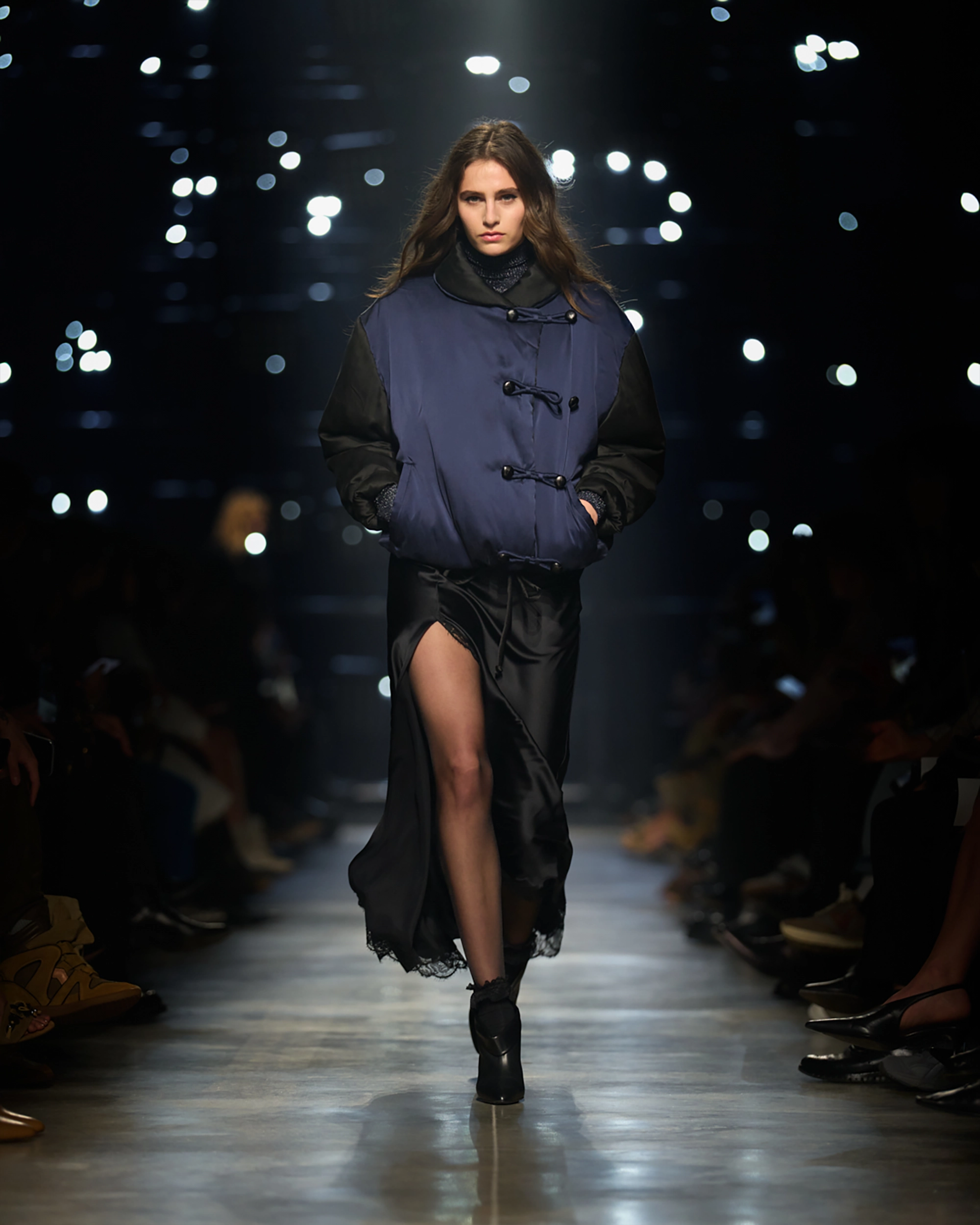
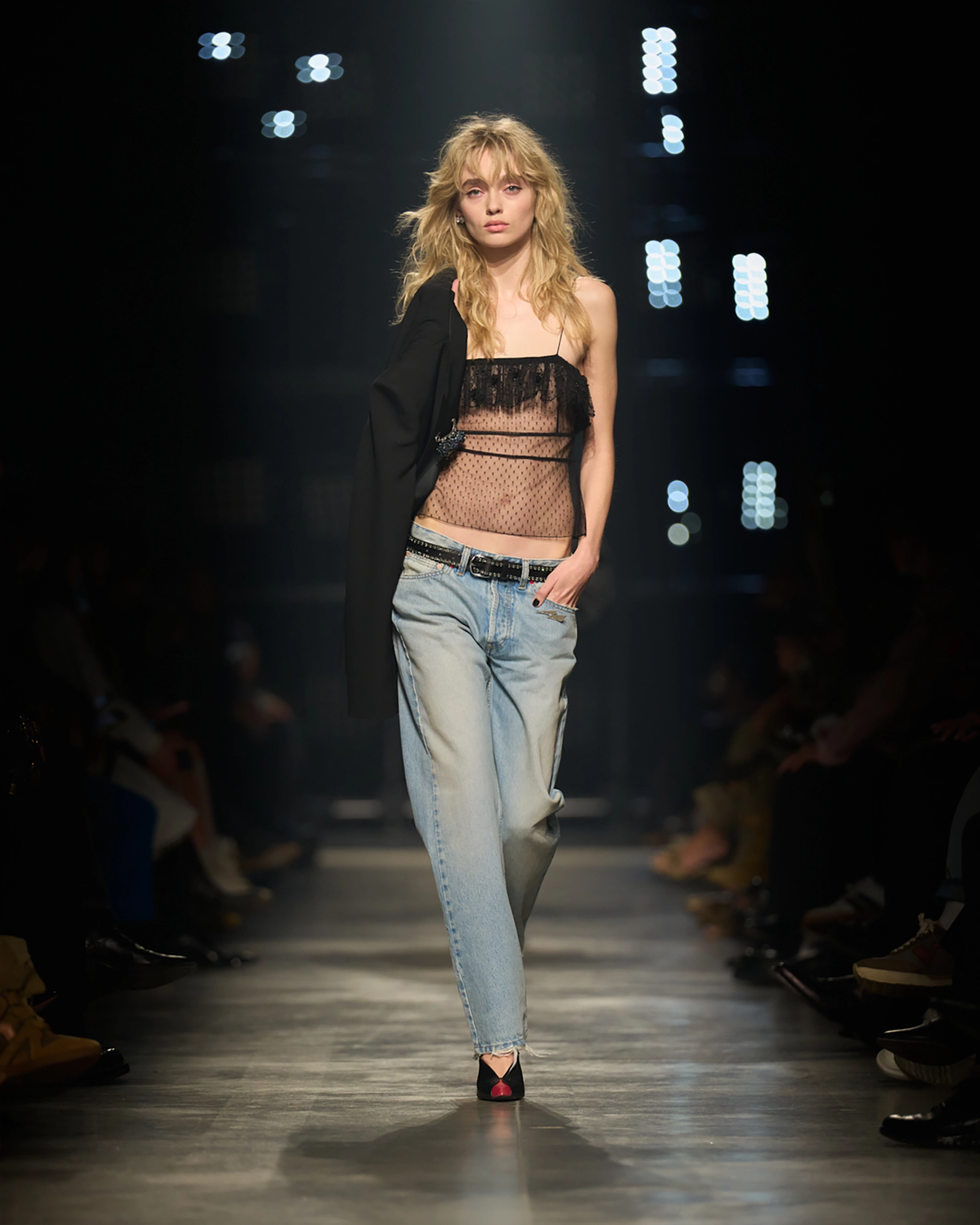
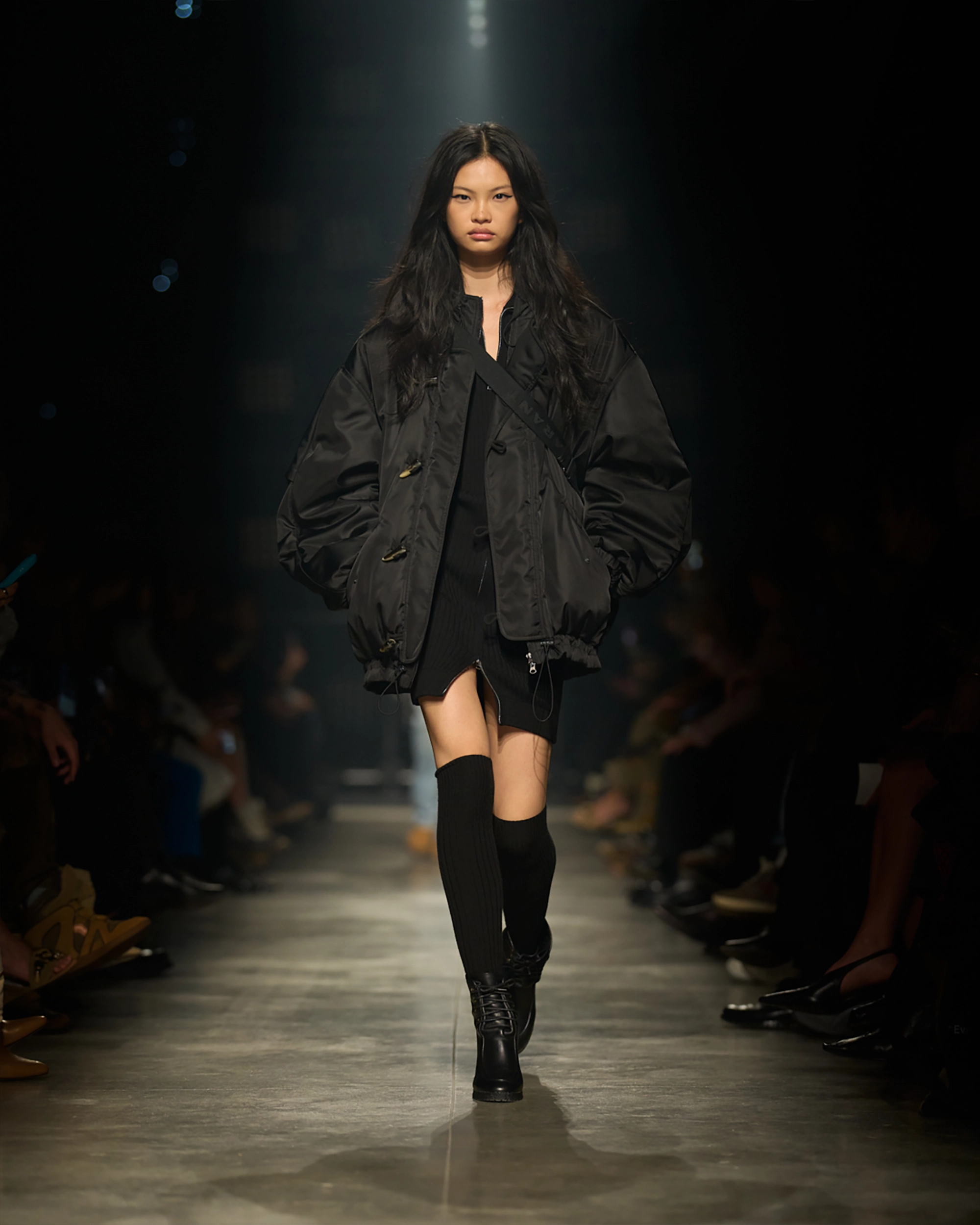
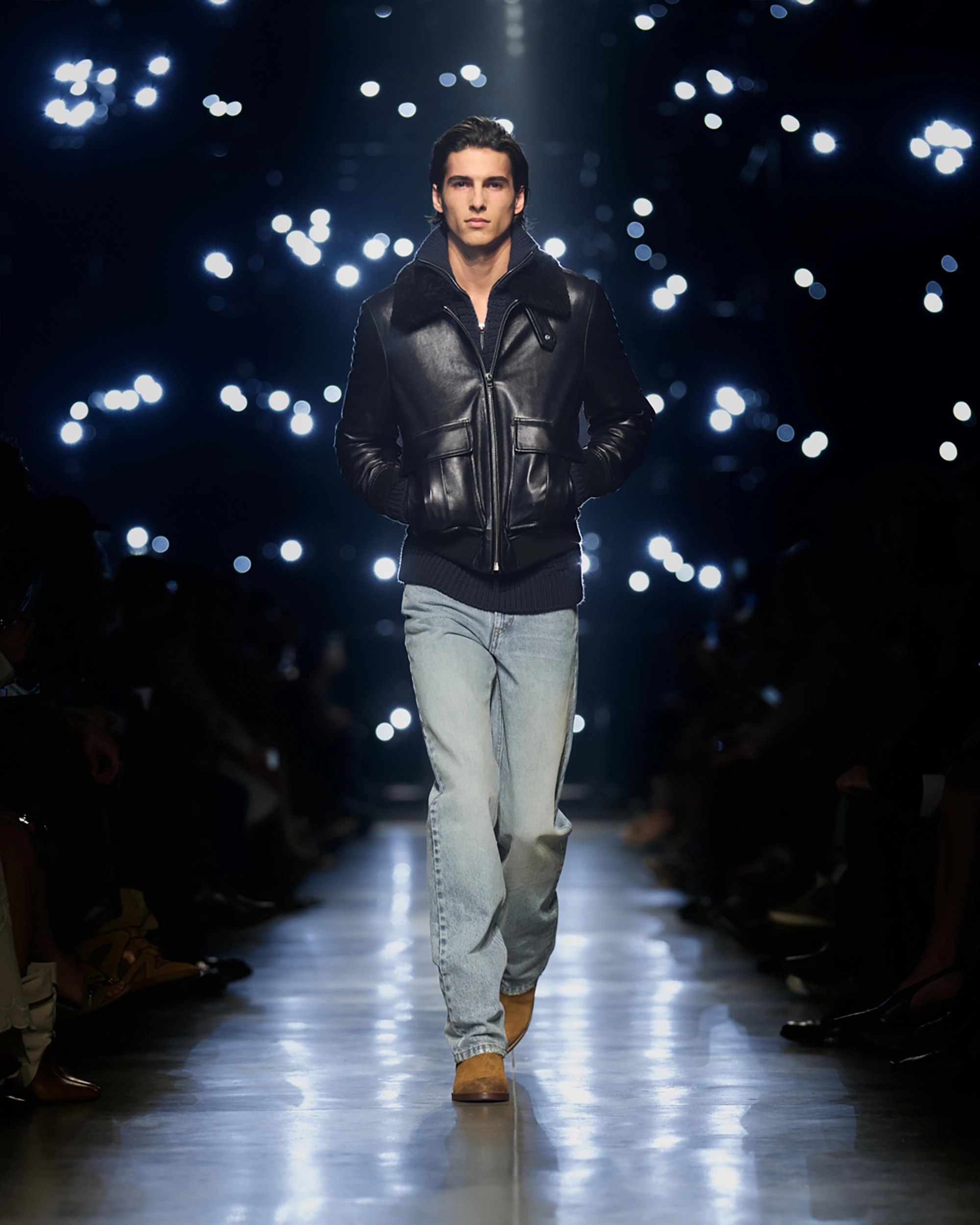
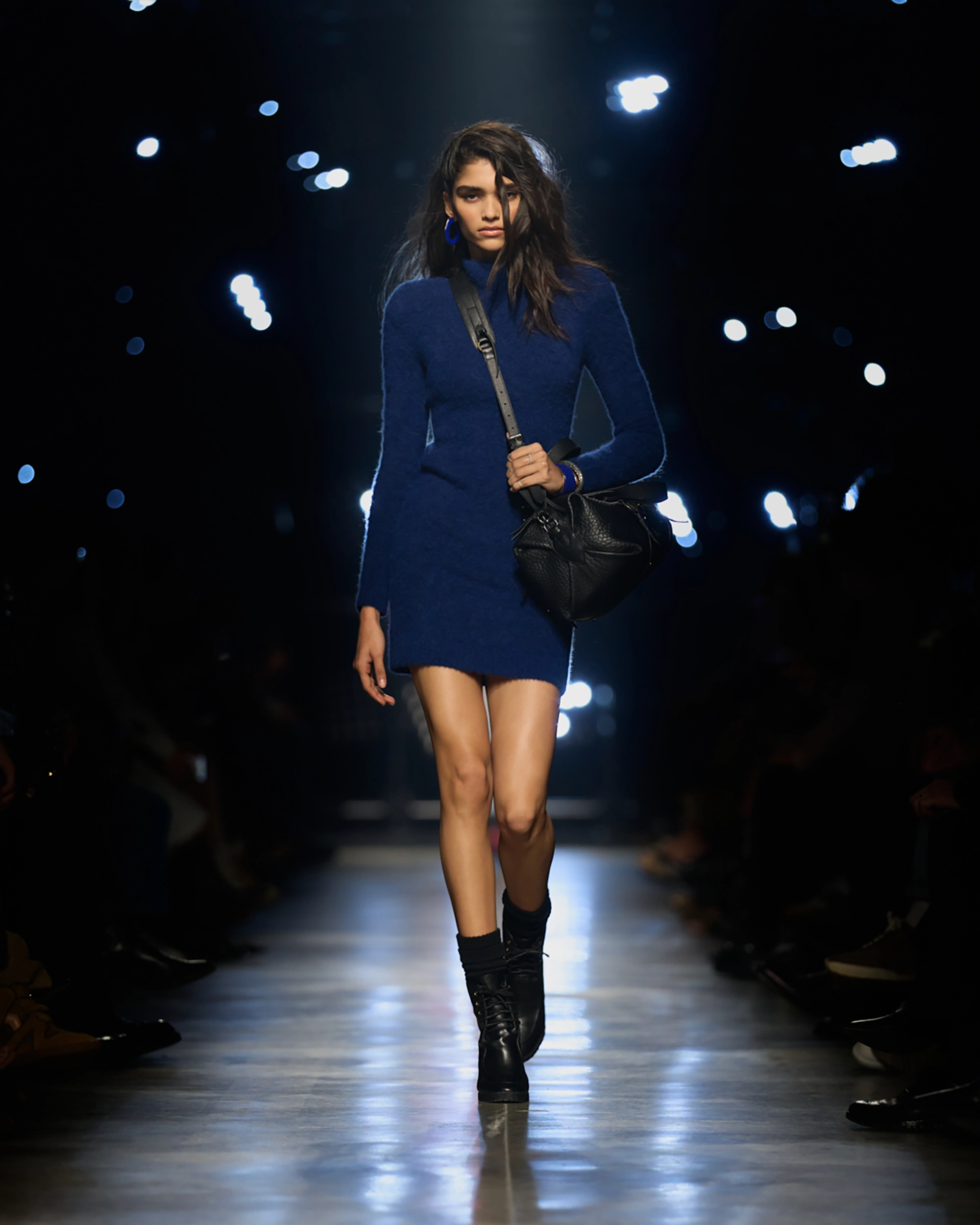
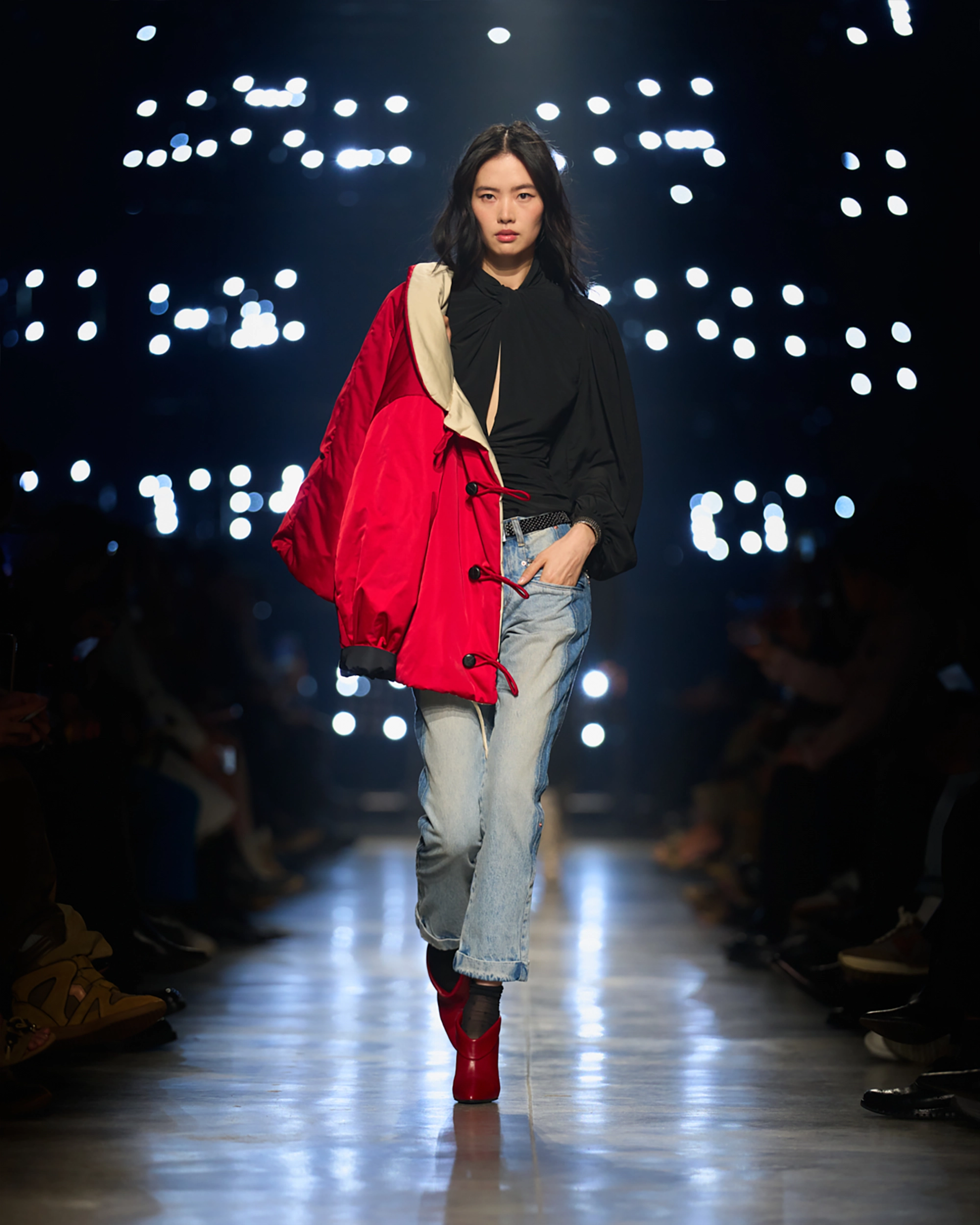
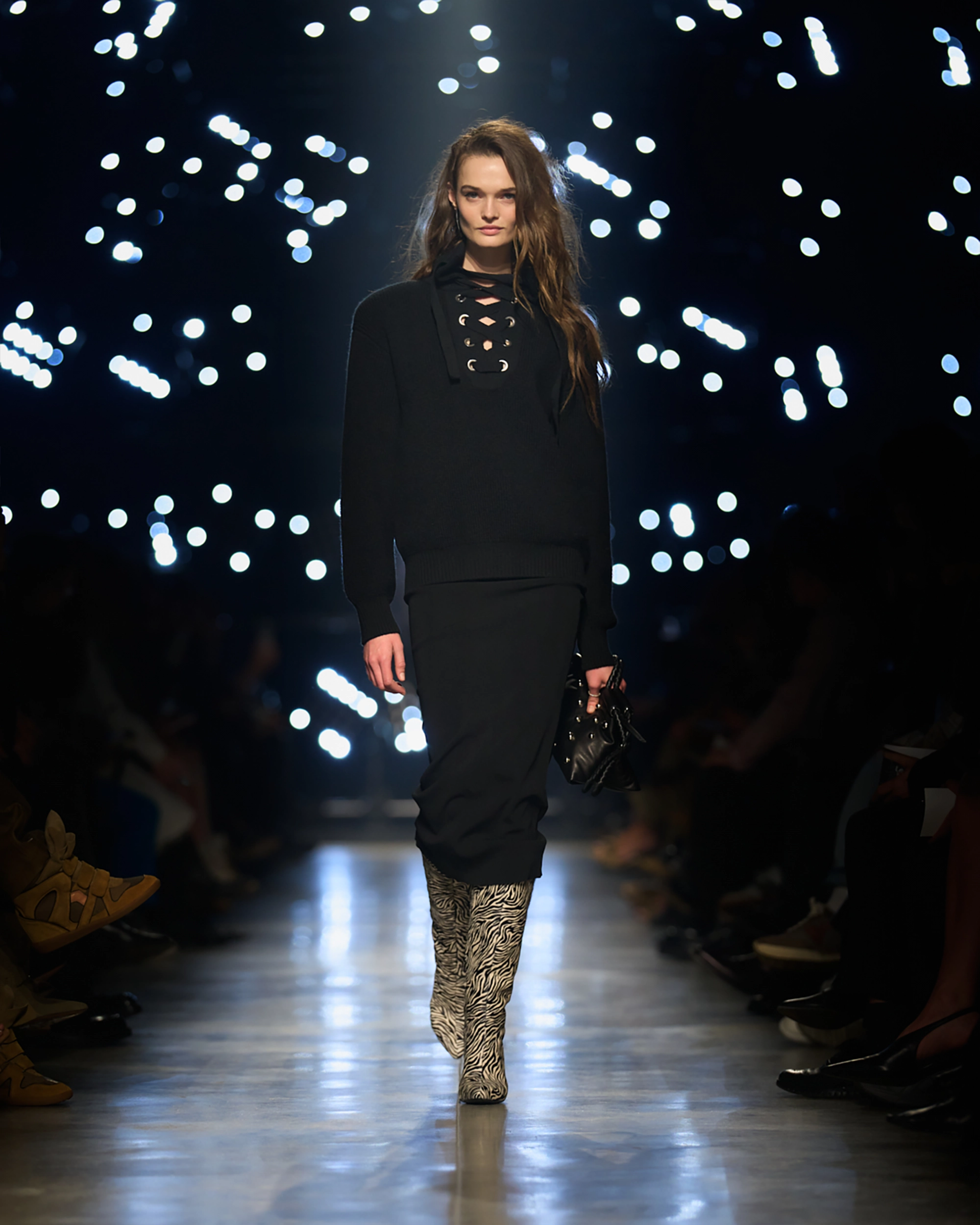
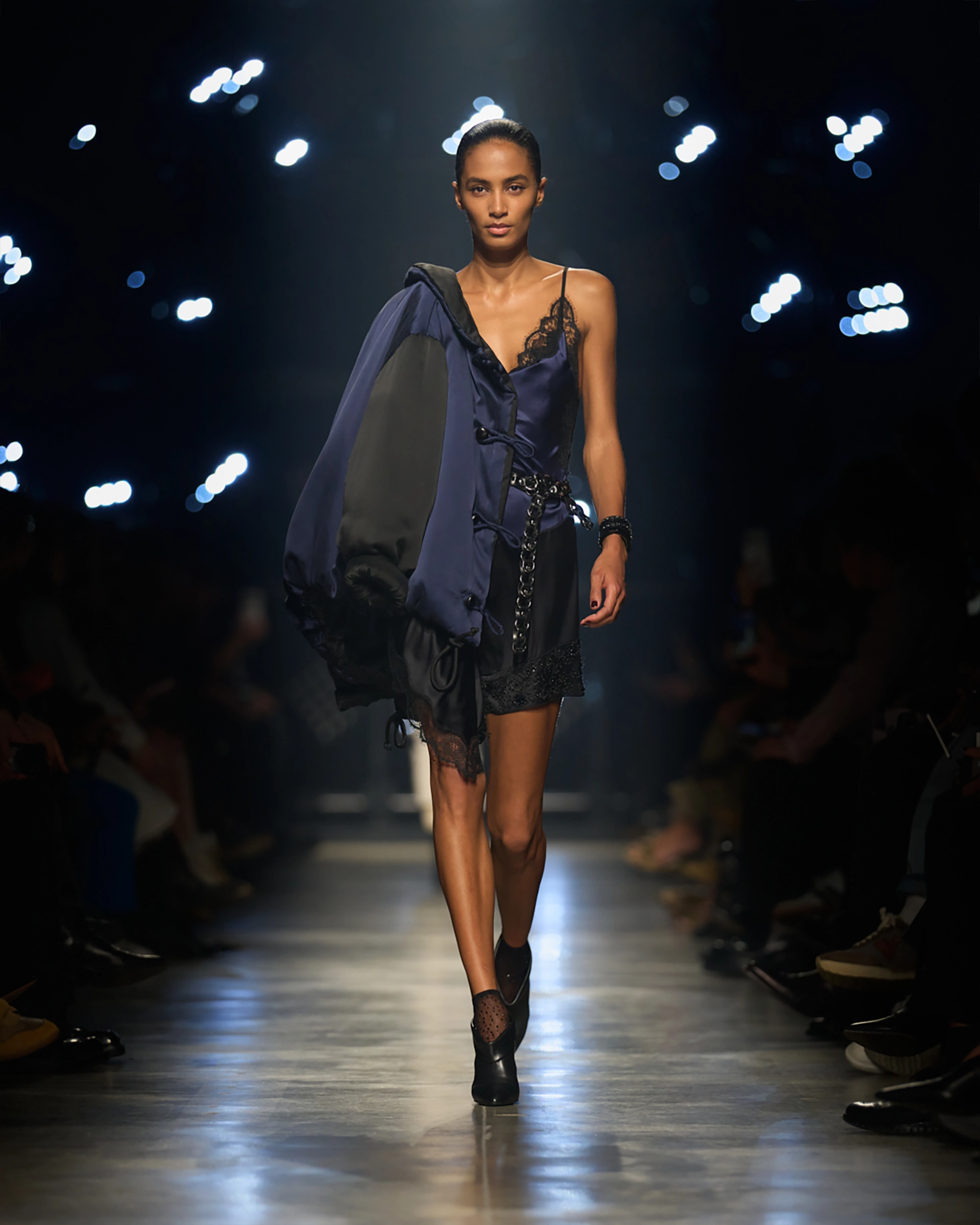
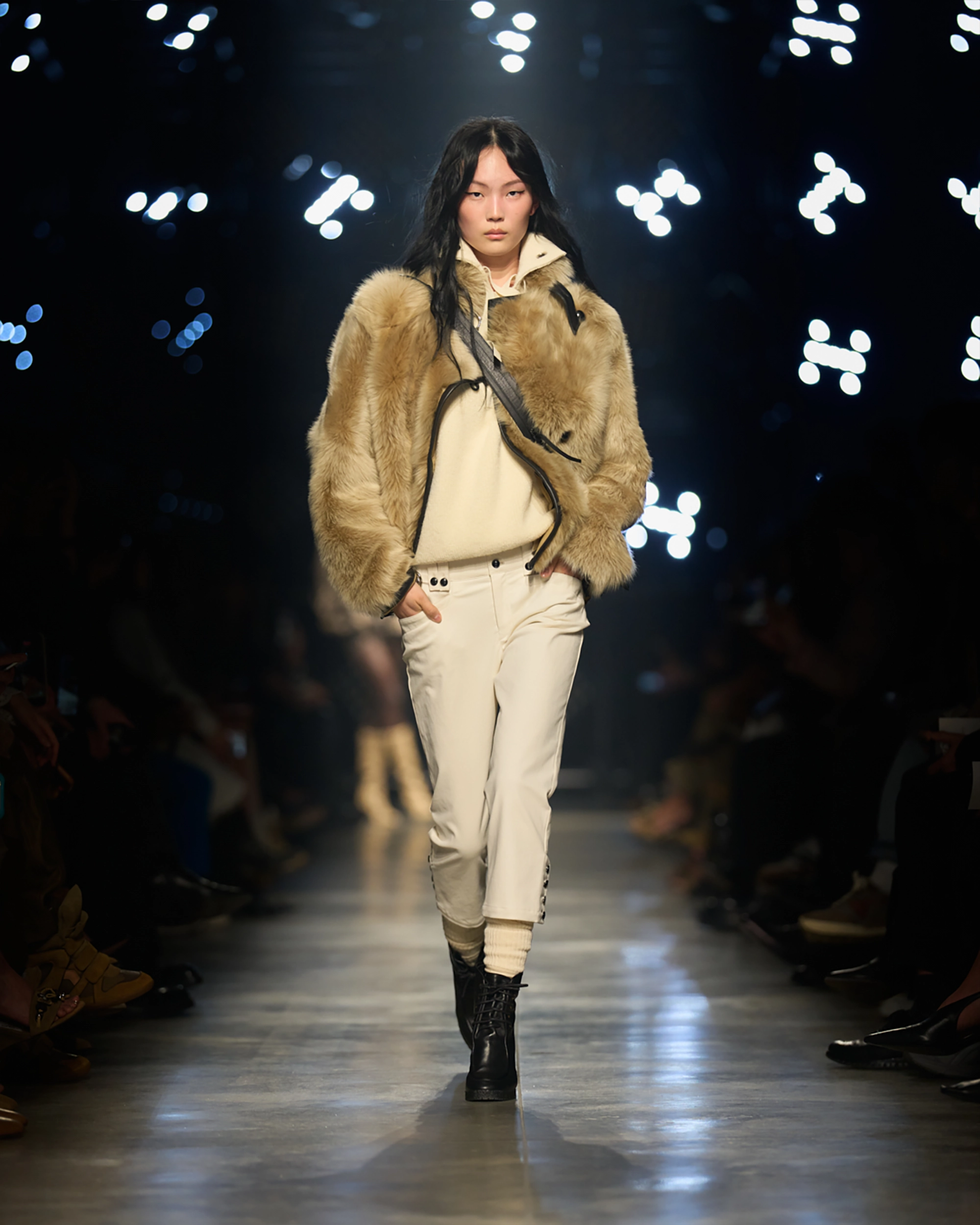
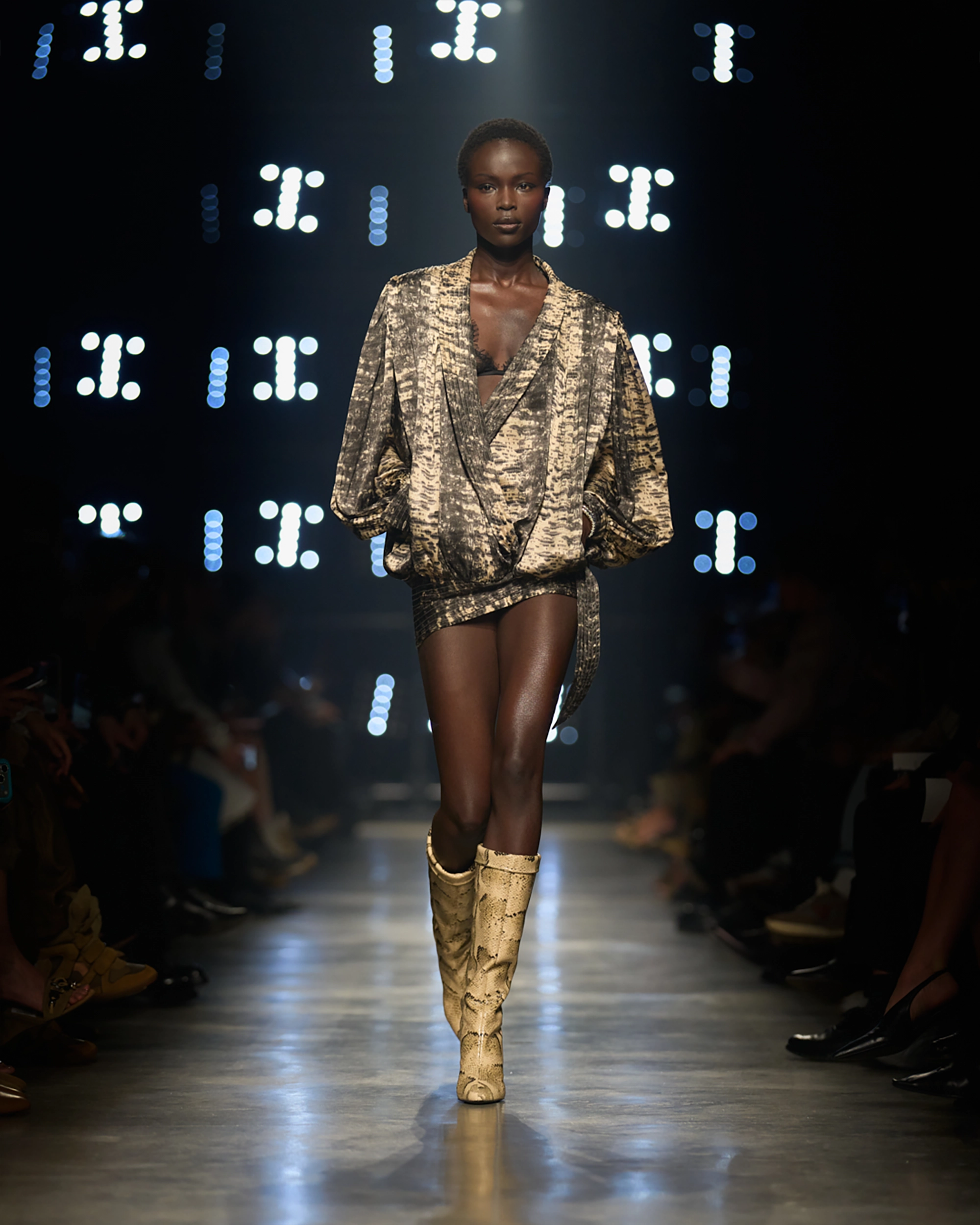
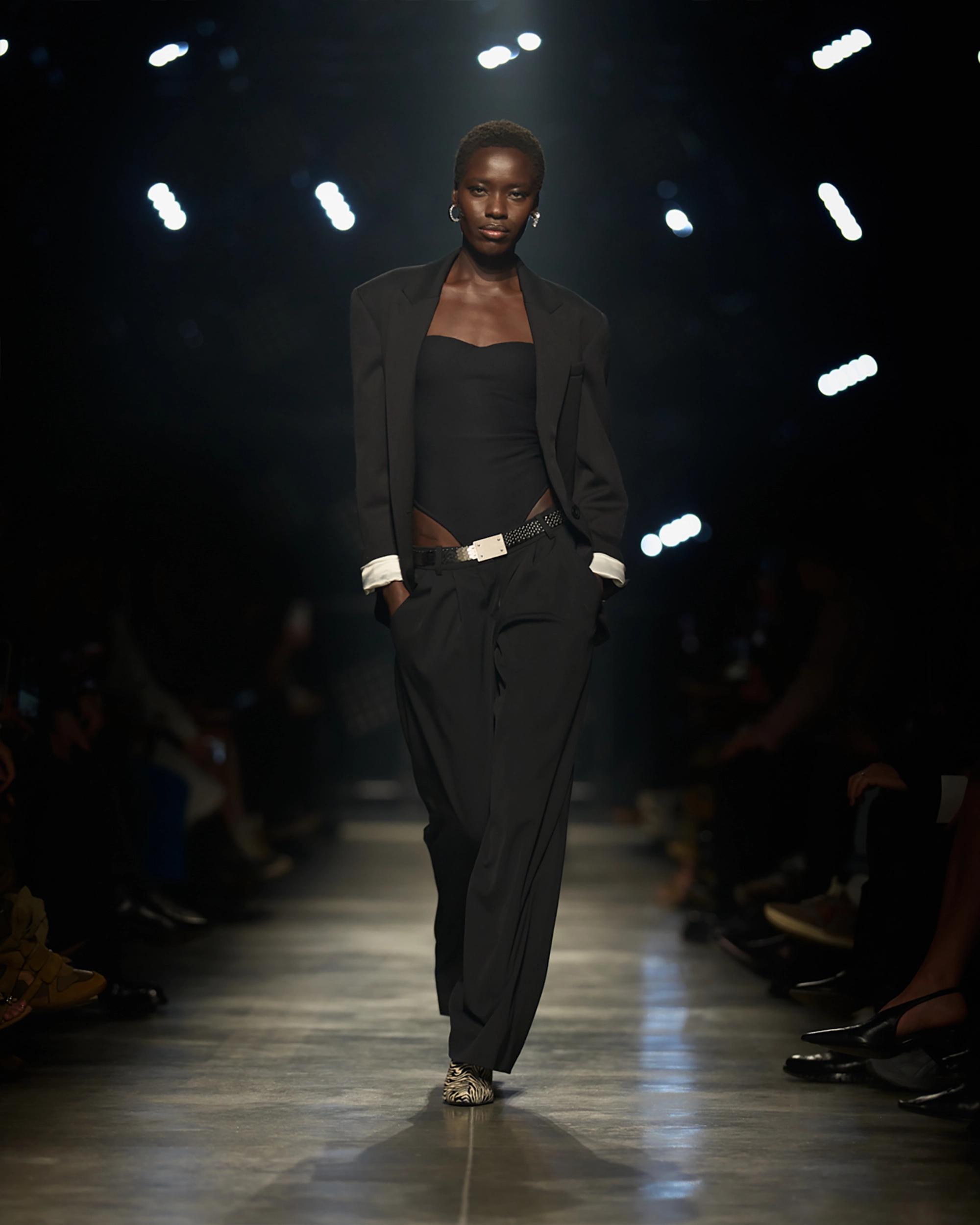
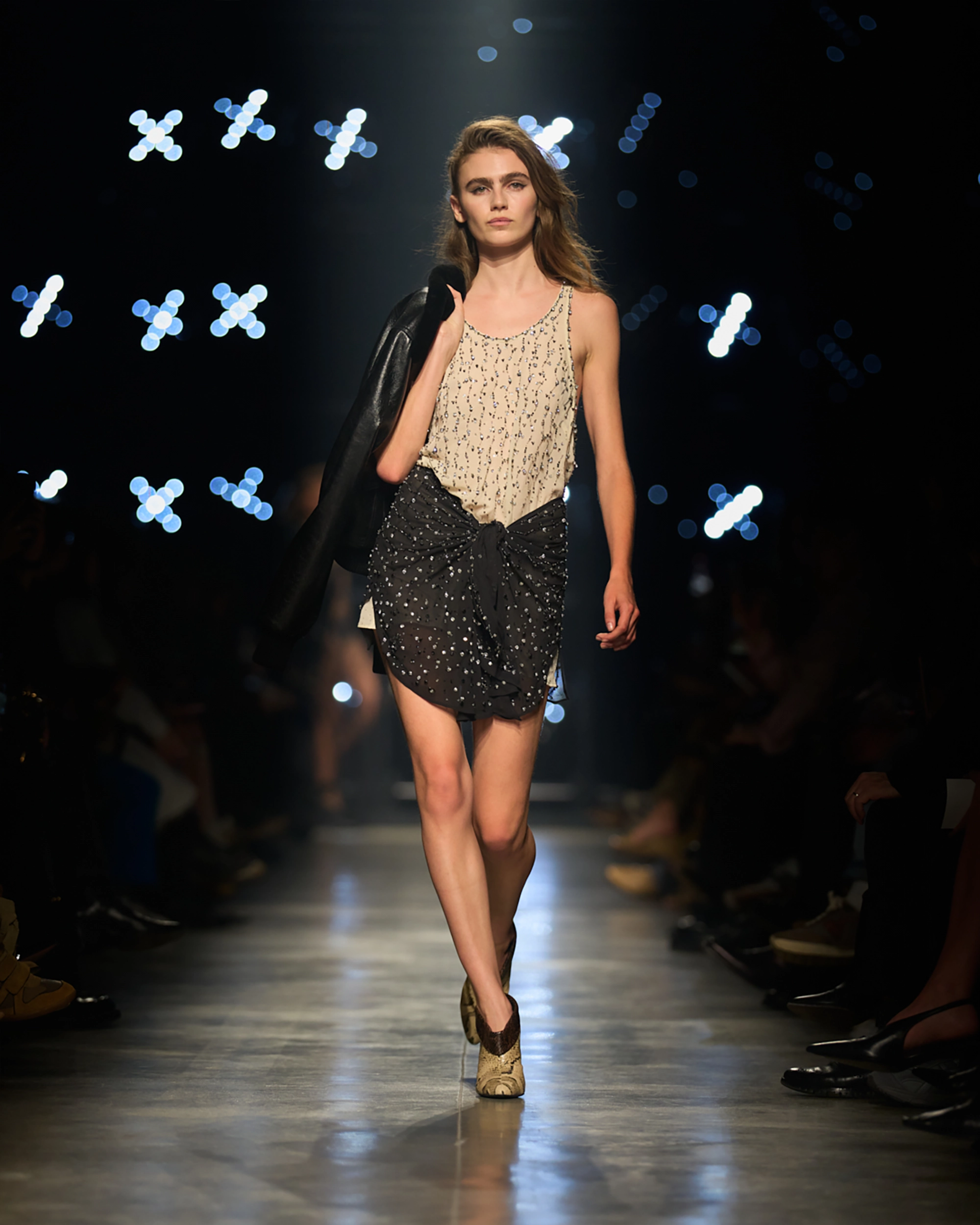
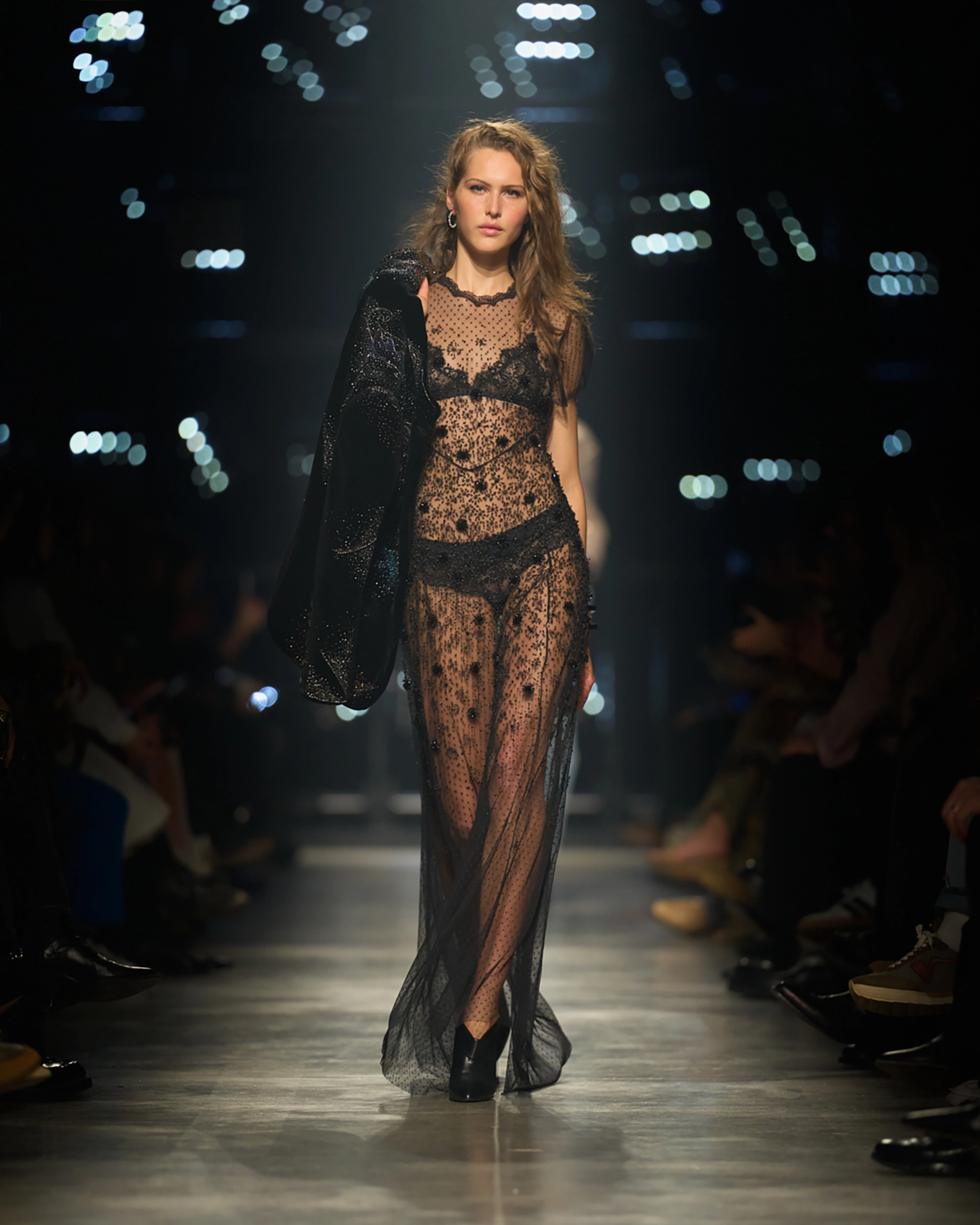
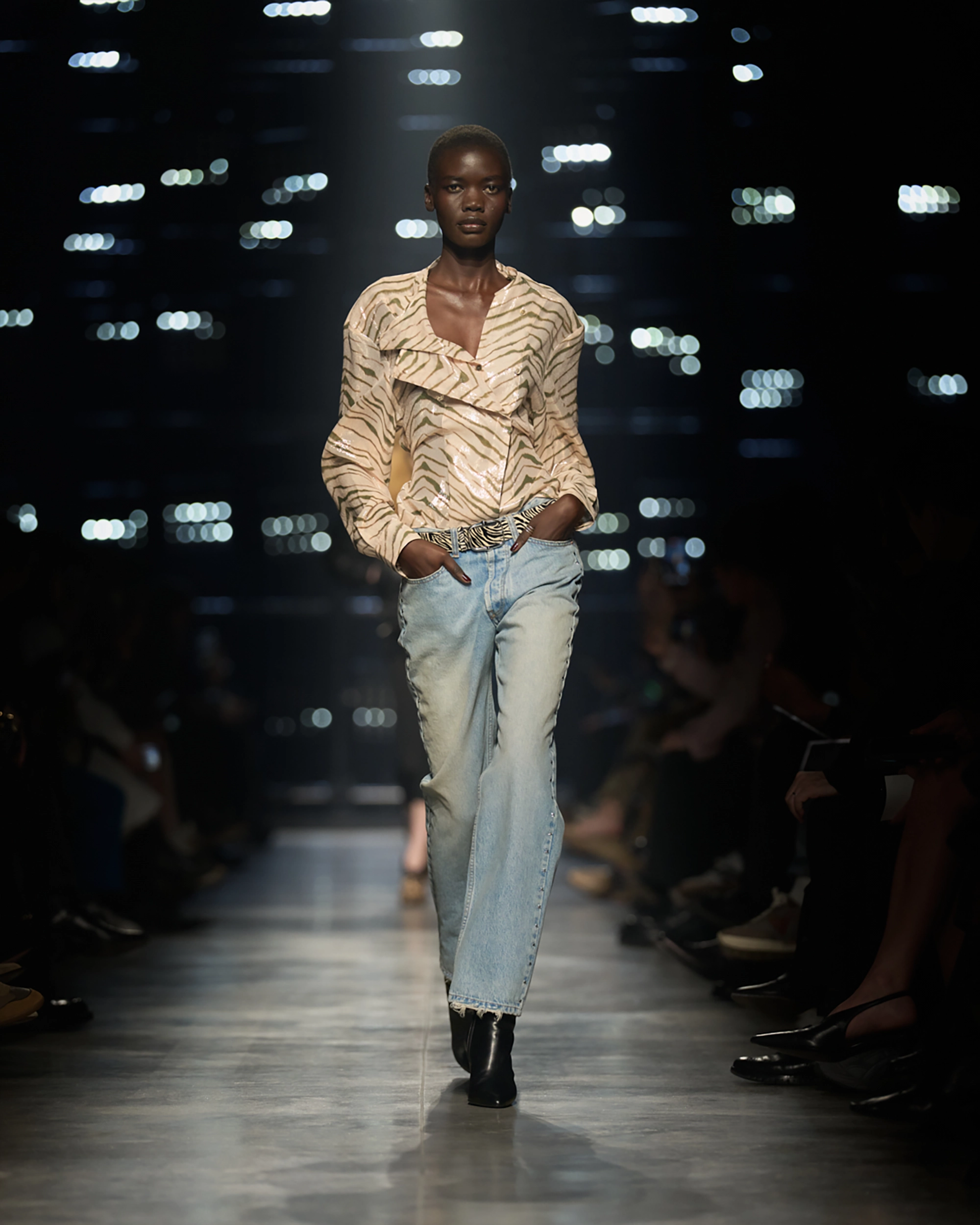
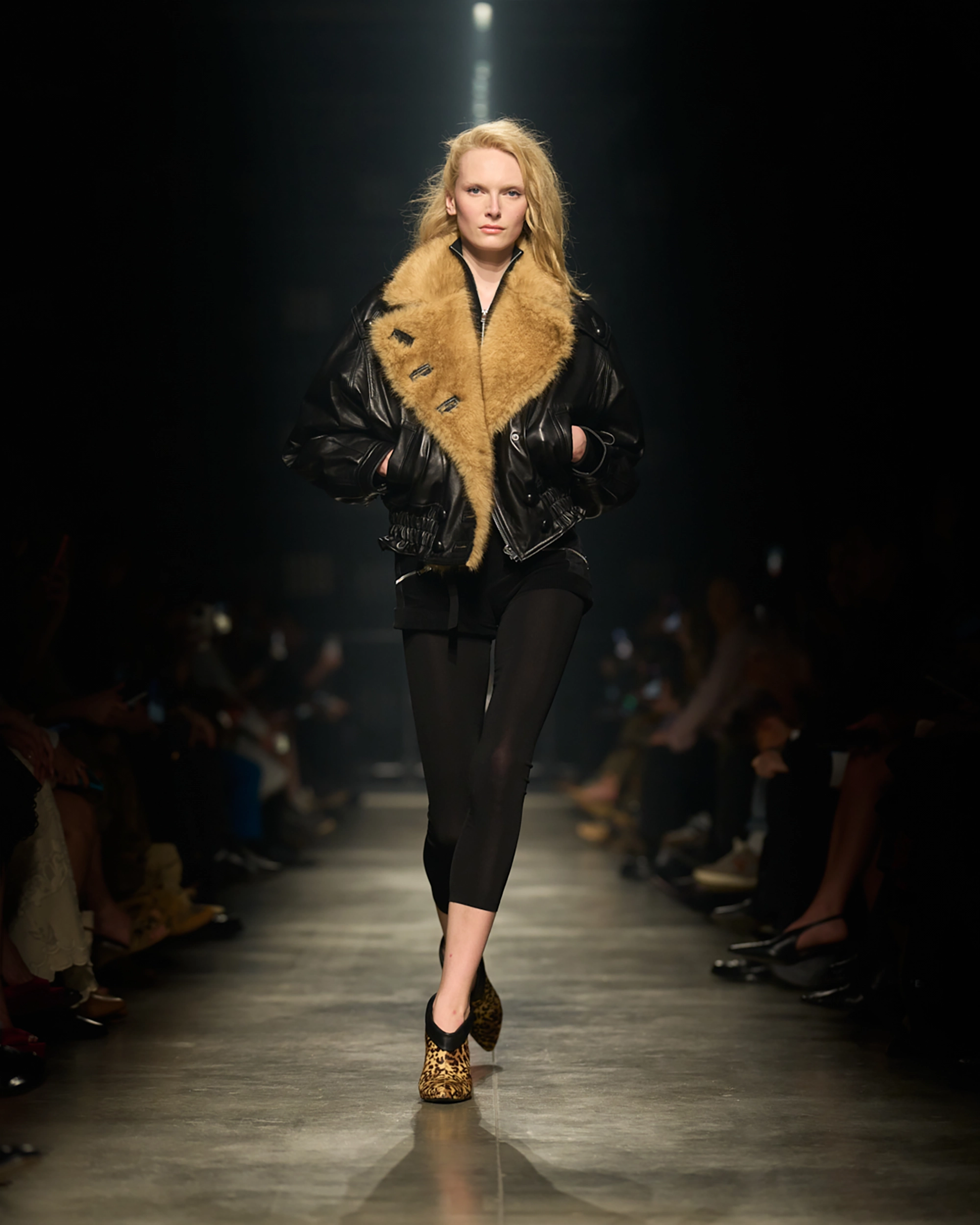
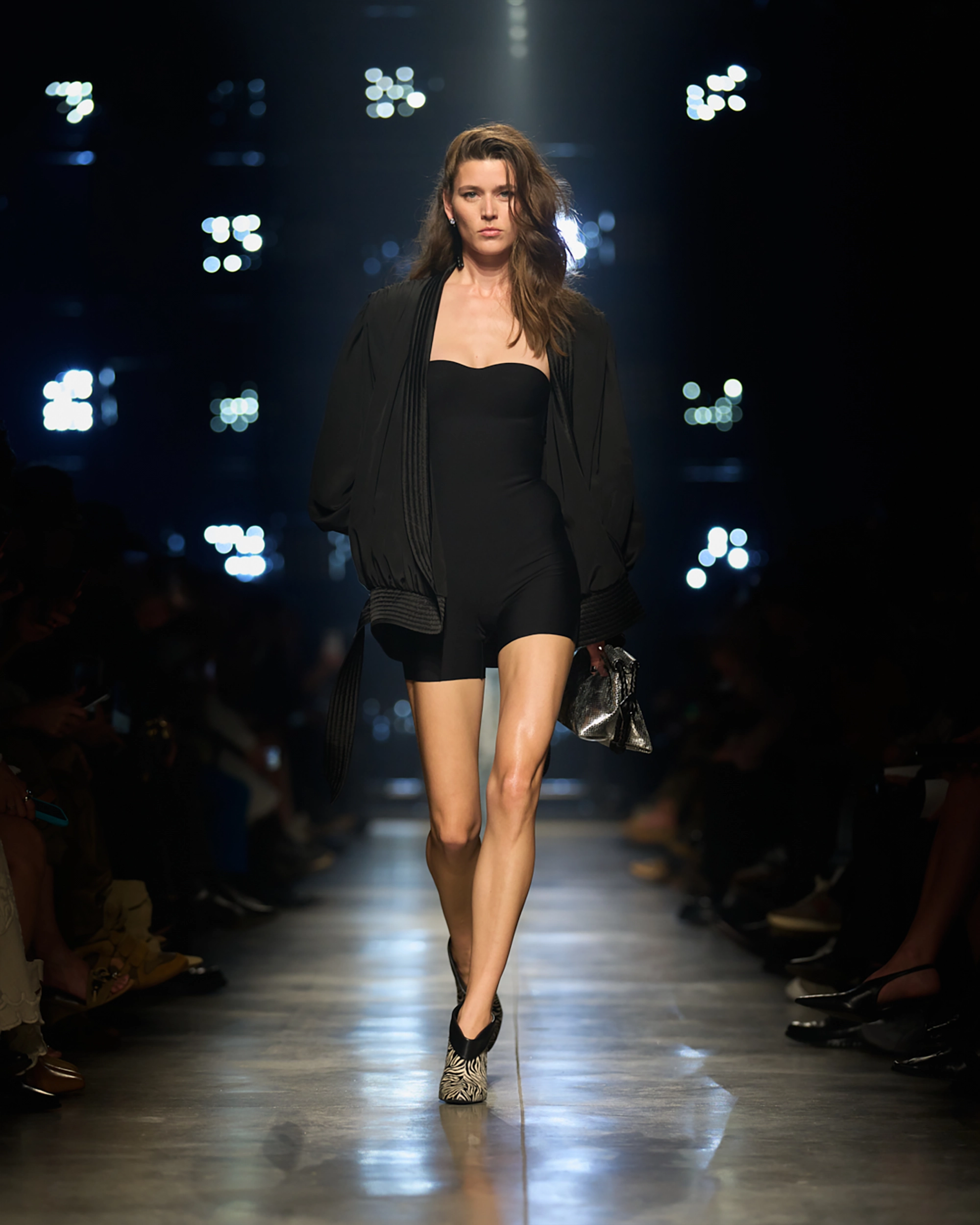
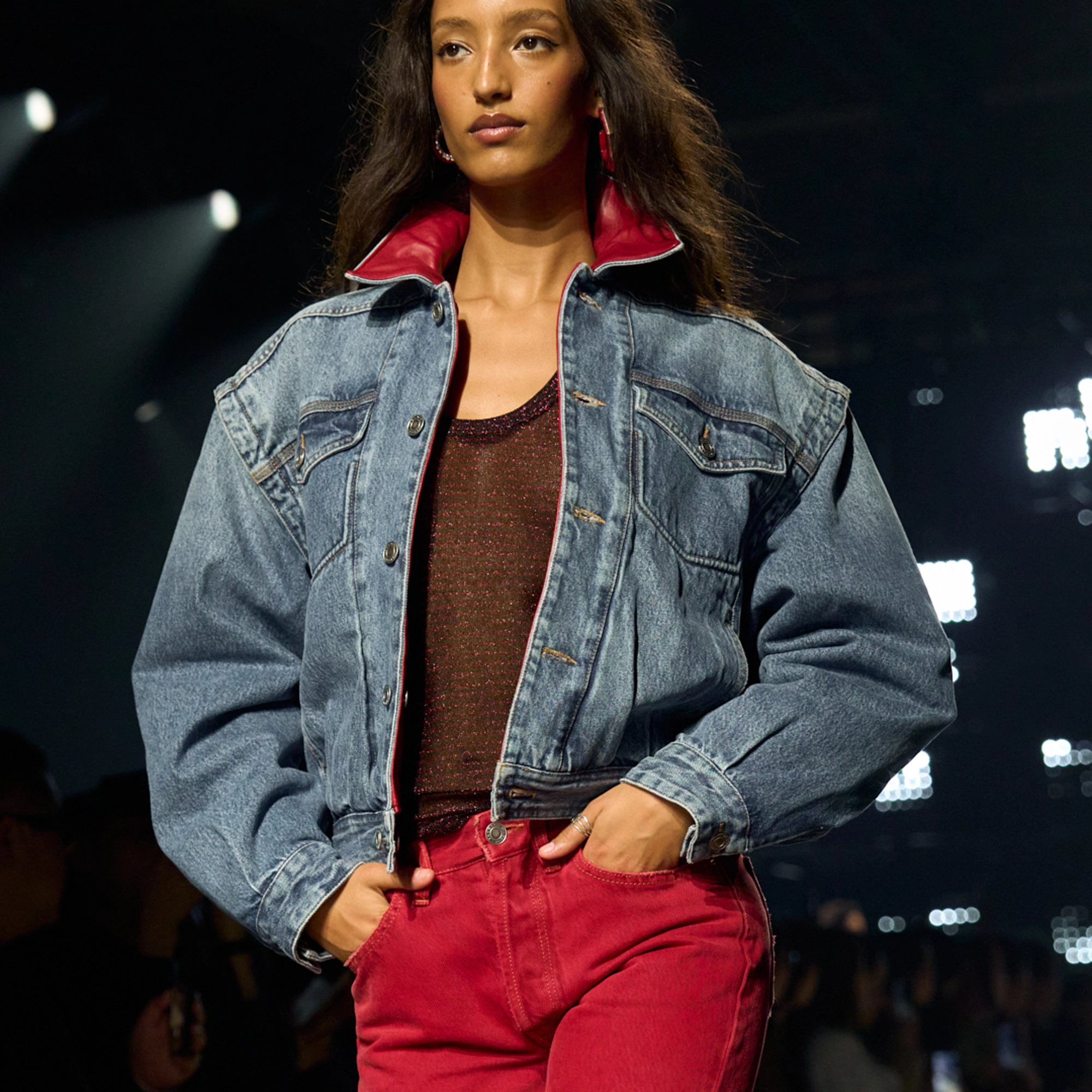
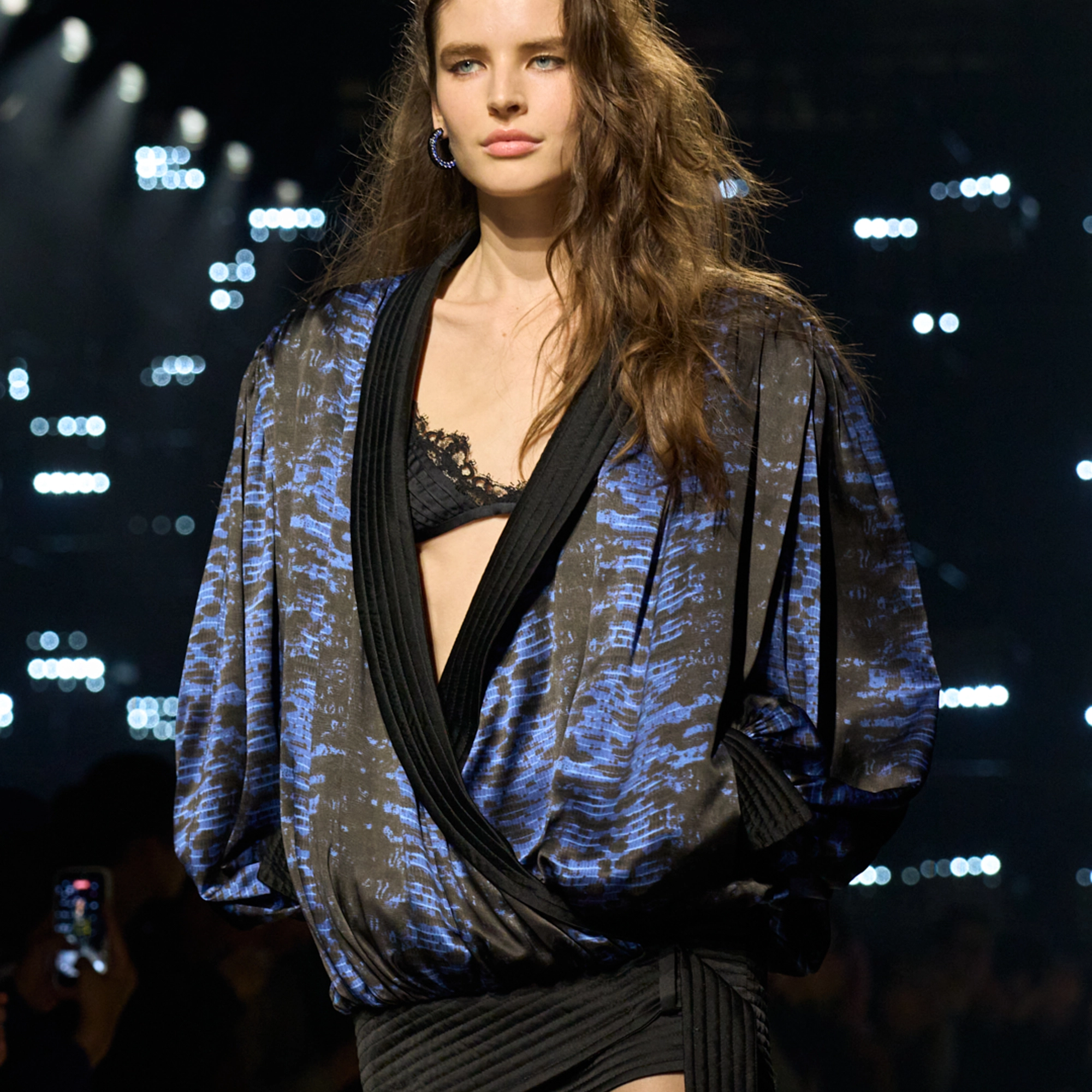
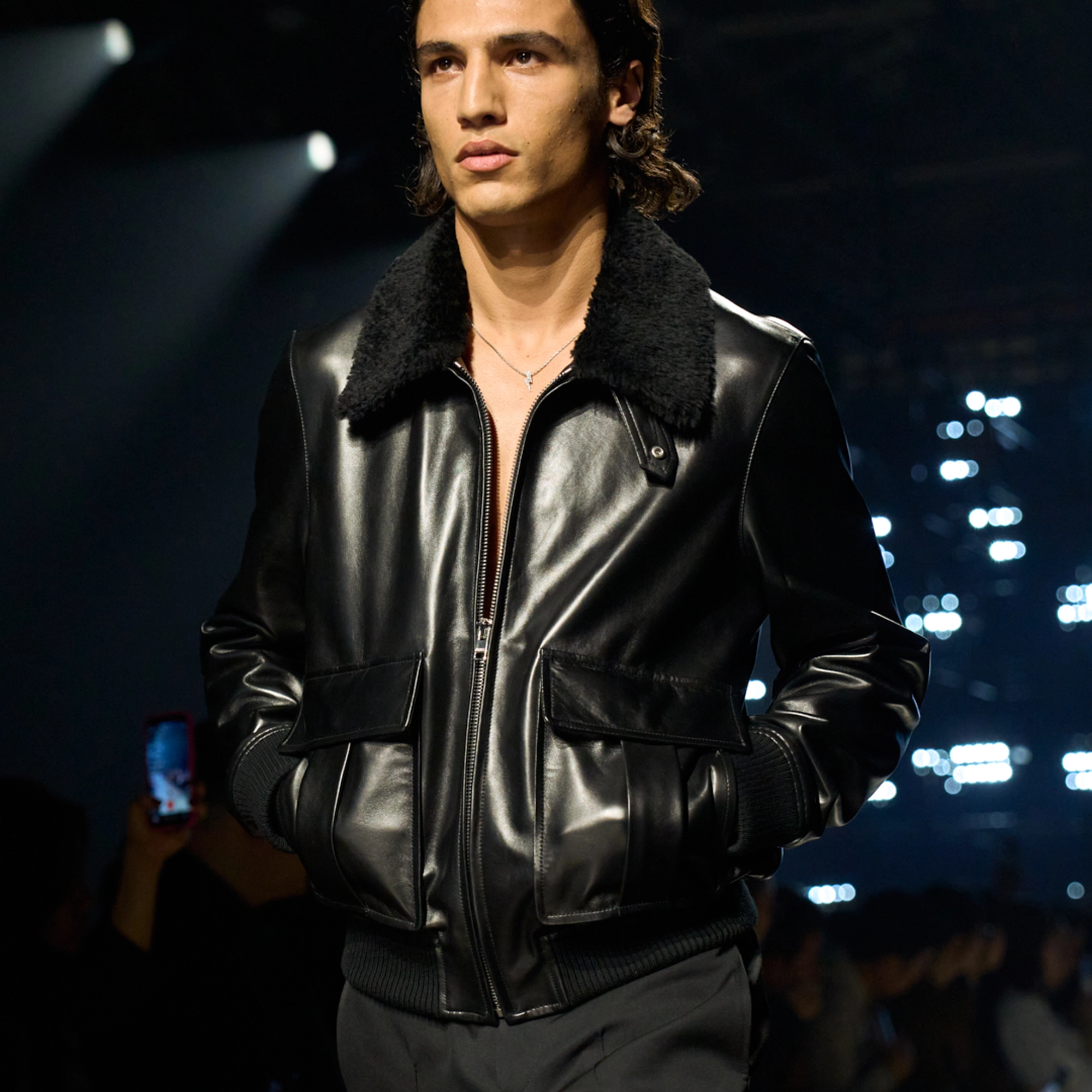
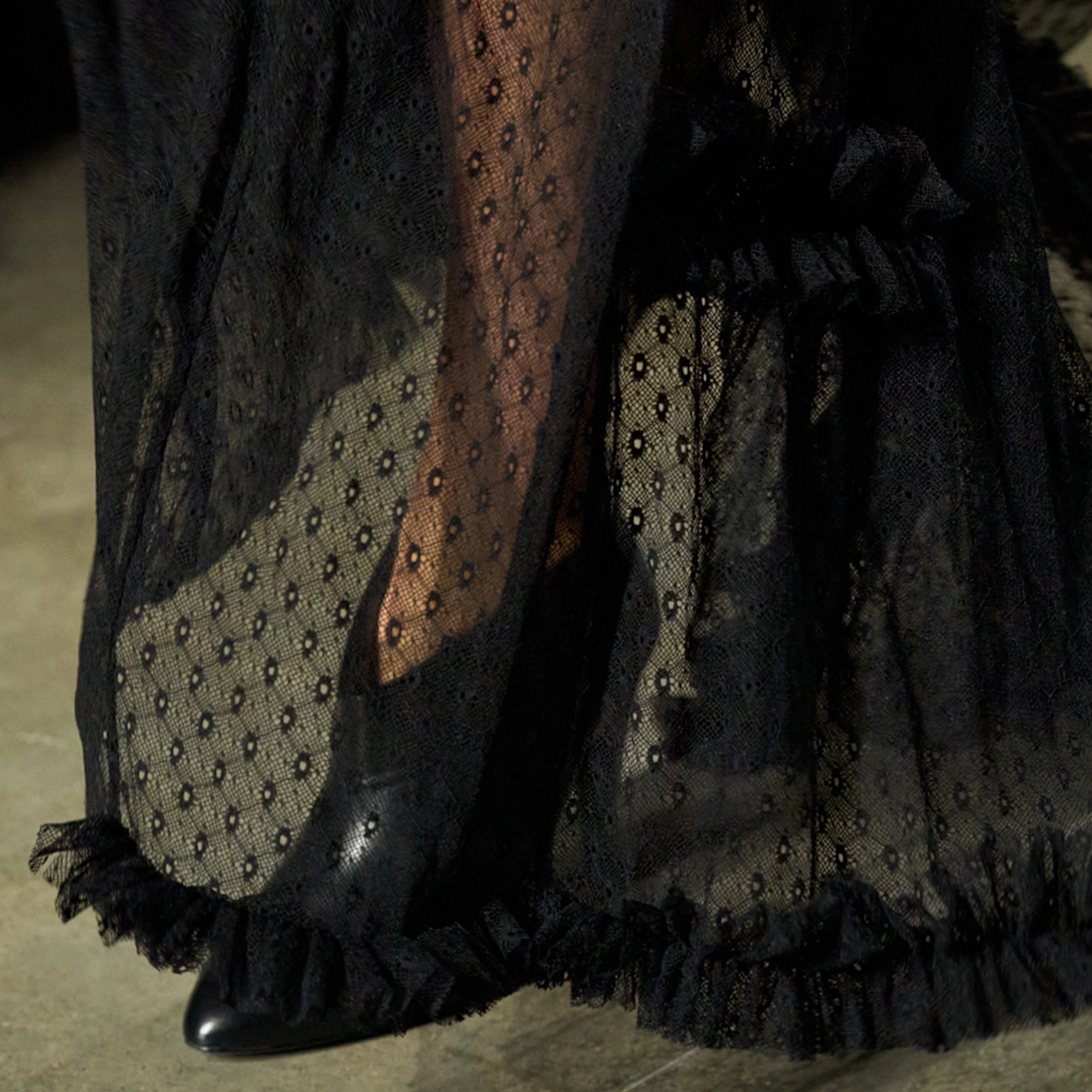
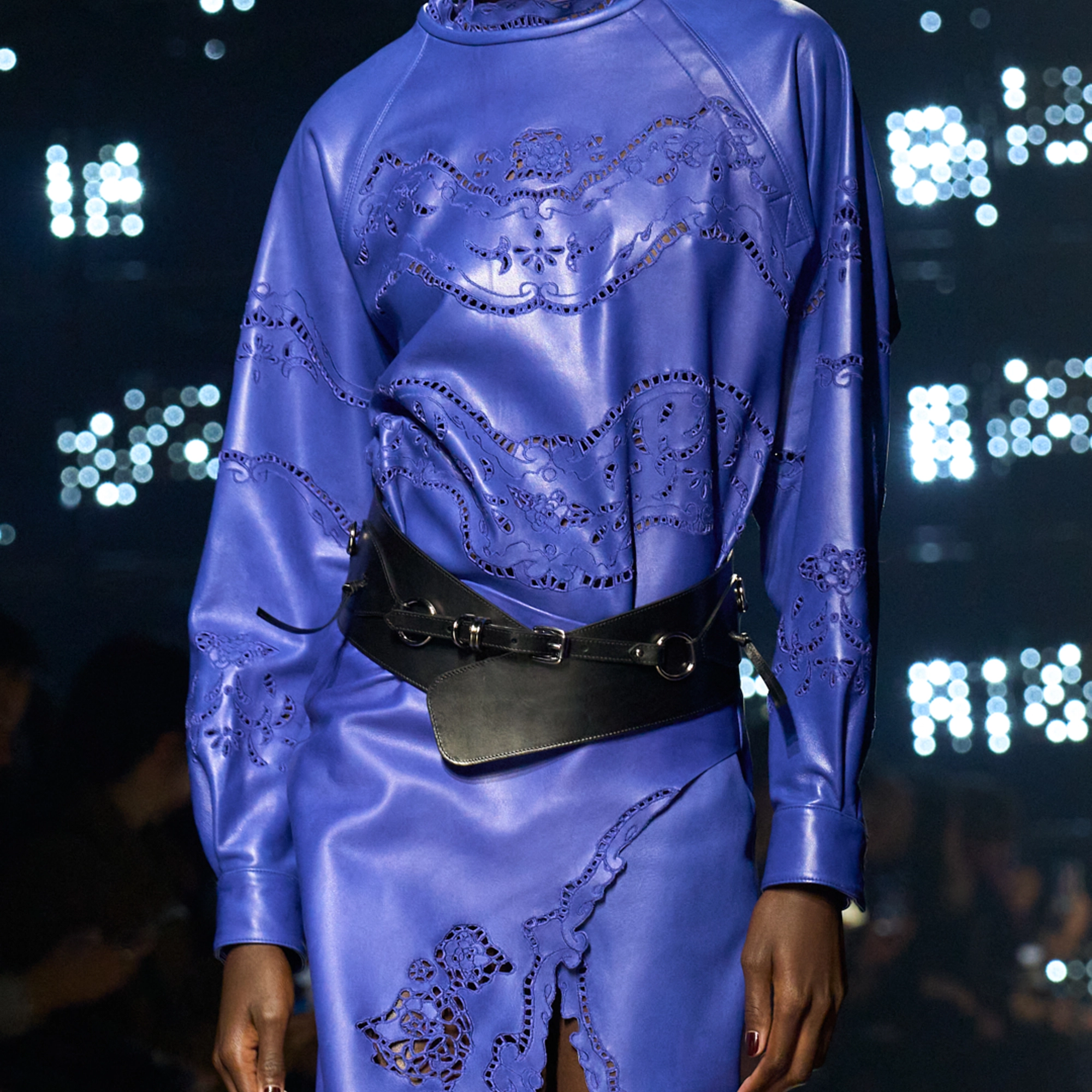
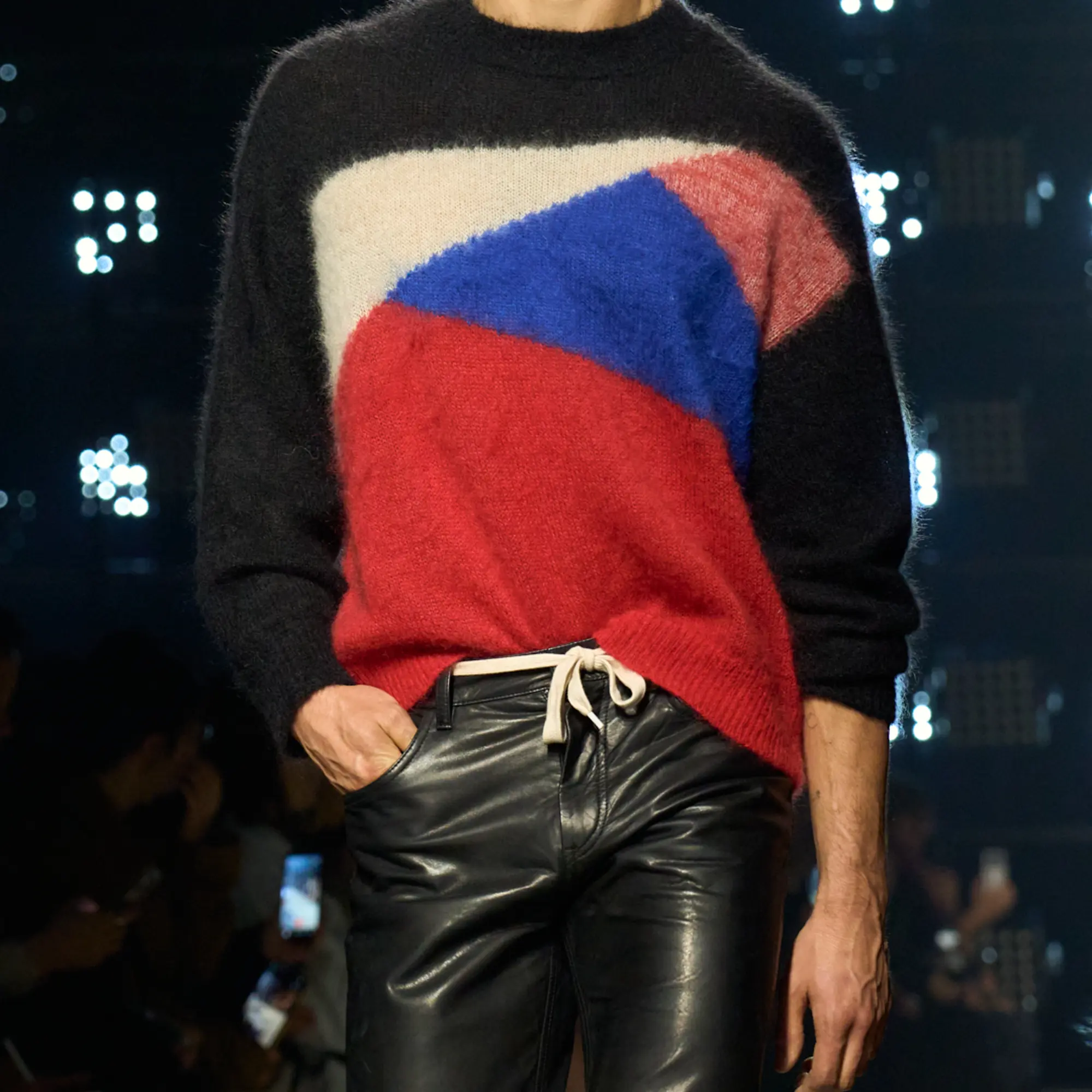
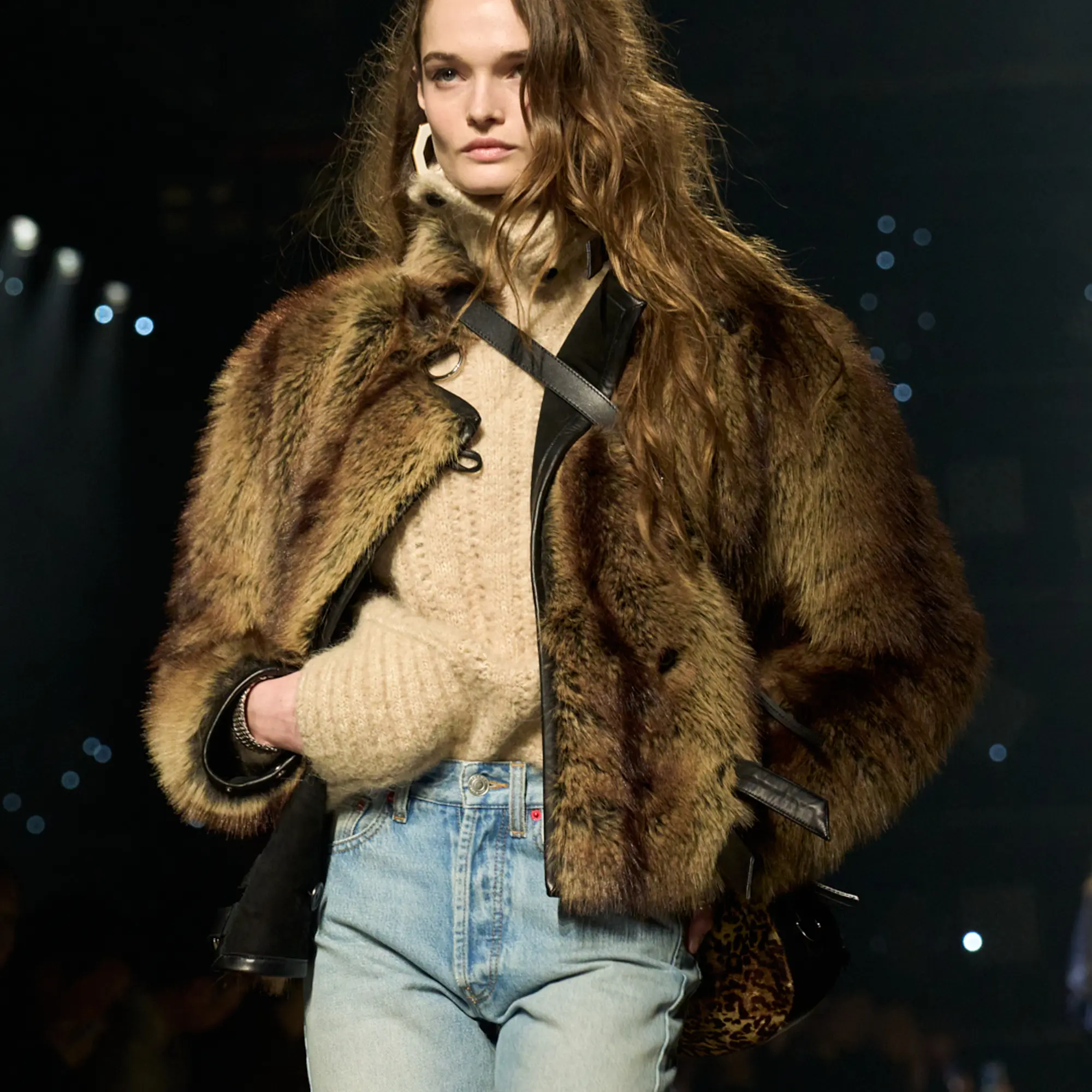
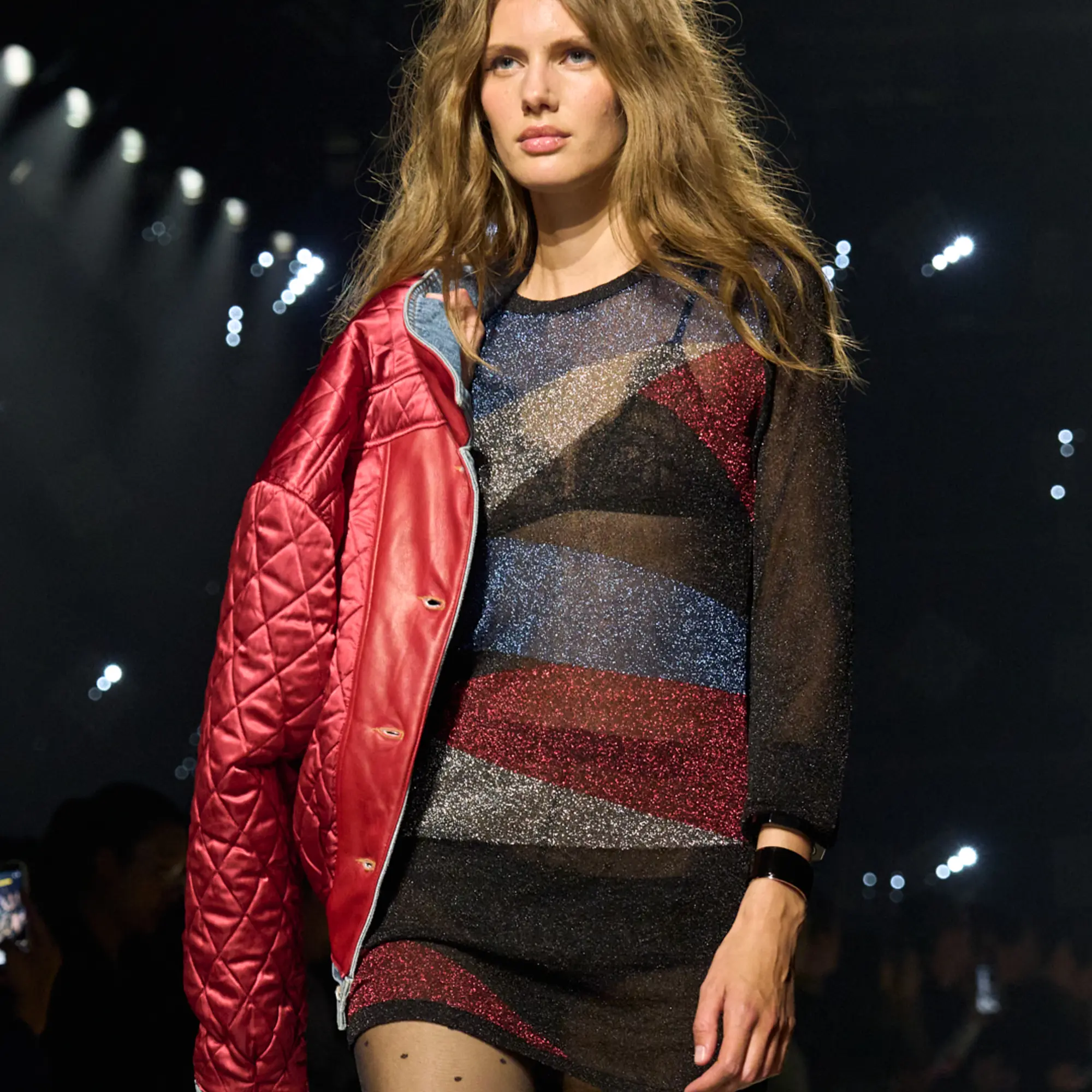
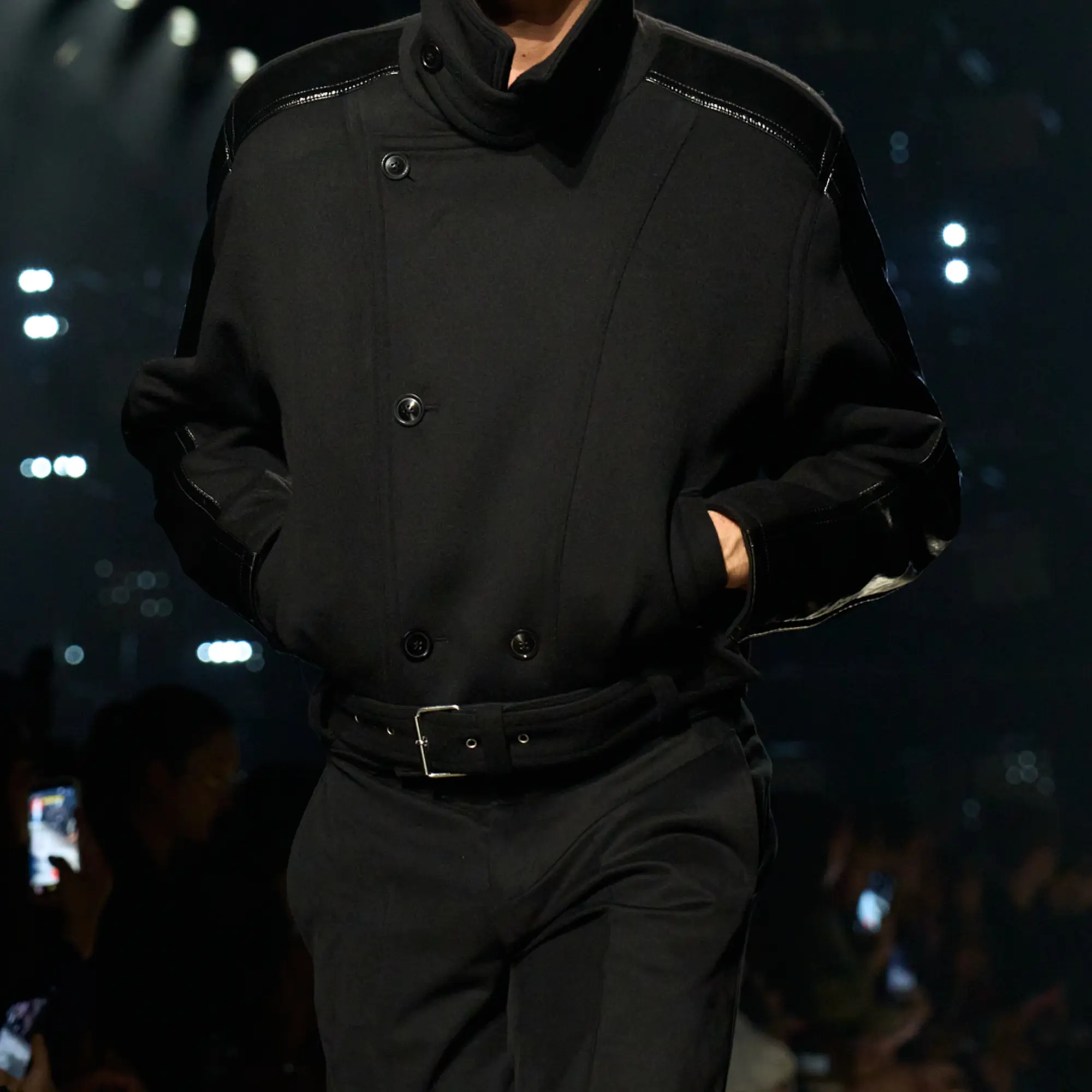
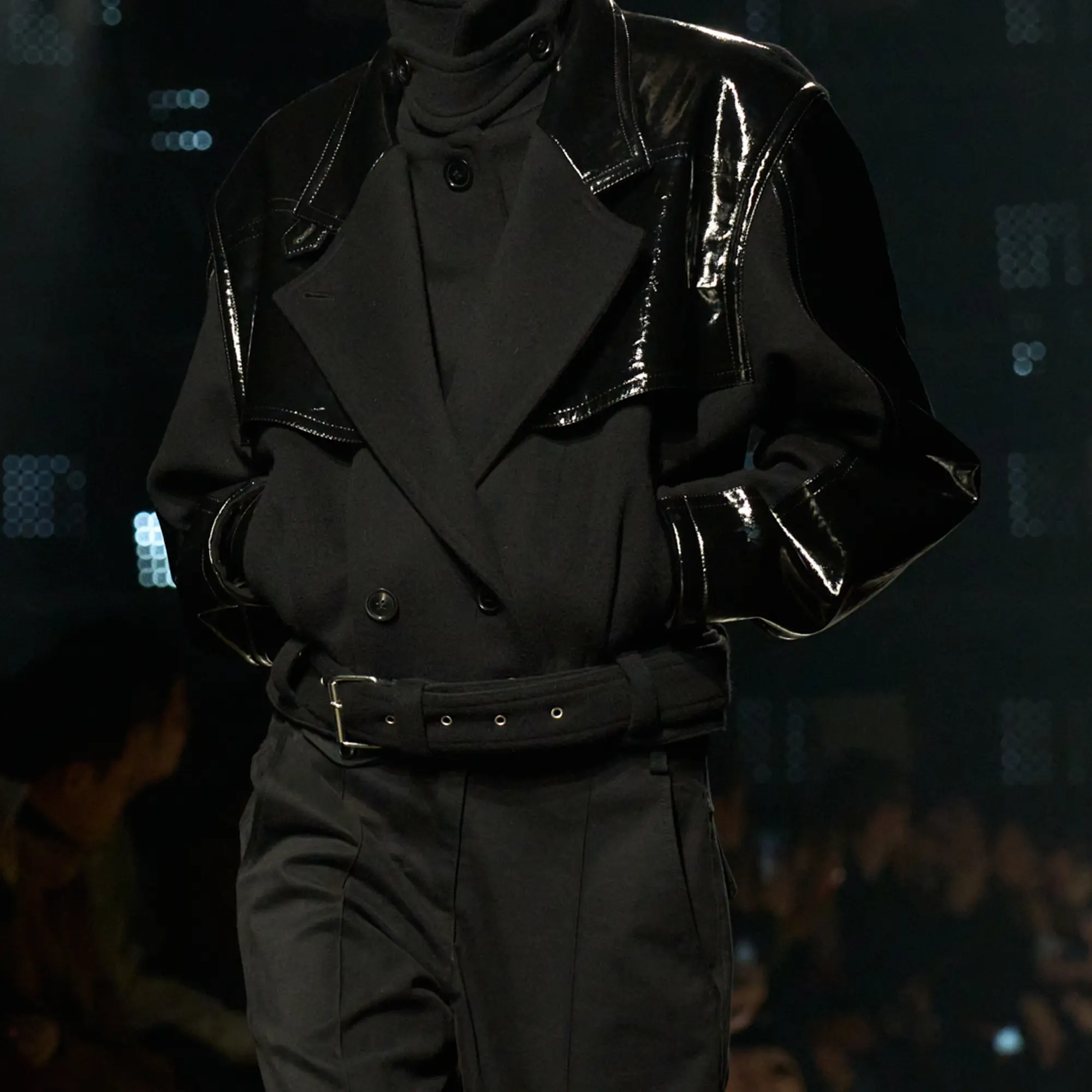
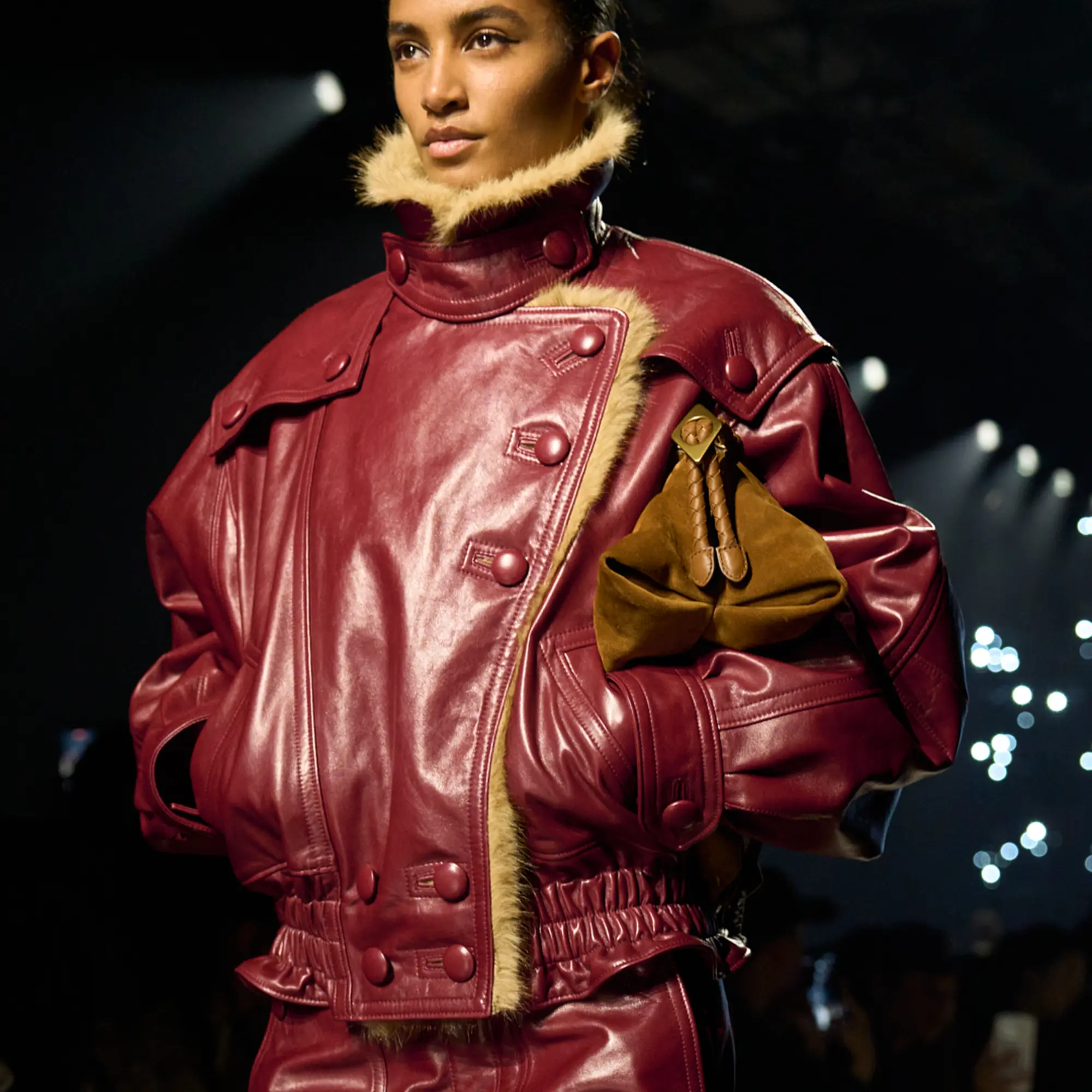
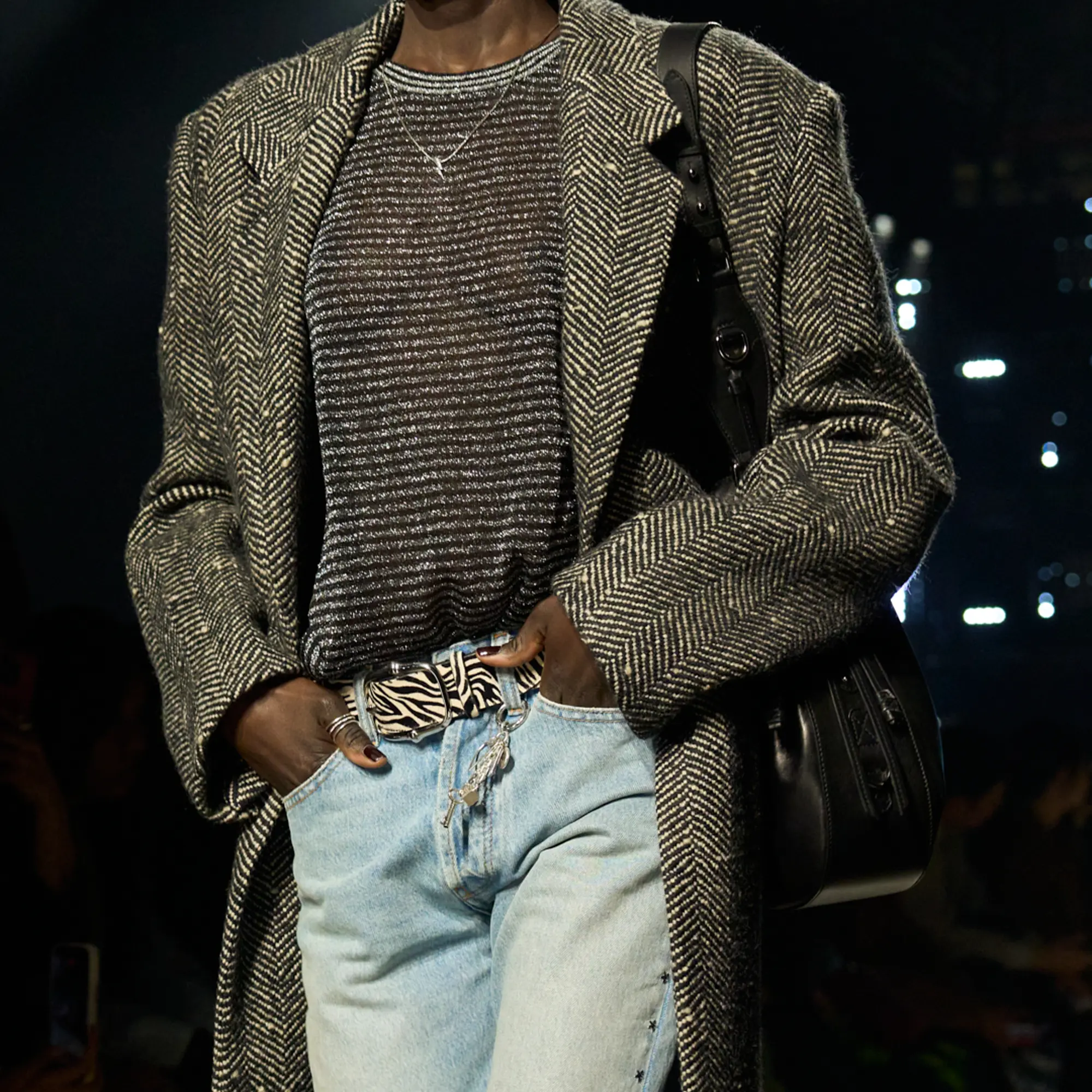
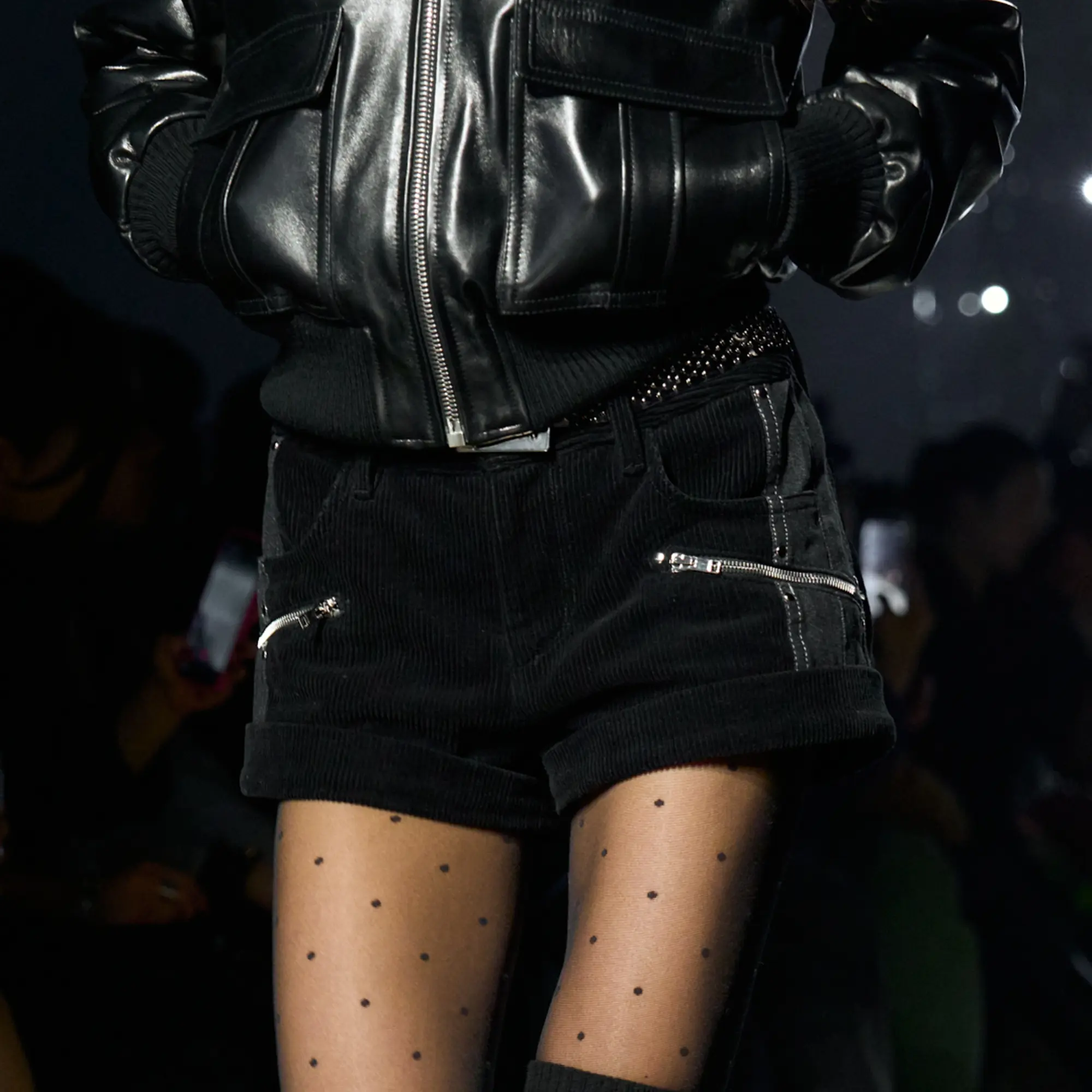
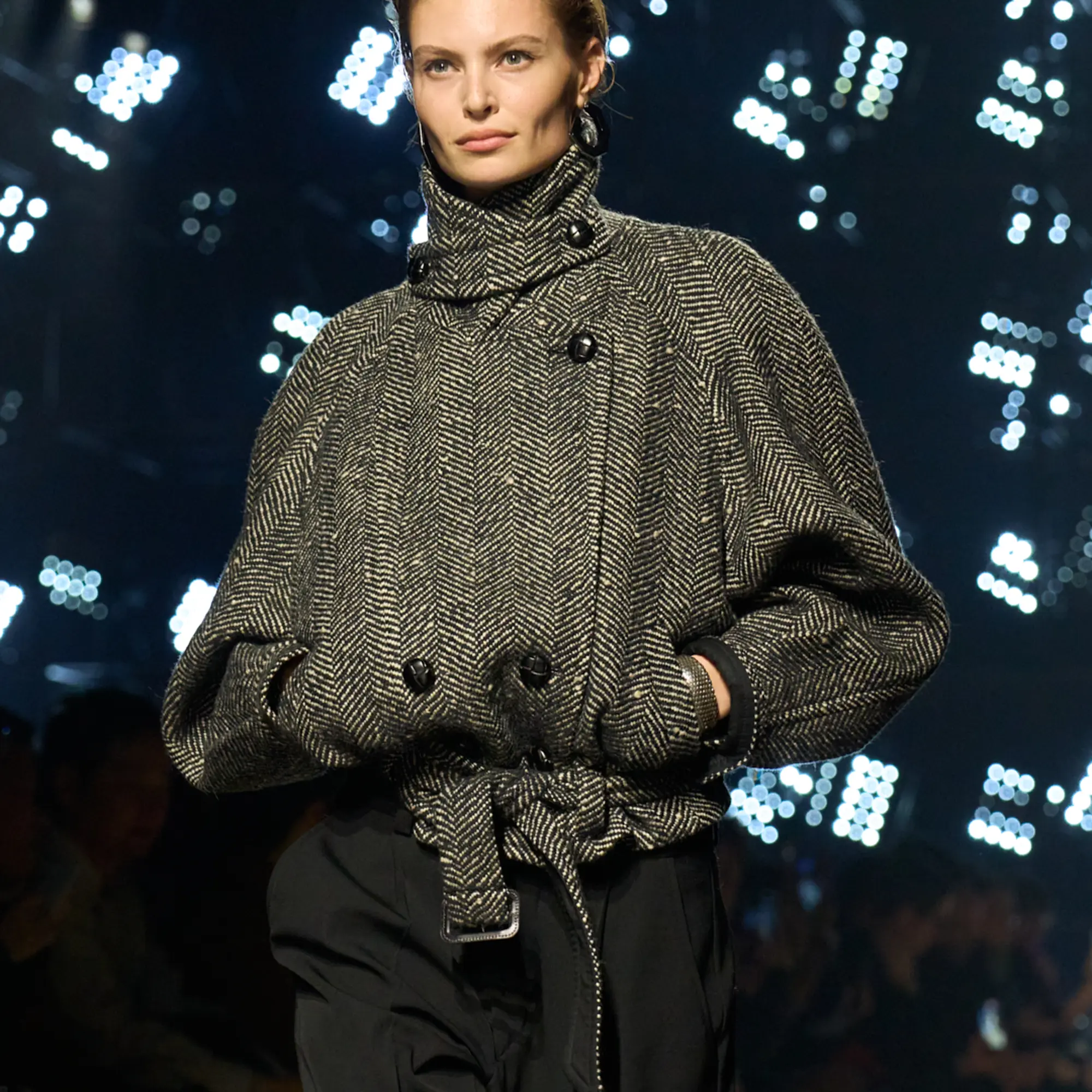
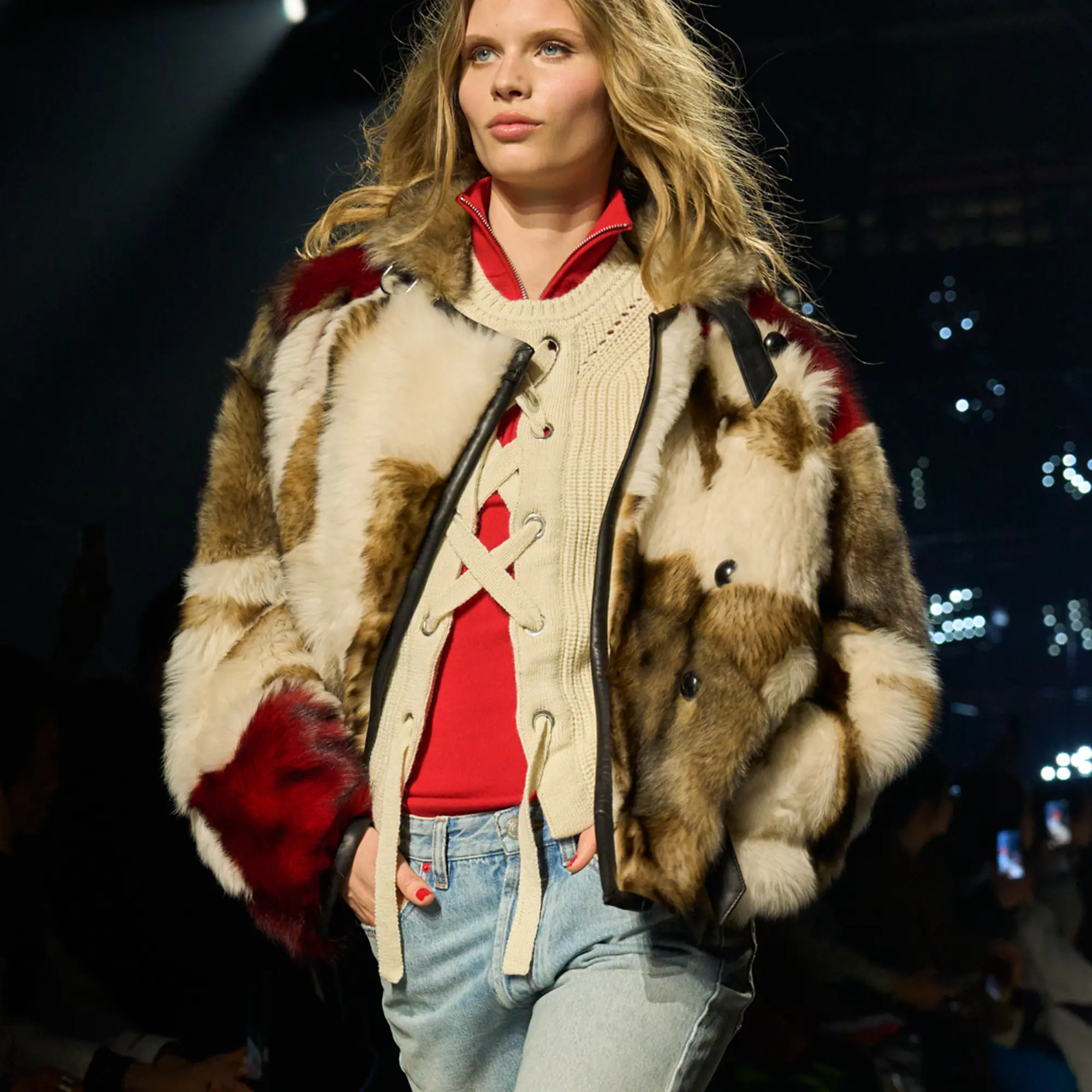
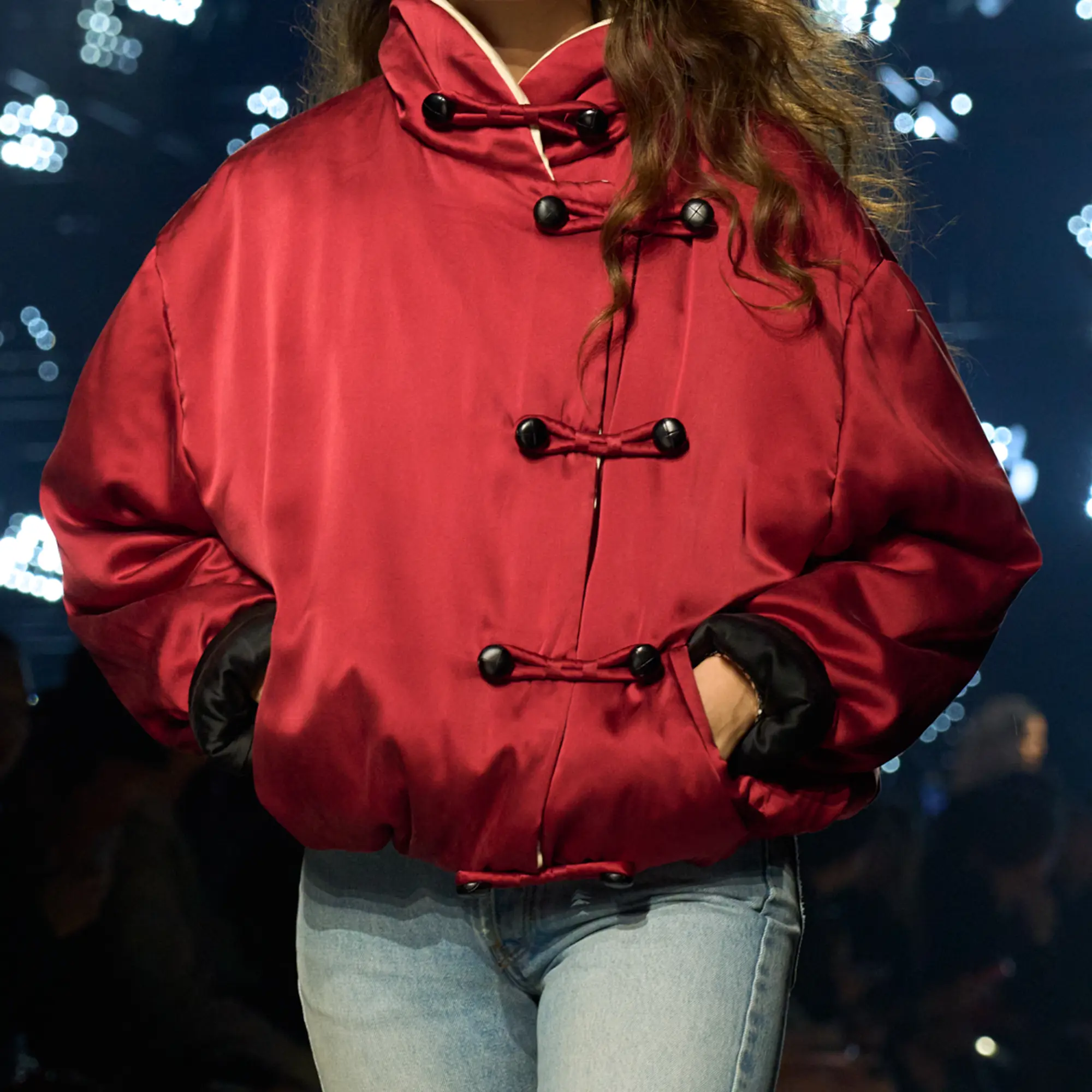
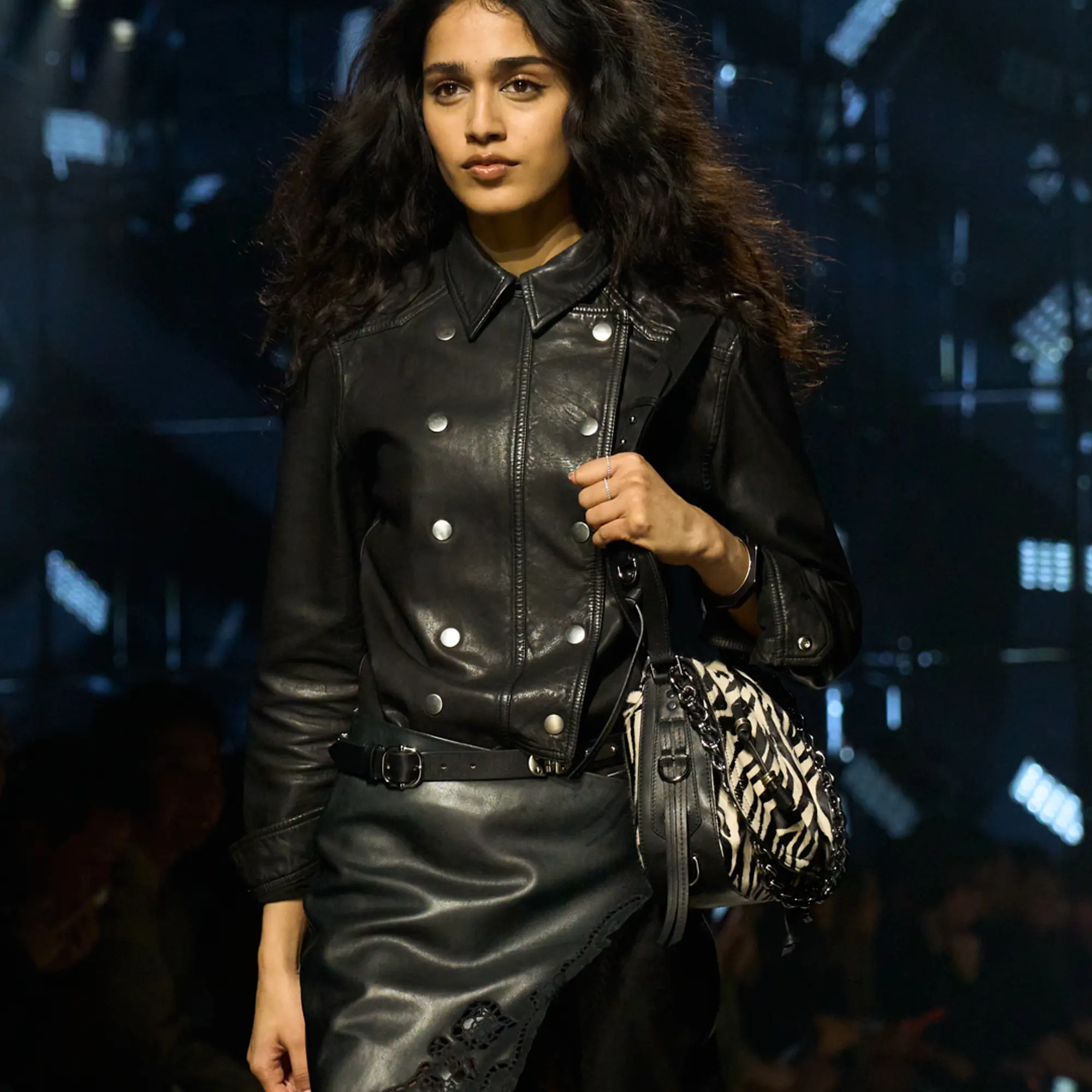
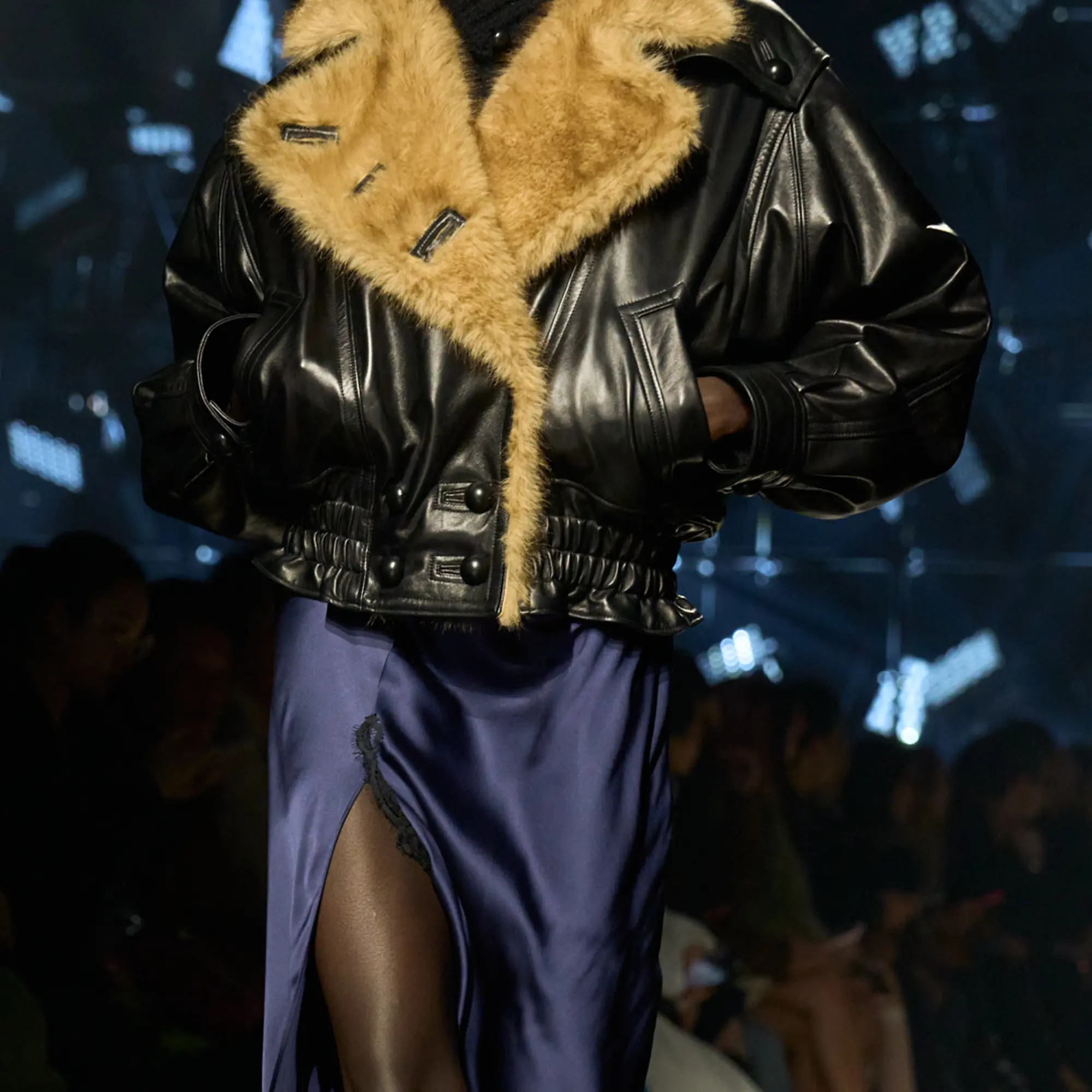
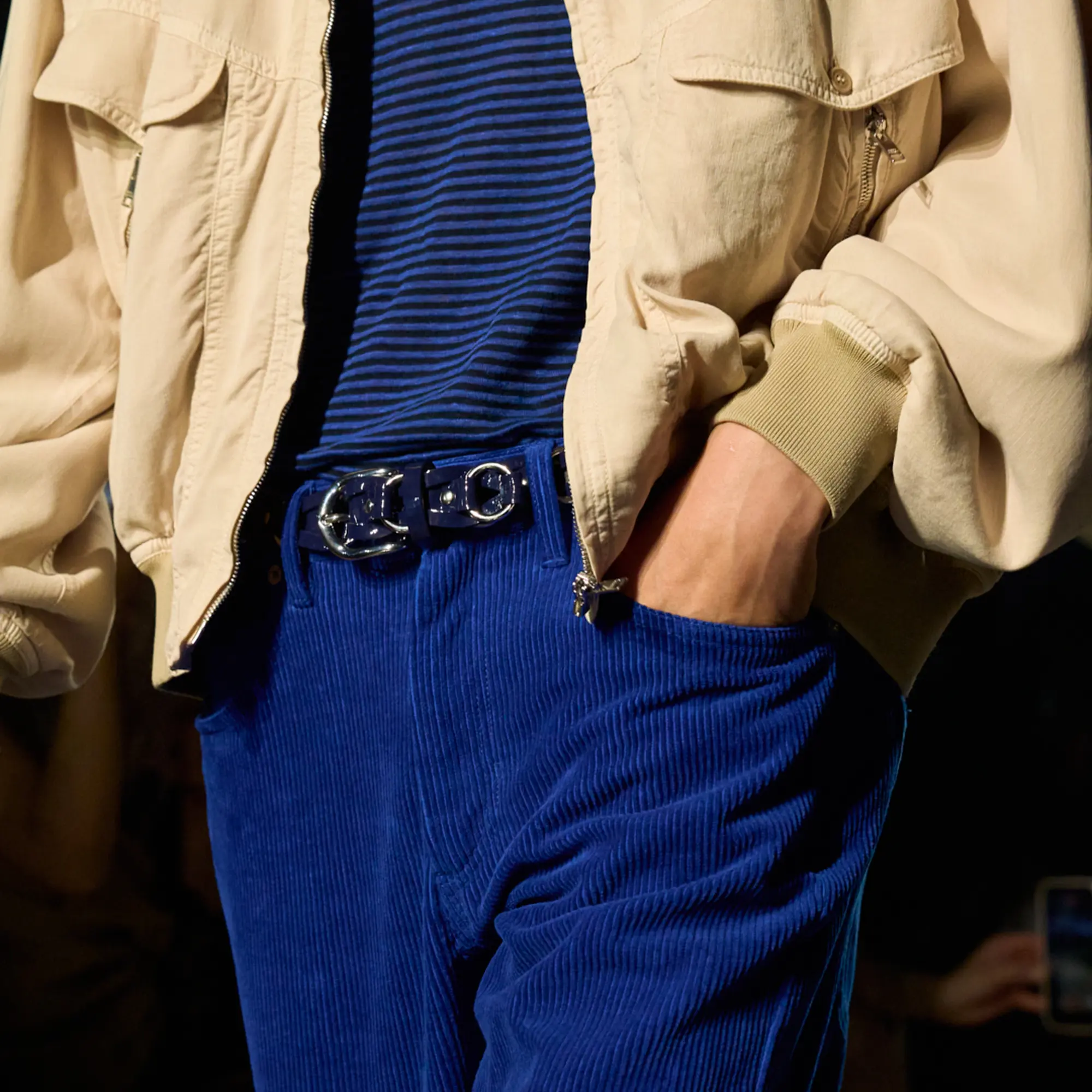
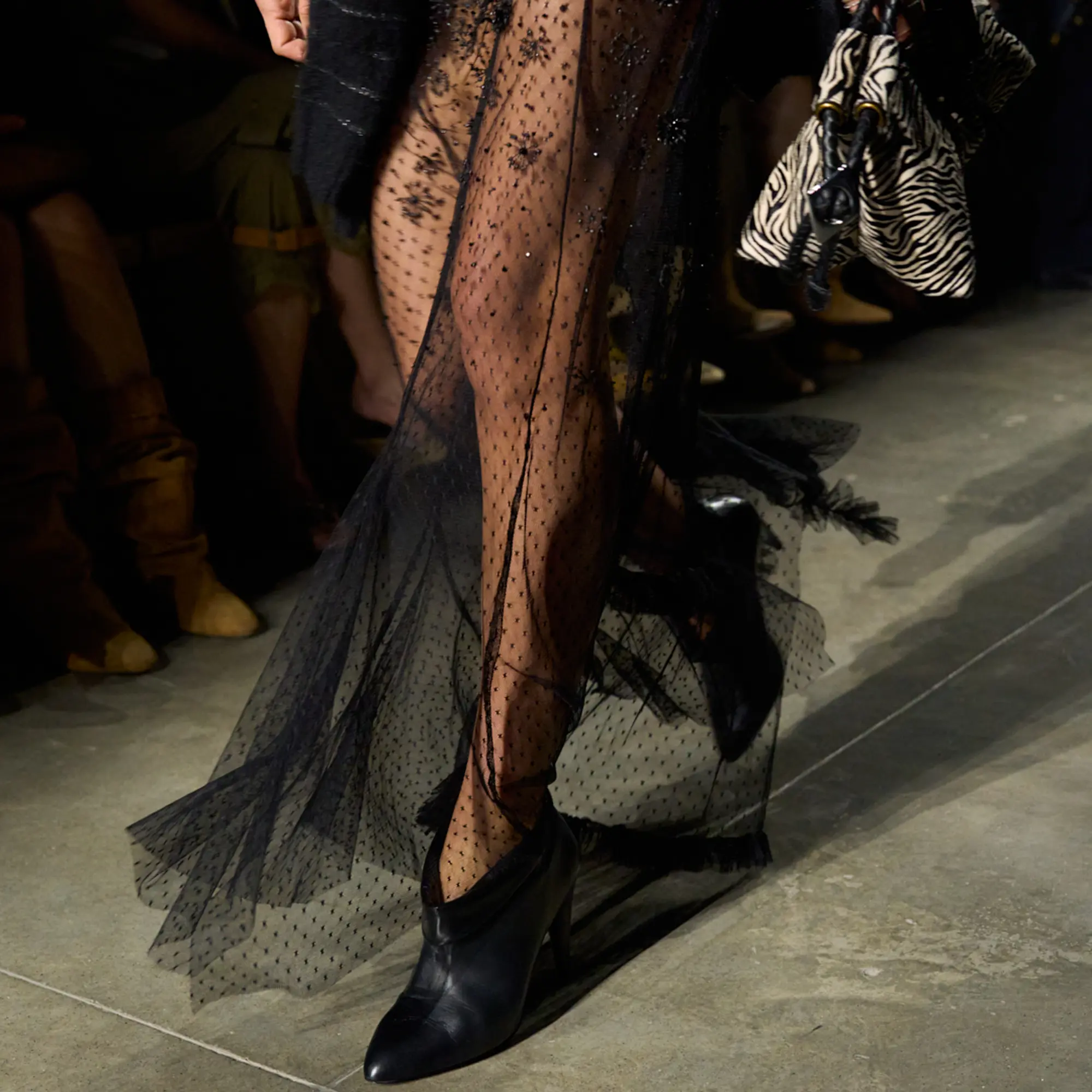
At its core, the collection explored duality. Masculine structure met feminine fluidity in silhouettes that balanced rigour with instinct. Oversized aviator jackets and disciplined knitwear introduced authority, while sheer dresses and delicate lace details suggested vulnerability without surrender. This interplay reflected Marant’s enduring fascination with women who move confidently between identities, environments and emotional states.
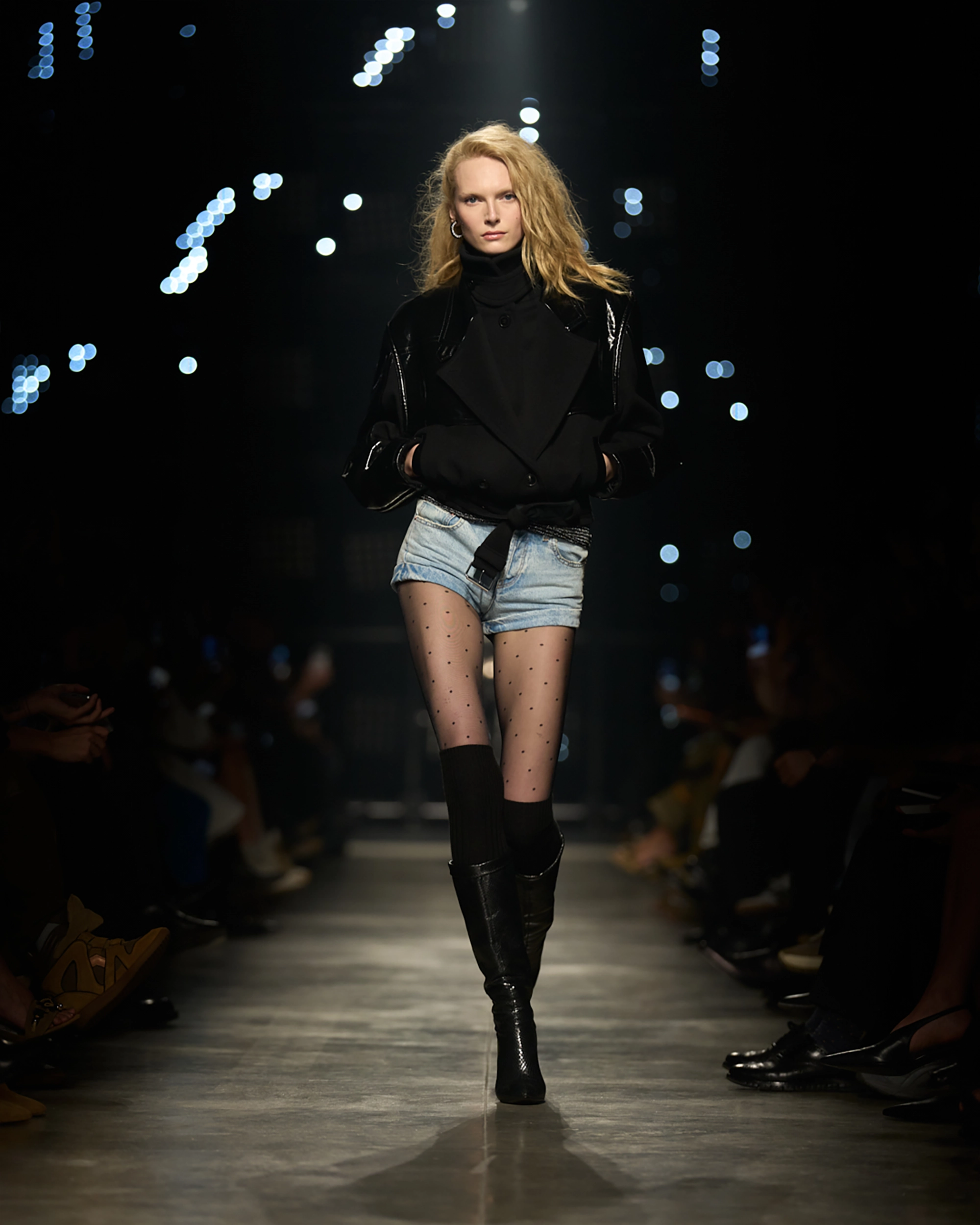
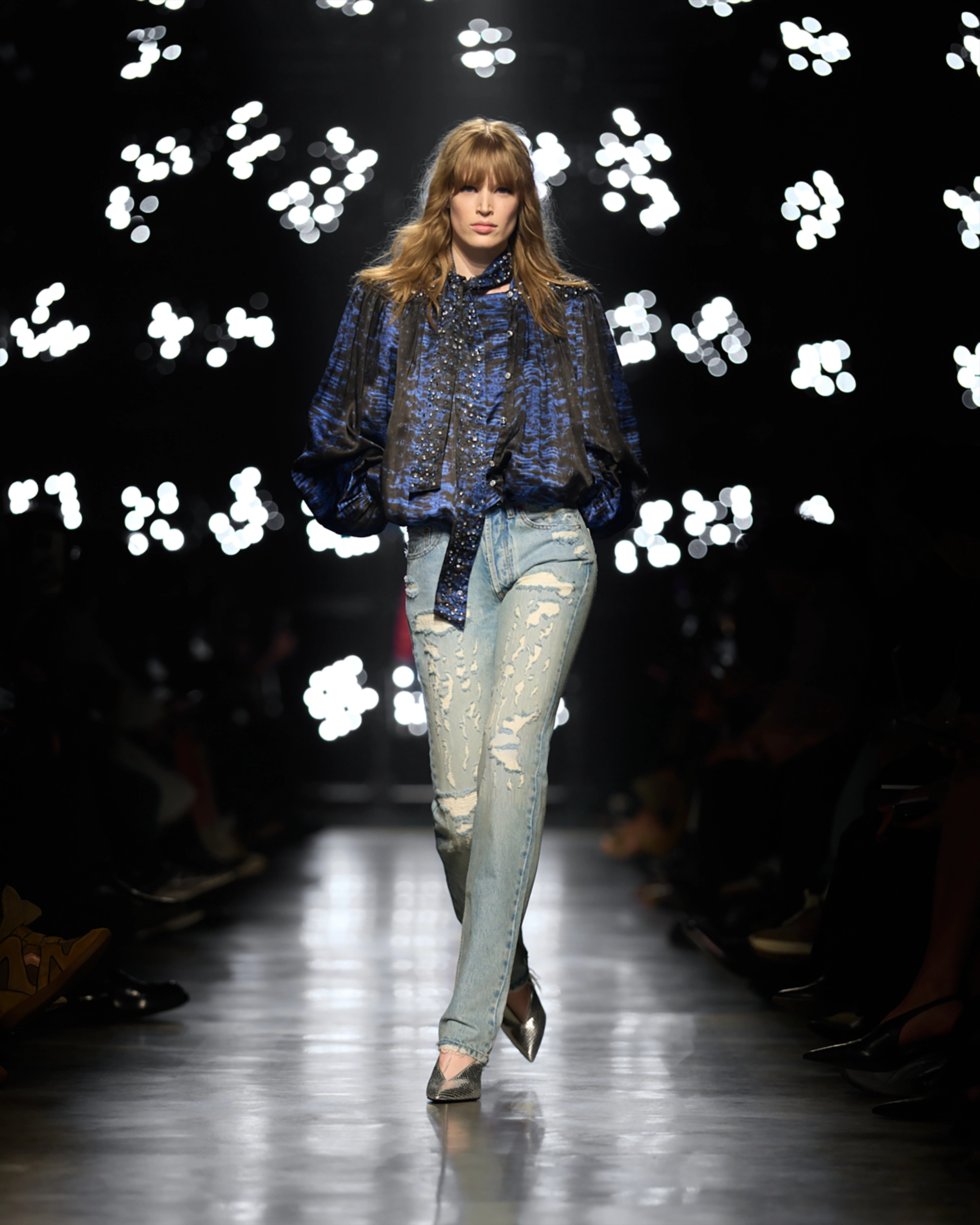
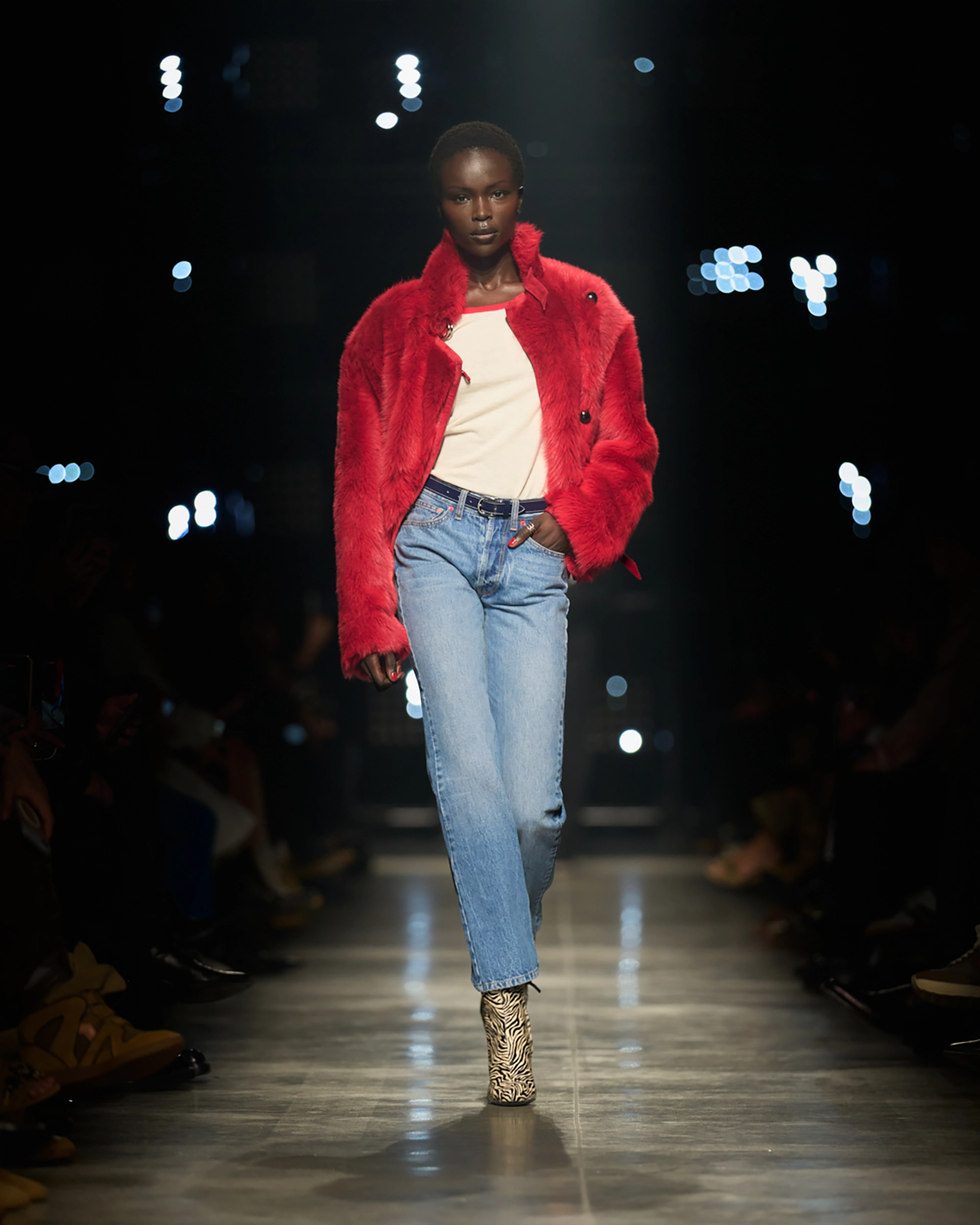
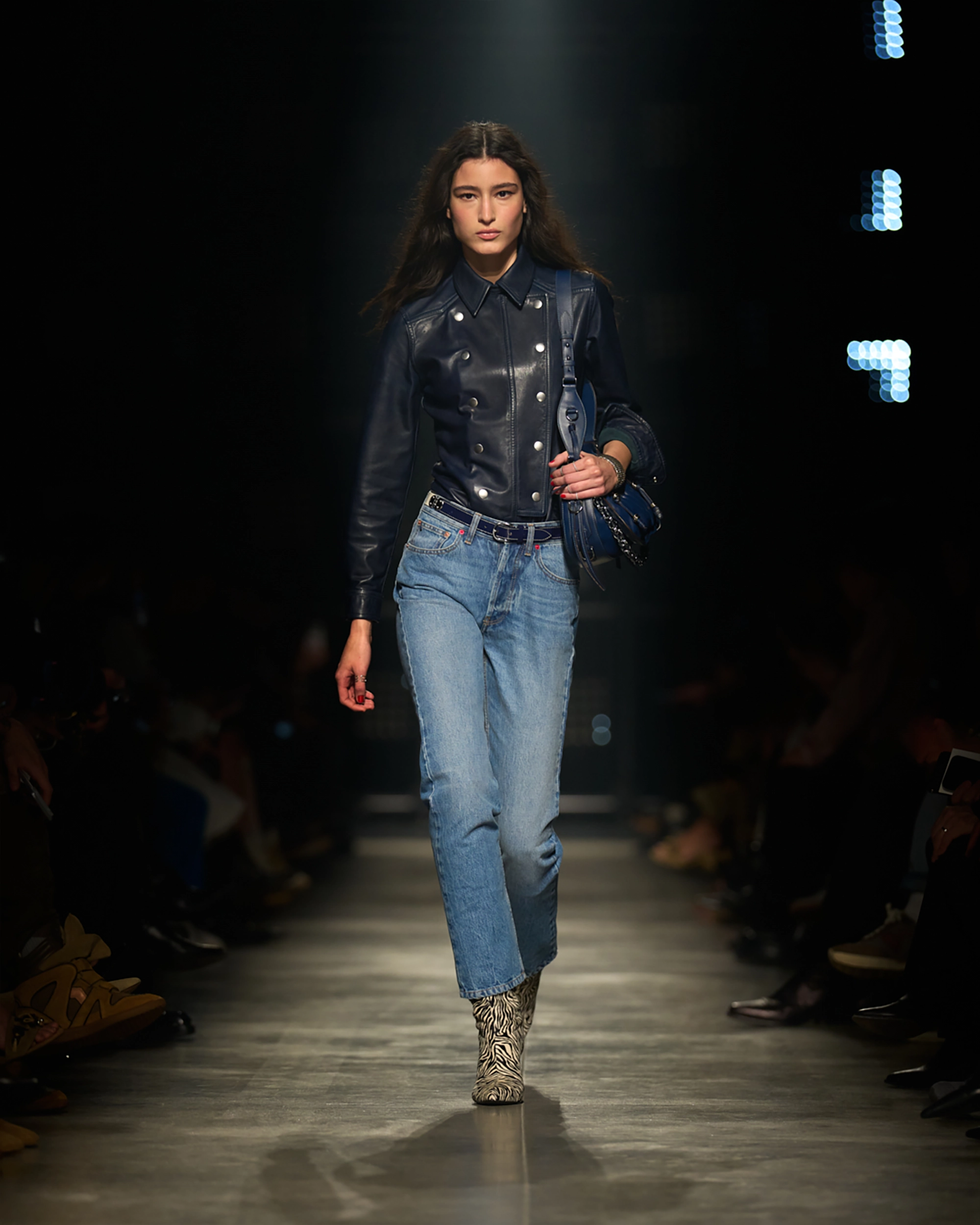
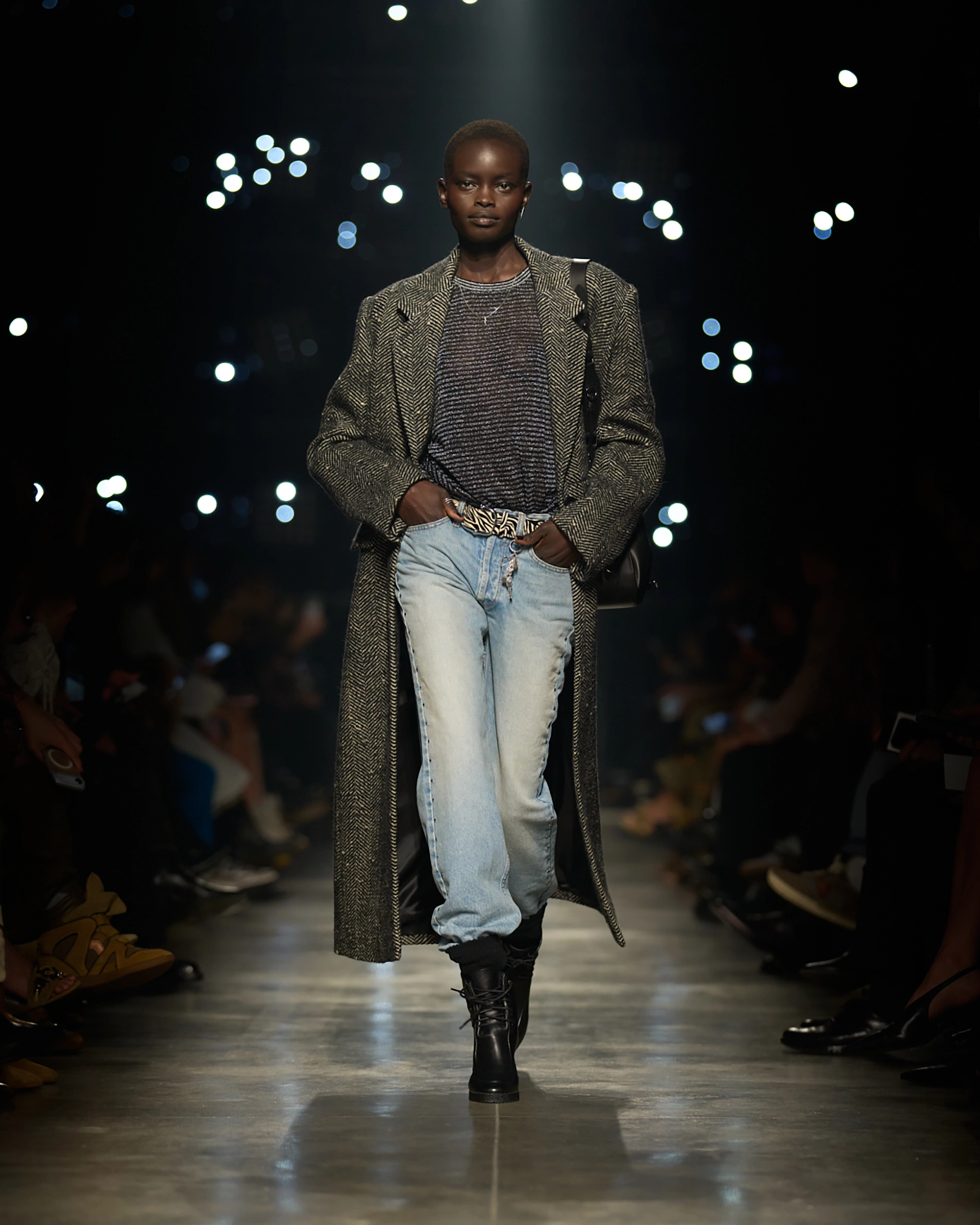
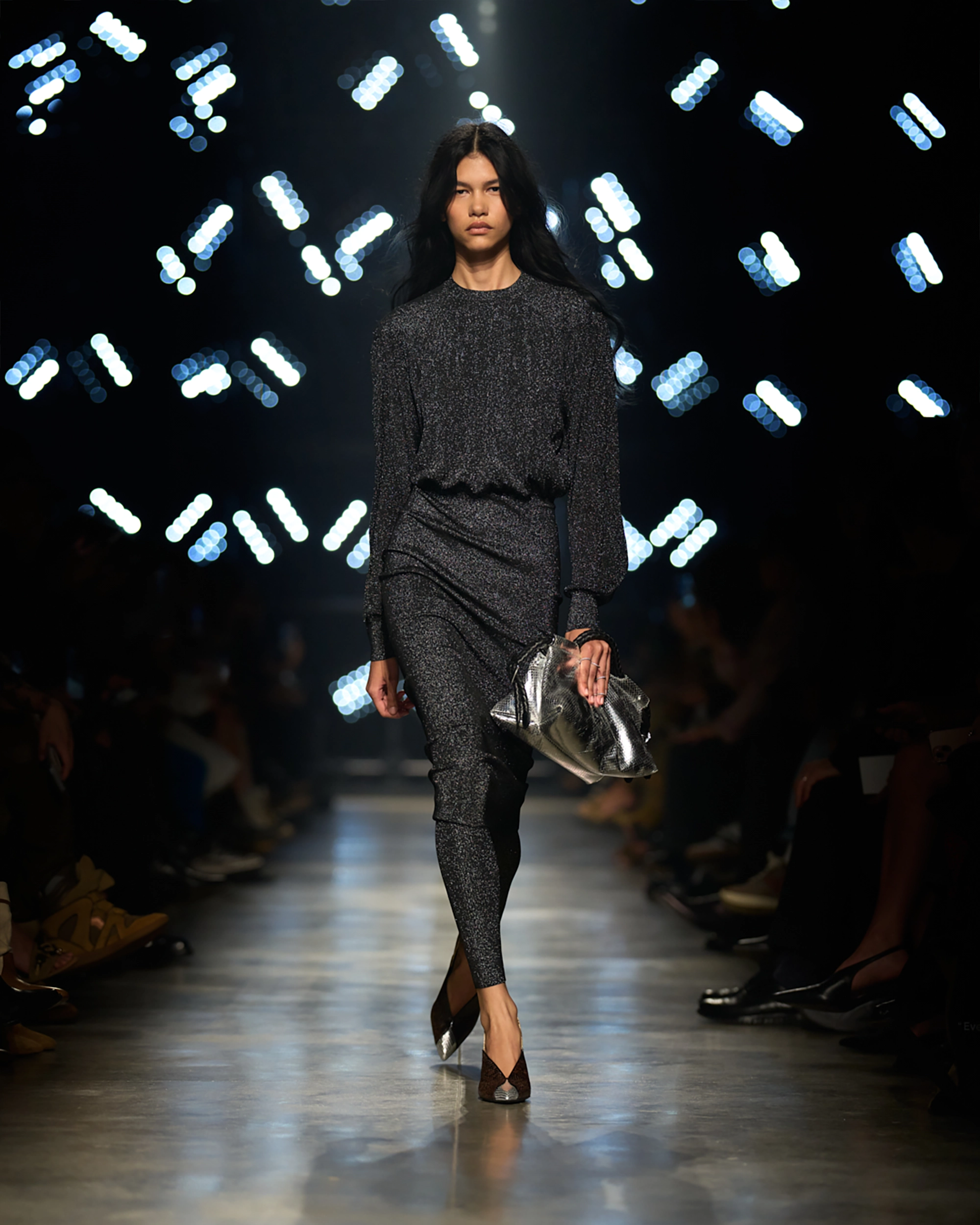
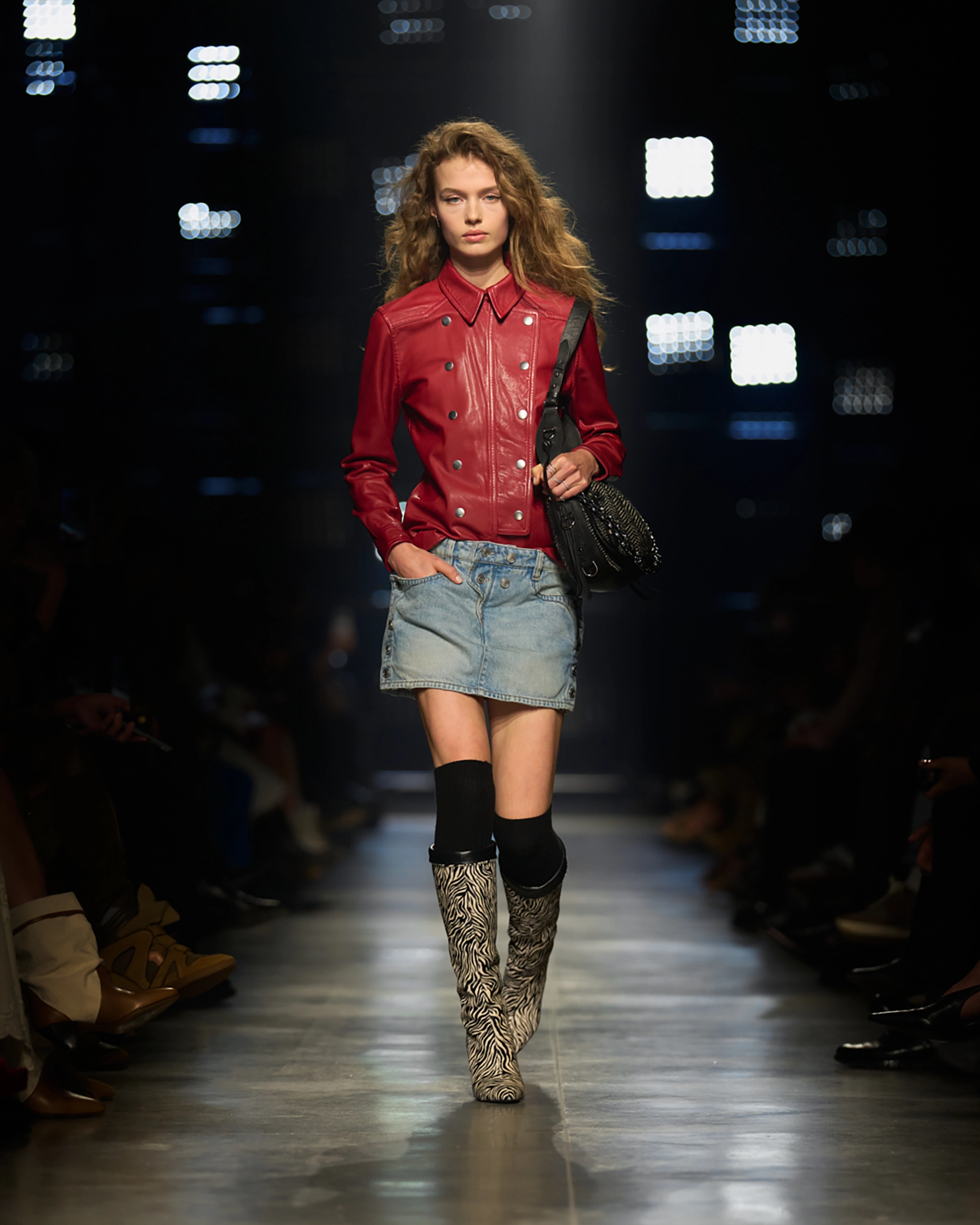
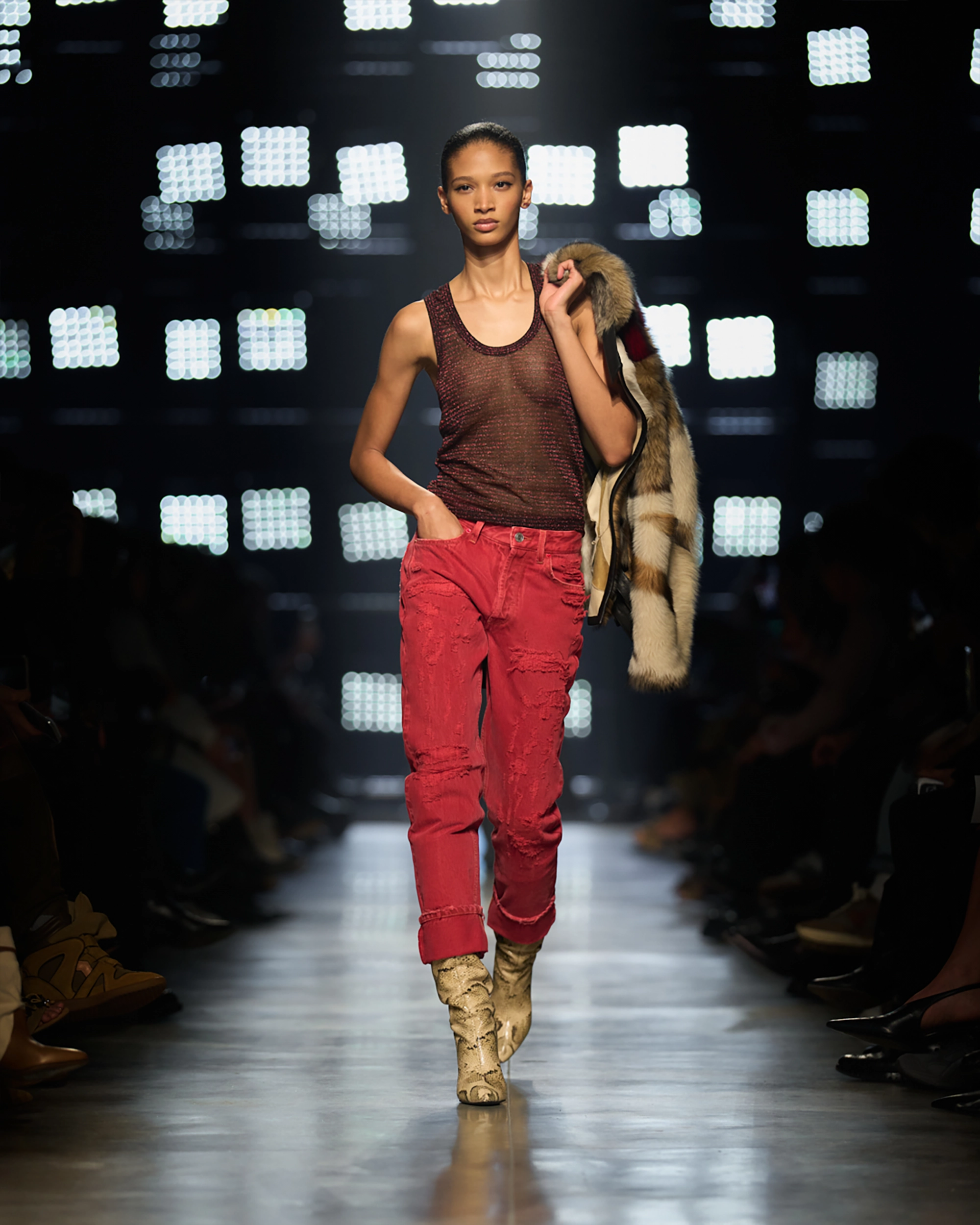
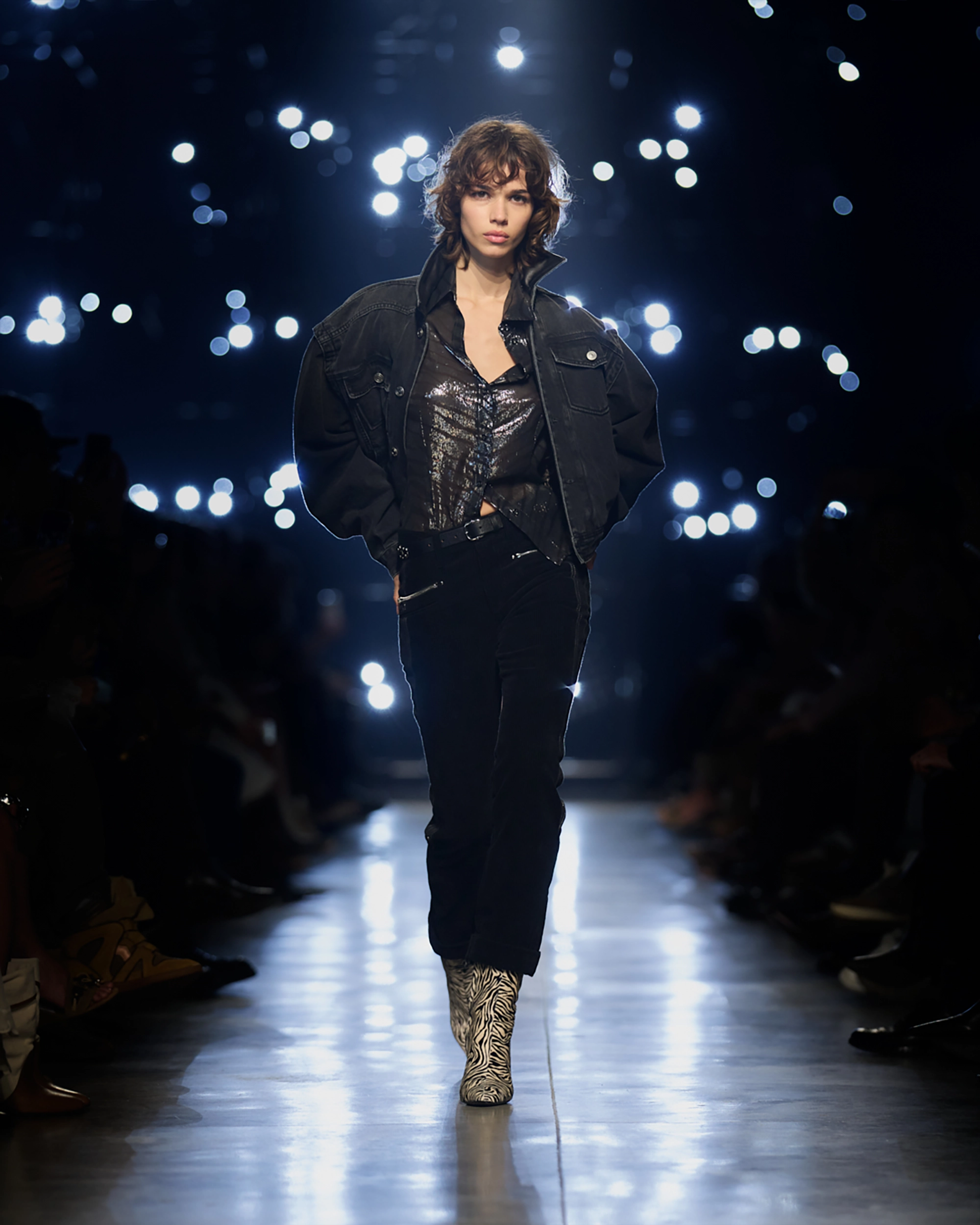
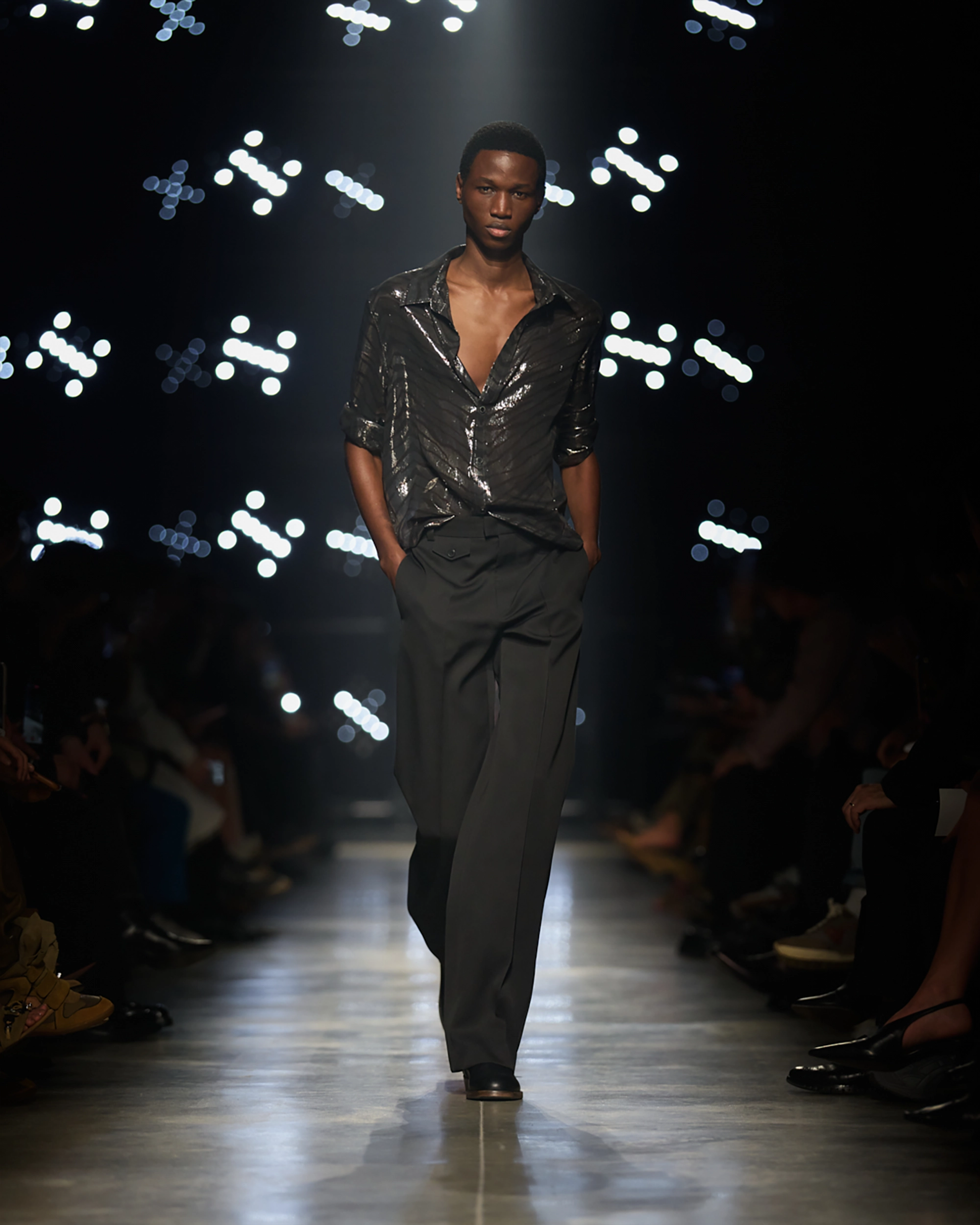
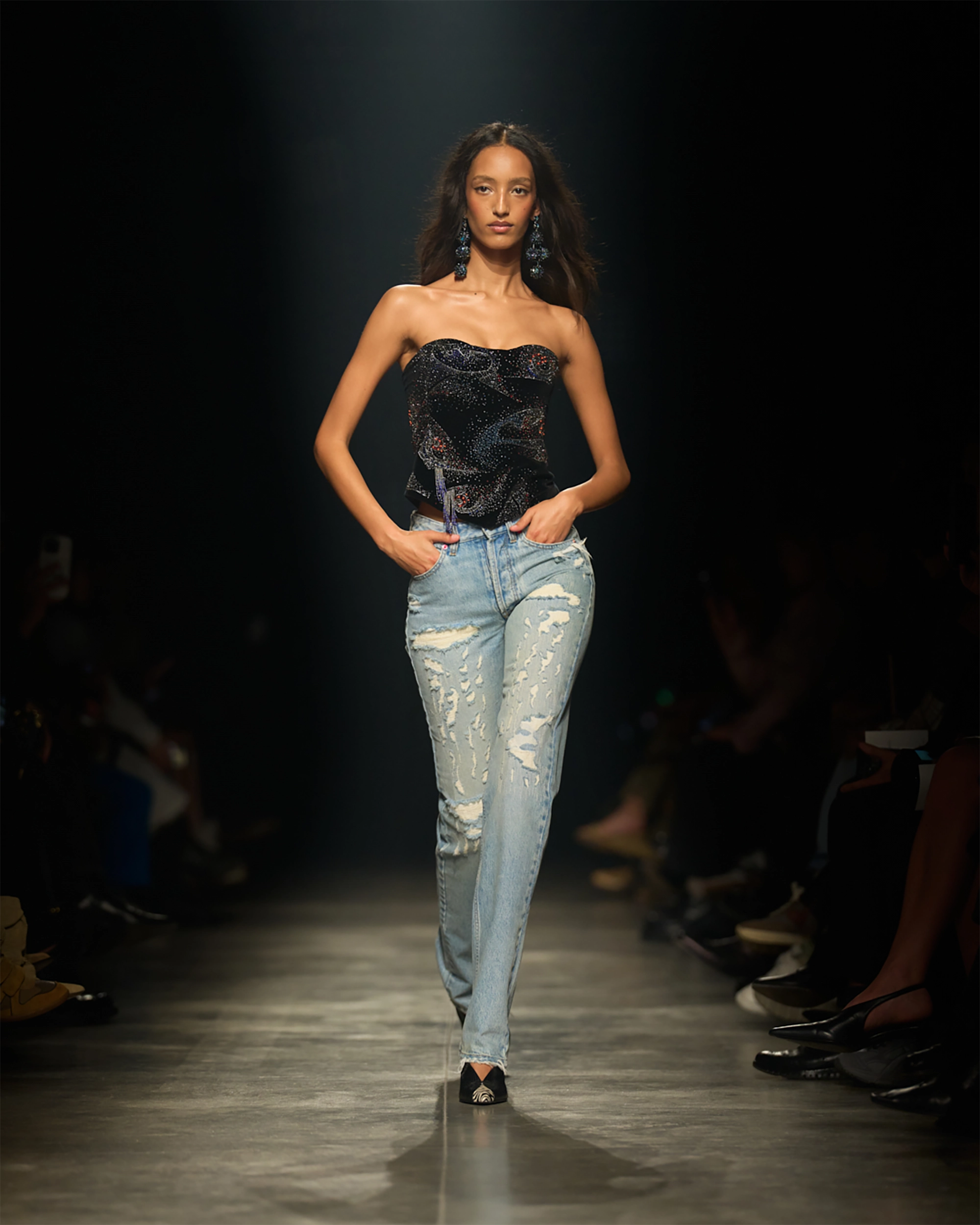
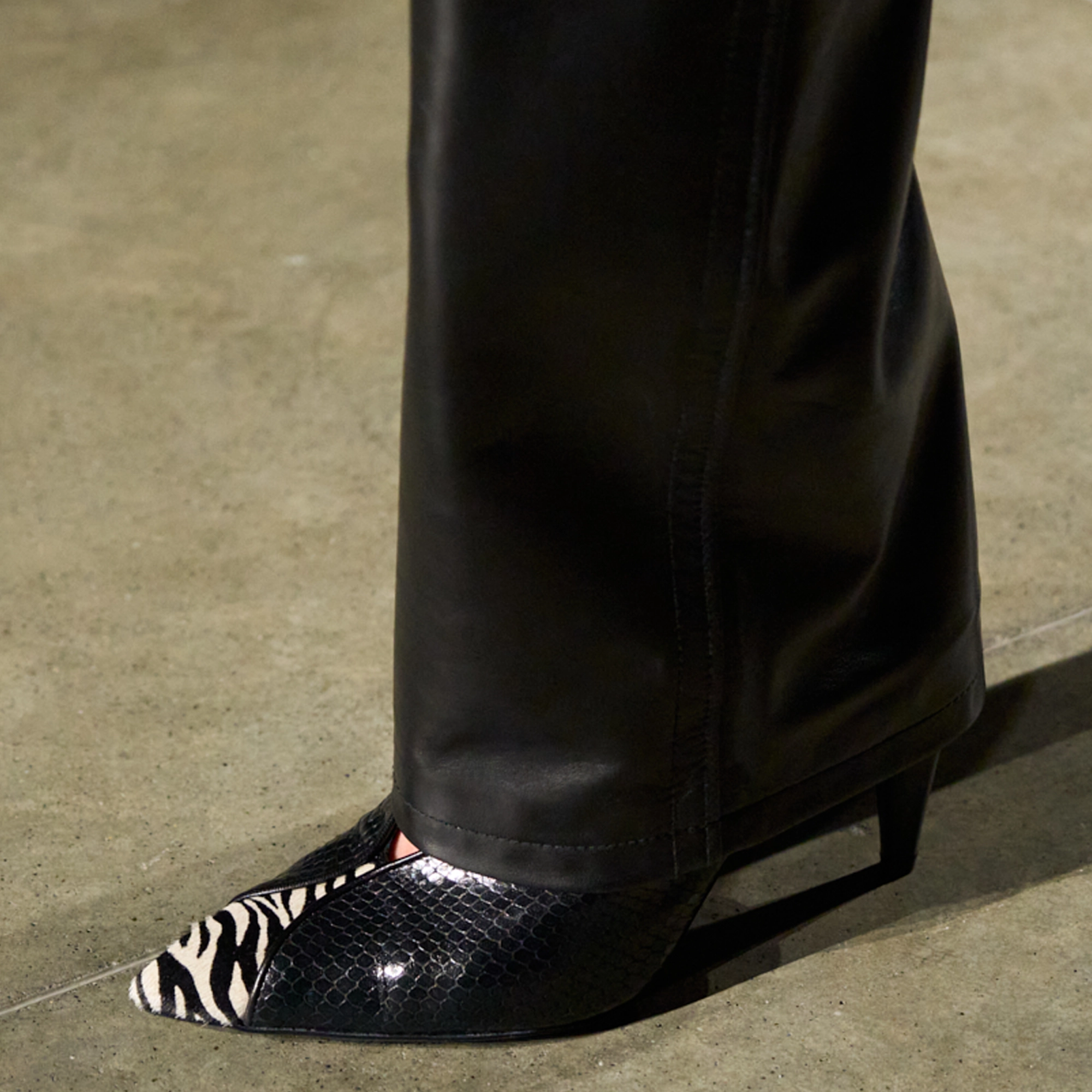
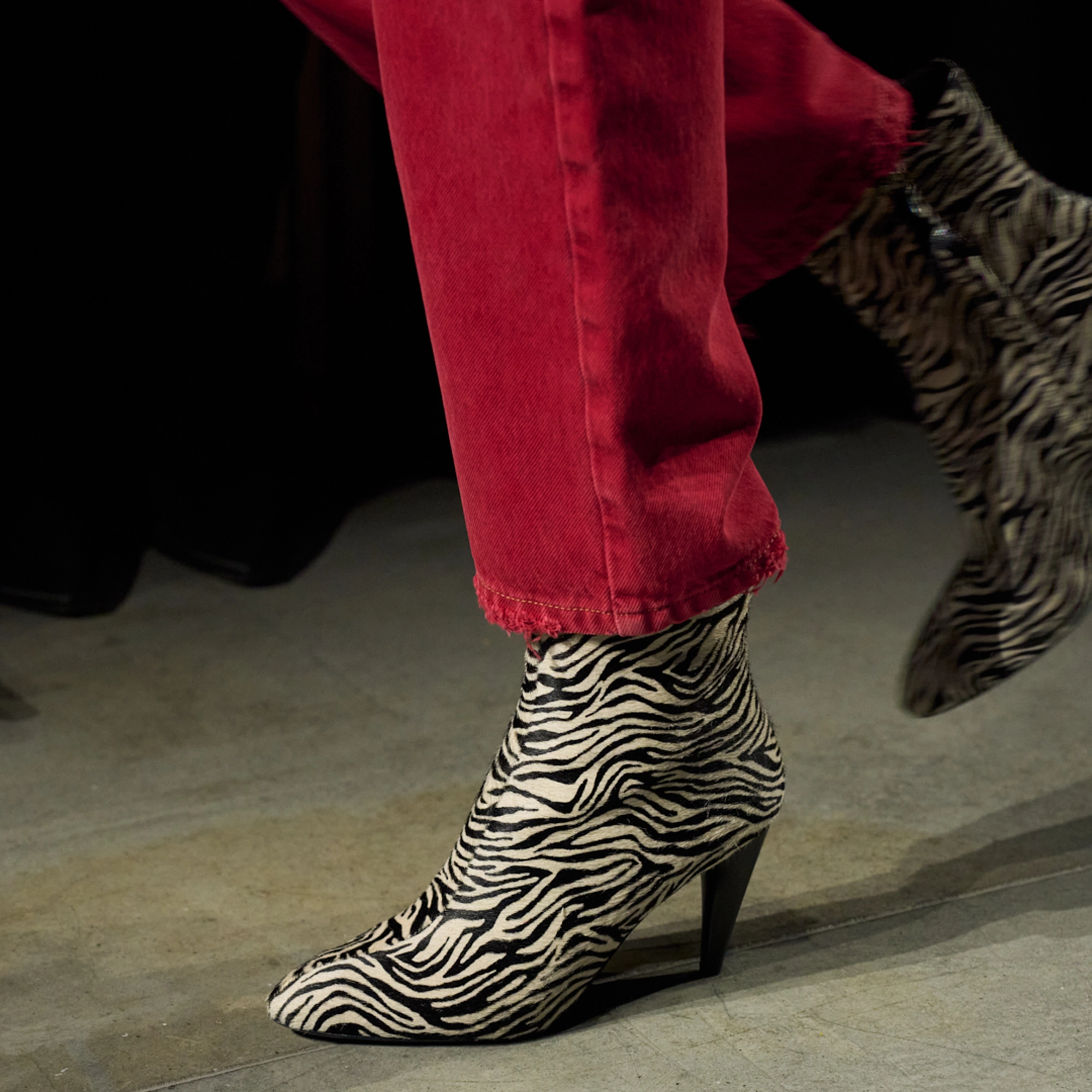
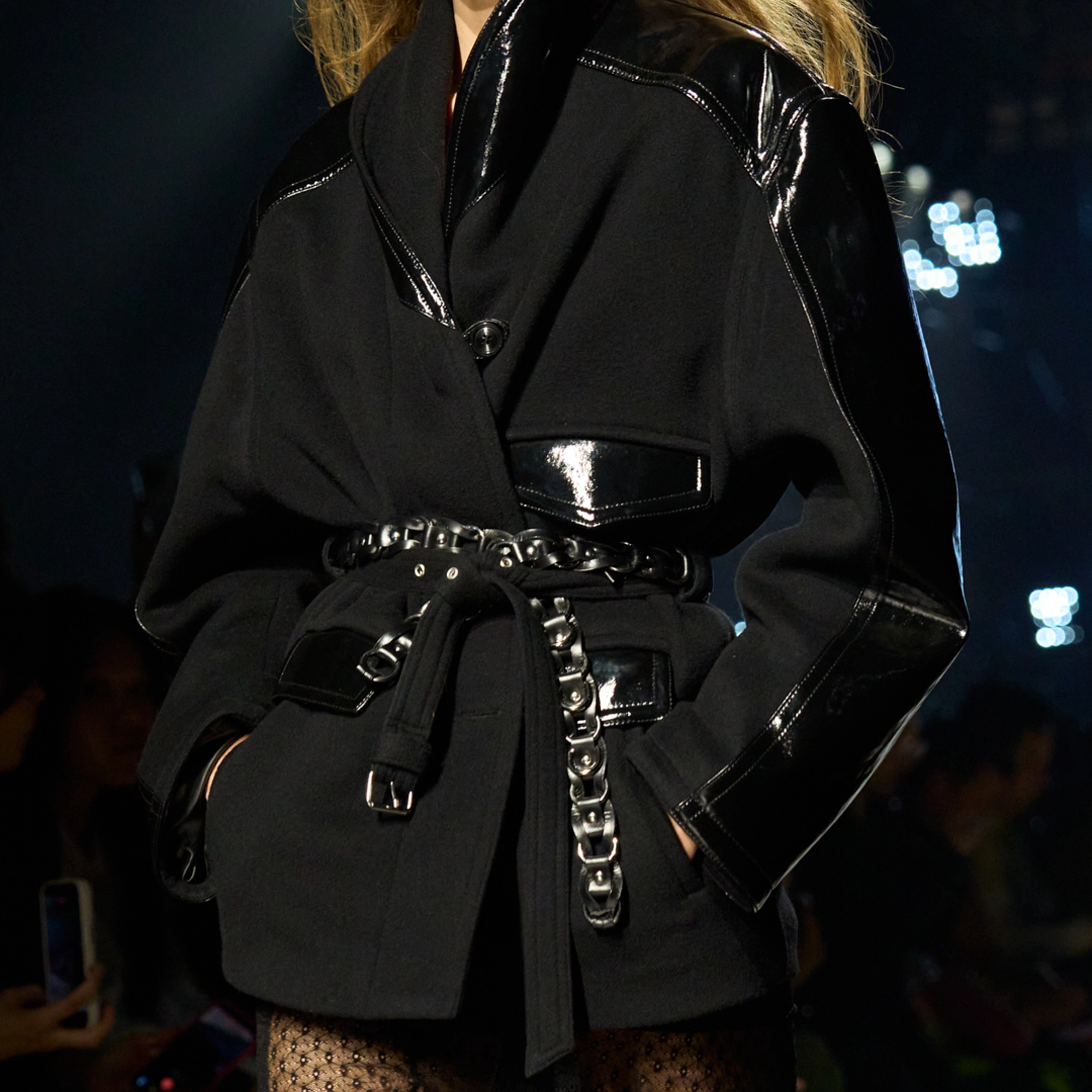
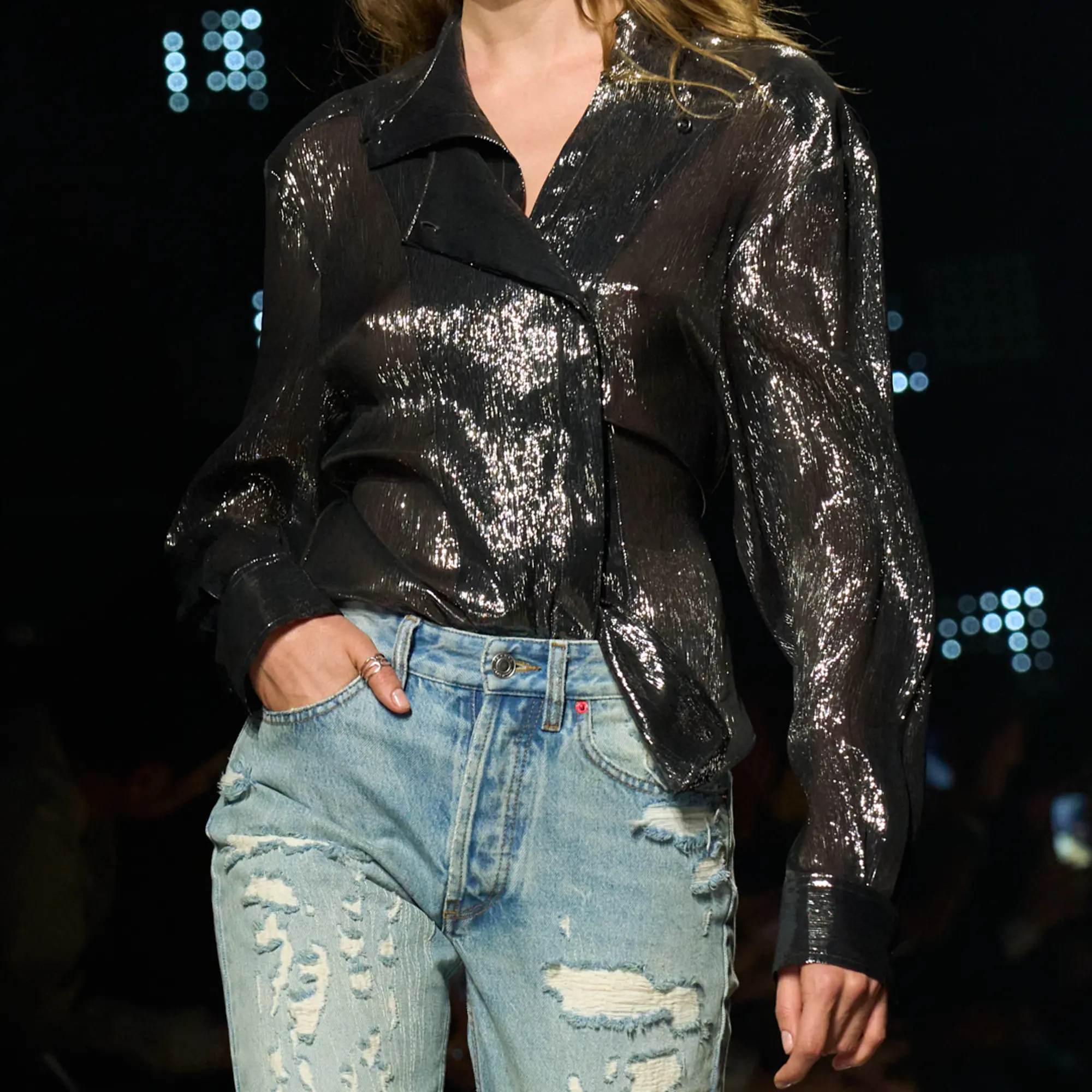
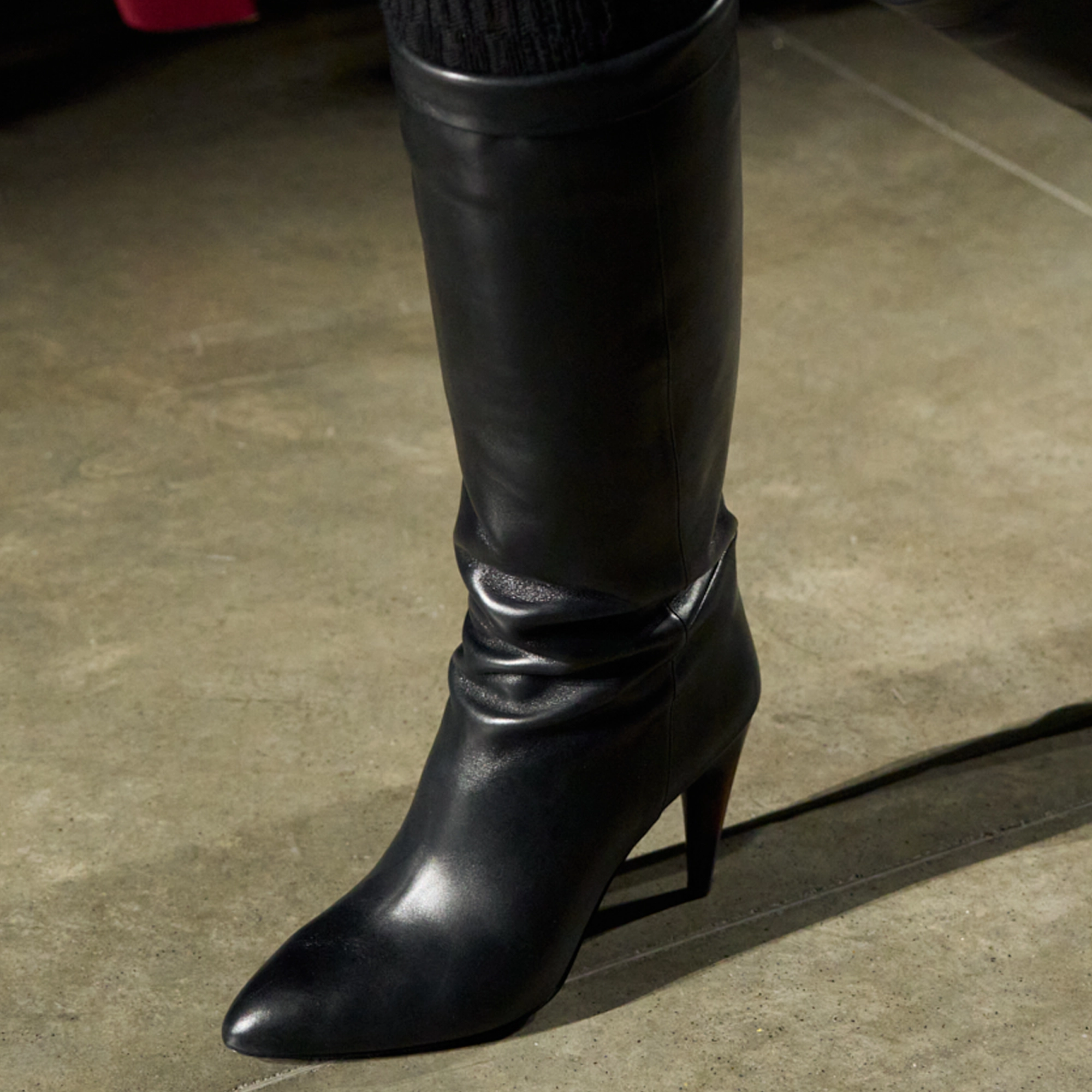
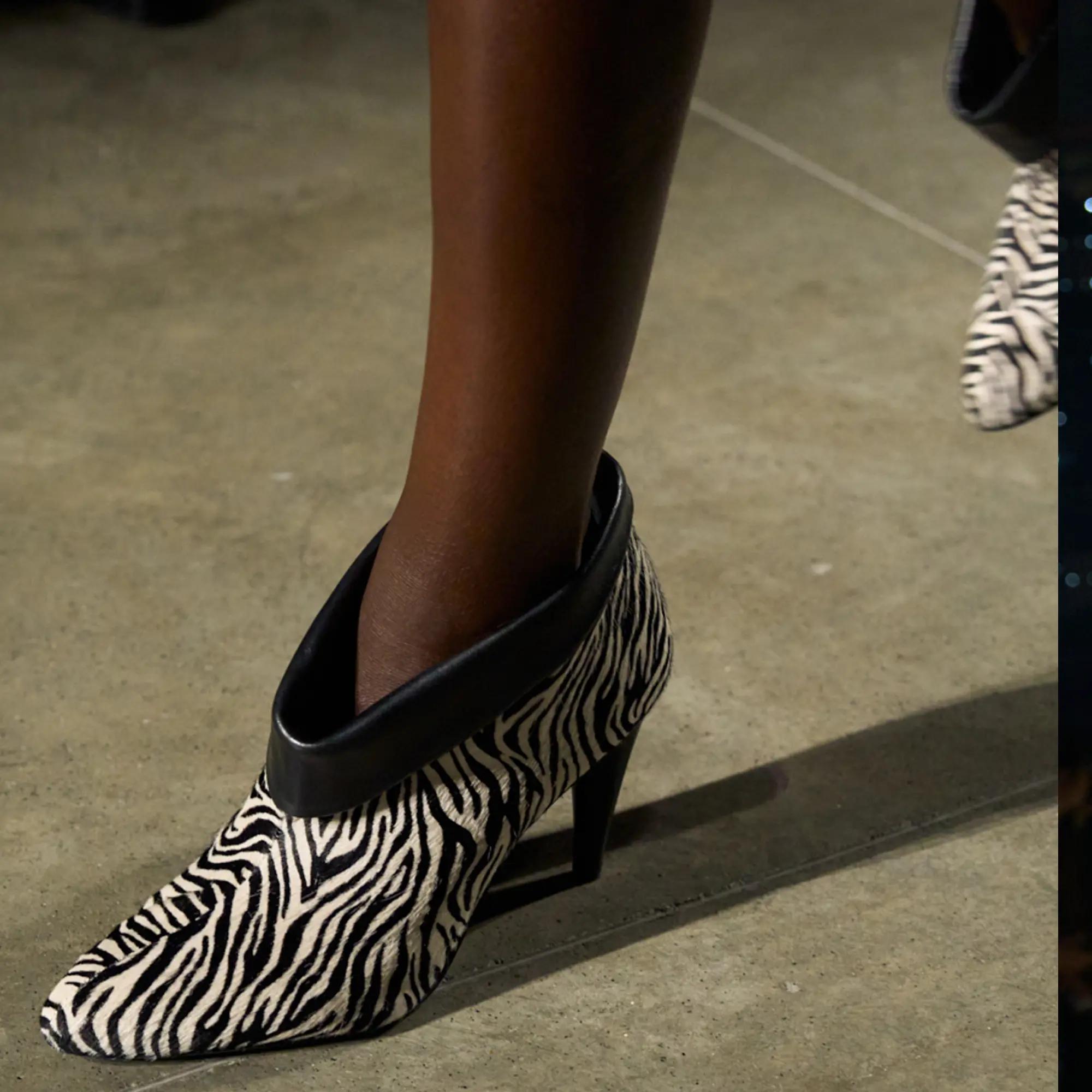
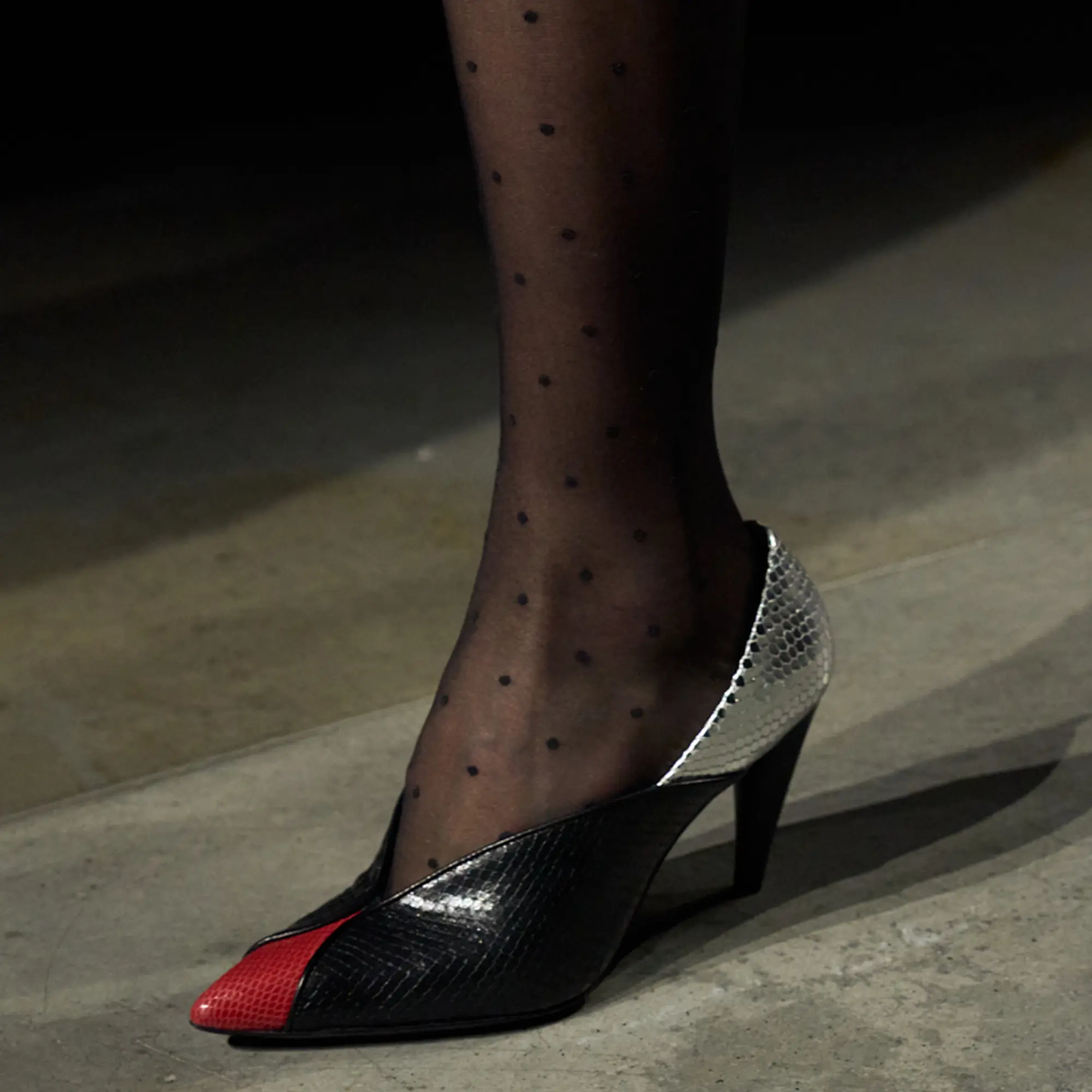
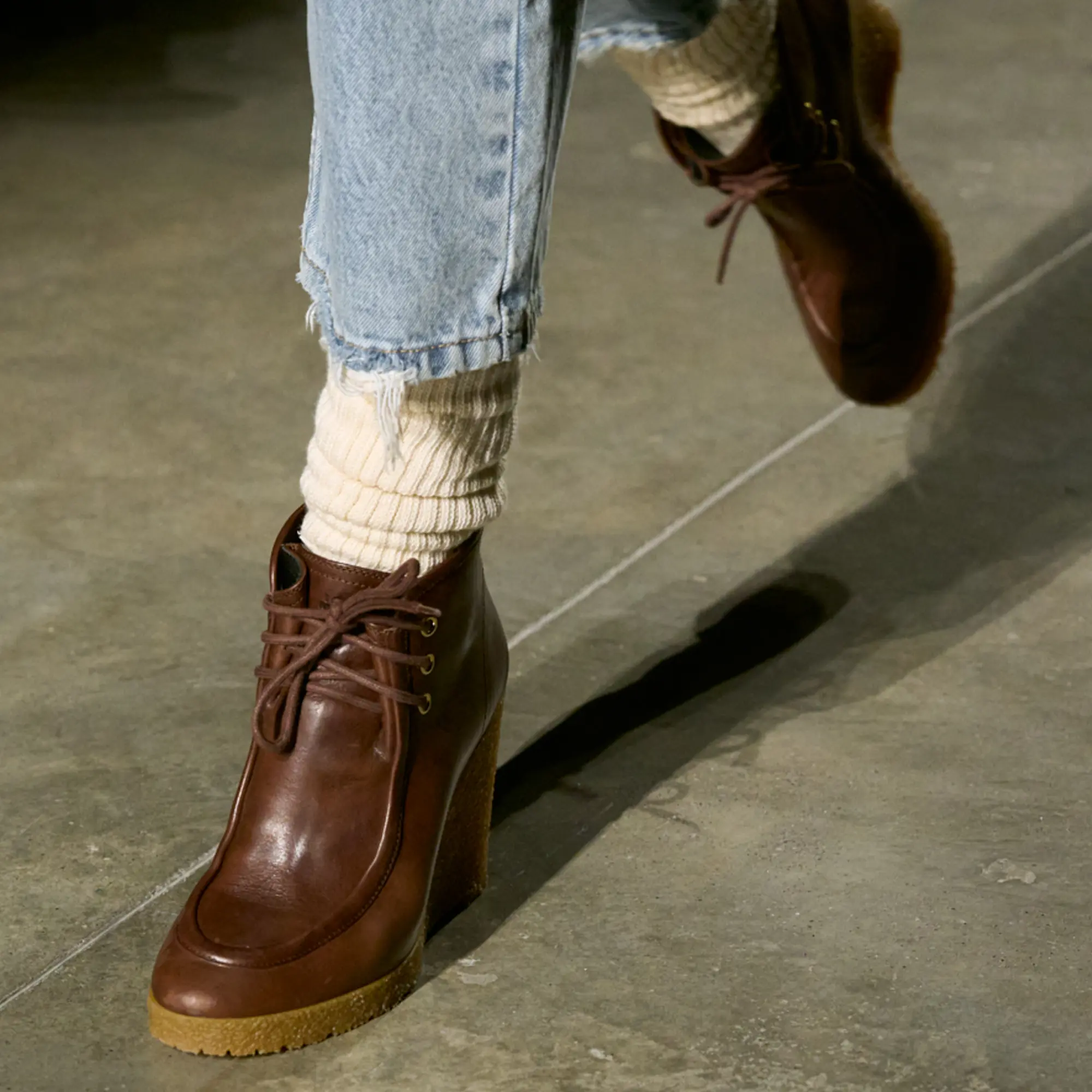
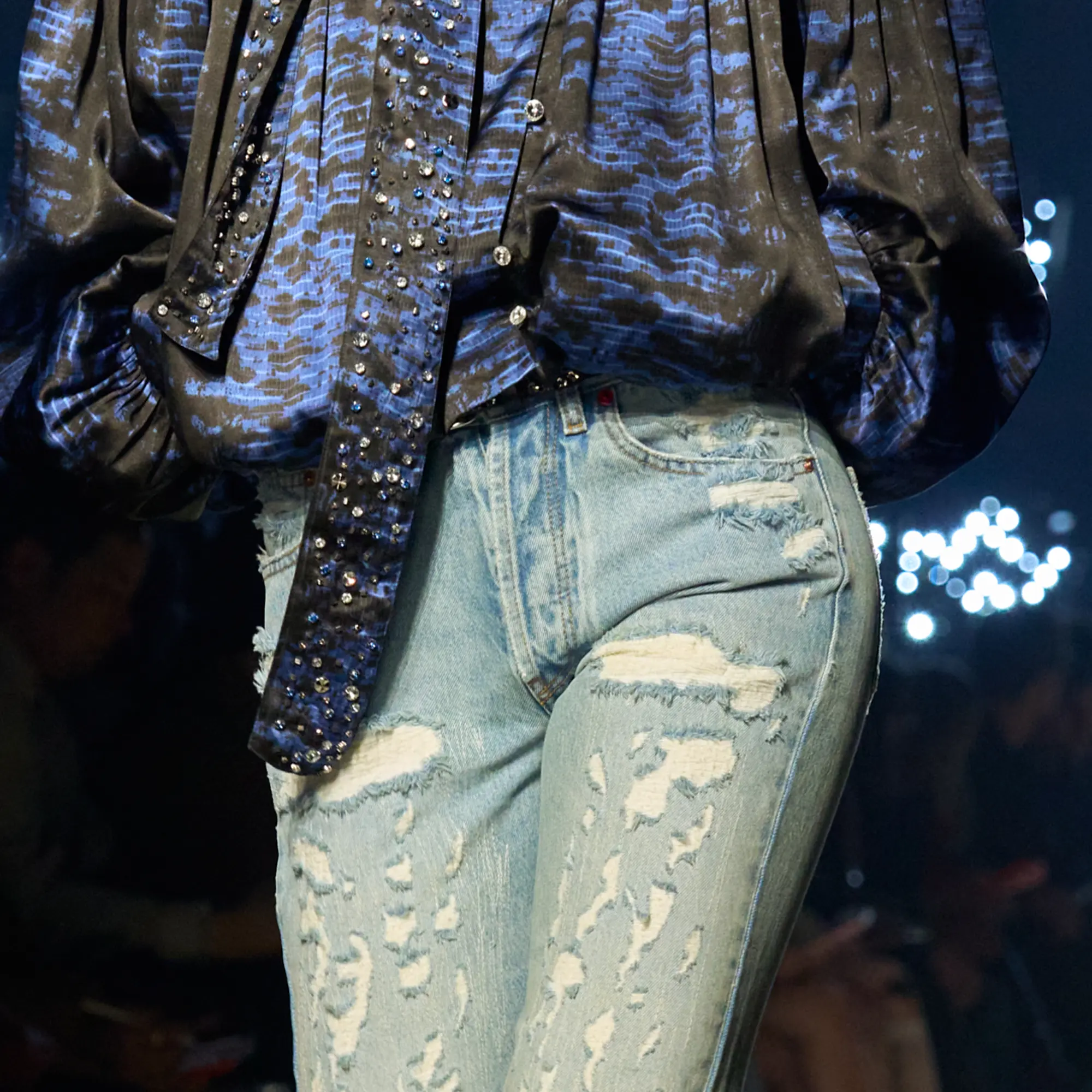
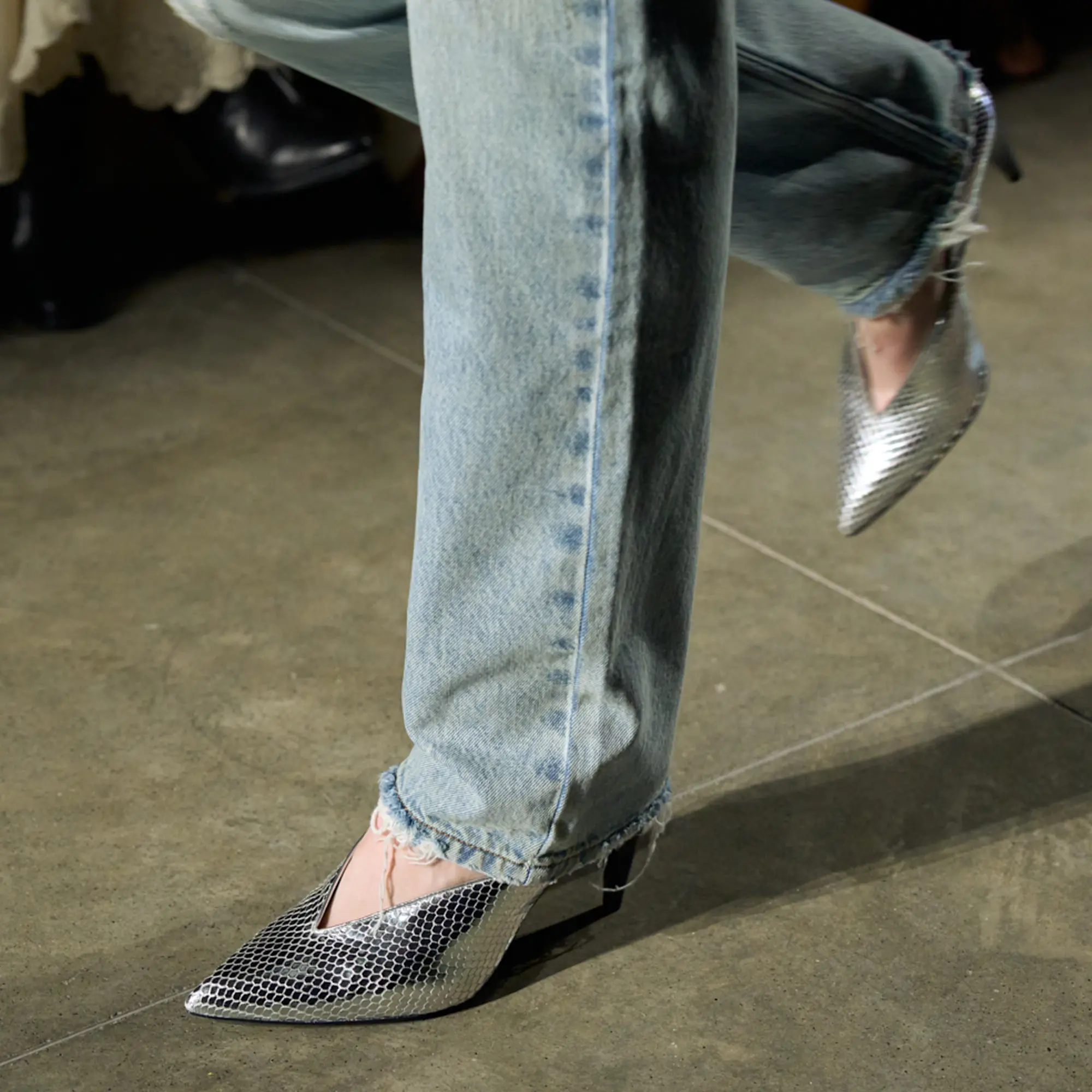
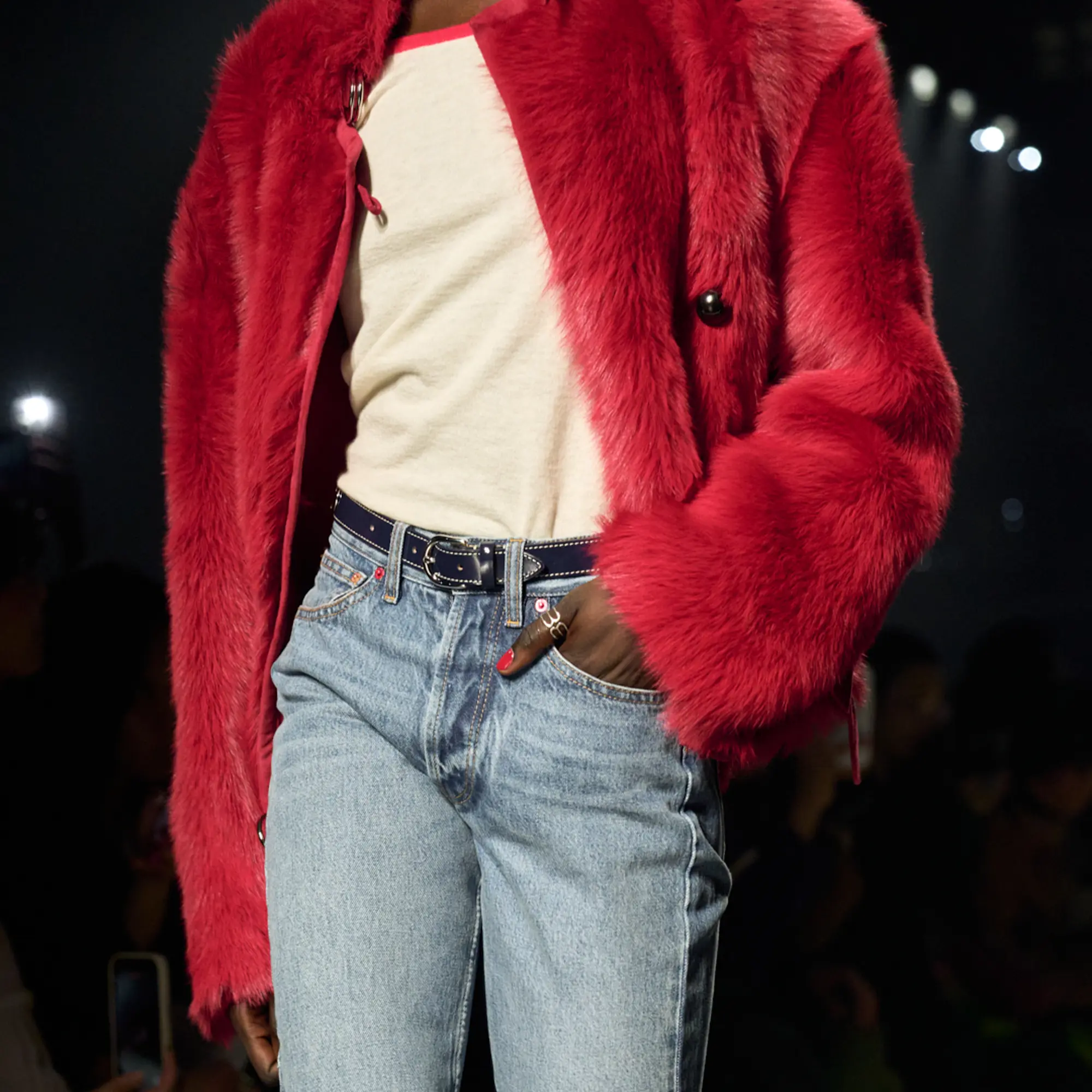
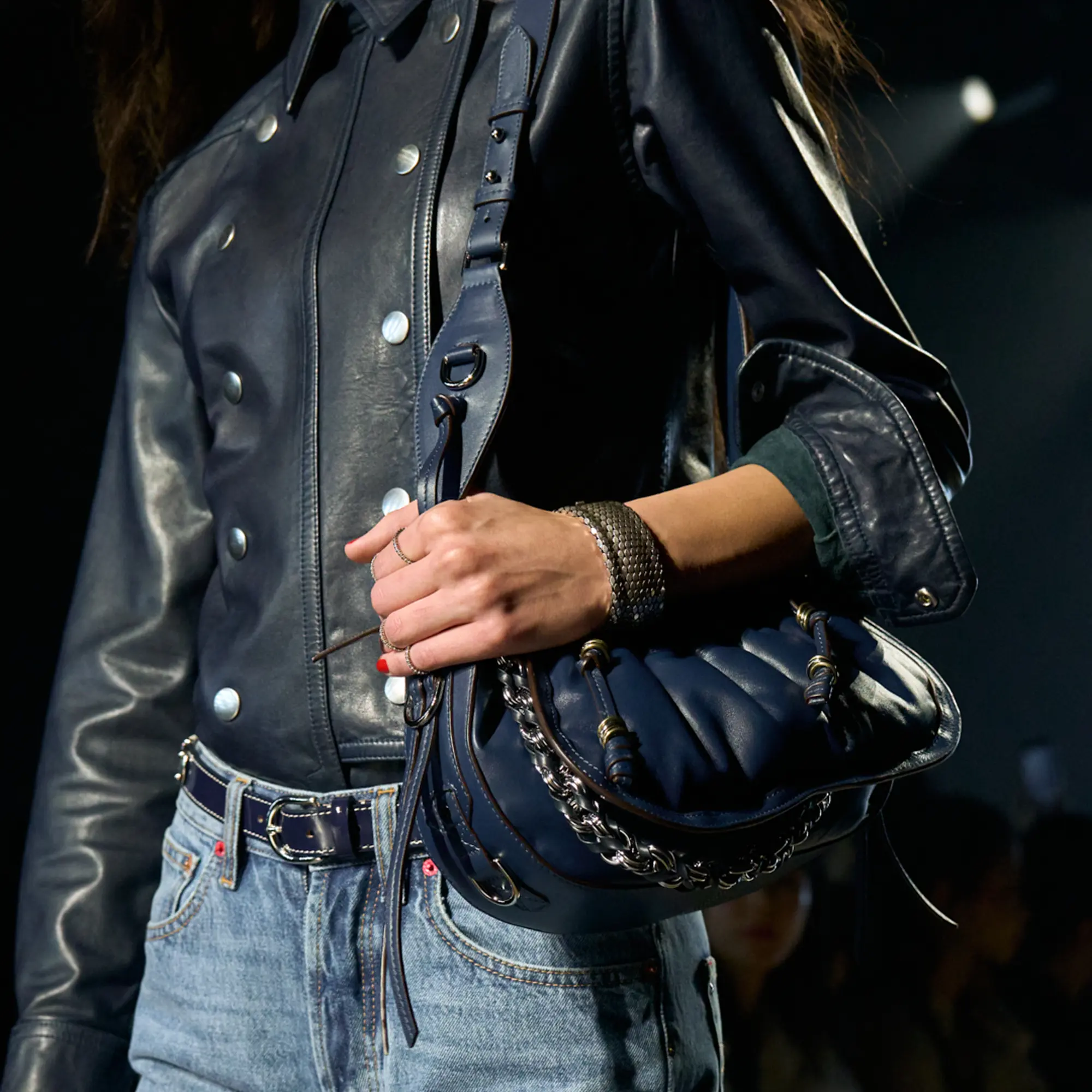
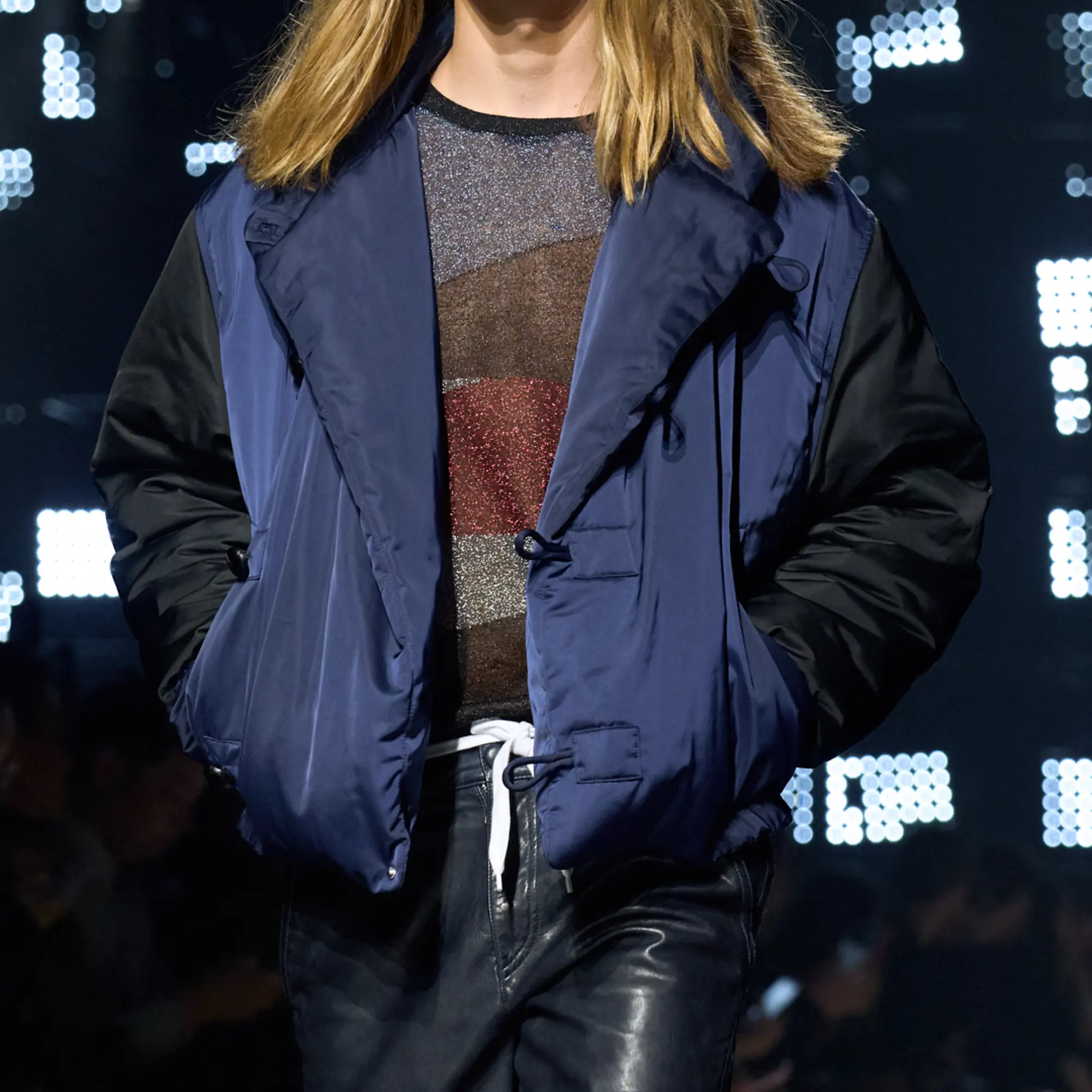
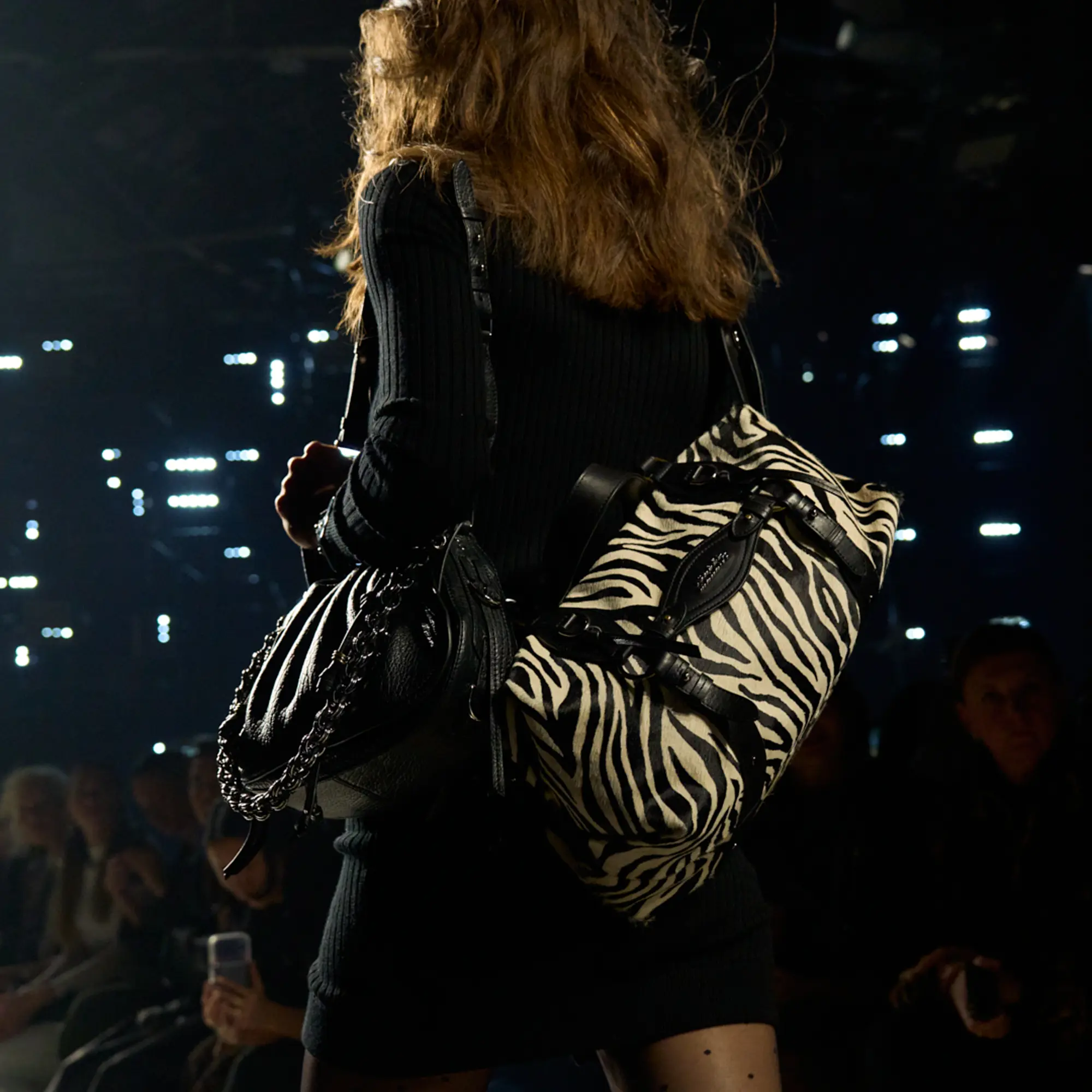
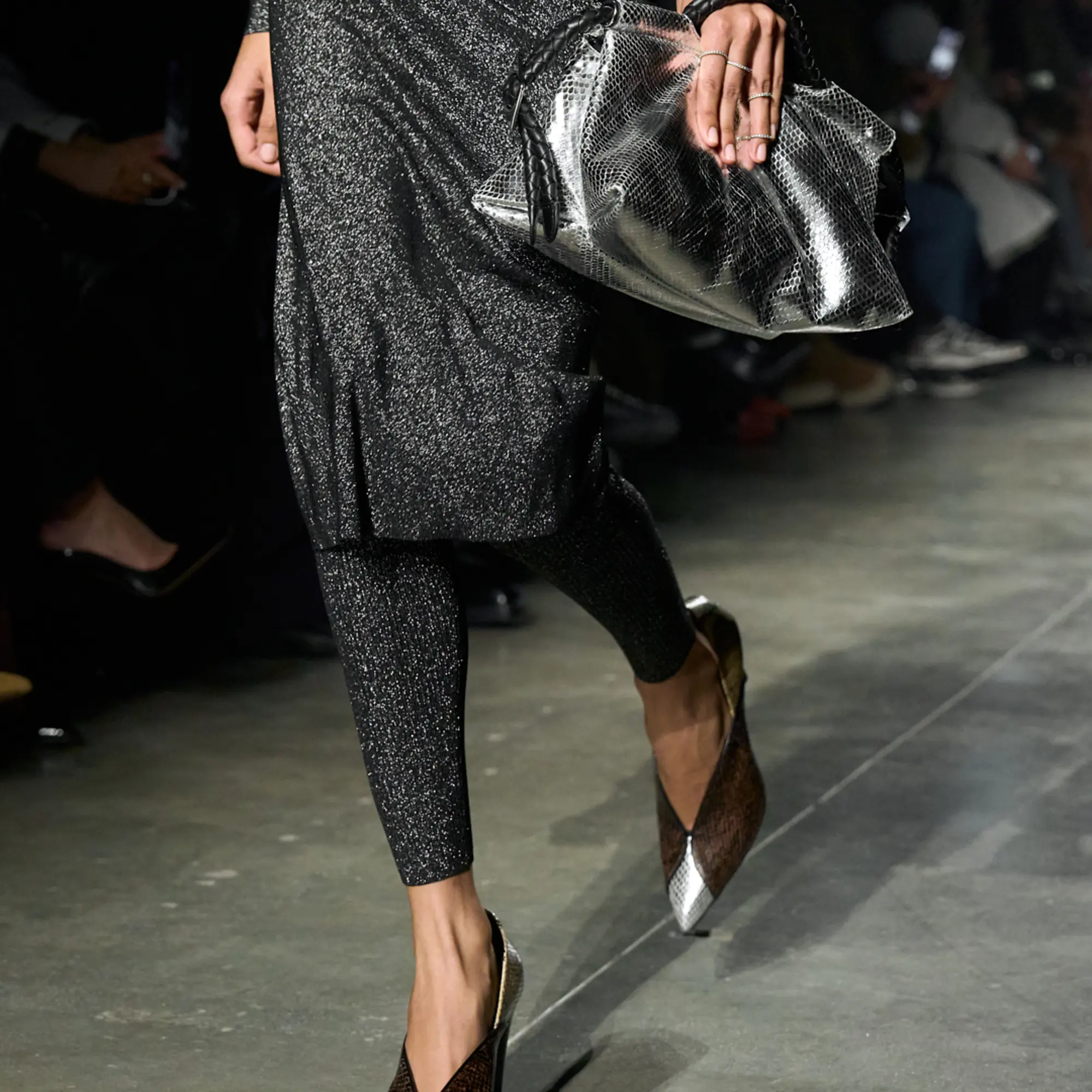
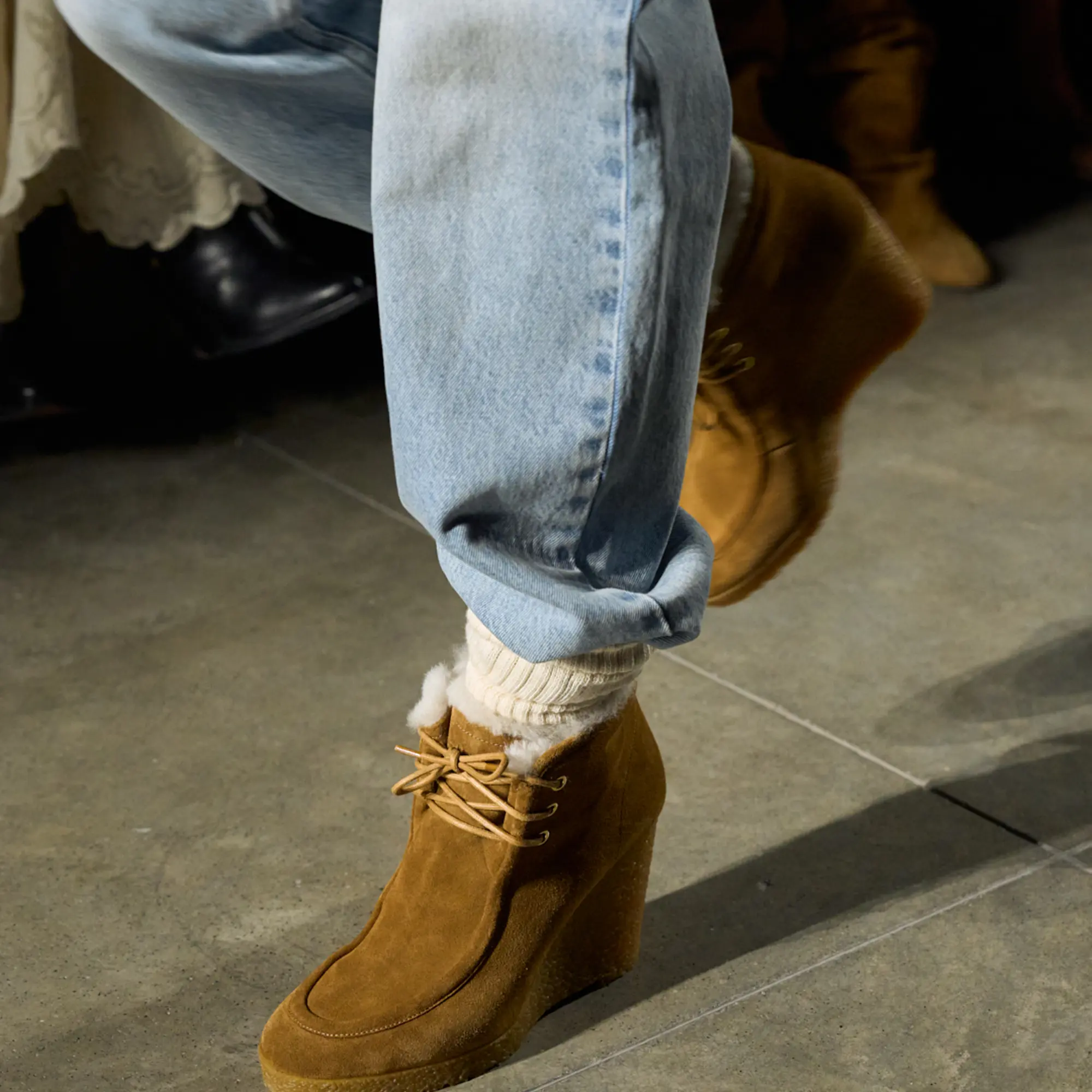
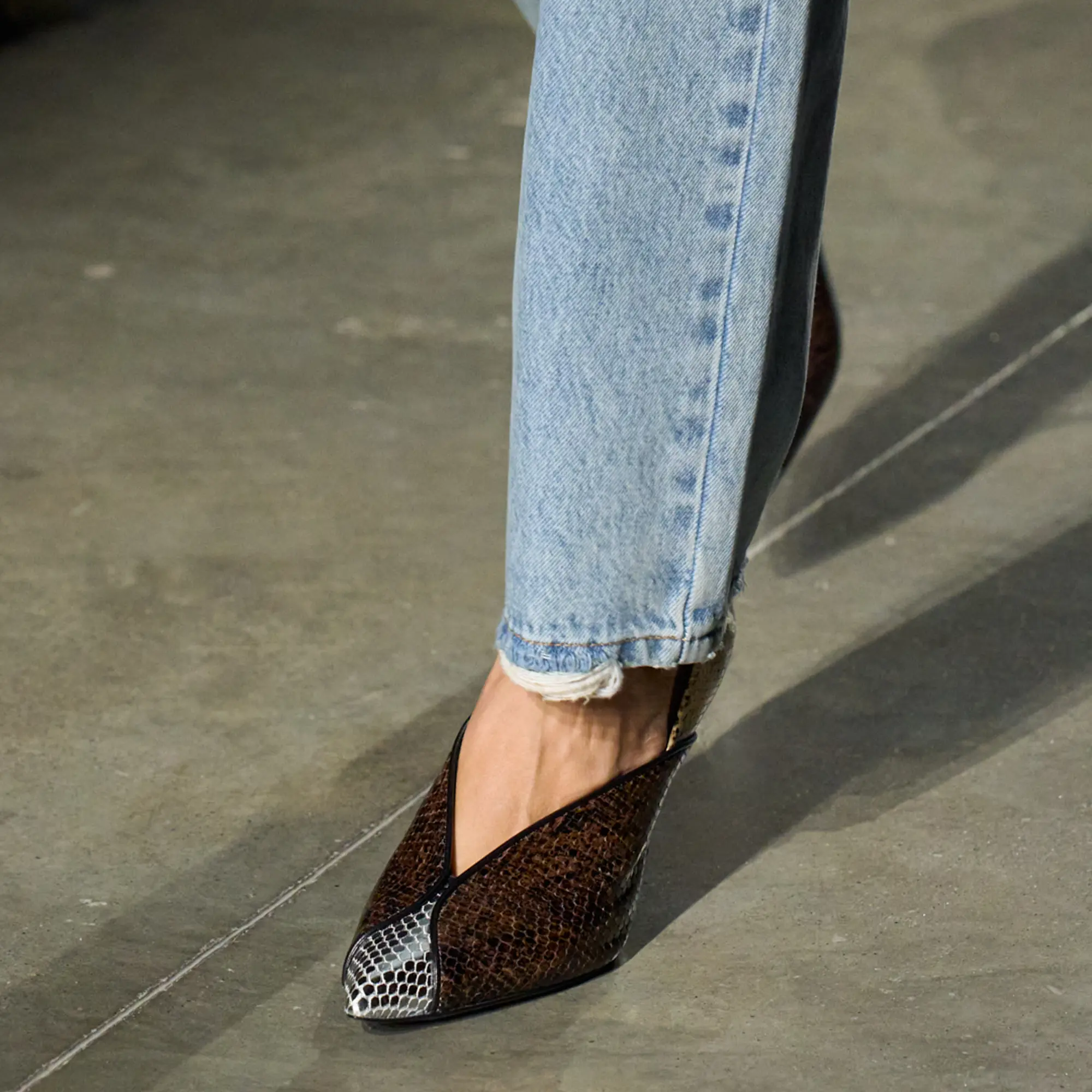
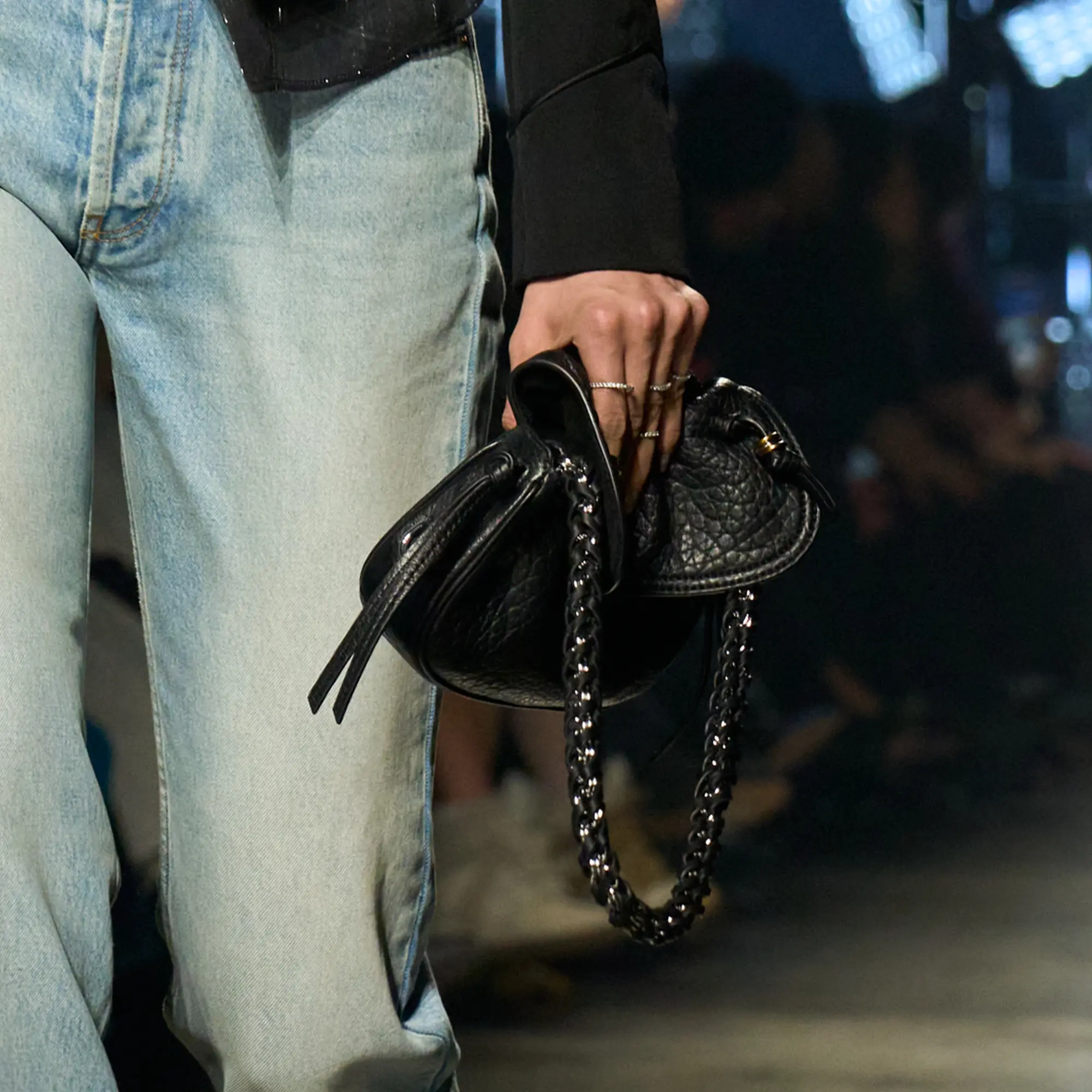
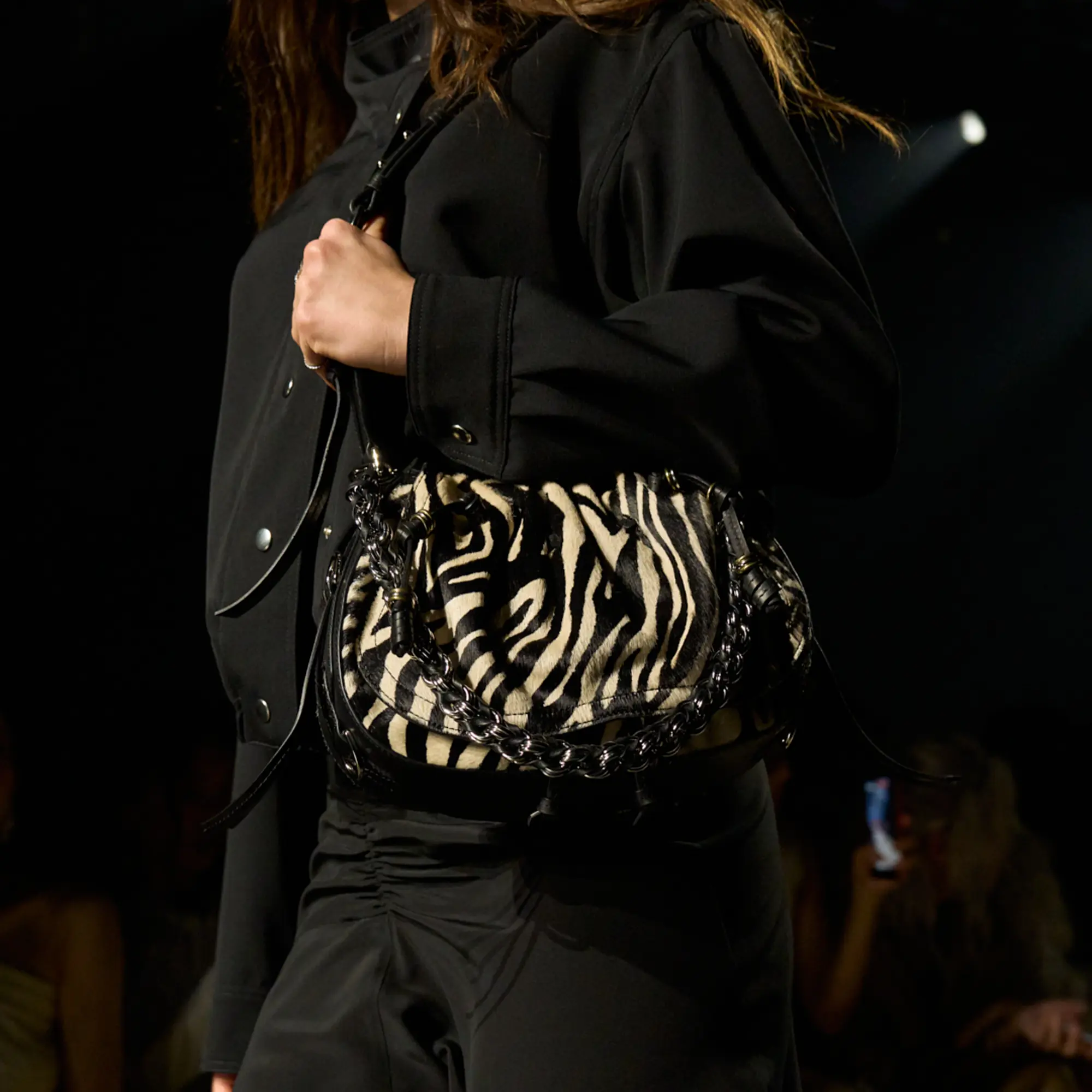
Runway styling reinforced this thematic tension. Long, floating evening dresses were grounded by sculptural leather boots, while thigh-high socks extended the line of the leg beneath cropped outerwear. Metallic surfaces caught intermittent flashes of light, creating moments of visual disruption that mirrored the unpredictability of urban nightlife. The effect was cinematic yet deeply wearable — a hallmark of Marant’s design language.
Casting further articulated the narrative. Isabel's models walked with an introspective composure that suggested independence rather than performance. Their presence conveyed a collective attitude — cool, self-possessed and instinctively modern. The runway became less a stage and more a shared terrain, reflecting Marant’s vision of a generation defined by movement, connection and evolving personal codes.
By the finale, the presentation resolved into a statement of contemporary femininity. Multiple silhouettes occupied the space simultaneously, dissolving individual focus into a sense of community. Marant’s theme emerged with clarity: fashion as a tool for navigation — through cities, through relationships, through shifting cultural landscapes. The show closed with quiet confidence, leaving an impression not of spectacle, but of enduring relevance.