








HOLD THE LIGHT AN IMMERSIVE LONDON ART PERFORMANCE
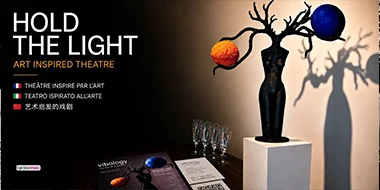
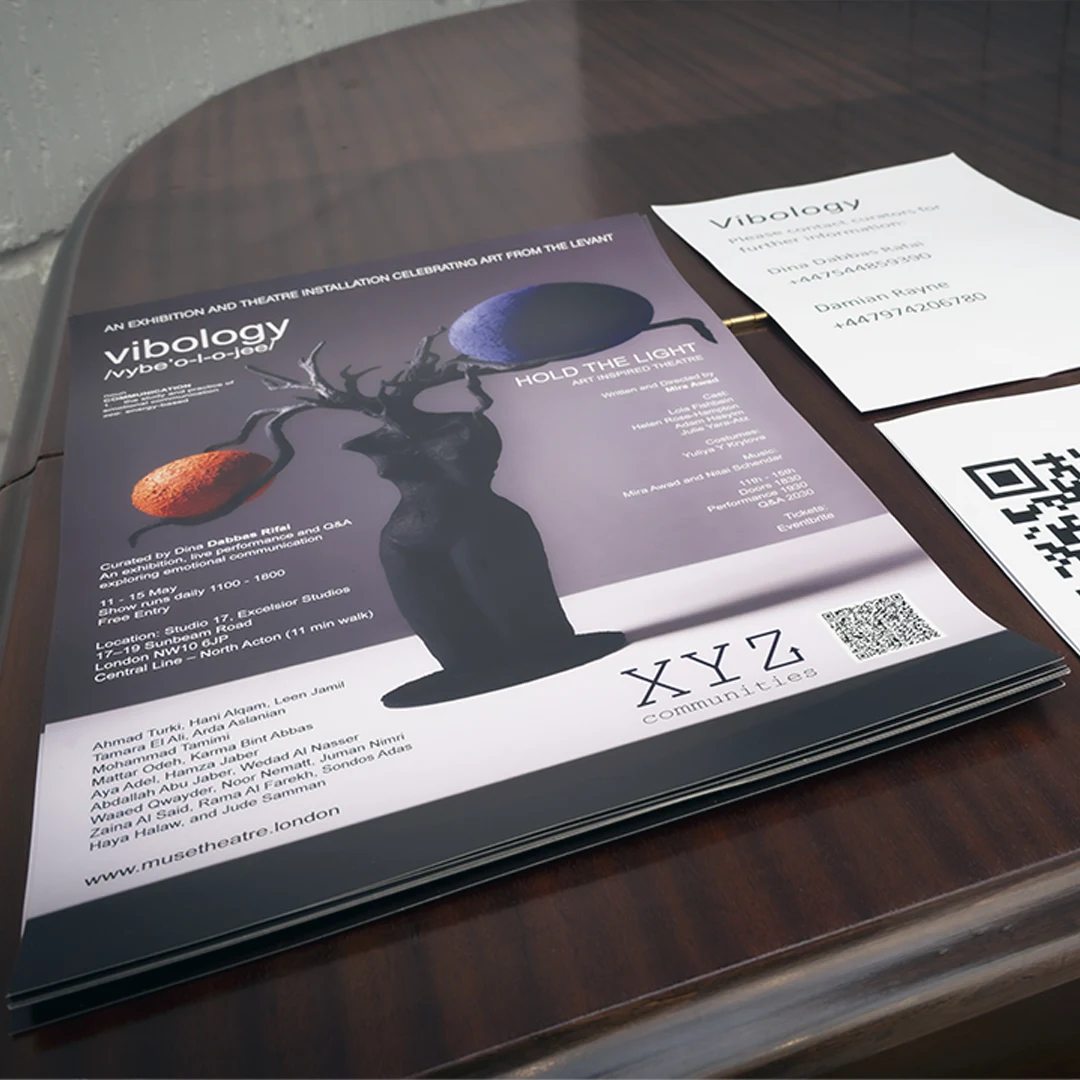
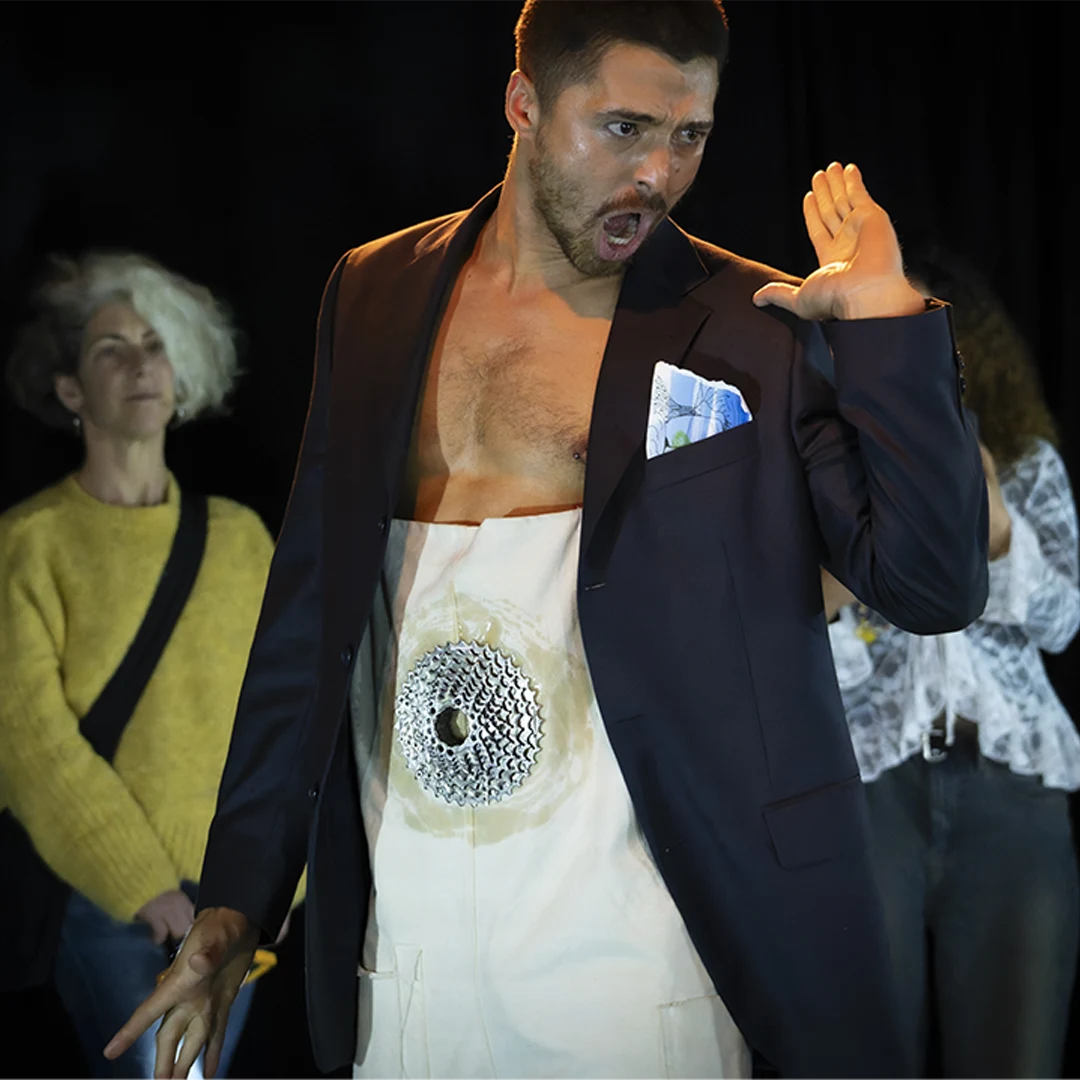
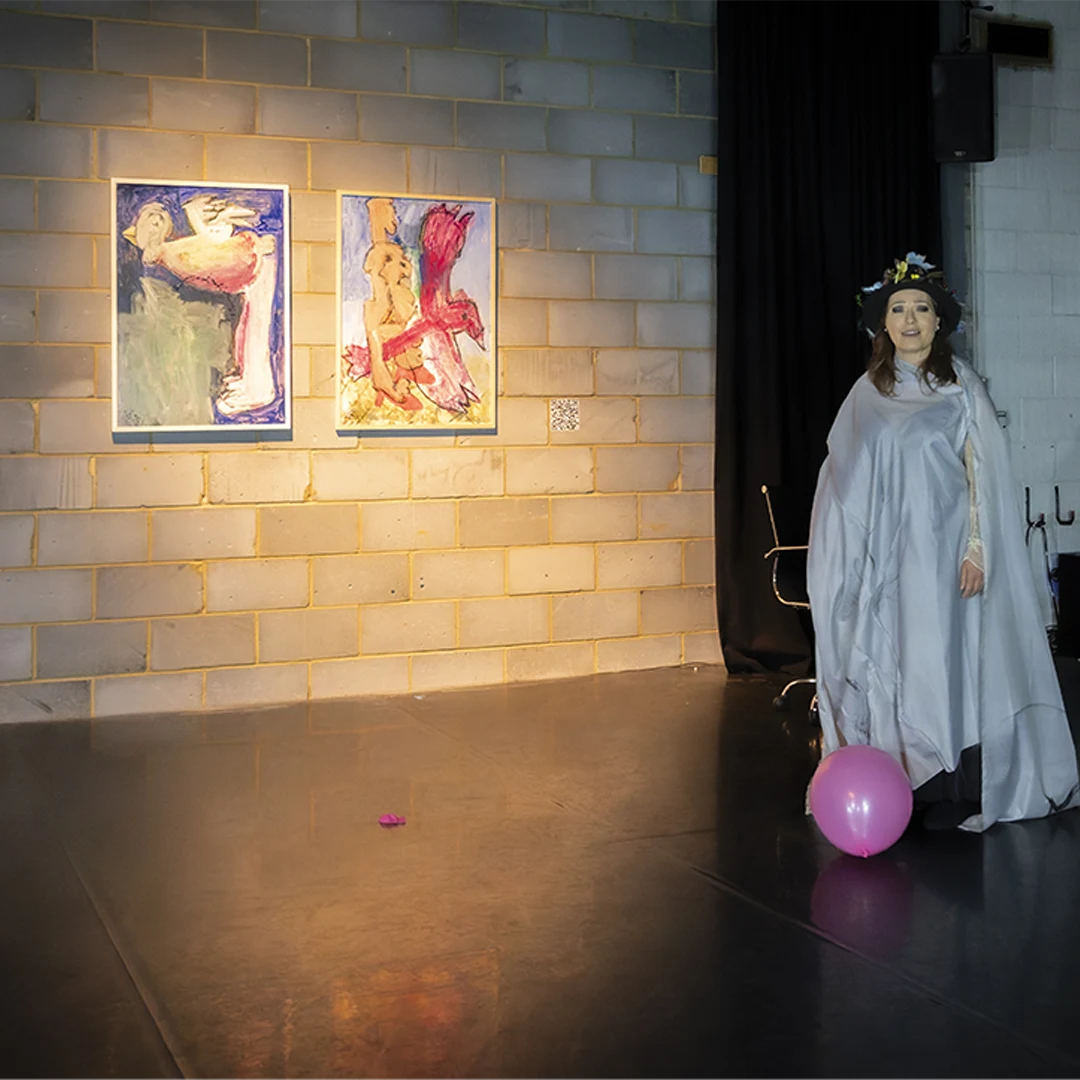
Hold The Light, written and directed by Mira Awad, transformed a London gallery into an immersive experience where theatre, movement and visual art dissolved seamlessly into one another. Presented as part of Vibology, curated by Dina Dabbas Rifai, the performance explored identity, memory, emotion and the often invisible relationship between artists and those who observe their work.
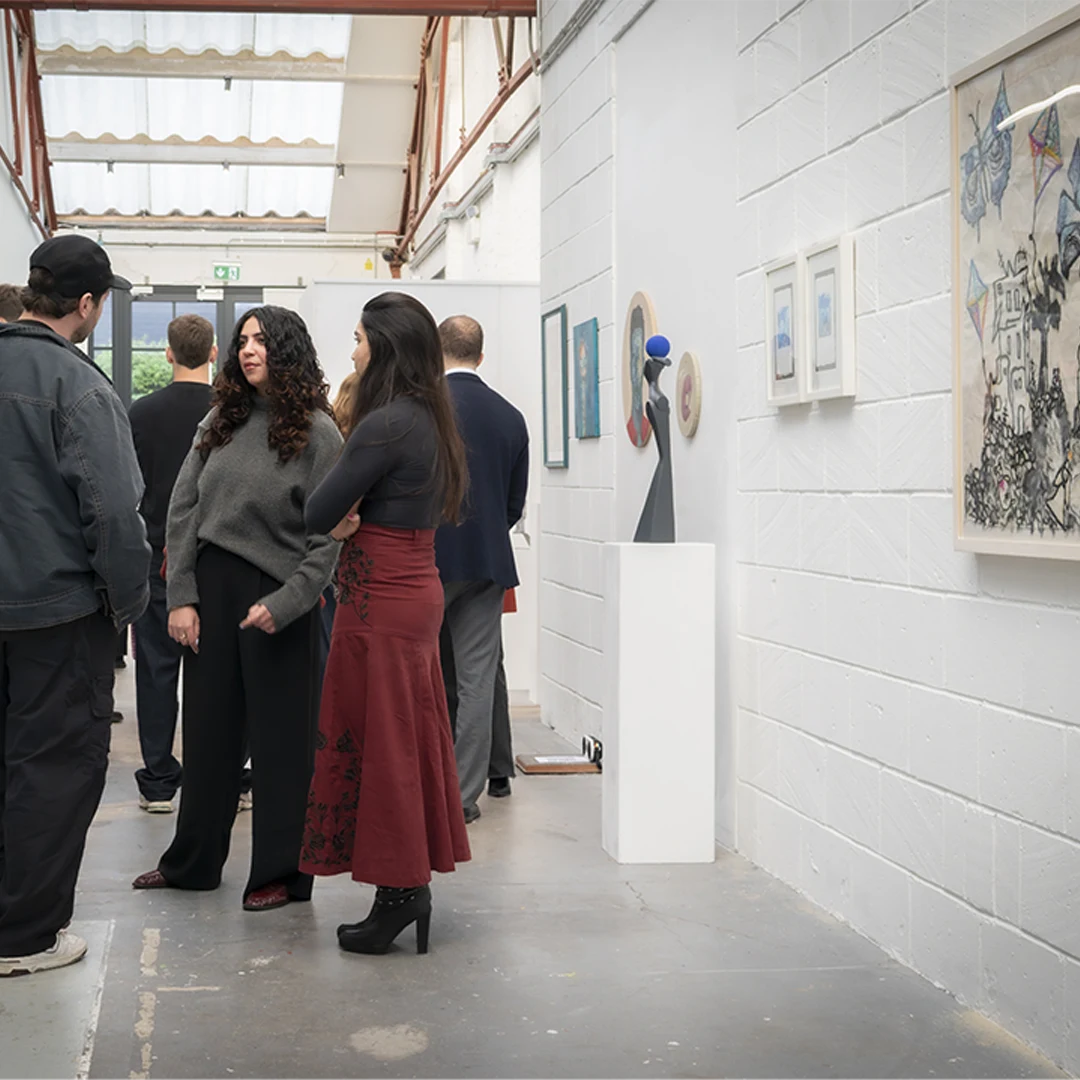
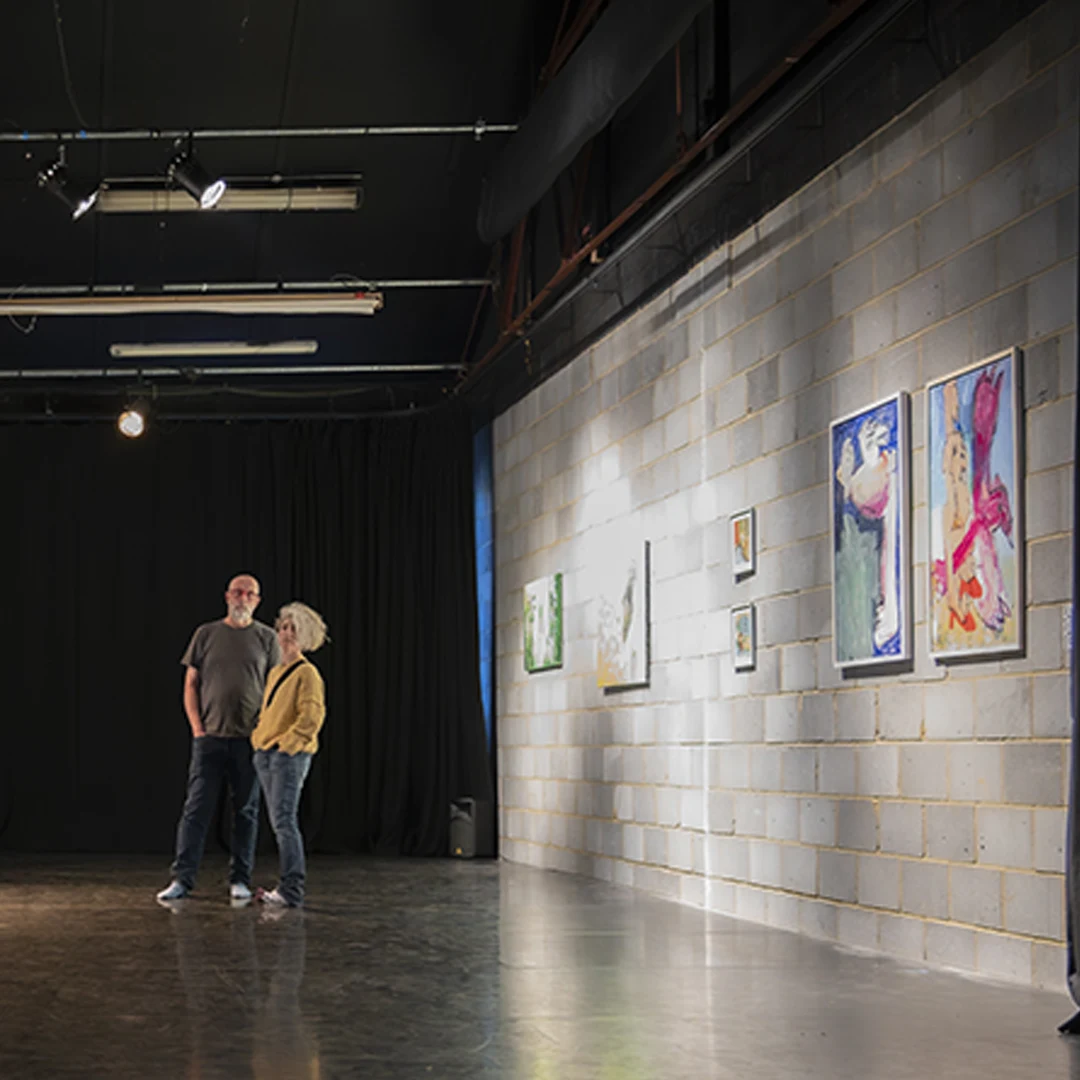
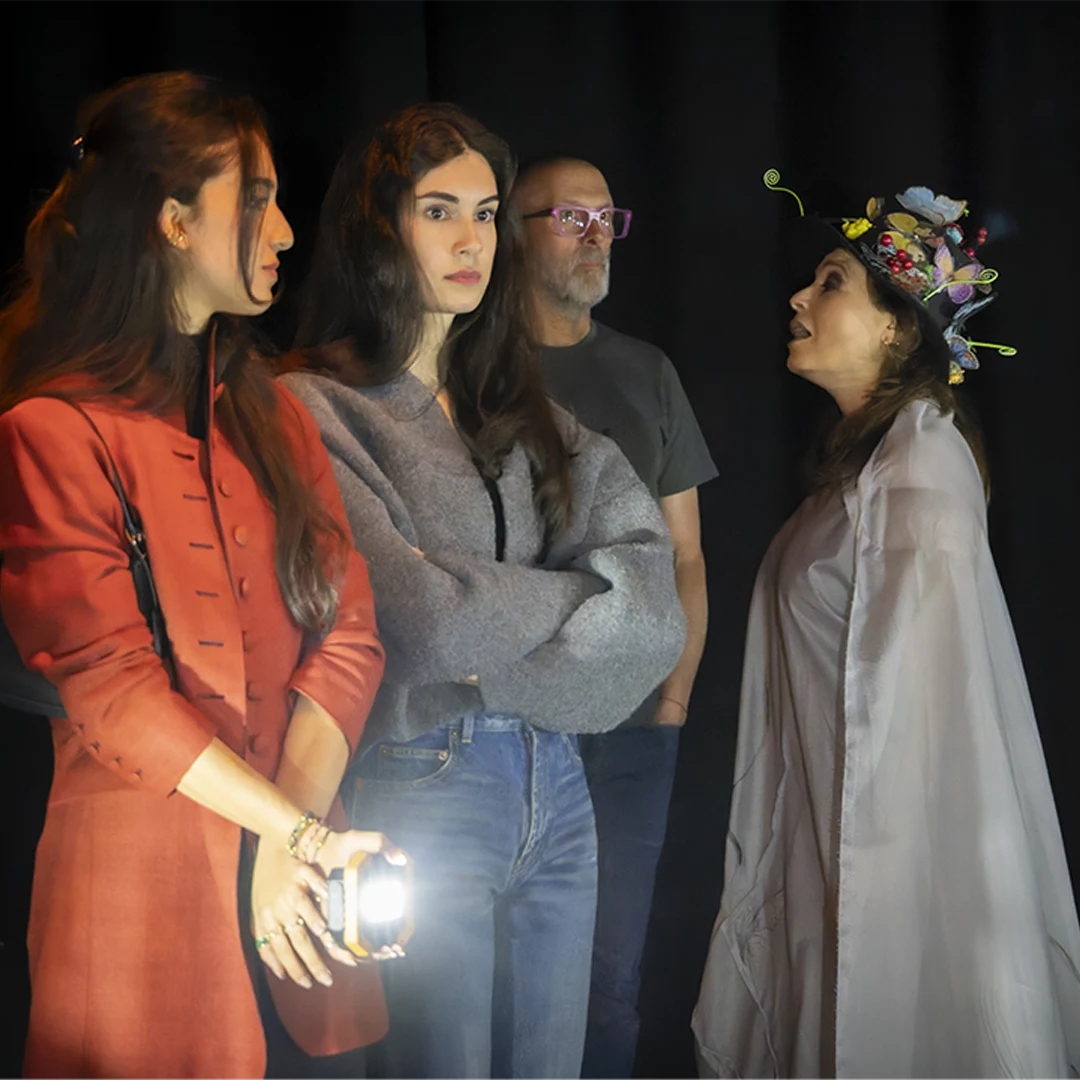
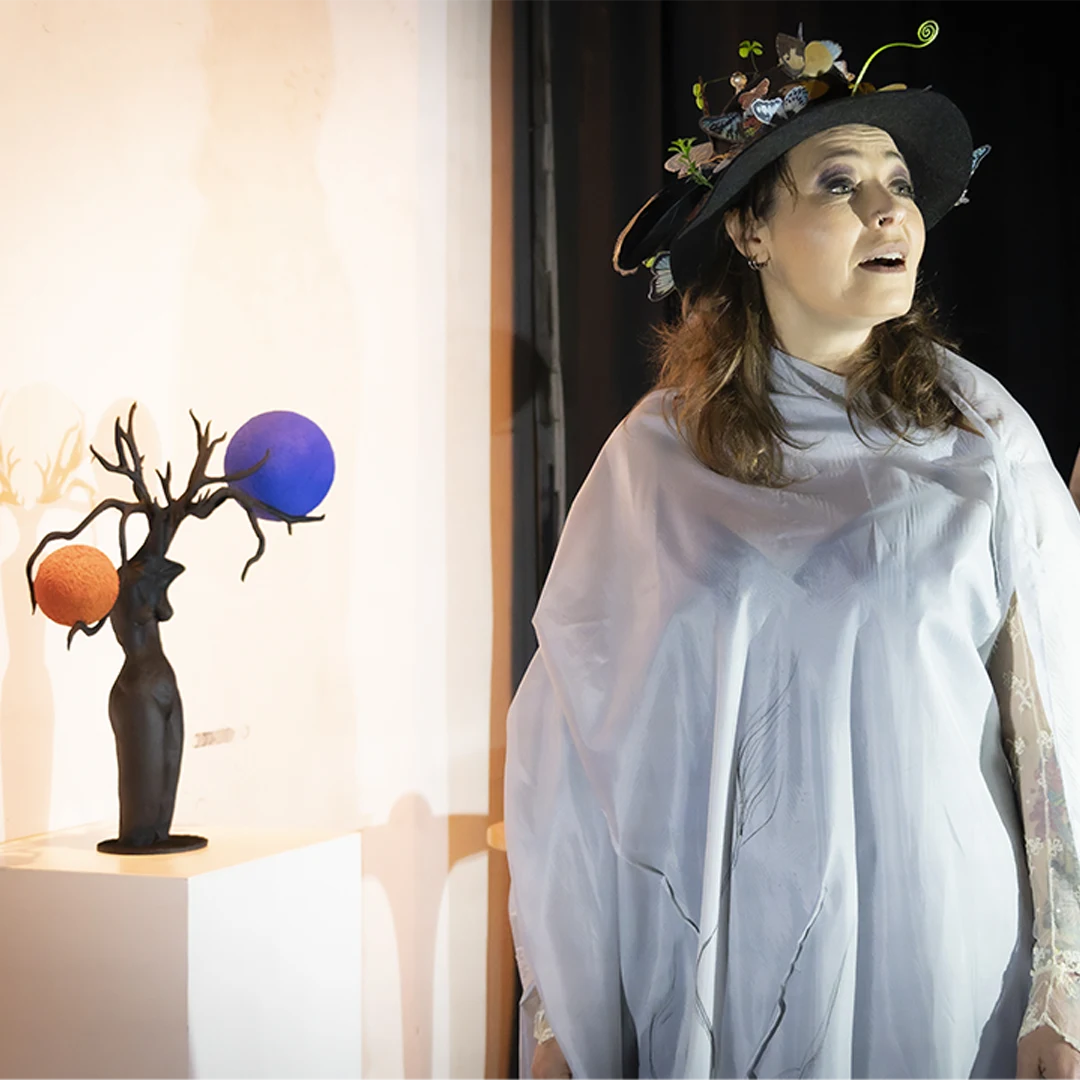
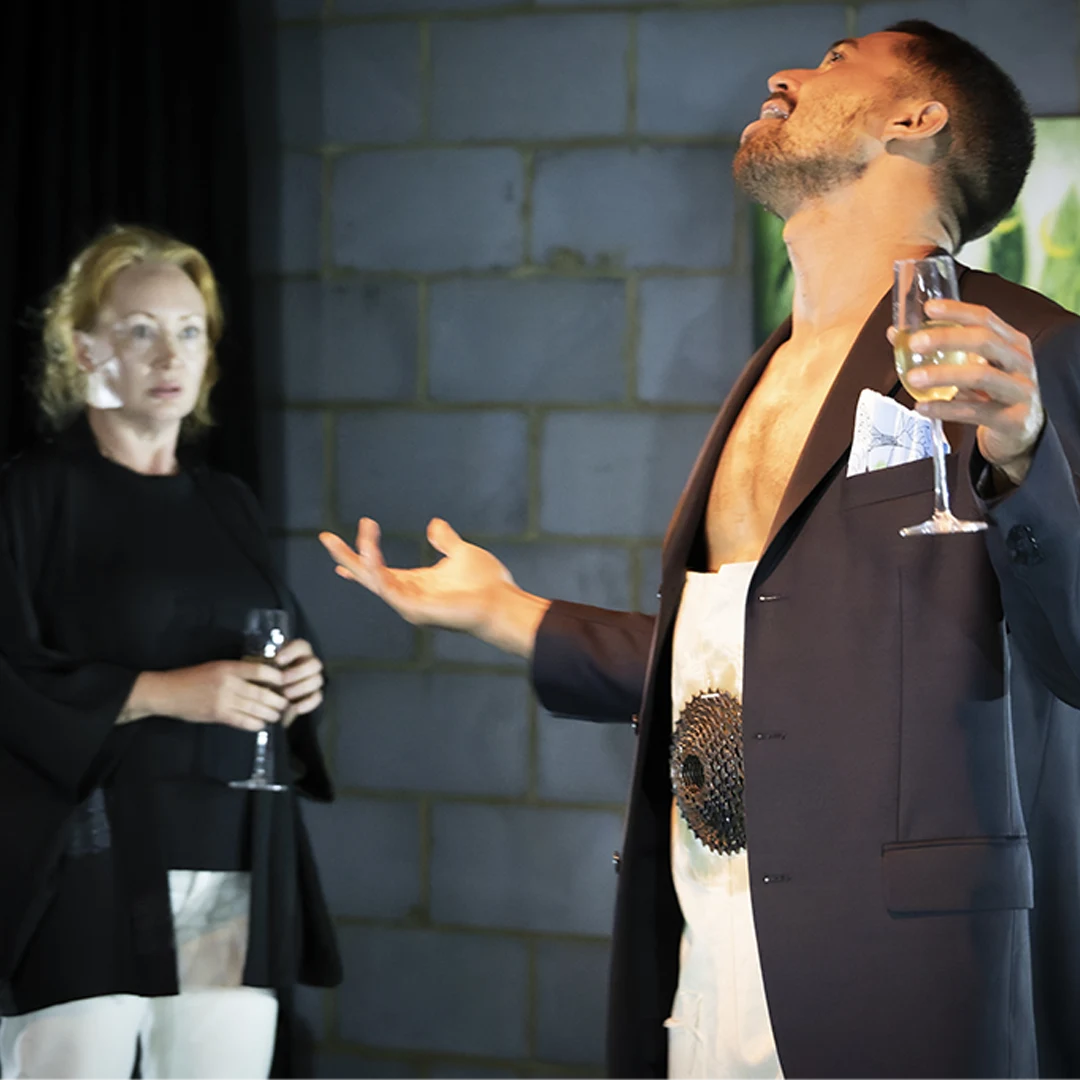
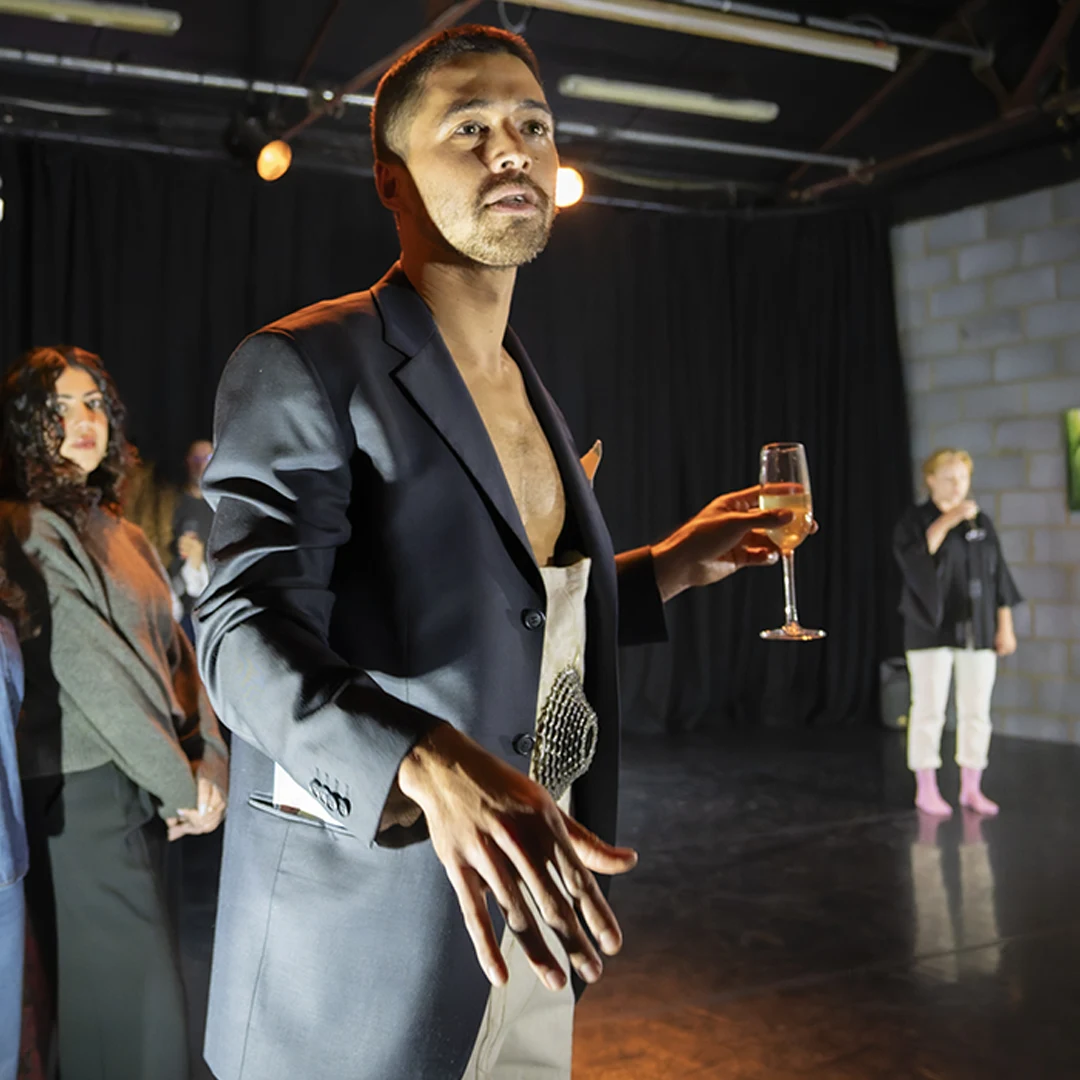
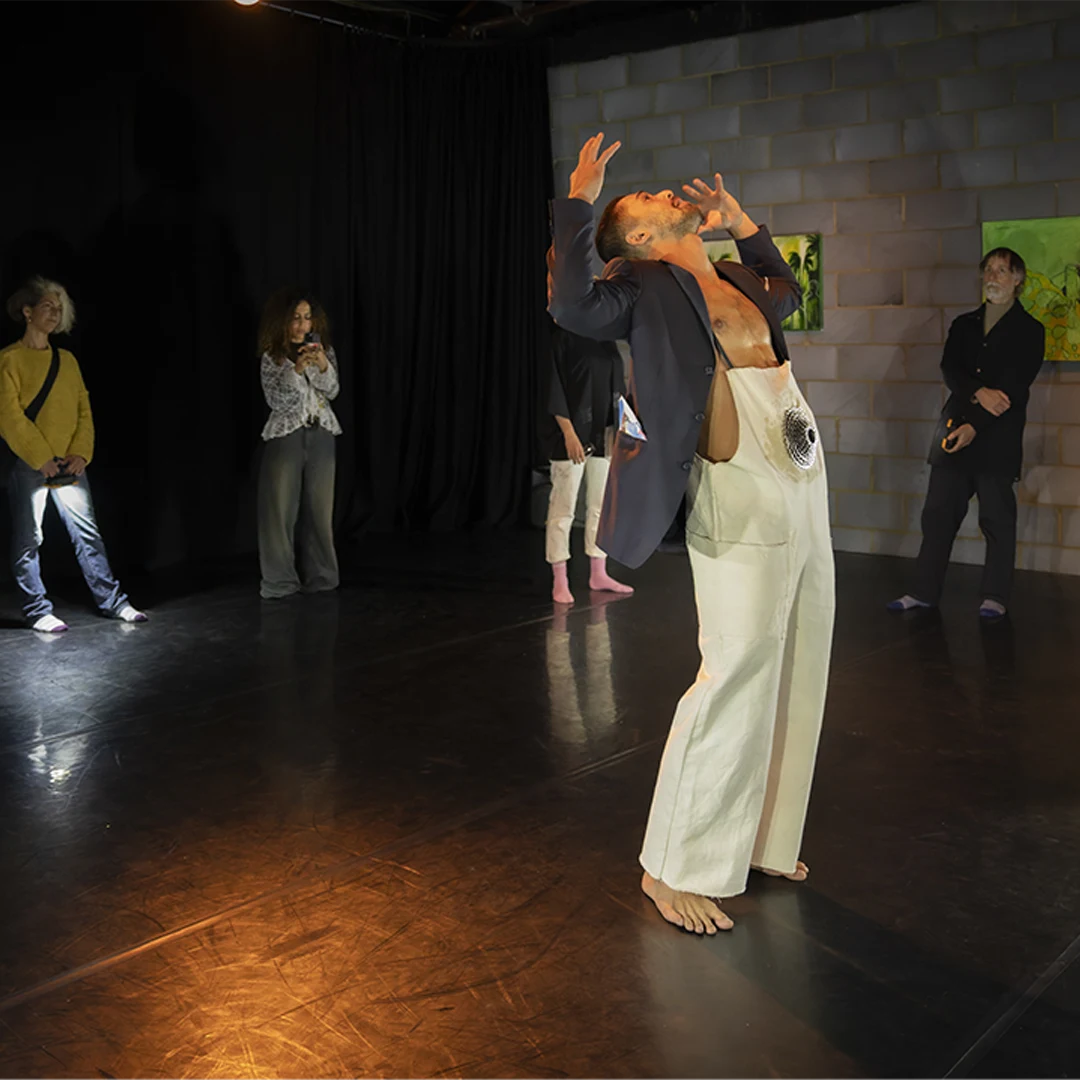
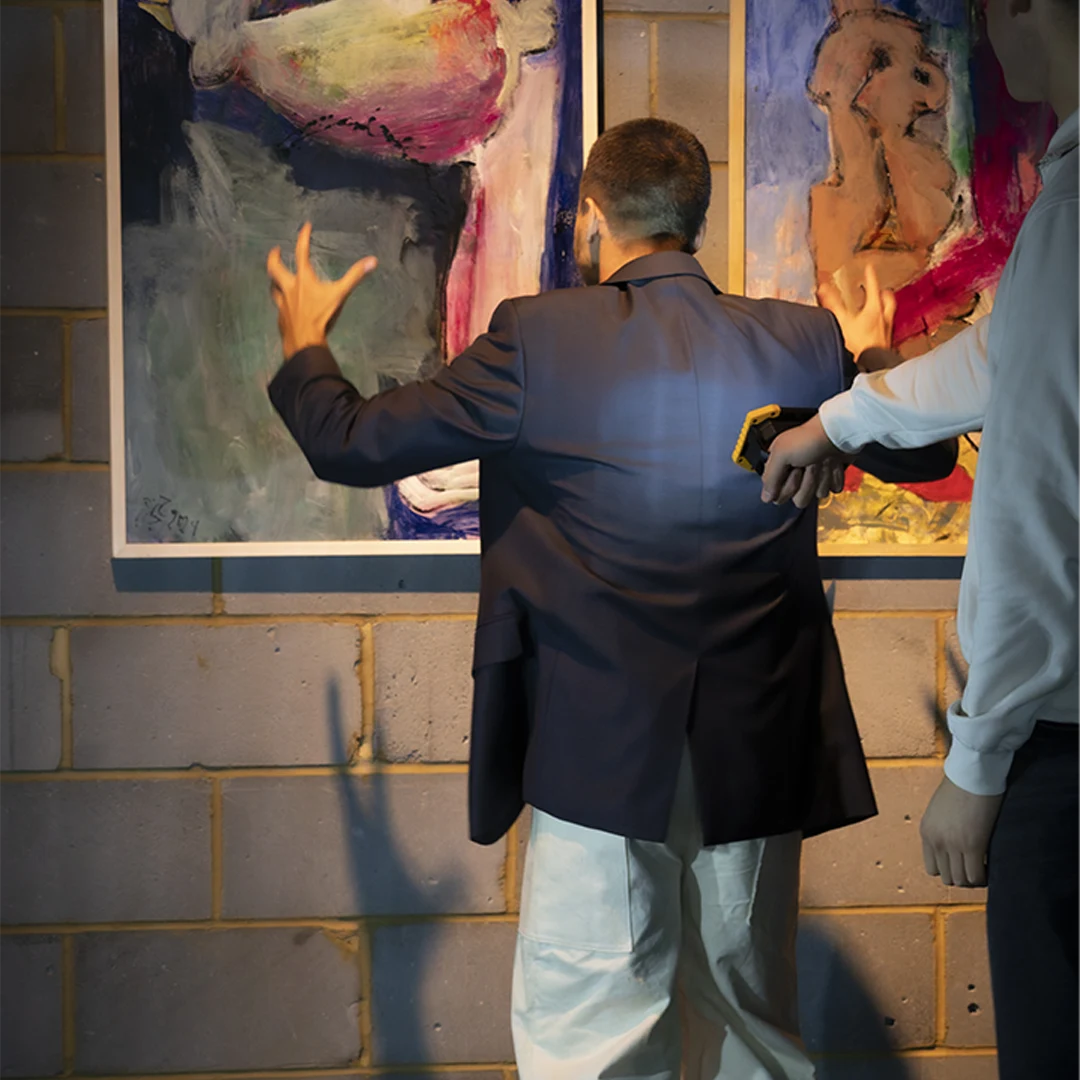
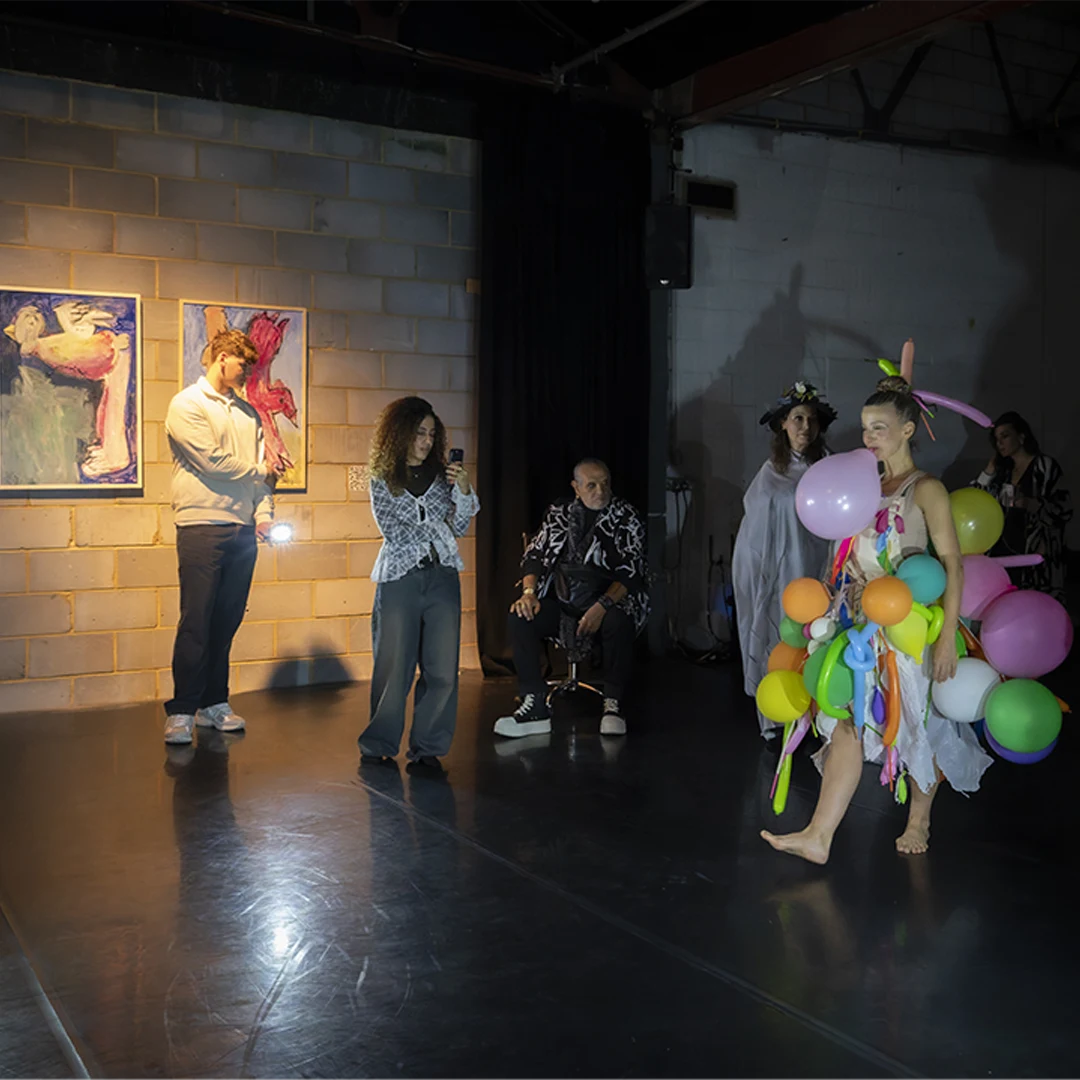
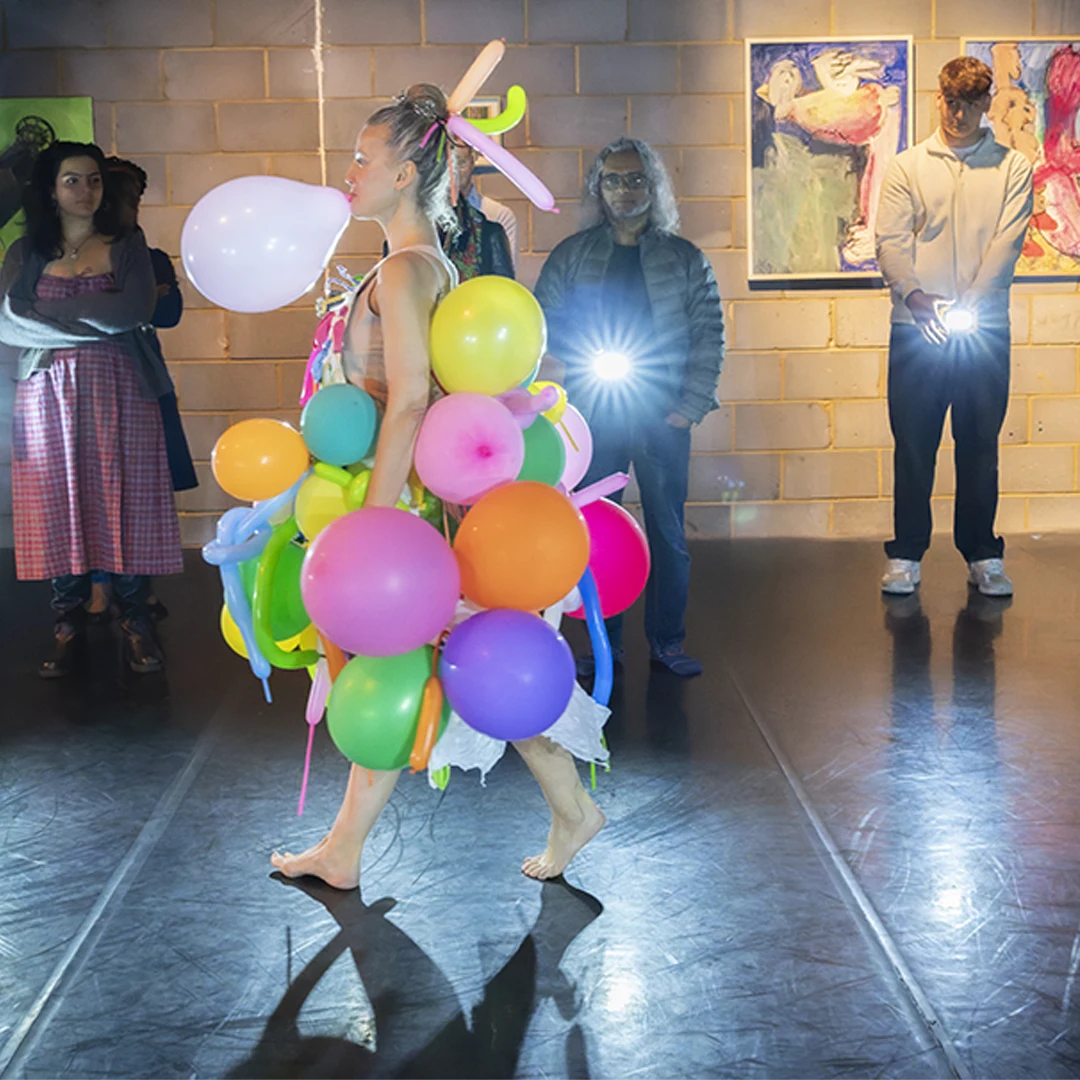
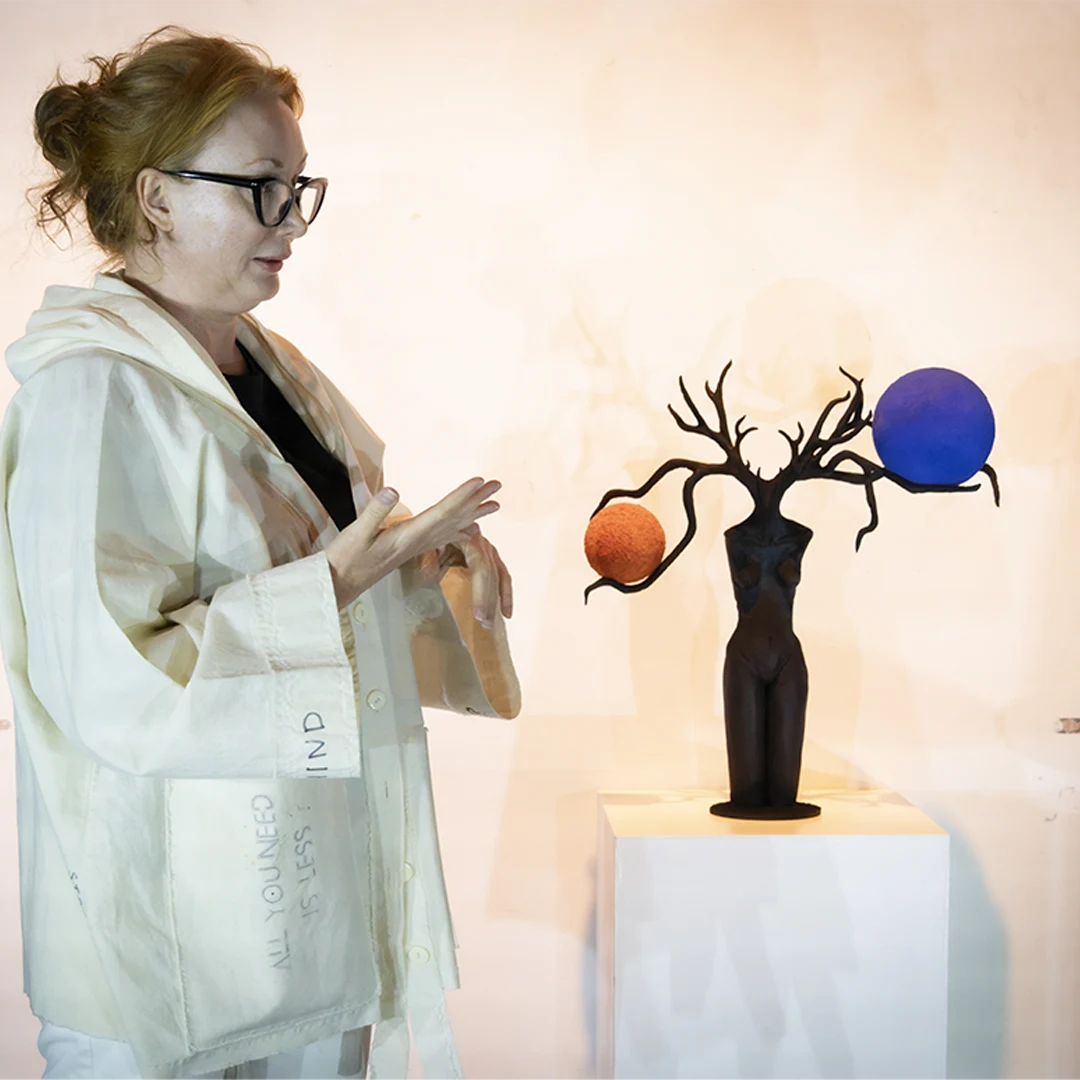
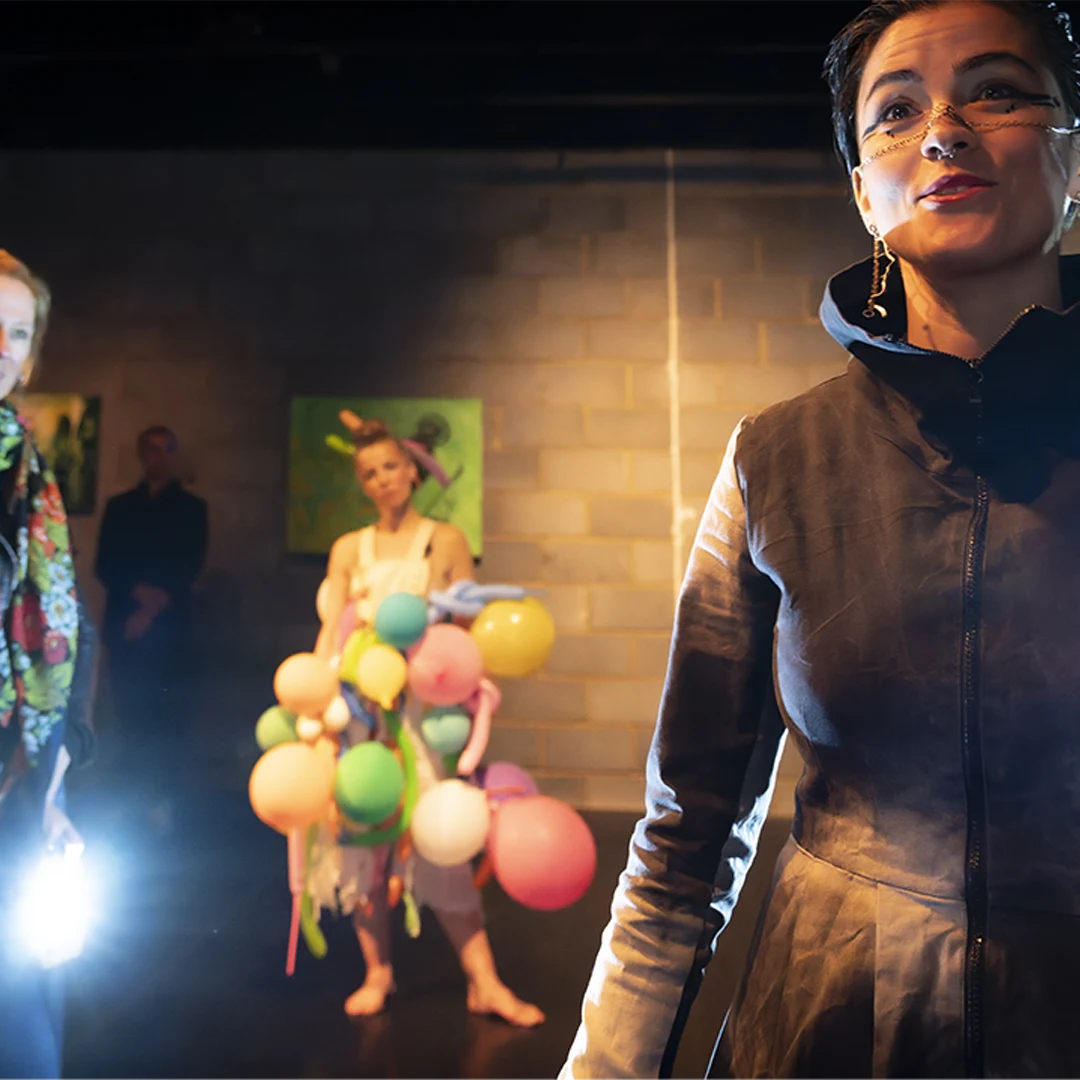
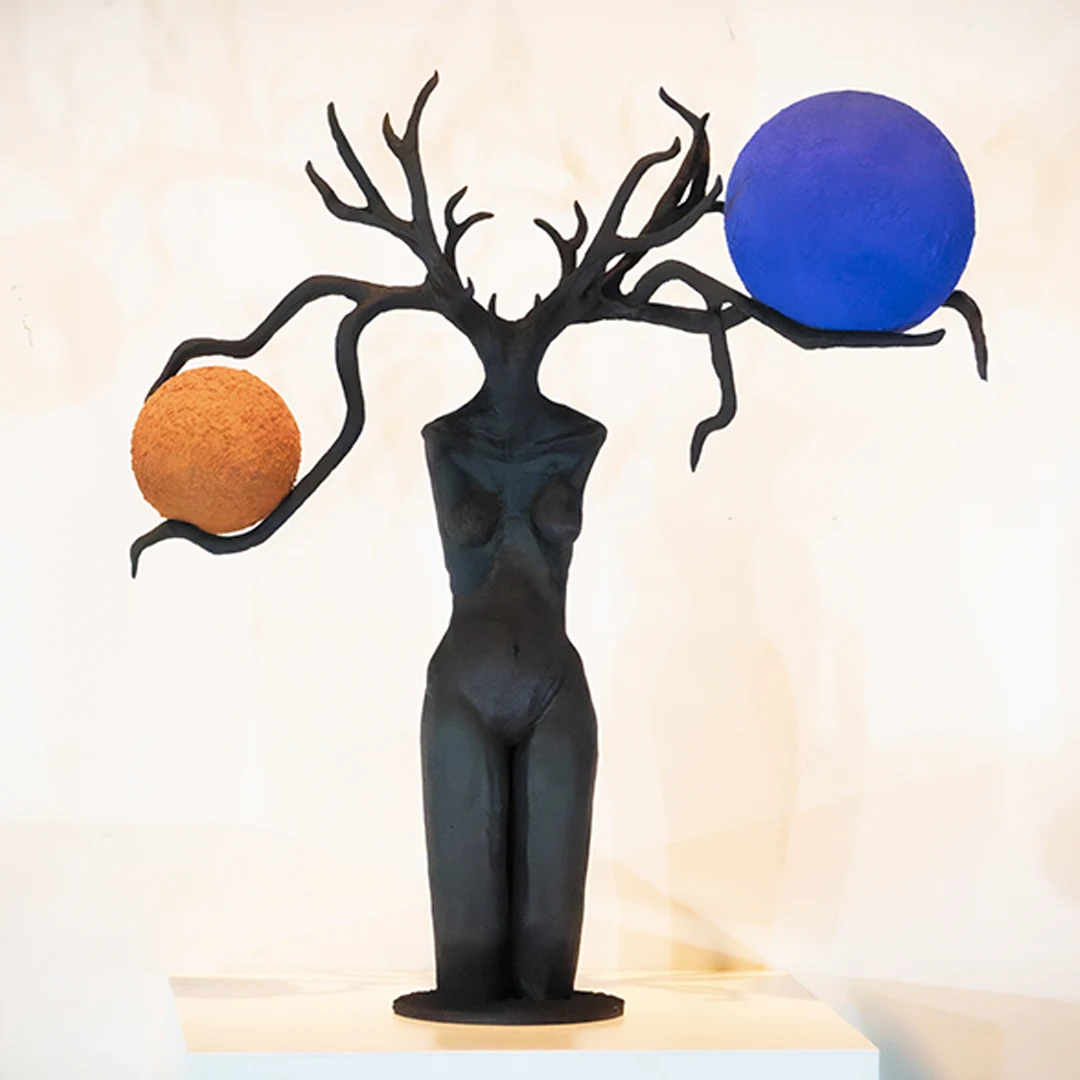
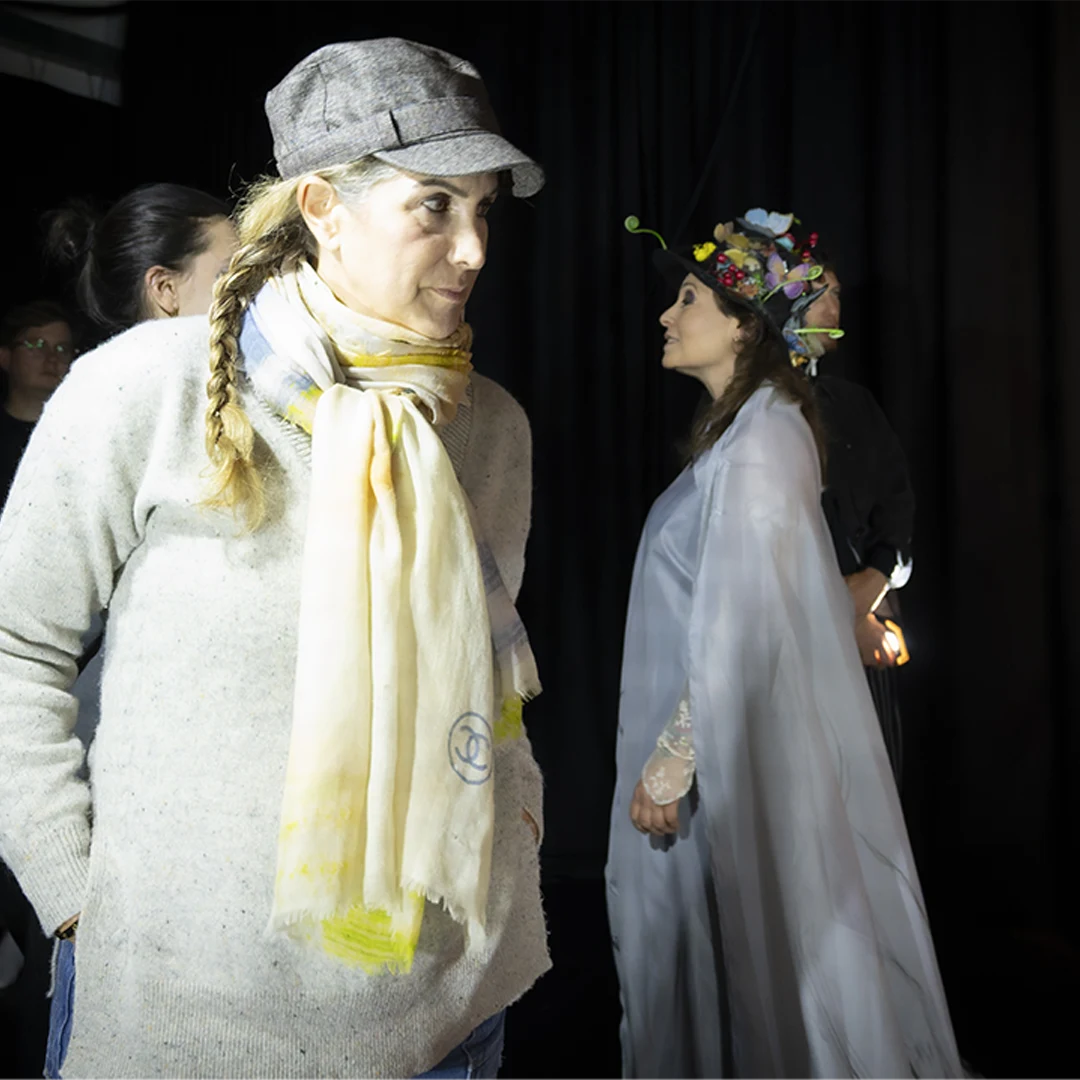
There were no theatre seats and no clear division between audience and performers. Instead, visitors wandered freely through the gallery as actors emerged among paintings and sculptures, creating the unsettling sensation of stepping directly into someone else's emotional landscape. At key moments, bright torches were placed in the audience's hands, inviting each visitor to influence the atmosphere by shaping the space with light and shadow.
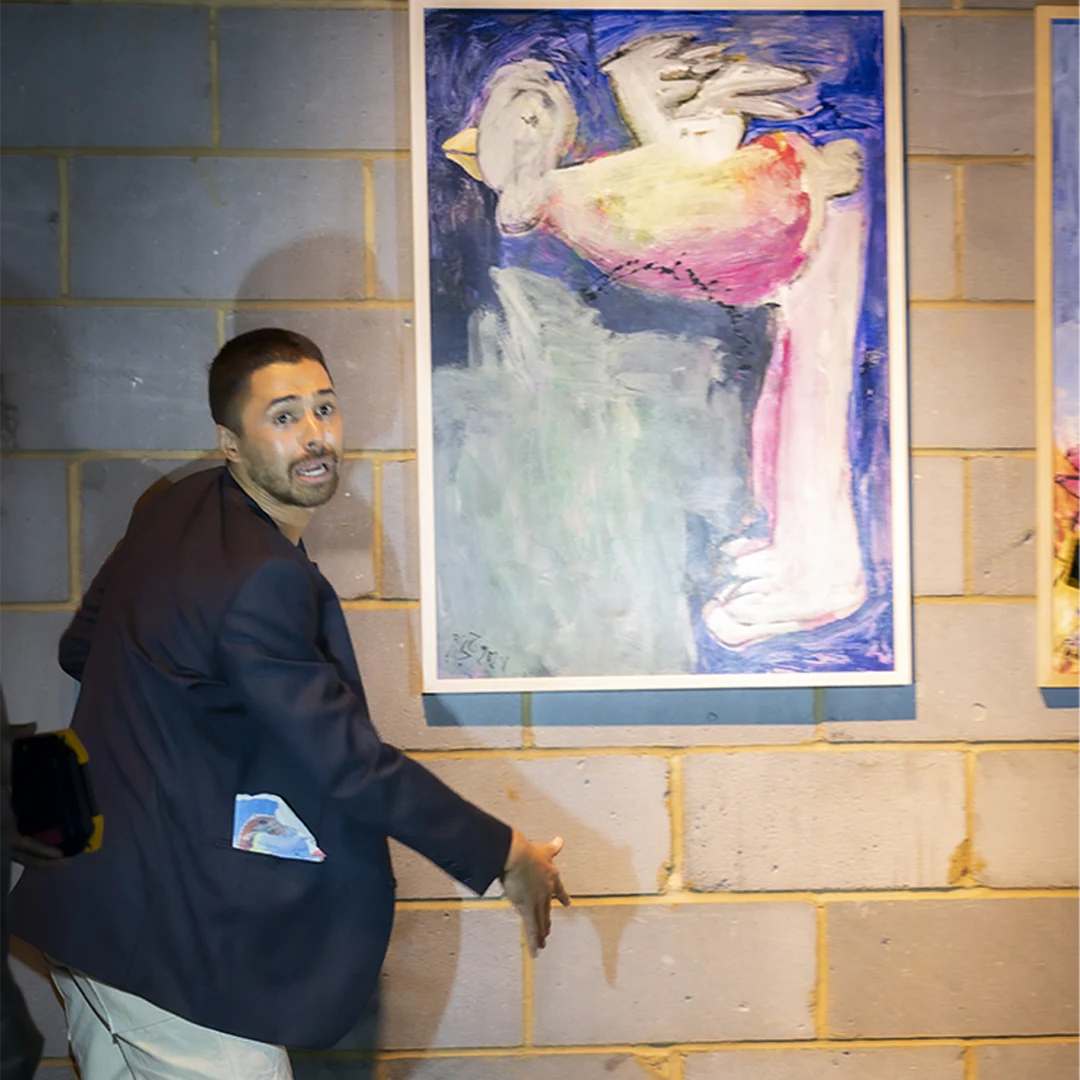
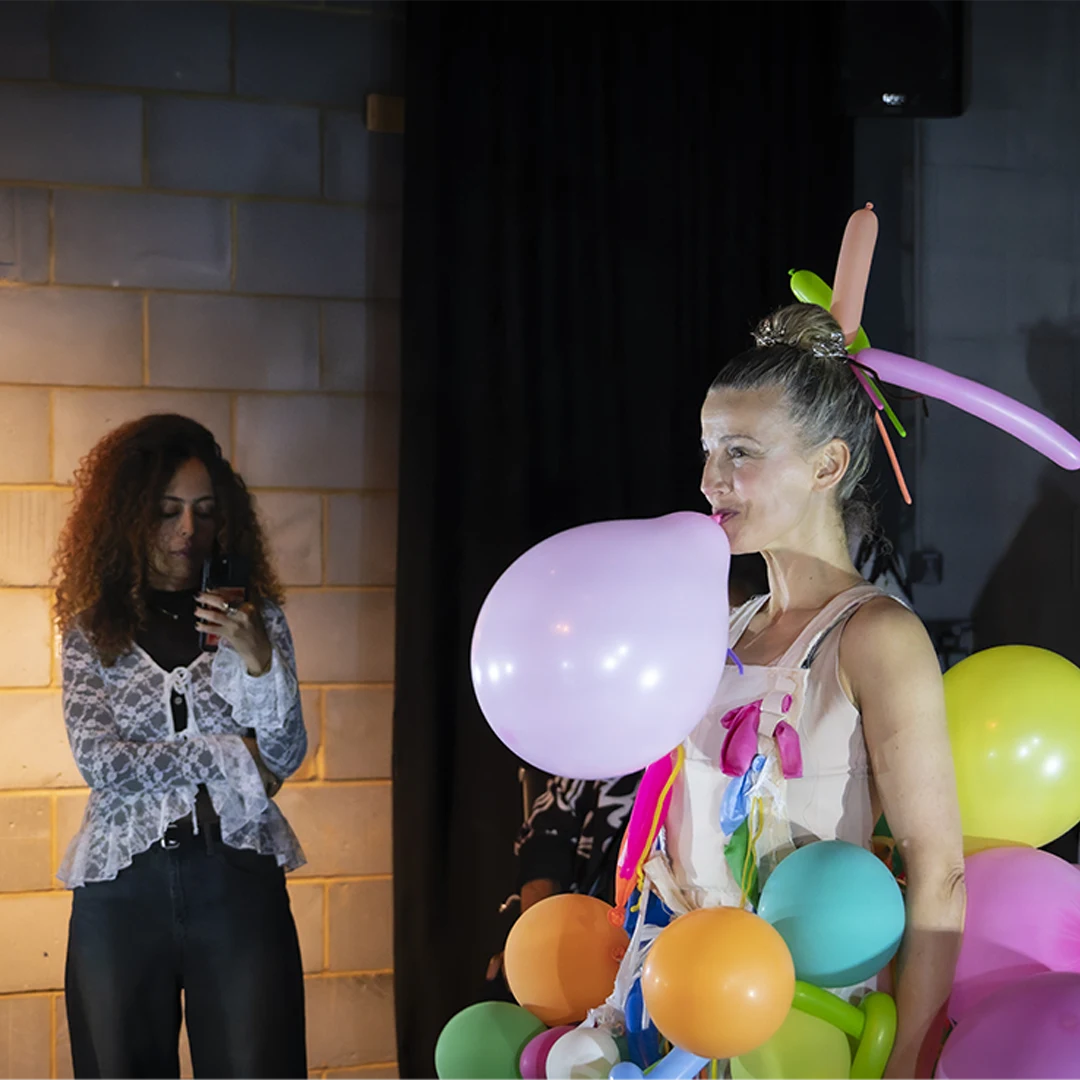
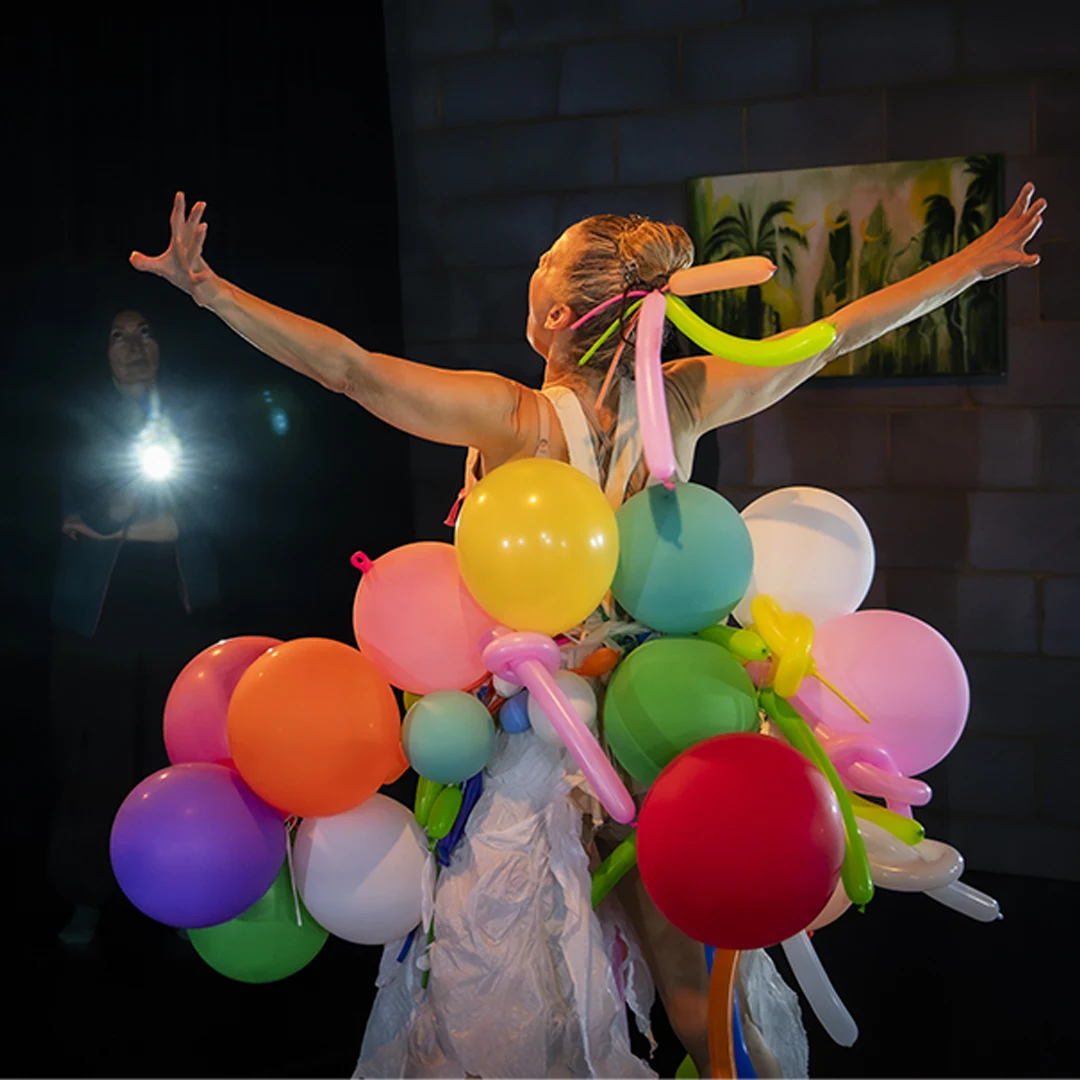
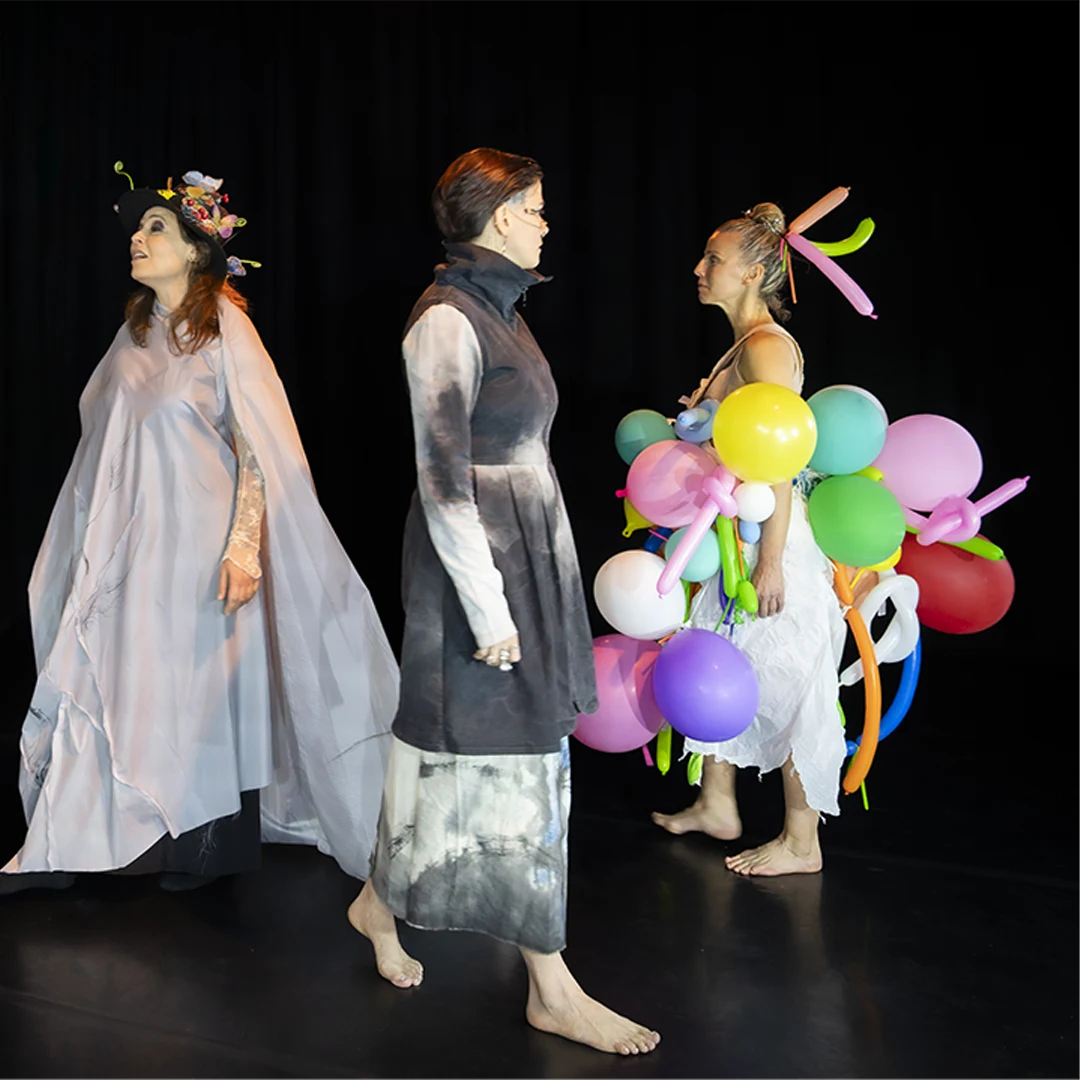
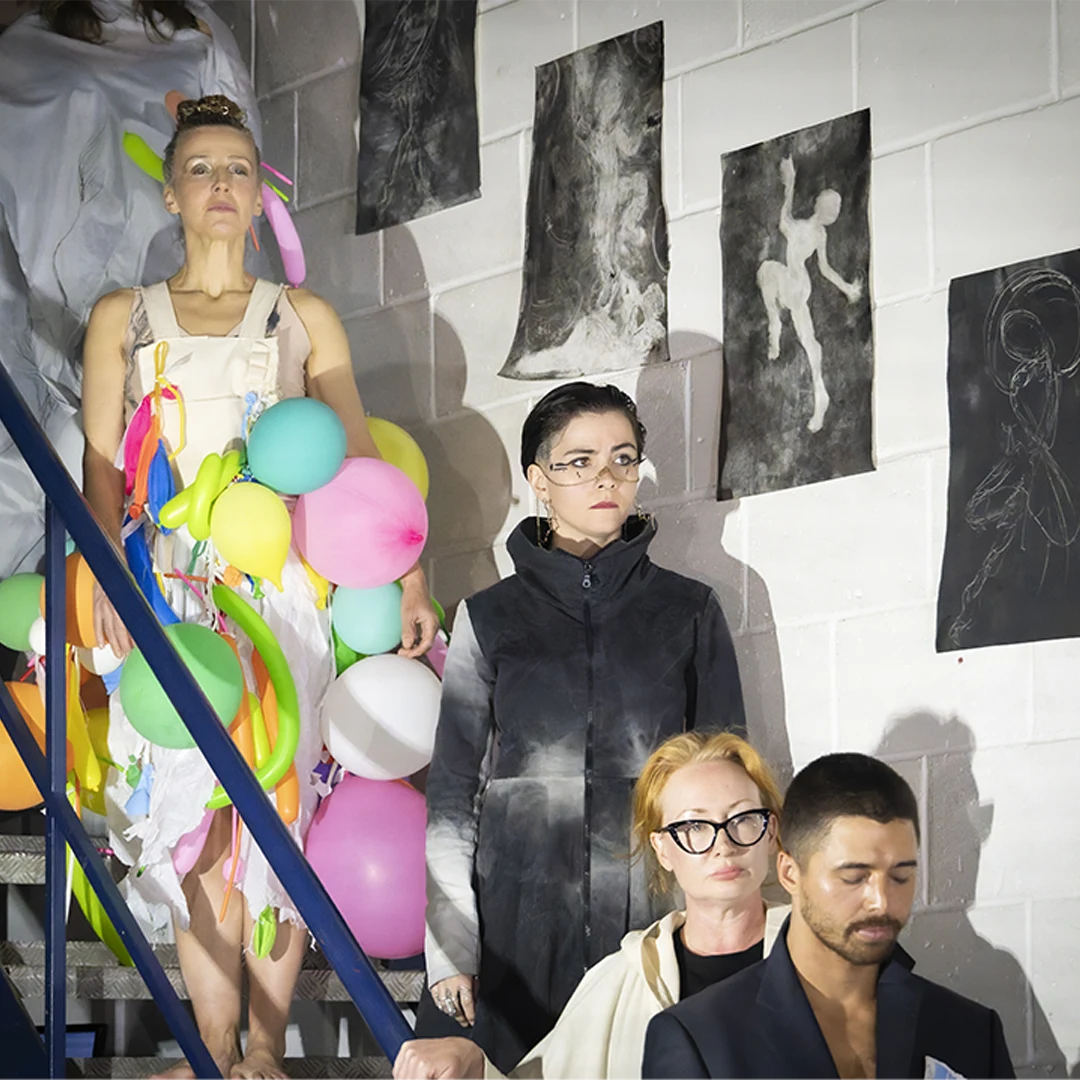
The performance unfolded through monologue, movement and intimate dialogue. One sequence examined the fragile contradiction between creating art in solitude and exposing it to public judgement. Another introduced a dancer enveloped in colourful balloons, transforming childhood memories of celebration into something unexpectedly melancholic, reflecting on attachment, loss and the quiet passage of time.
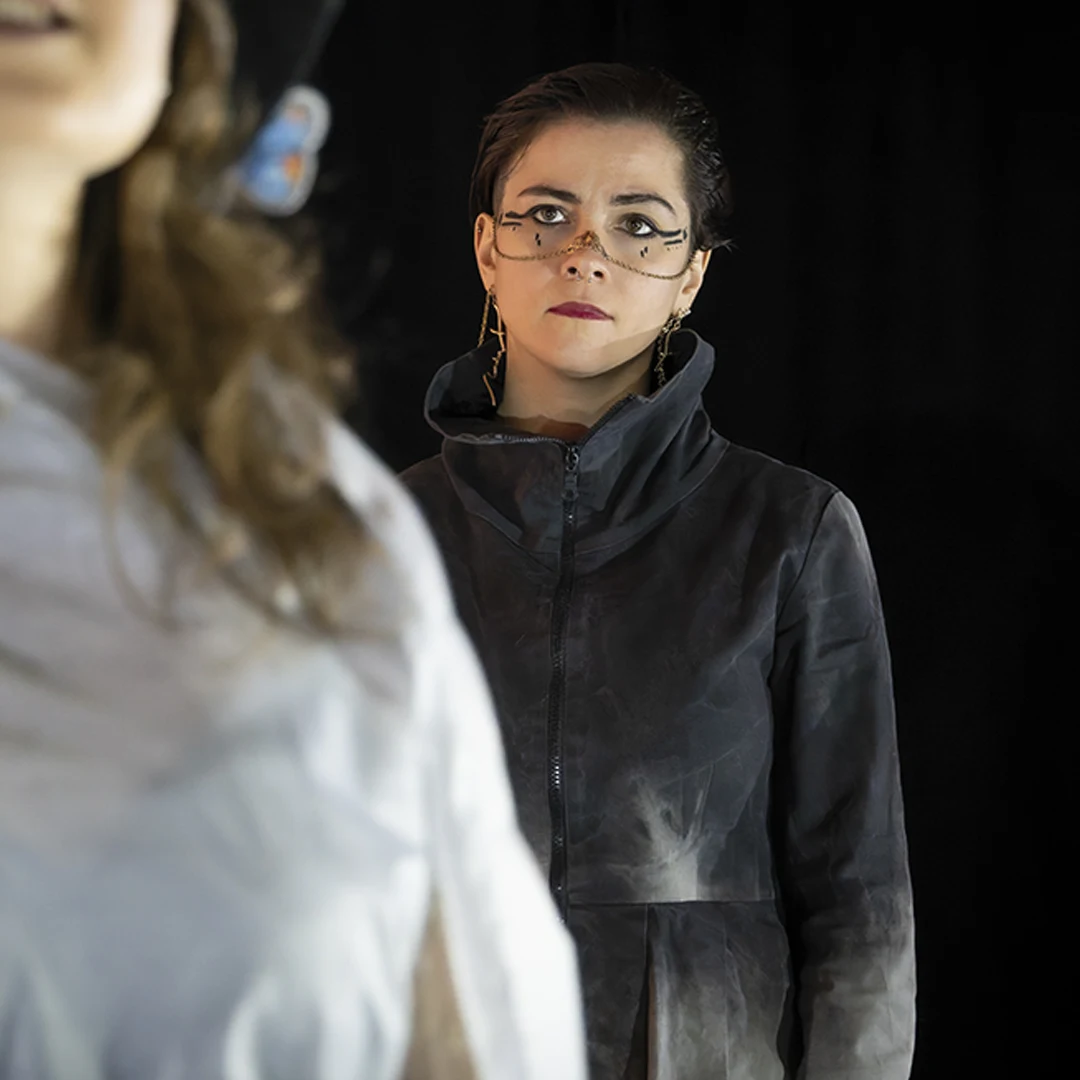
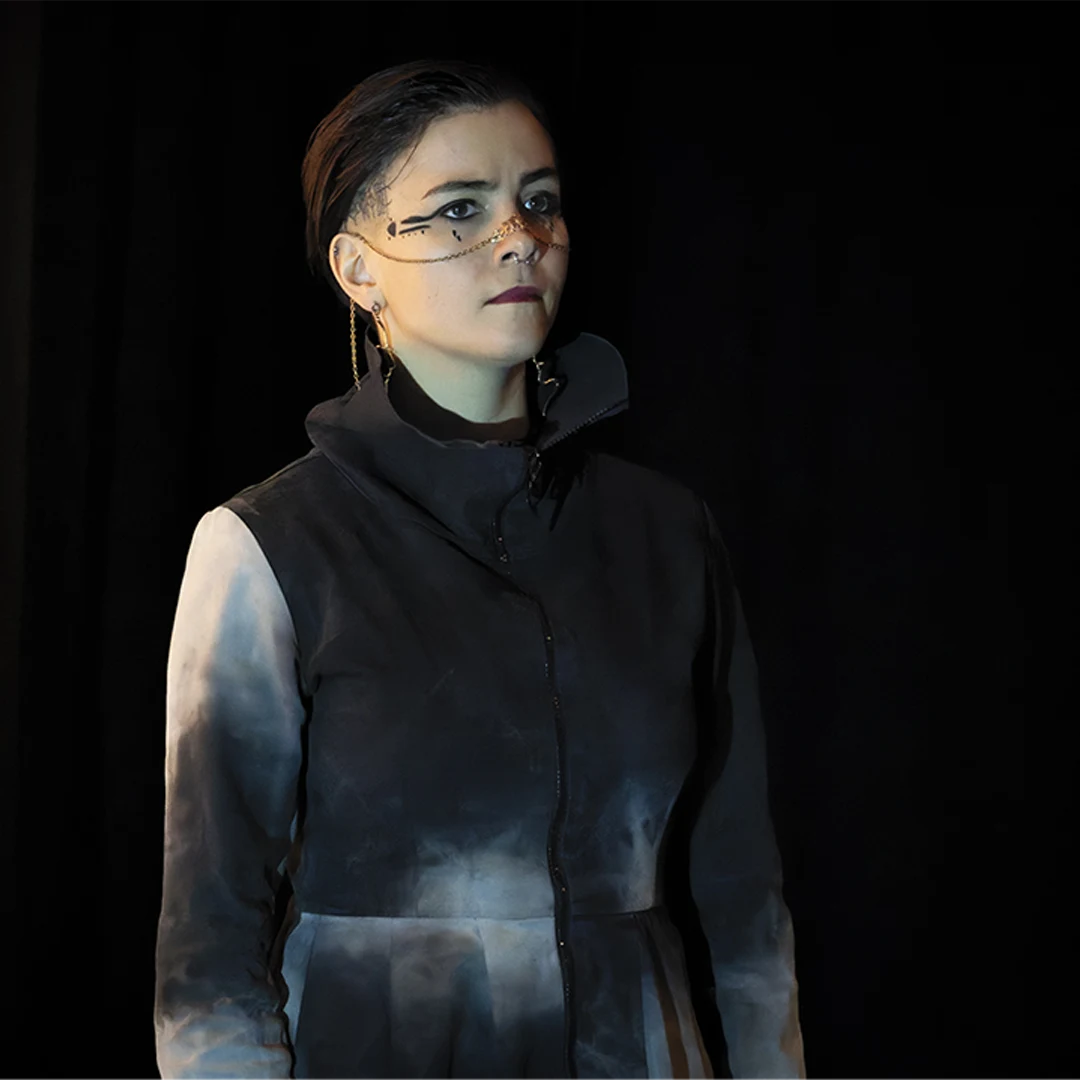
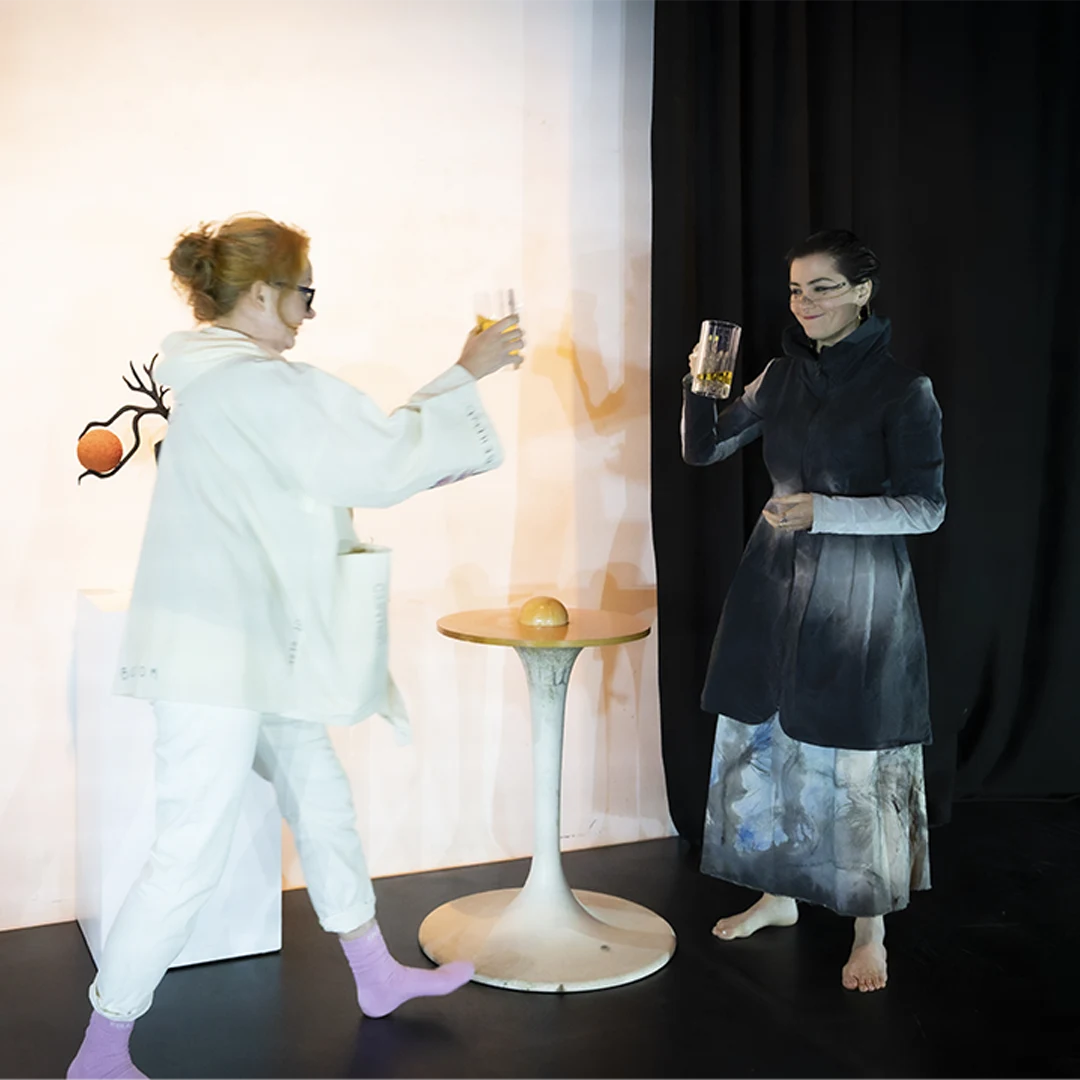
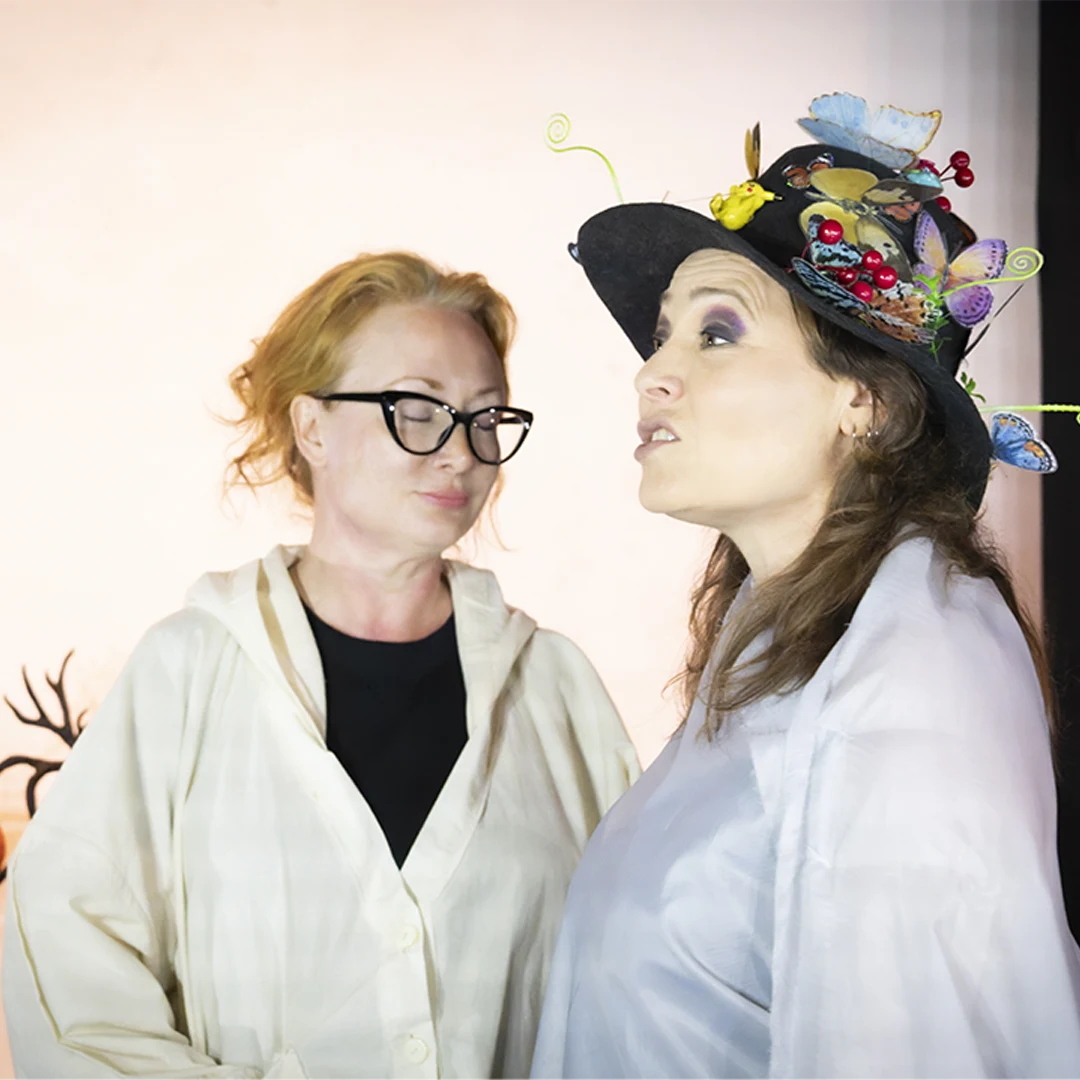
The final act centred on an increasingly tense exchange between a journalist and an artist, questioning identity, representation and society's persistent desire to define artists by politics, nationality or personal trauma before simply allowing them to exist as creators.
Light became more than illumination.
Throughout the evening, it evolved into a silent participant in the performance itself. Audience members were invited to direct beams of light across the gallery, revealing faces, artworks and hidden corners while casting others into shadow. Every movement subtly altered the emotional atmosphere, making each visitor an active collaborator rather than a passive observer.
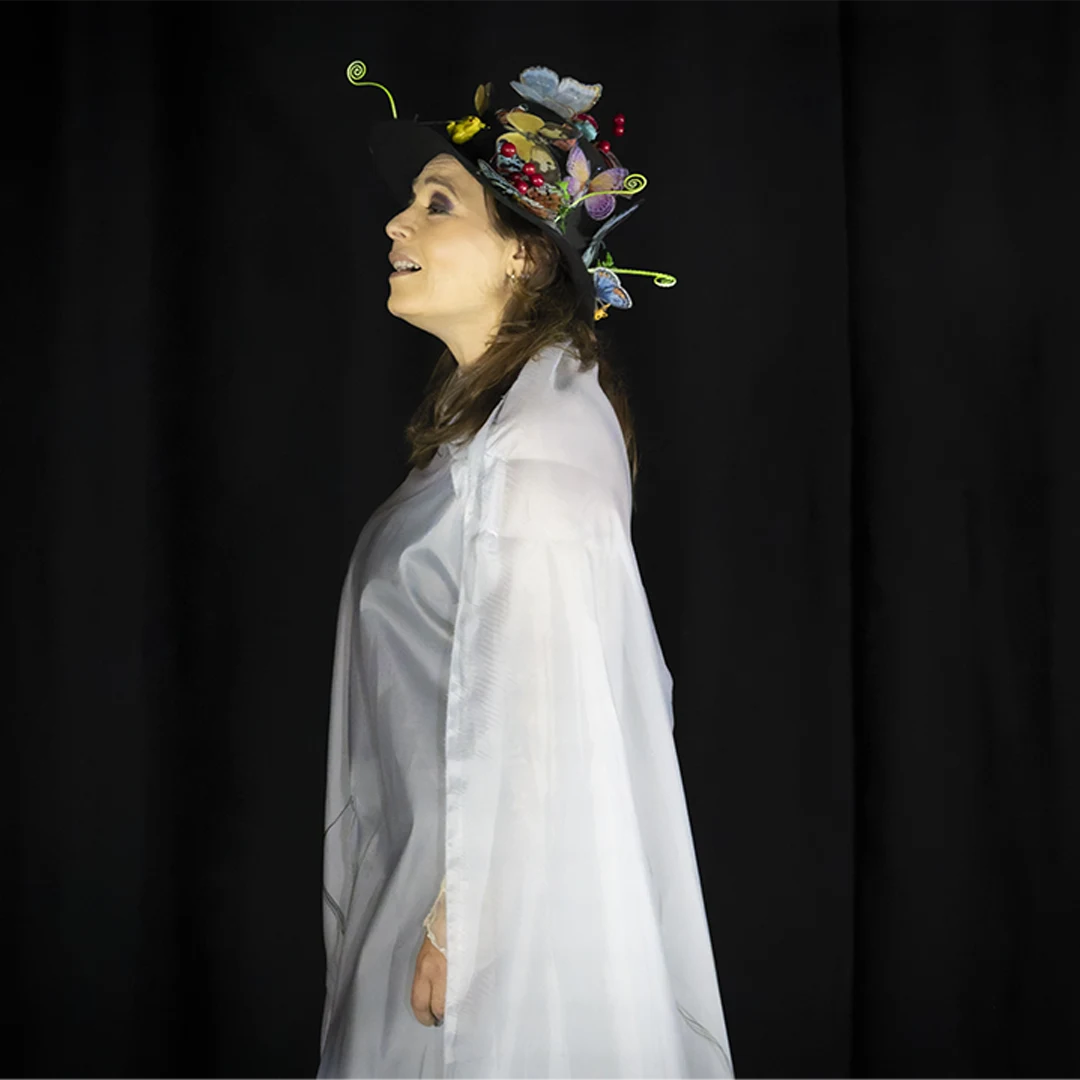
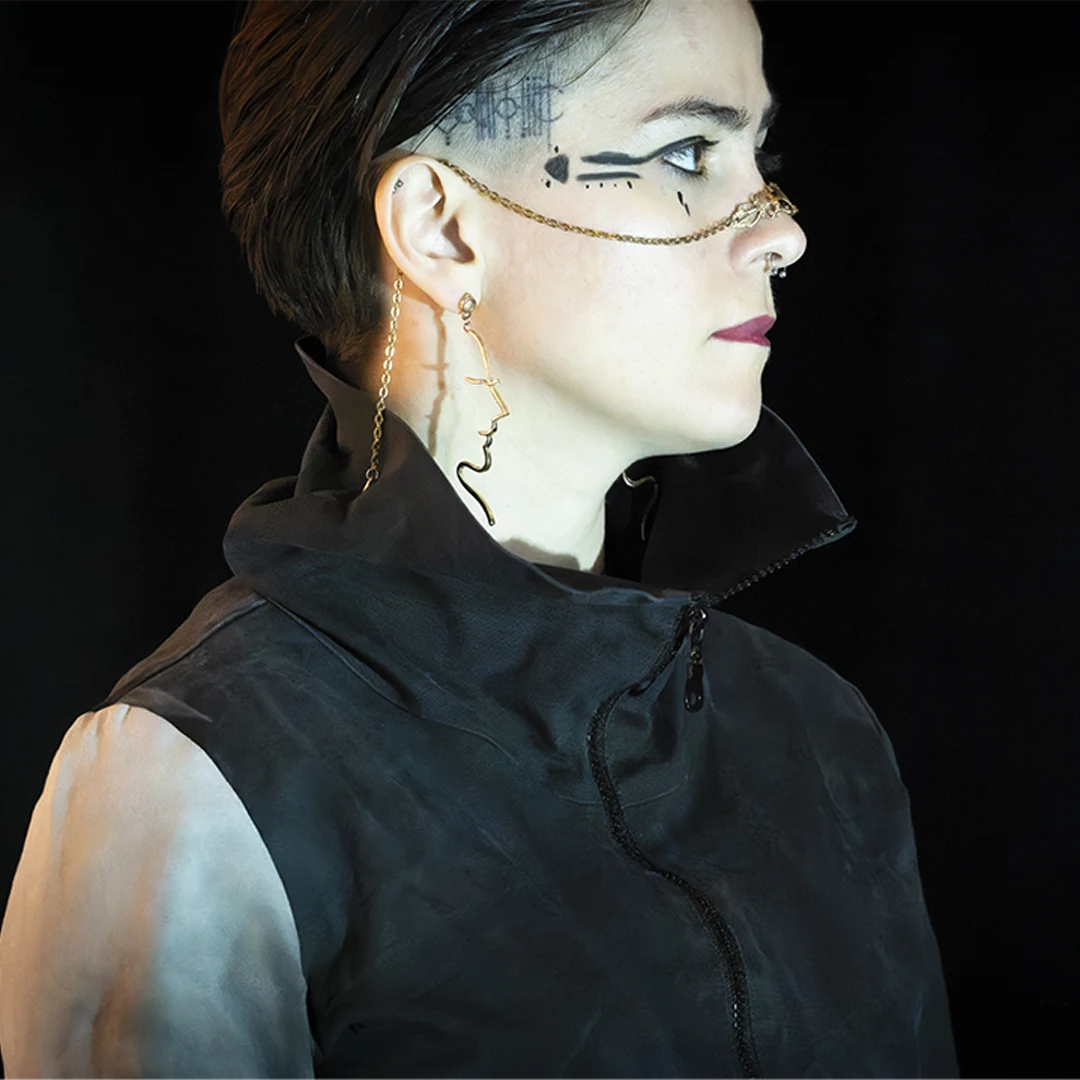
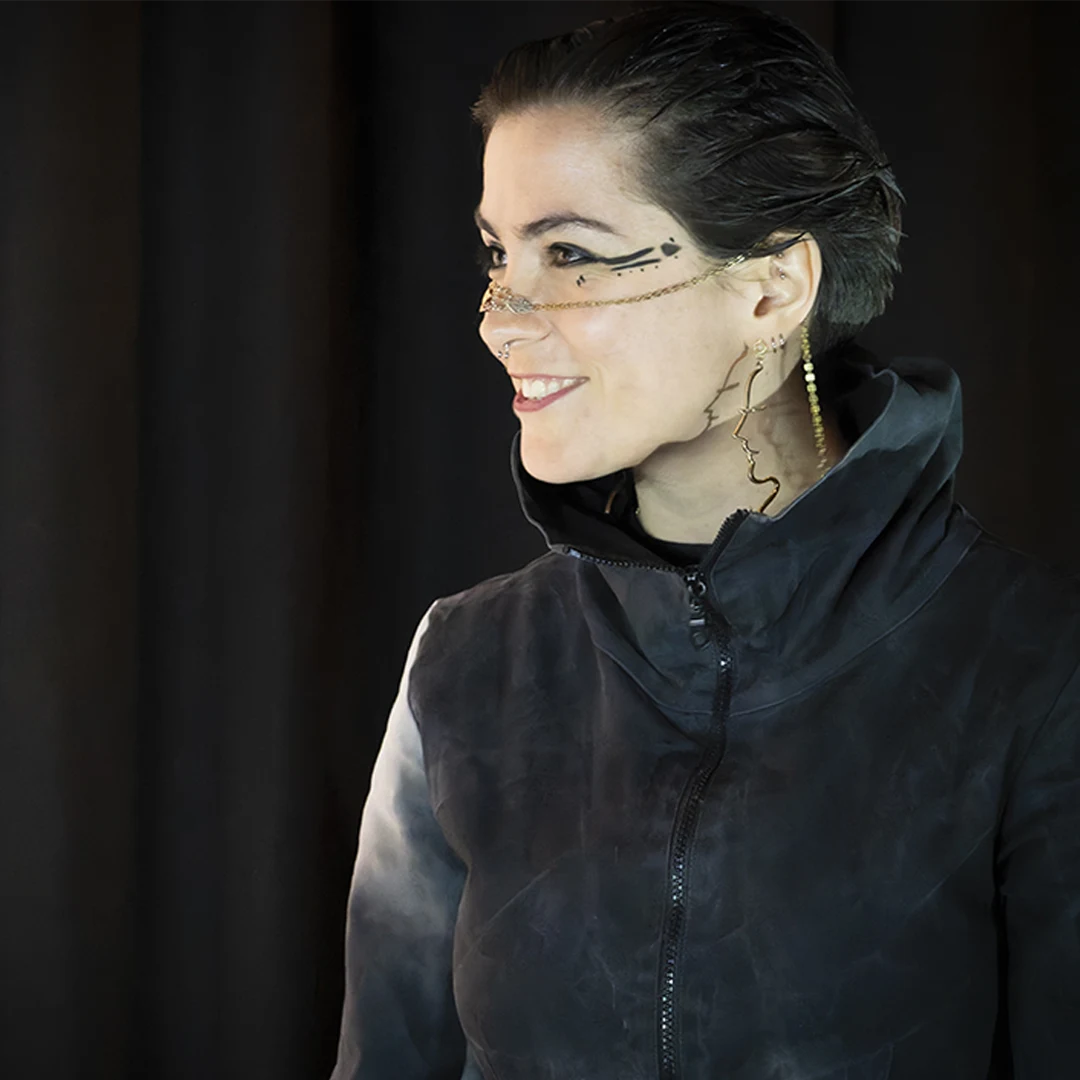
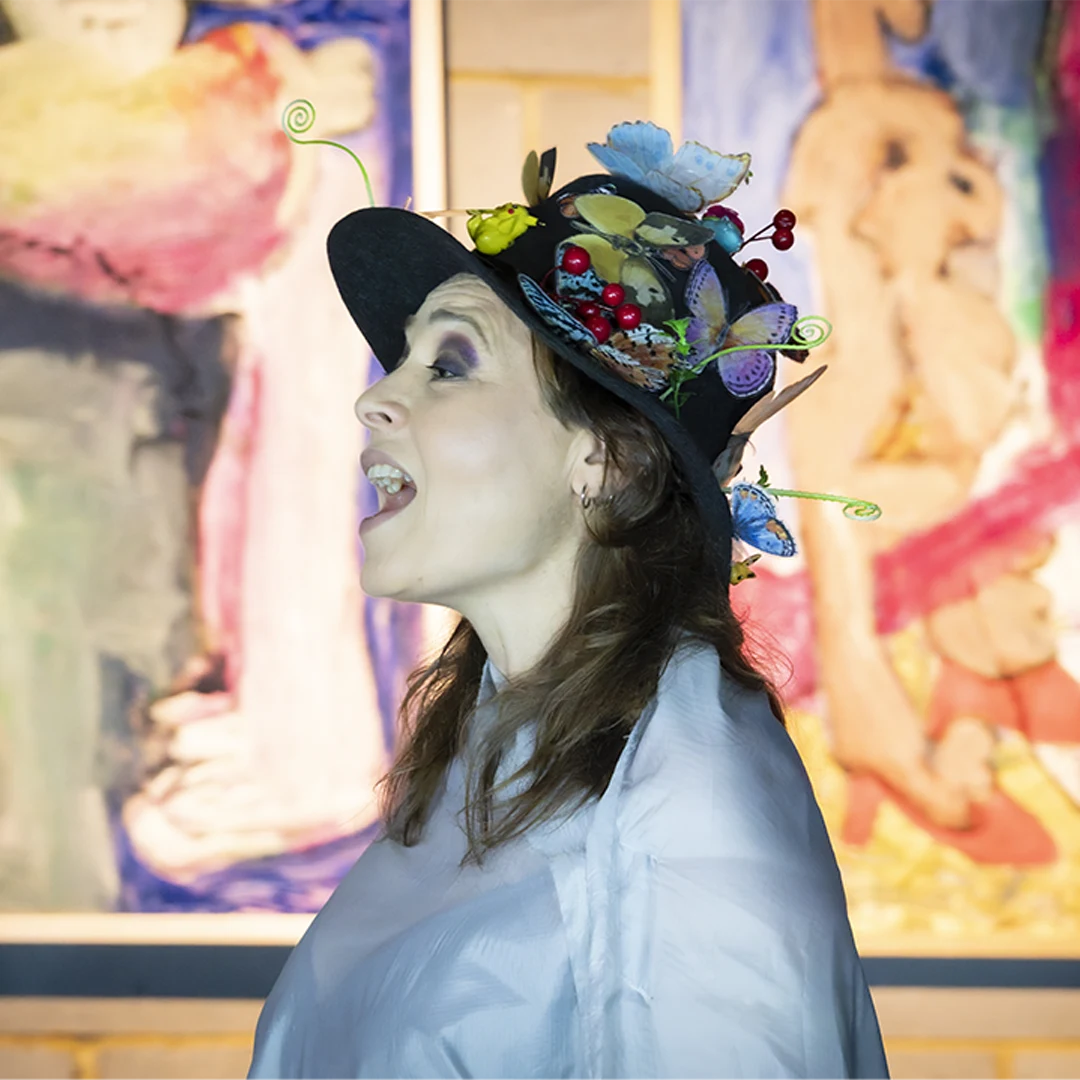
The production's visual language was further elevated by costume designer Yuliya Krylova, whose designs blended effortlessly into the emotional and symbolic universe of the performance. Her costumes added another layer of texture, vulnerability and quiet poetry, complementing the intimate choreography and immersive staging without ever competing for attention.
What made Hold The Light particularly compelling was its refusal to offer simple answers. Rather than guiding its audience towards a single interpretation, it invited them to remain within uncertainty, contradiction and emotional vulnerability. The result felt intimate, intellectually engaging and profoundly human—less like watching a performance than briefly inhabiting another person's inner world.
Perhaps the evening's most enduring question is also its simplest: do we ever truly see art for what it is, or only for what we need it to represent?