


Editor-In-Chief
MeeKar Lim
International Fashion Editor
Suna Moya
Editor-At-Large
Zhang XiaoXiao

Please contact:
media-works@qcegmag.com
or
WeChat:QCEGMAG_Contact
QCEG MAG is a publication covering a selection of news in fashion, beauty, accessories, celebrities, livings arts, sports, travels and relating videos around the world. Our magazine is currently available in English, French, Italian (in development) and Chinese Languages for our international readers & viewers.


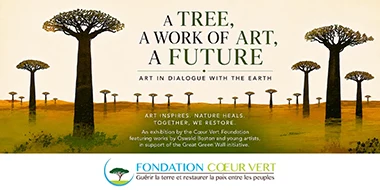
At Paris's Area Gallery, artists and the Cœur Vert Foundation come together to explore art, ecology and humanity's enduring relationship with the living world.


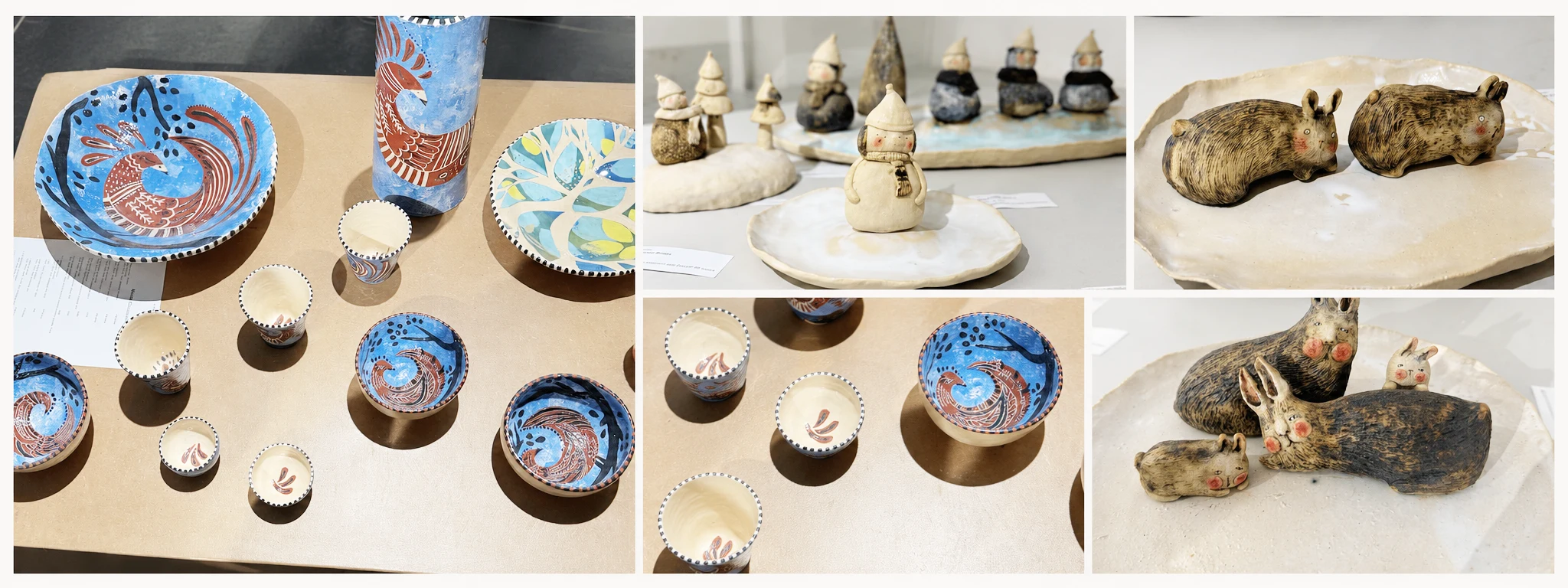
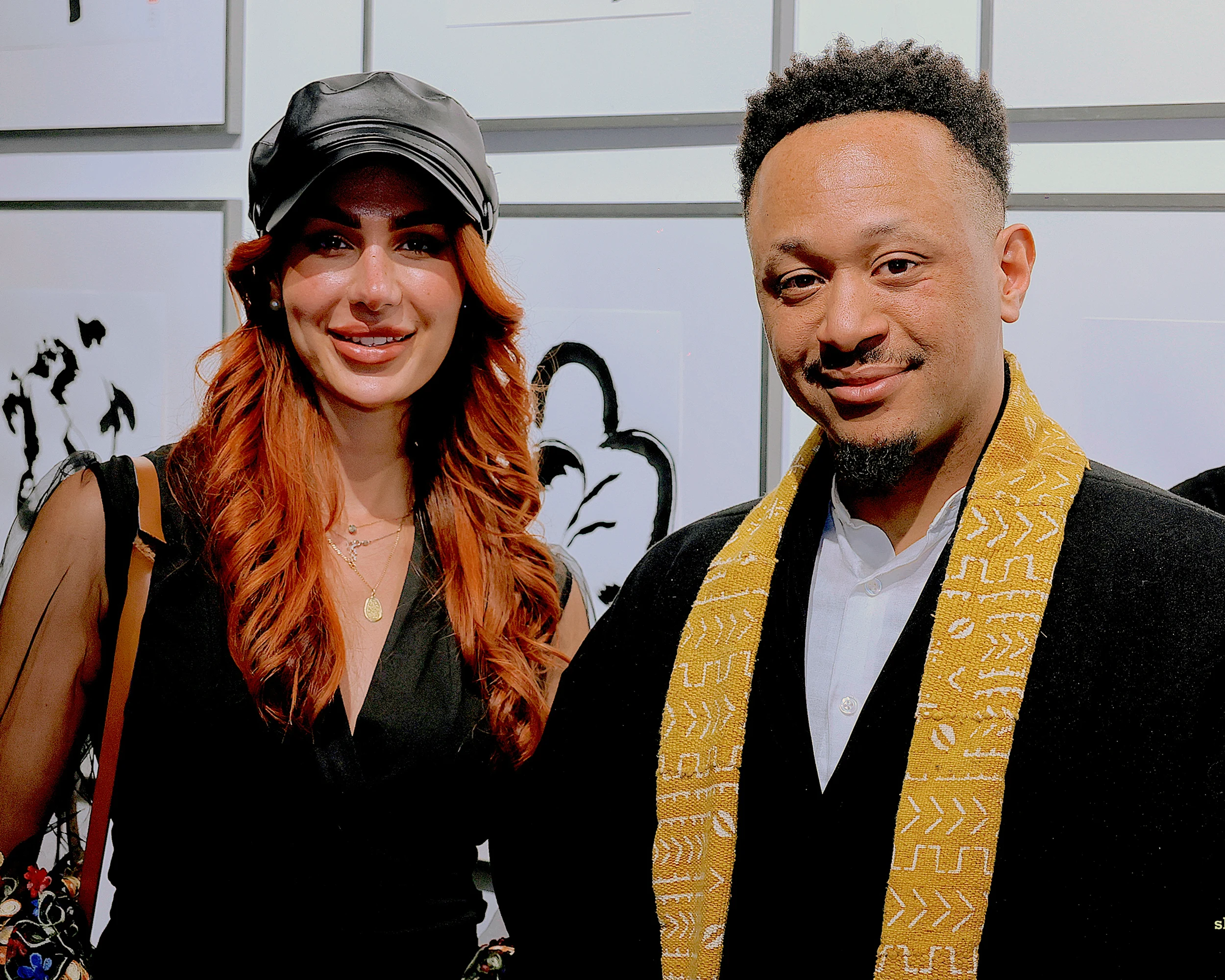
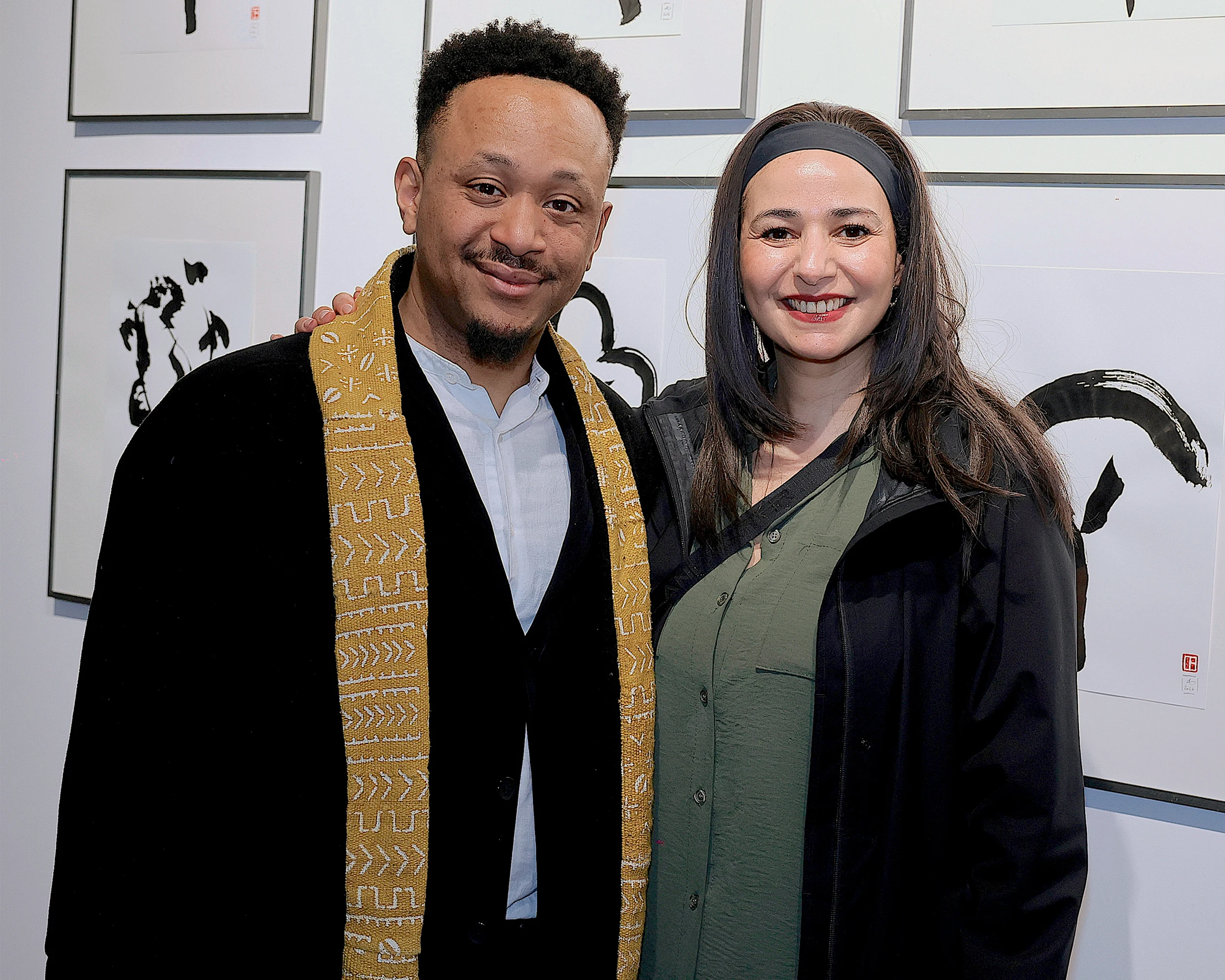
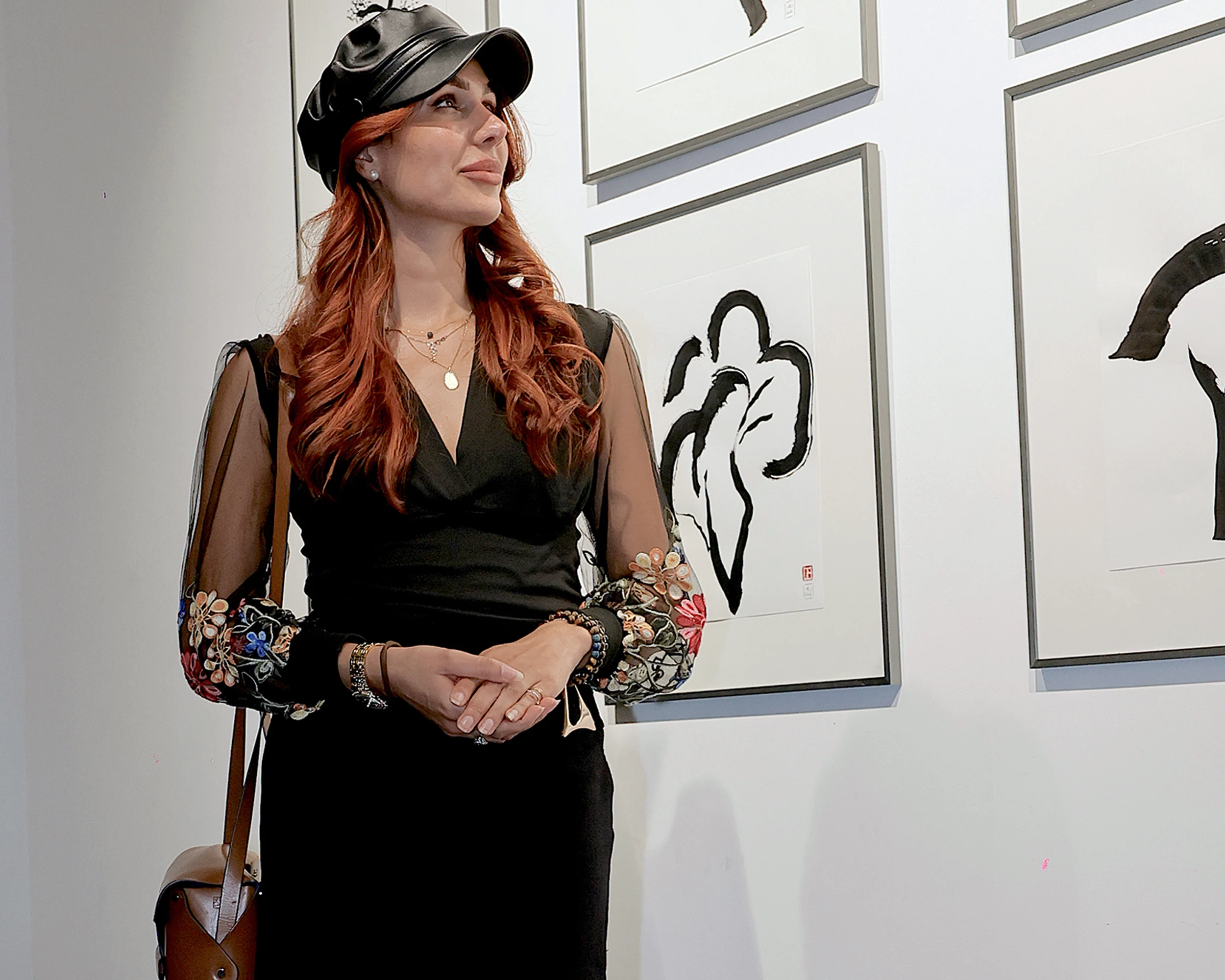
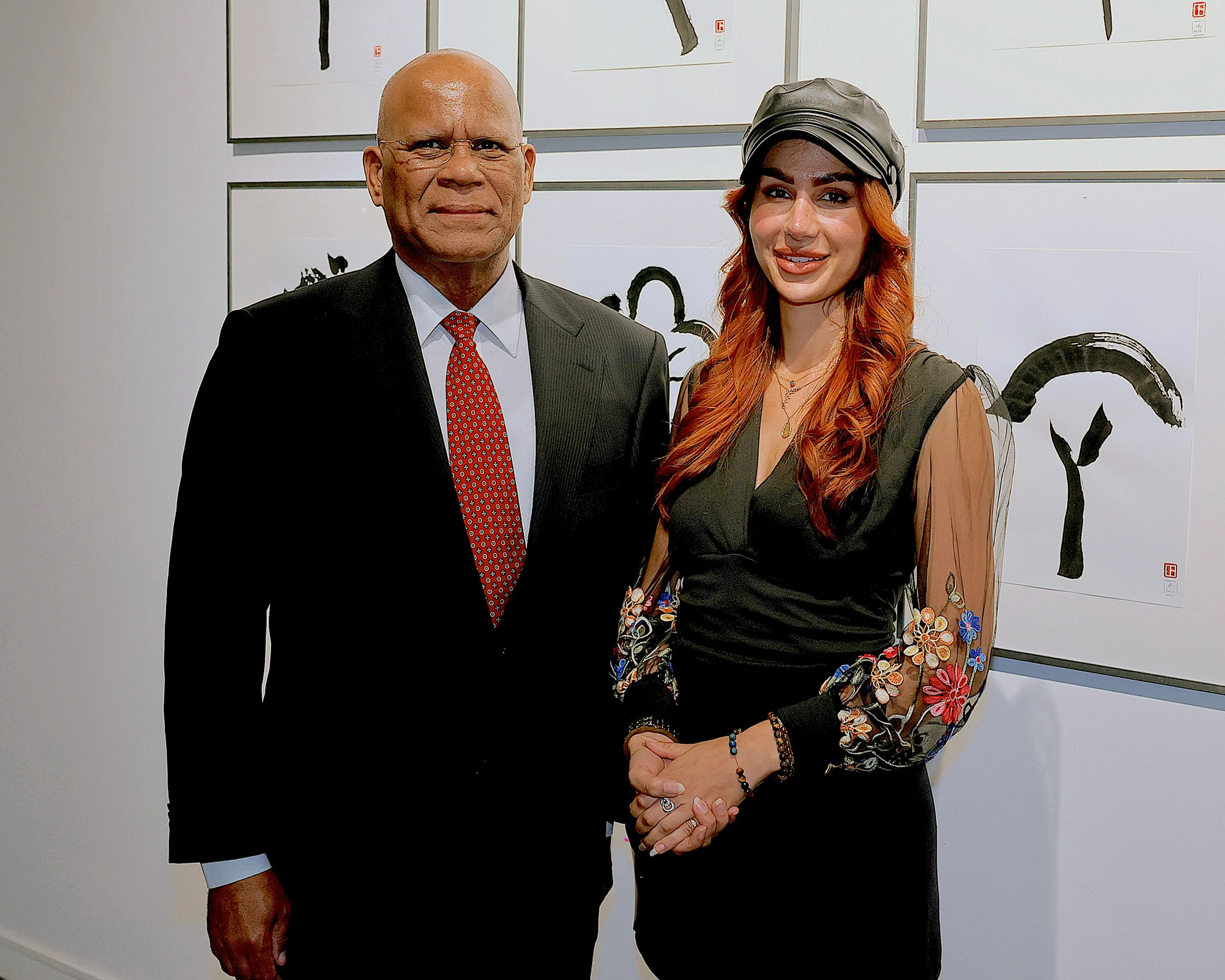
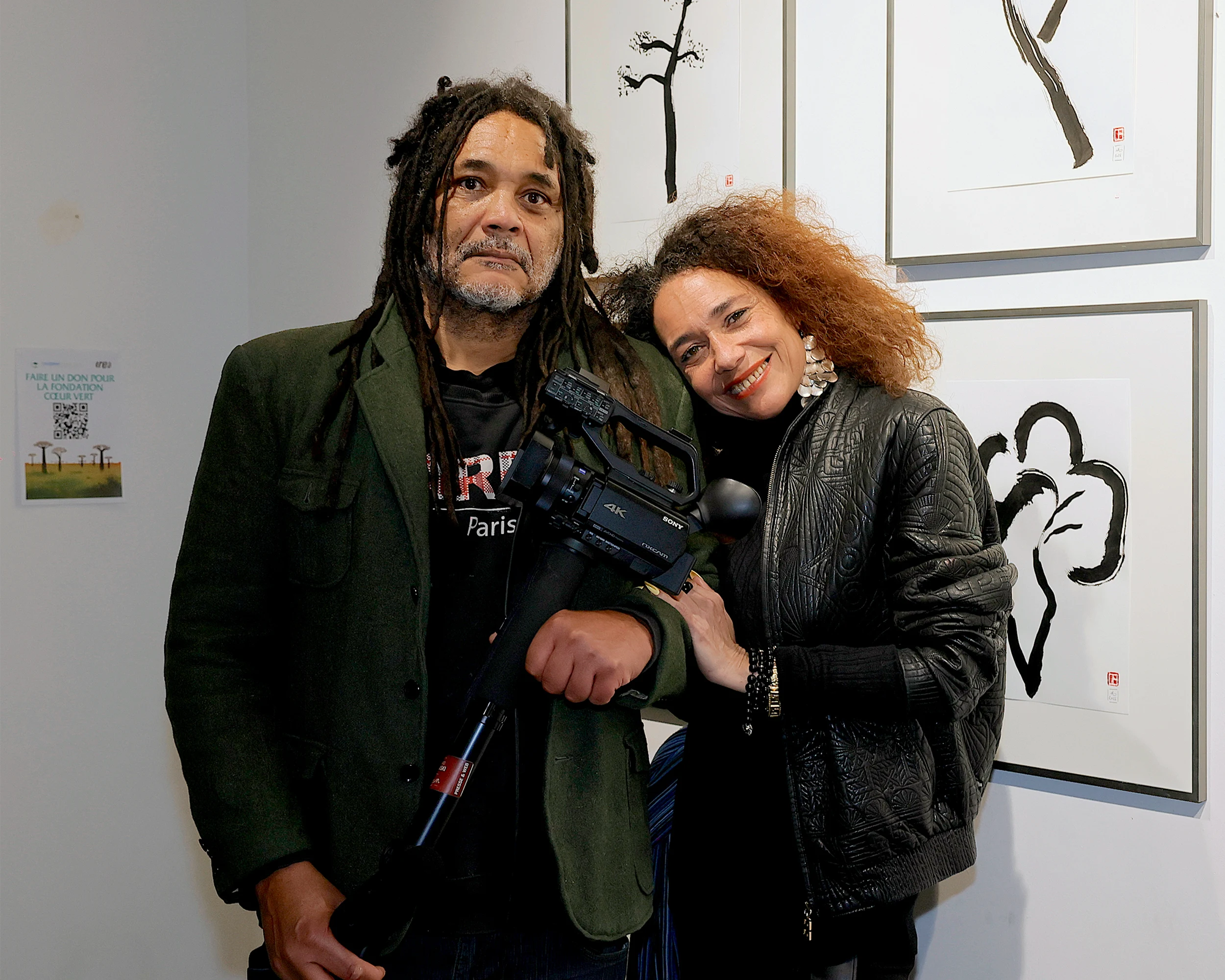
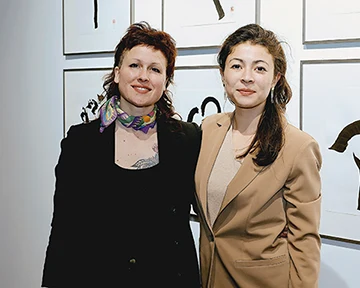
In Paris's 10th arrondissement, at the Area Gallery, the exhibition One Tree, One Artwork, One Future: Art in the Service of the Environment brought together emerging artists in collaboration with the Cœur Vert Foundation. Opened on 27 March, the exhibition welcomed artists, collectors and visitors around a shared sense of urgency: to rethink our relationship with the living world.
Against a backdrop of climate crisis and accelerating biodiversity loss, the exhibition offered far more than a display of artworks. It created a space for reflection and contemplation. Each piece invited viewers to slow down, to feel, and to reconsider nature not merely as a backdrop, but as memory, presence and responsibility. Through material and gesture, the artists explored the fragile bond between humanity and the Earth, where artistic creation becomes a form of awareness.
At the heart of the project, the Cœur Vert Foundation advocates a profound shift in perspective. The Earth is regarded as a shared home, and natural resources as a common heritage rather than commodities to be owned. Its mission is rooted in ecological restoration and reforestation, particularly in Africa, where volunteer programmes bring together between 200 and 250 young participants each year to plant trees and support local communities.
Among its major initiatives, aligned with the vision of the Great Green Wall, species such as acacia are planted not only to restore degraded soils, but also to create sustainable economic opportunities, notably through the production of gum arabic. Environmental action thus becomes inseparable from social resilience and human dignity.
Vice-President Ody Marc Duclos describes this work as both environmental and profoundly human. He speaks of the connection between "dried-out hearts" and arid landscapes, suggesting that ecological healing begins with an inner transformation rooted in awareness, gratitude and respect for nature.
In this vision, reforestation becomes more than an environmental act; it is a gesture of unity and restoration. By bringing together art and ecology, the exhibition ultimately proposes a shared horizon — a future founded on care, connection and renewal.
It was a pleasure to meet Lalaentine Barnabé, whose dedication and vision have been instrumental in bringing this important subject to wider attention. Through her commitment and unwavering advocacy, this meaningful dialogue between art and environmental stewardship has found a powerful platform. We extend our heartfelt thanks and warmest congratulations on this remarkable achievement.
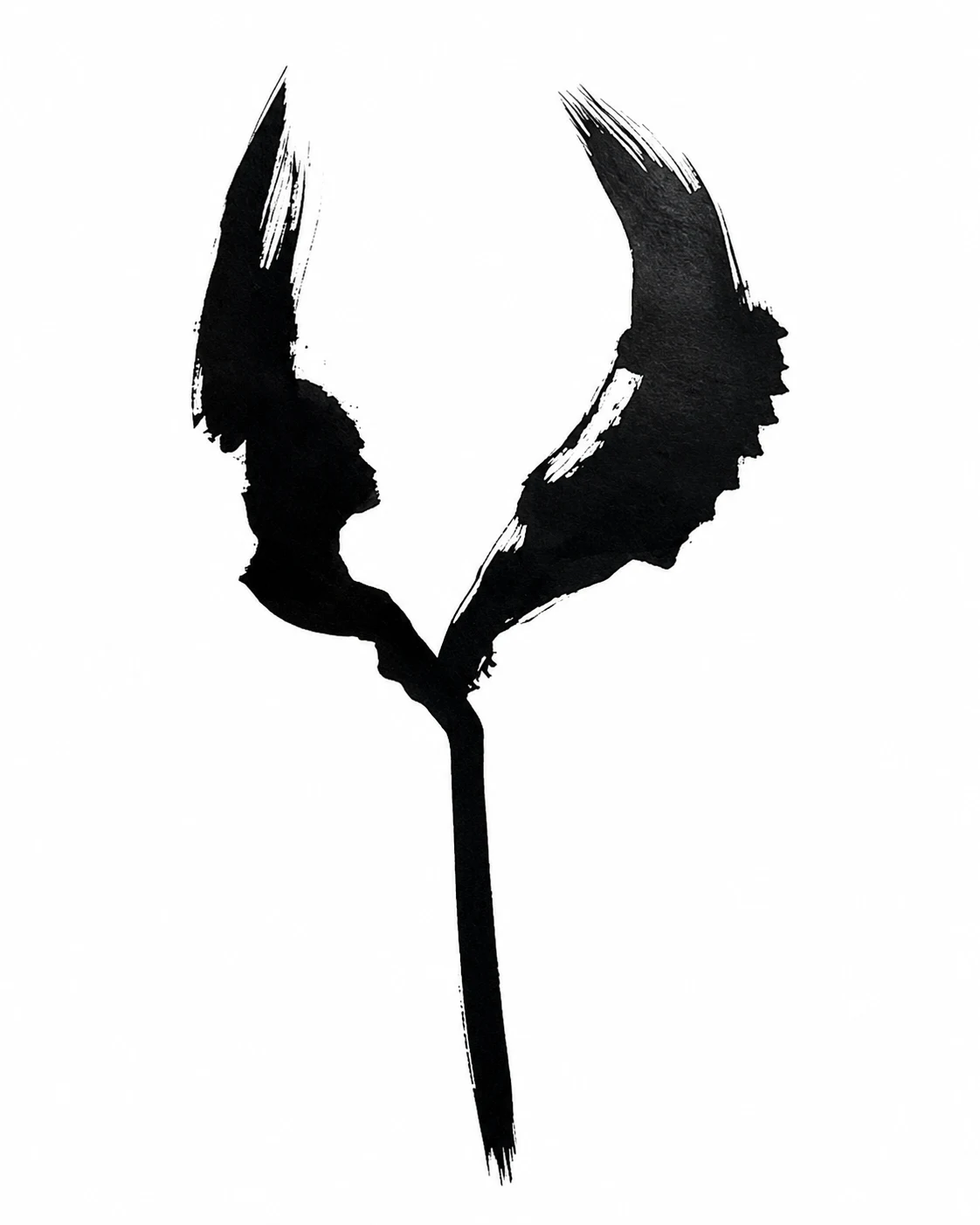
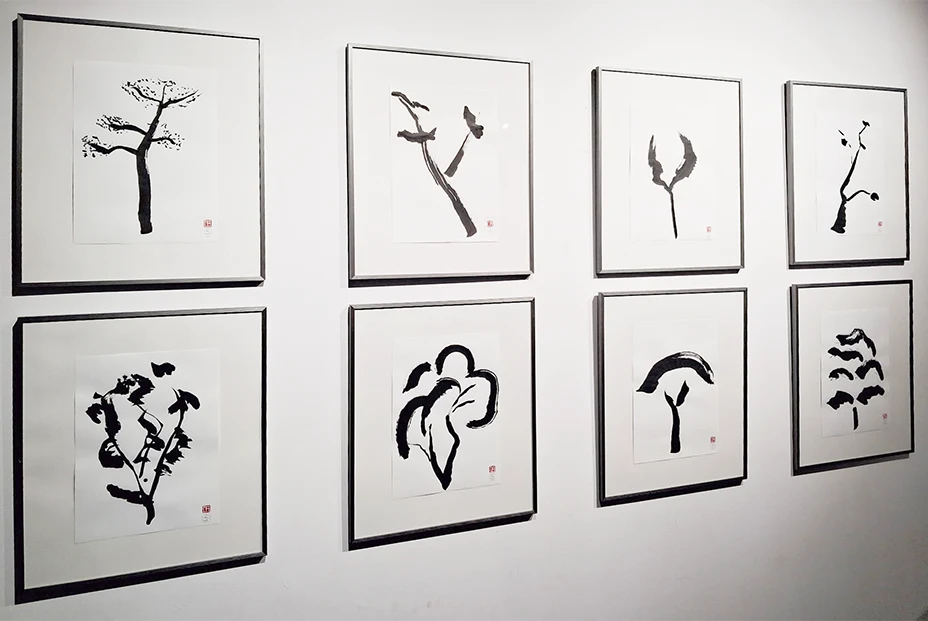
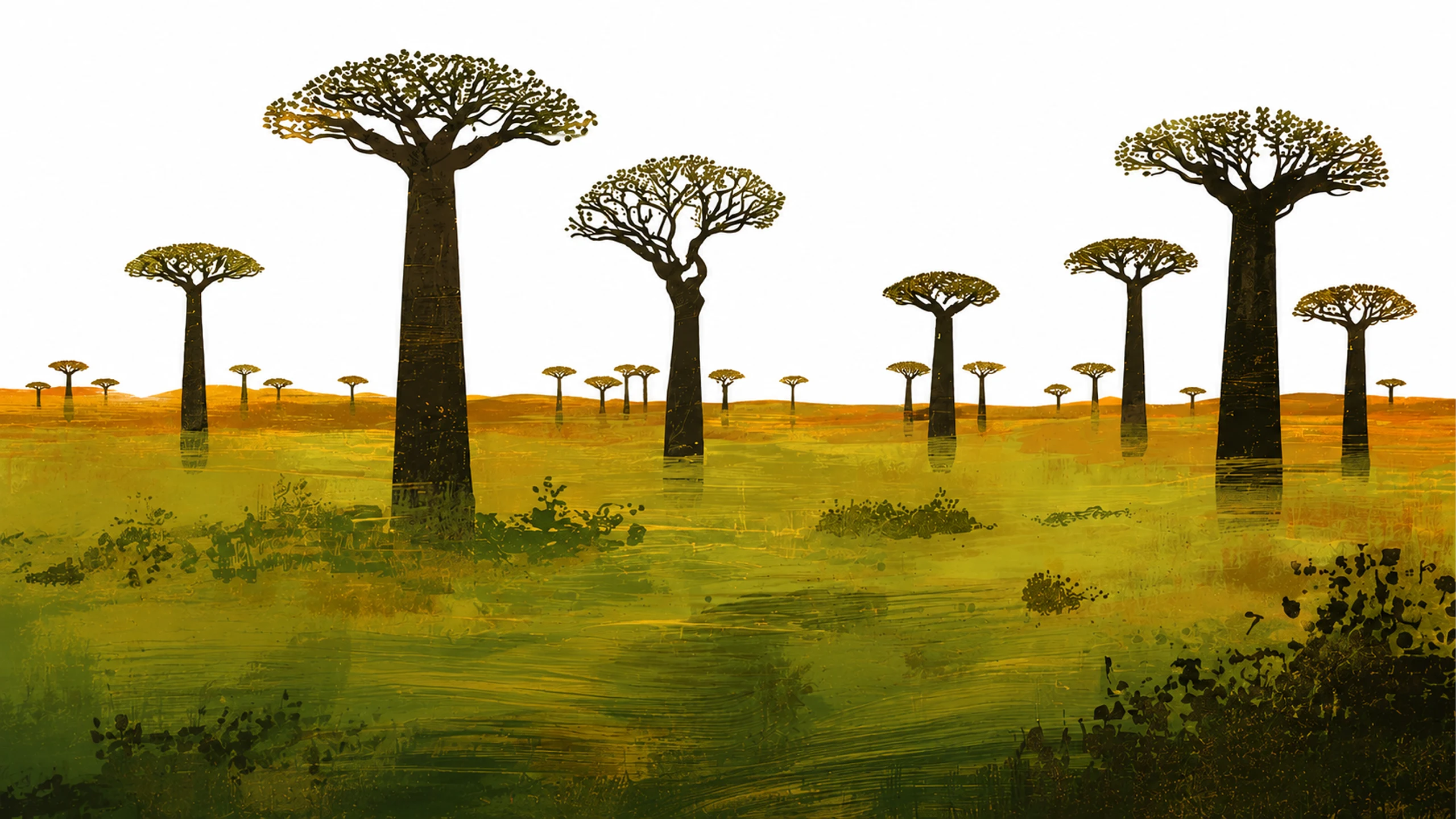
During the exhibition, I spoke with one of the featured artists, Oswald Boston, whose work explores the space between calligraphy, drawing and spiritual energy. Through his powerful representations of trees, particularly the majestic baobab, the artist reflects on nature, resilience and a reconnection with the very essence of life.
— SUNA MOYA
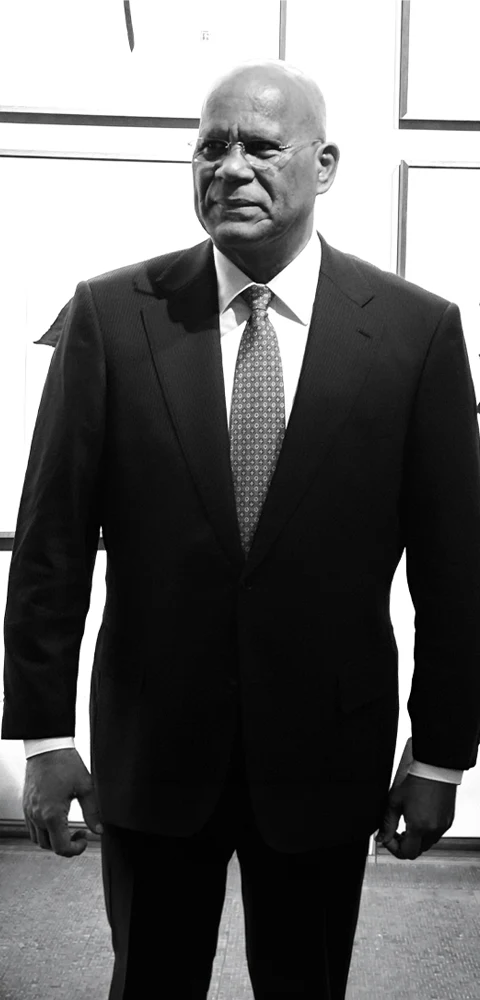
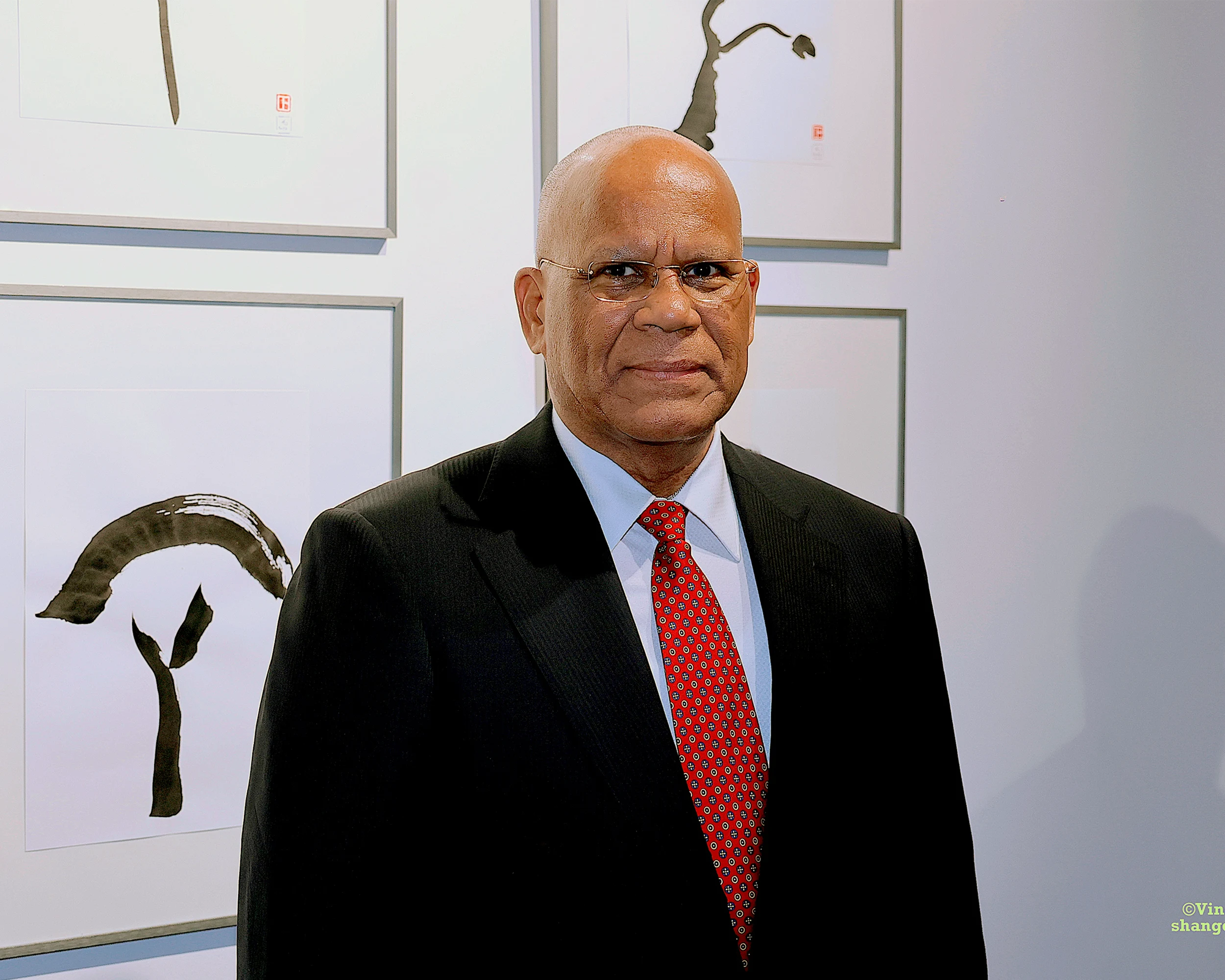
Mr Ody-Marc Duclos, Vice-President of the Green Heart Foundation, embodies a vision in which ecological restoration and inner transformation progress hand in hand. Under his guidance, the Foundation has developed the Great Green Wall Project, one of its most ambitious reforestation initiatives across Africa.
Established in 2017, the Green Heart Foundation brings together between 200 and 250 young people from around the world each year, uniting them in Africa to participate directly in planting the Great Green Wall. Yet this initiative extends far beyond tree planting. Once the seedlings are in the ground, volunteers continue to support local communities in caring for the land and developing sustainable economic models around it.
Among the species cultivated are Acacia trees, valued for their production of gum arabic, creating both ecological regeneration and economic resilience for local populations. In this way, environmental stewardship becomes inseparable from social empowerment.
Working alongside translator Raphaëlle Jalloh, Ody-Marc Duclos often speaks of a profound relationship between humanity and nature. He reflects on the idea that our "parched hearts mirror the parched landscapes of the Earth", suggesting that ecological renewal begins within the human spirit itself.
When inner life becomes more open, generous and abundant, he believes, the natural world responds in kind. This philosophy lies at the heart of the Foundation's mission.
The Foundation places particular emphasis on education and inner awareness among its young volunteers. Participants are encouraged to cultivate gratitude towards nature, to live in harmony with both the environment and one another, and to recognise the profound responsibility carried by every action and thought.
For Ody-Marc Duclos, the ecological crisis is also a human one. He advocates for a renewed relationship with the natural world — one that moves beyond objectification and commercialisation towards a more conscious, respectful and compassionate engagement with life.
True transformation, he suggests, begins not only through policies or practices, but through an inner shift in consciousness. From this perspective, environmental action becomes an act of service, rooted in gratitude for Mother Nature and expressed through collective care for the Earth.
In this vision, planting trees is also an act of restoring balance — both within the landscape and within the human heart.
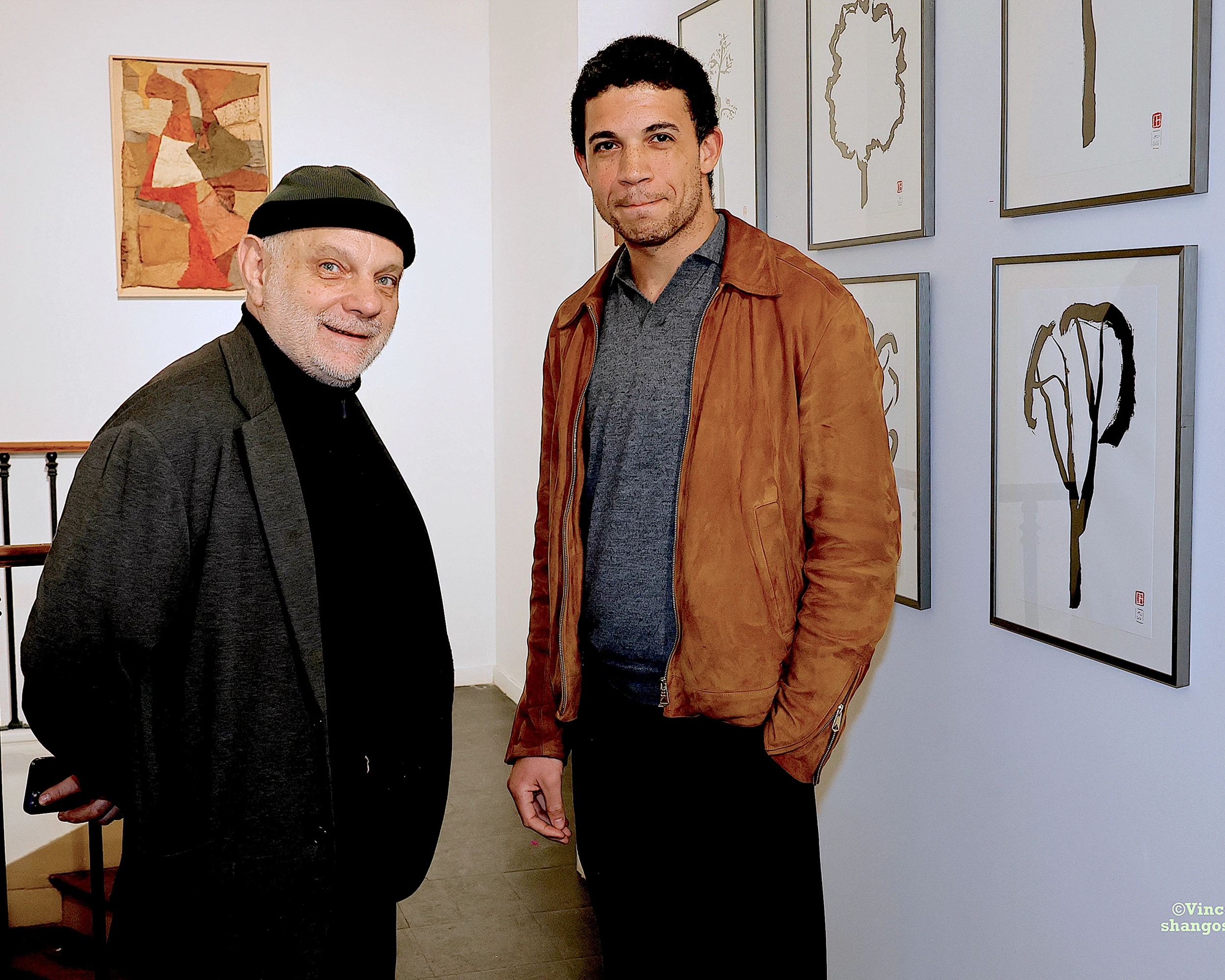
A TREE, A WORK OF ART, A FUTURE
"An intimate conversation with artist Oswald Boston on nature, spirituality, resilience and the invisible energy that animates the living world."
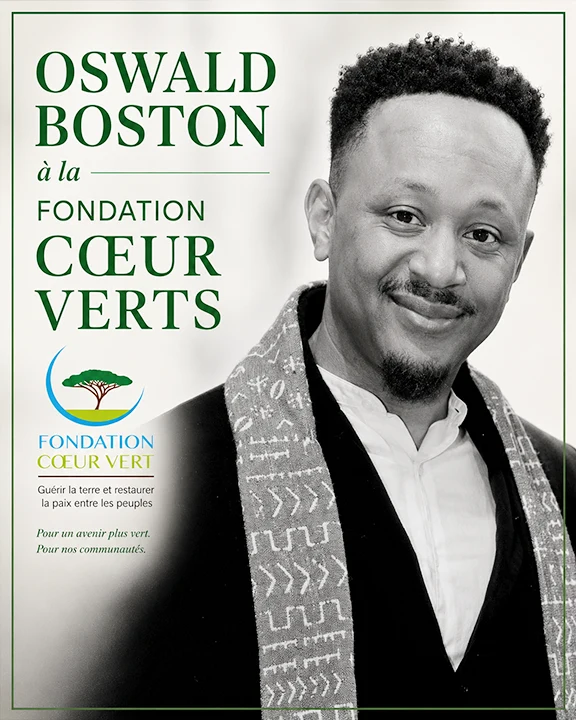
Oswald Boston : You are looking at emotion before form. I do not attempt to reproduce nature exactly — a camera can do that far better than I can. What interests me is capturing what cannot be photographed: the energy, the breath, the soul that resides within things.
Oswald Boston : It comes from instinct. Initially, I worked in figurative drawing and comics. Then, while studying at the Beaux-Arts, I discovered calligraphic tools, and something changed within me. Suddenly, I could no longer erase. Every gesture became final. That forced me to stop pursuing perfection and instead seek truth. Today, my work exists somewhere between drawing and abstraction, rather like ancient Chinese characters, which began as images before evolving into symbols.
Oswald Boston : Absolutely. My connection with Japan has profoundly influenced me, particularly places such as Takayama. There is a silence there, a different way of experiencing the world. I draw inspiration from Zen philosophy, the cosmos and invisible energies. Nature teaches us something essential: strength can exist without noise.
Oswald Boston : Because they feel eternal. Years ago, I visited African plantations through the Cœur Vert Foundation. When I encountered the baobabs, I was overwhelmed. These trees survive where almost nothing else can. They stand with extraordinary dignity, carrying time within them. In the desert, when everything else disappears, the baobab remains. That image has never left me.
Oswald Boston : Reconnection. Today, people are disconnected from themselves, from nature and from silence. Everything moves too quickly. My work is an invitation to slow down and feel once again. Nature is not merely a landscape; it is memory, energy and life itself. We belong to it, even if we sometimes forget.
Oswald Boston : Exactly. Perfection can feel cold. Life is not perfect. Nature is not perfect. Yet that is where beauty resides. I want my lines to breathe. I want viewers to sense the movement of the hand, the hesitation, the force, even the accident. That is what makes a work truly human.
Oswald Boston : The baobab piece. For me, it represents inner strength. I worked on the energy rising from the roots towards the sky, like a living force ascending. It is not about painting a tree; it is about painting resilience.
Oswald Boston : Art can reconnect people with what truly matters. Sometimes a painting can say more than a speech. It can create silence within someone — reflection, emotion. That is powerful. We do not protect what we no longer feel connected to. Art can rebuild that connection.
Oswald Boston : Larger spaces, immersive spaces, museums. I want people to enter the work physically, to feel surrounded by energy, almost as though they are stepping into a living landscape.
Oswald Boston : A feeling. Not an explanation. Not a theory. Simply a feeling that remains within them — something simple, powerful and alive.