

Editor-In-Chief
MeeKar Lim
International Fashion Editor
Suna Moya
Editor-At-Large
Zhang XiaoXiao

Please contact:
media-works@qcegmag.com
or
WeChat:QCEGMAG_Contact
QCEG MAG is a publication covering a selection of news in fashion, beauty, accessories, celebrities, livings arts, sports, travels and relating videos around the world. Our magazine is currently available in English, French, Italian (in development) and Chinese Languages for our international readers & viewers.


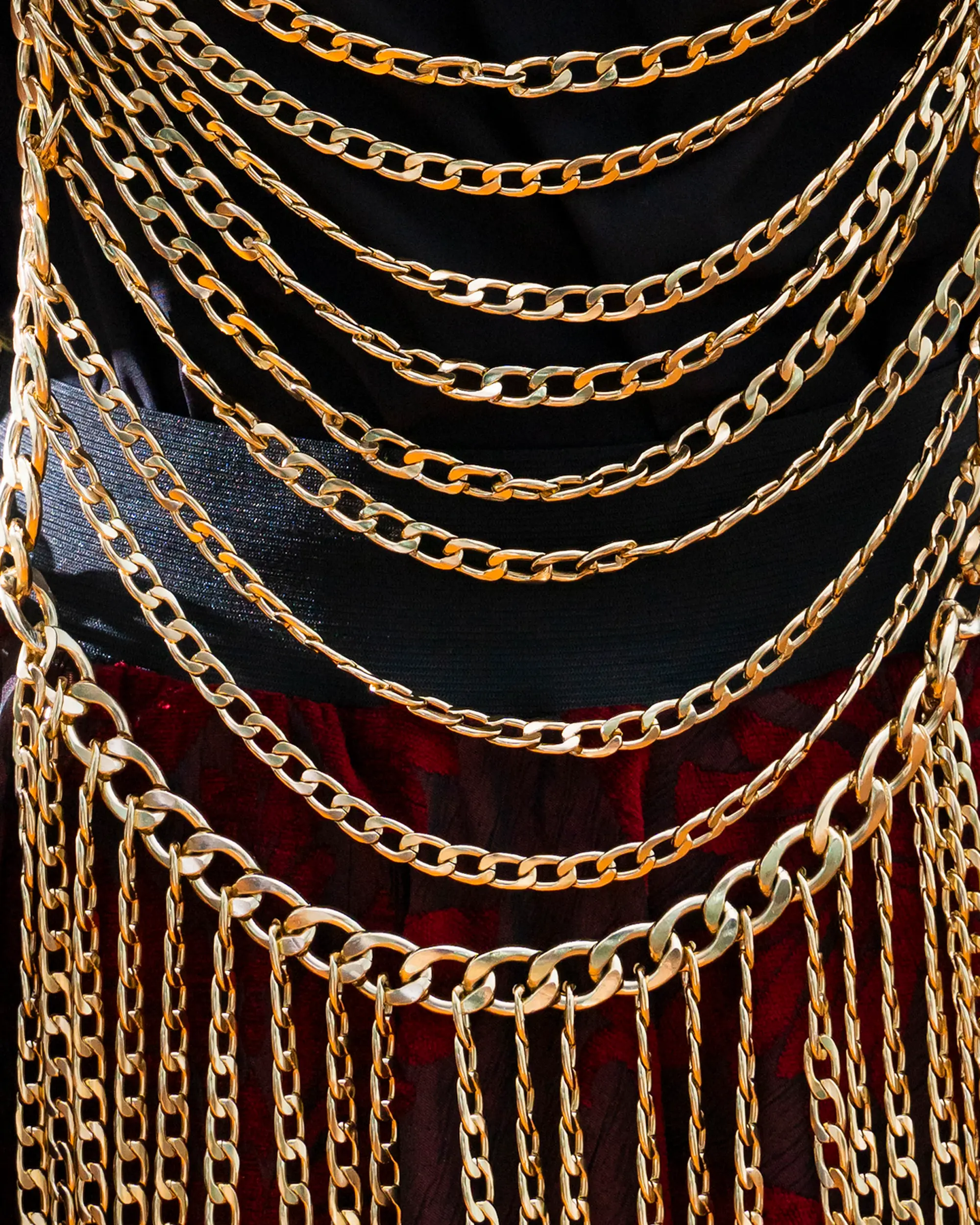
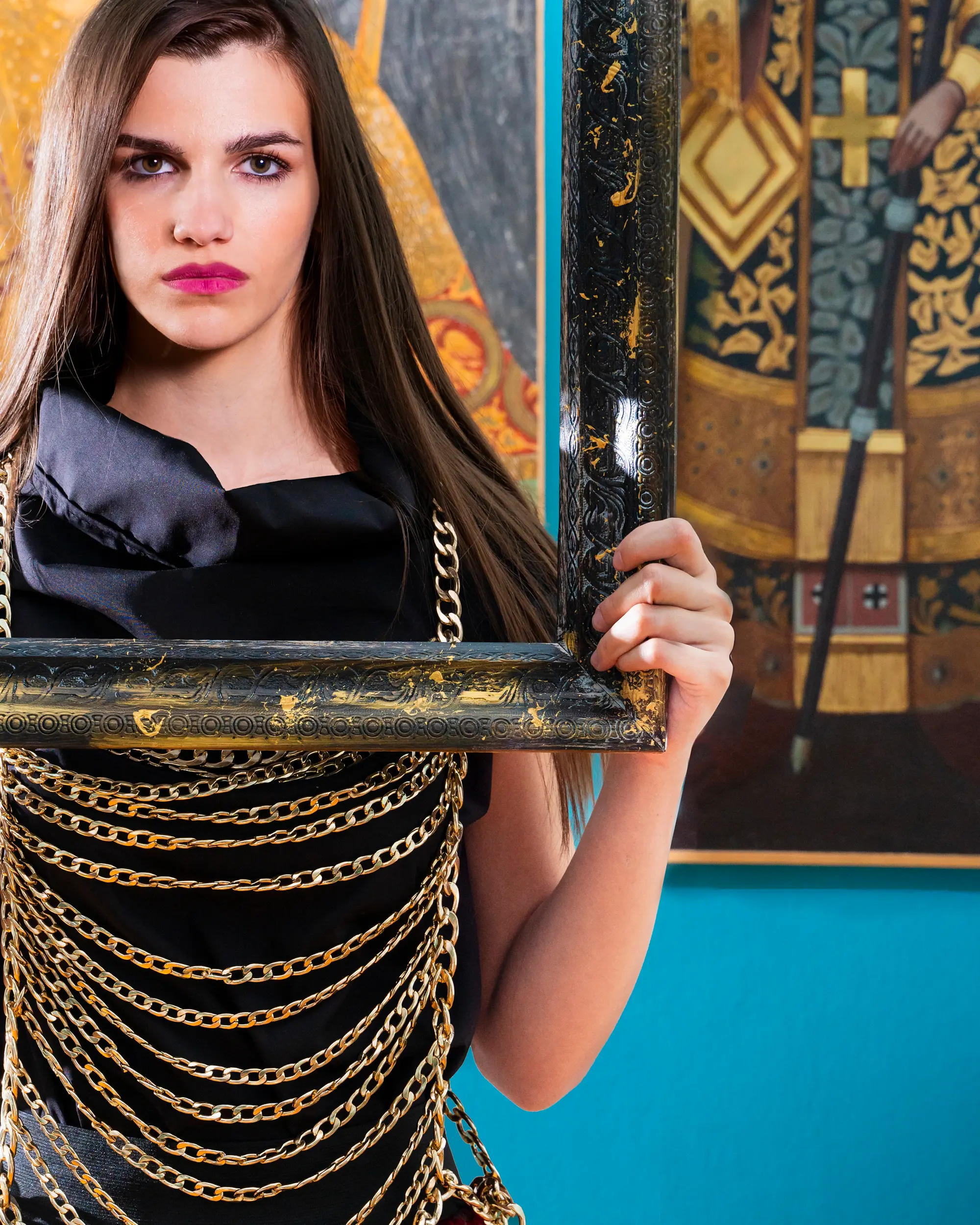
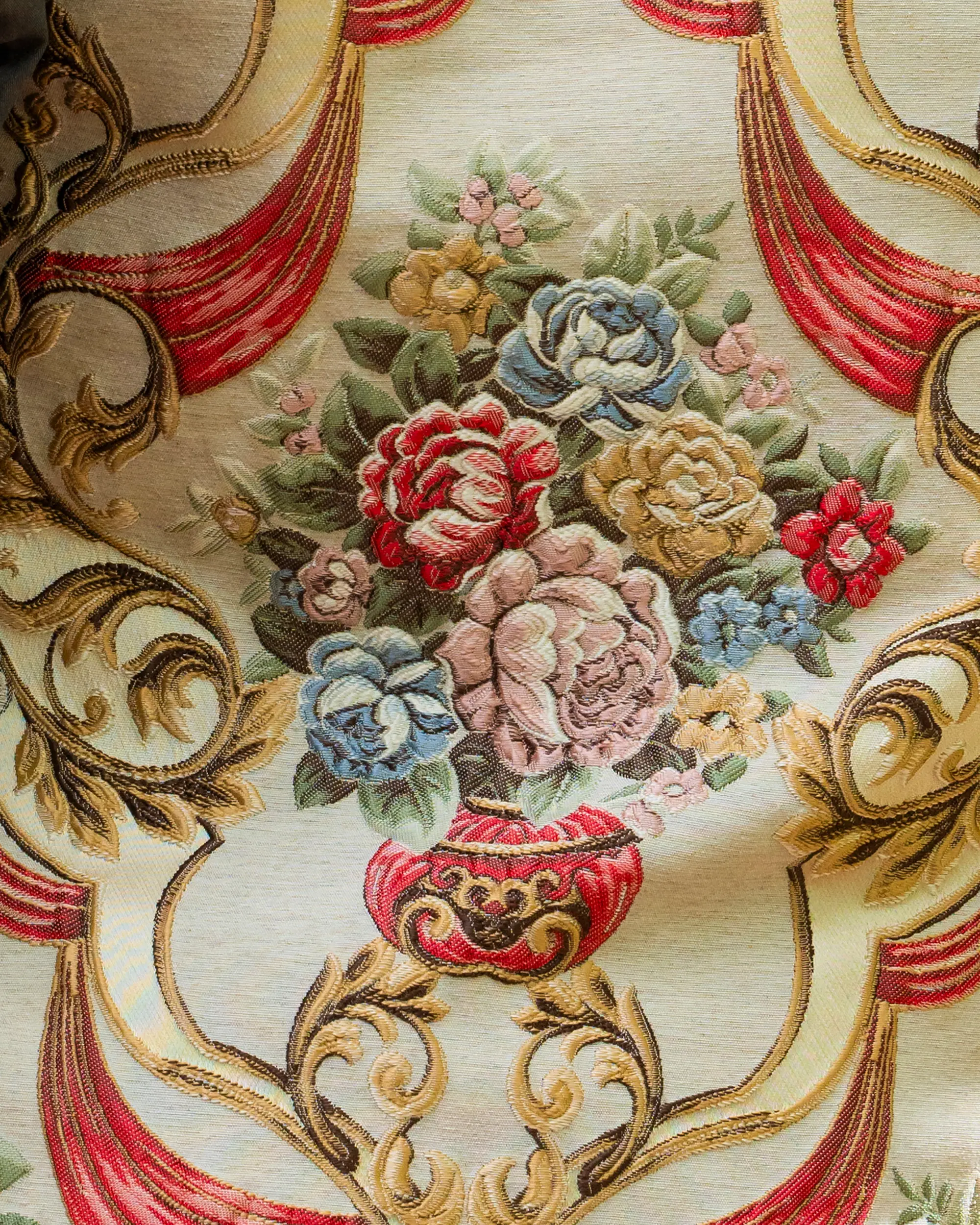
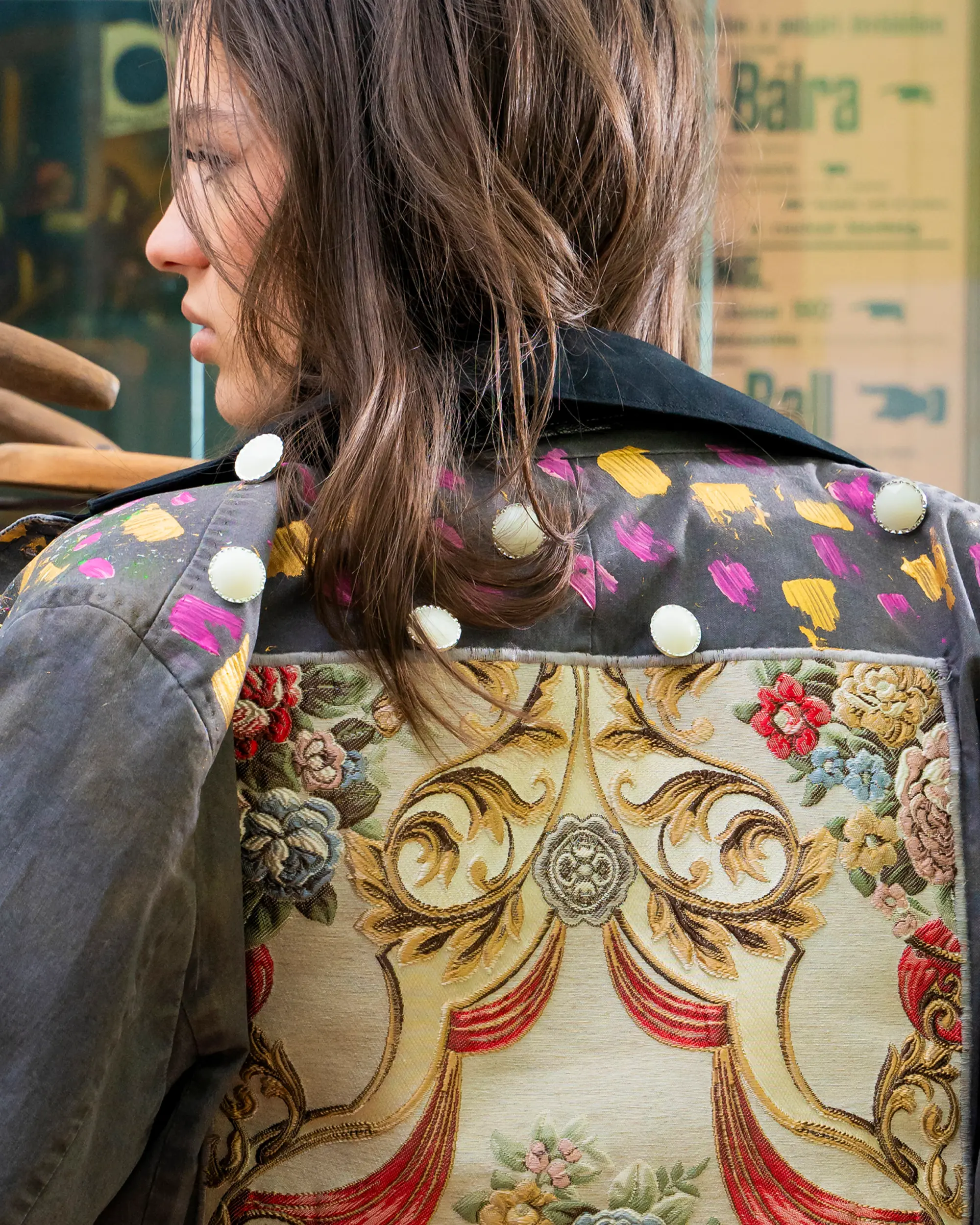

By Suna Moya — QCEG MAG FASHION DESK
Paris, January 2026
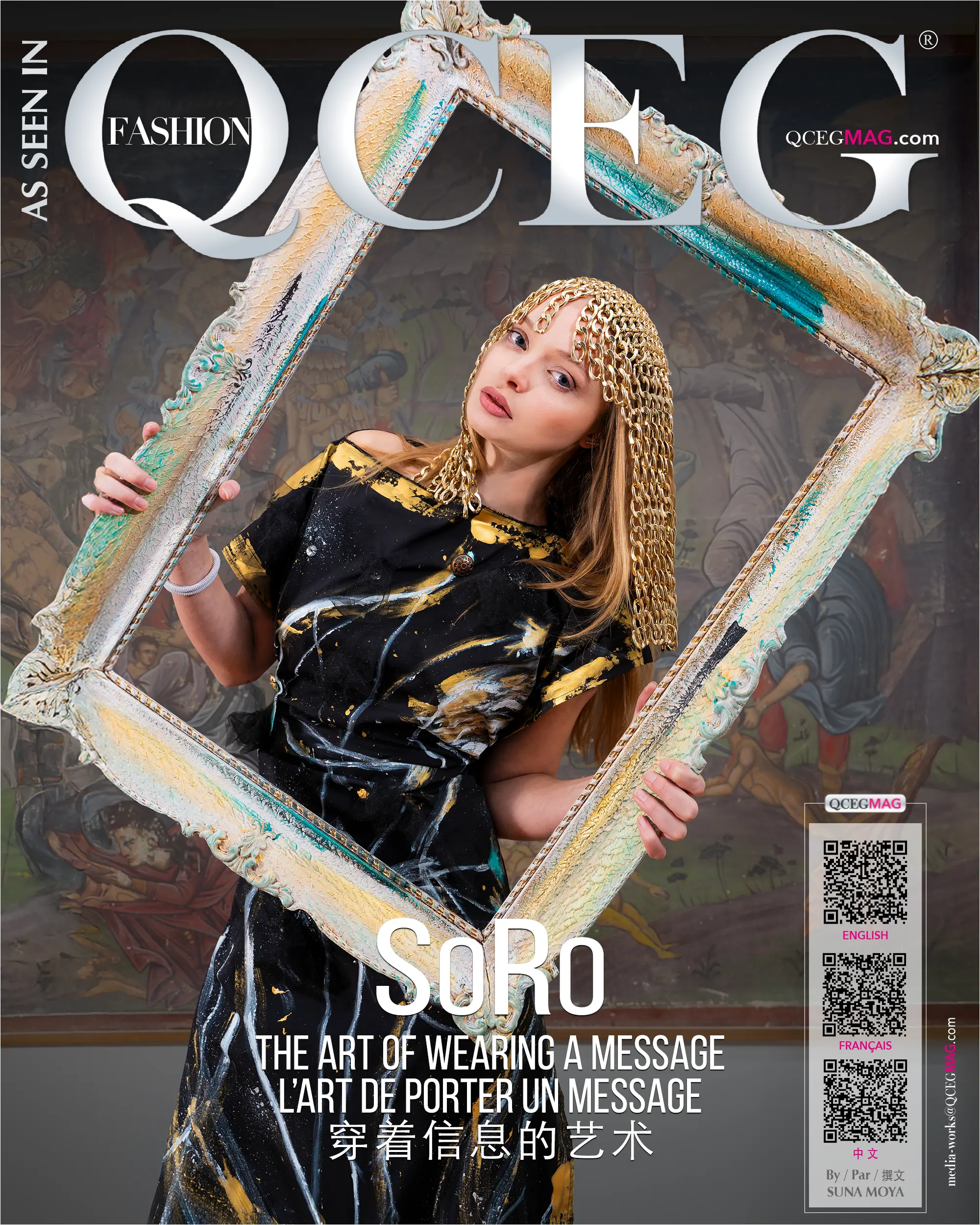

At the 25th anniversary of Serbia Fashion Week, I met two designers who stop you in your tracks. Their collections are original, fearless, and unmistakably their own: creations that demand attention. I had to know more.
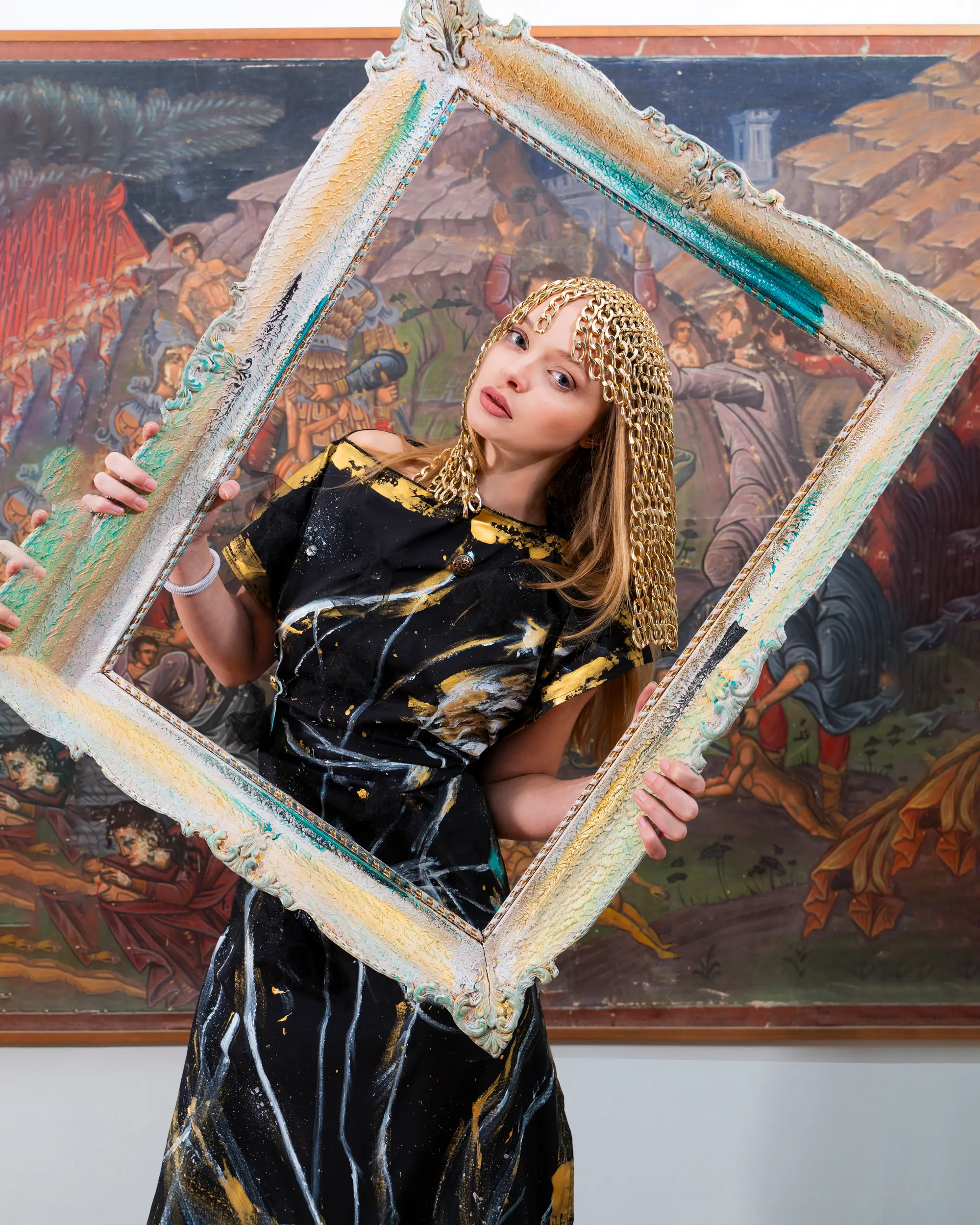
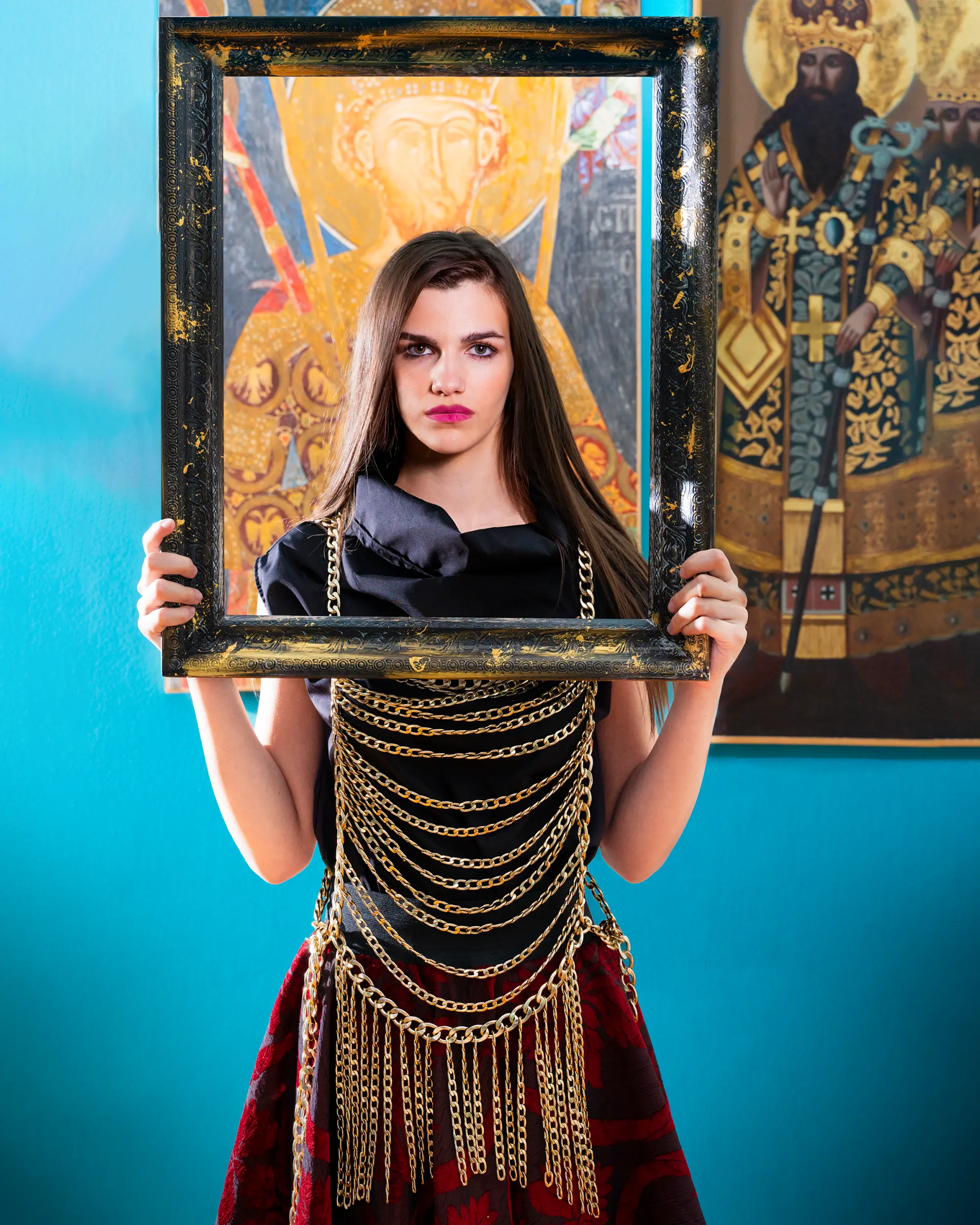
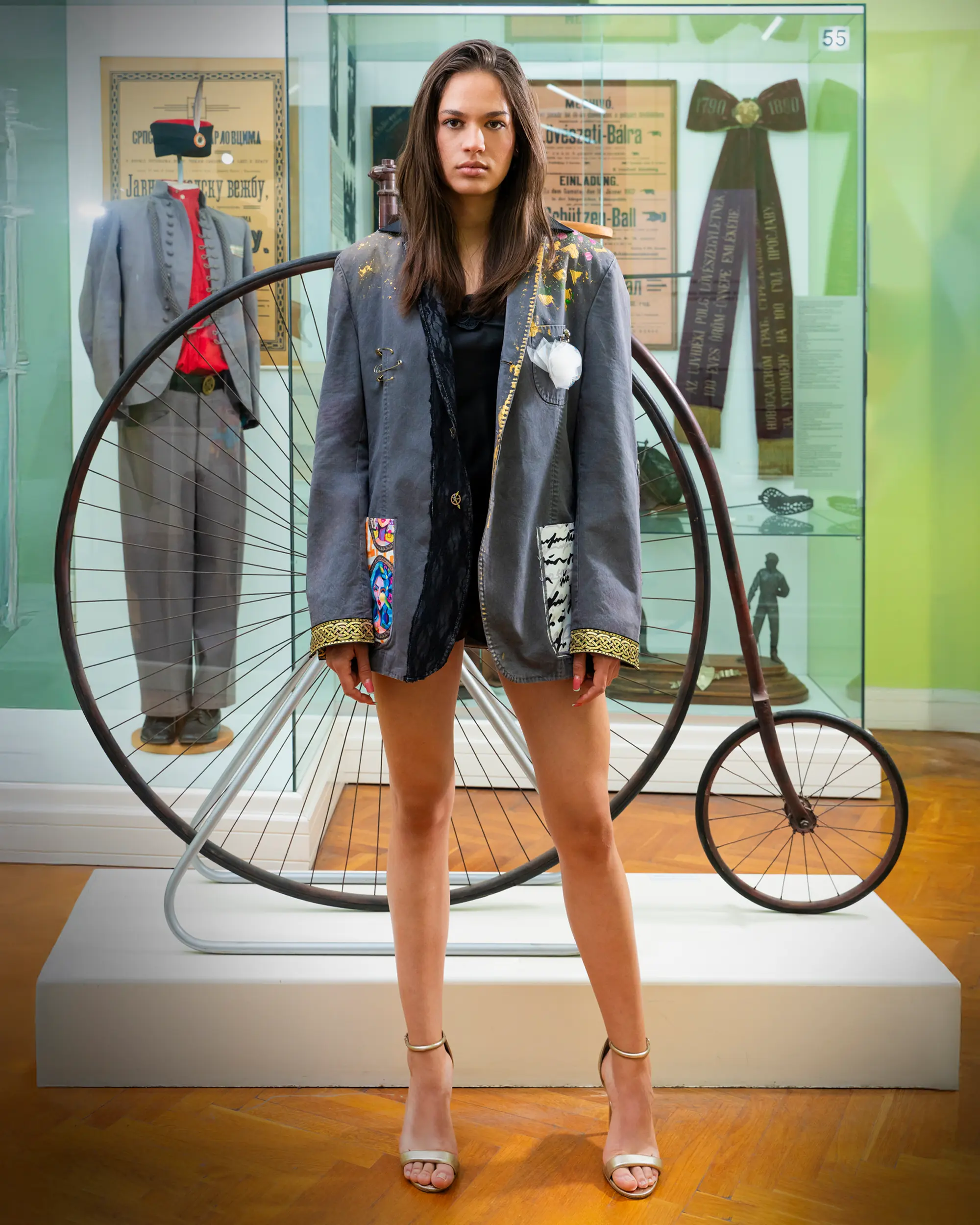
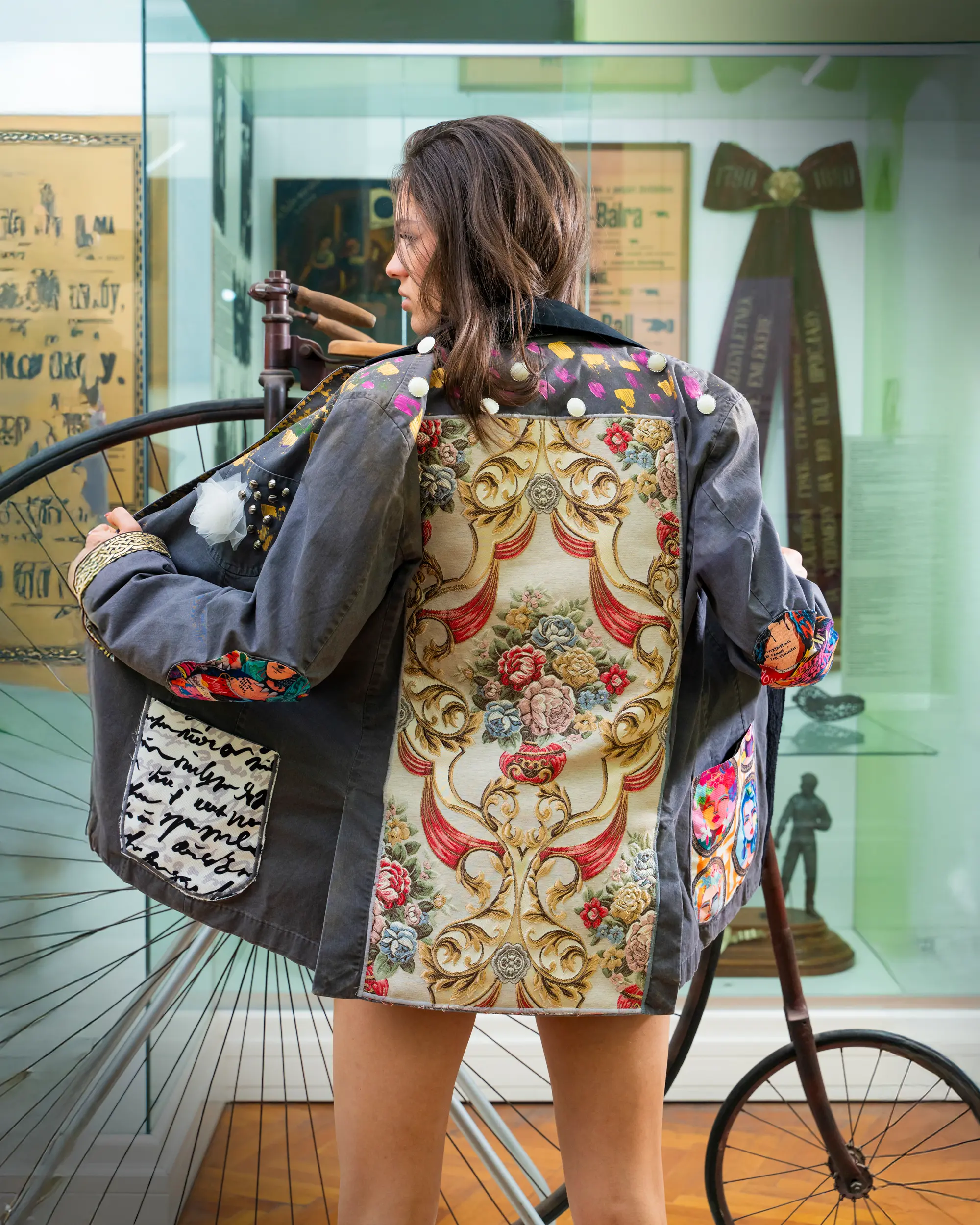
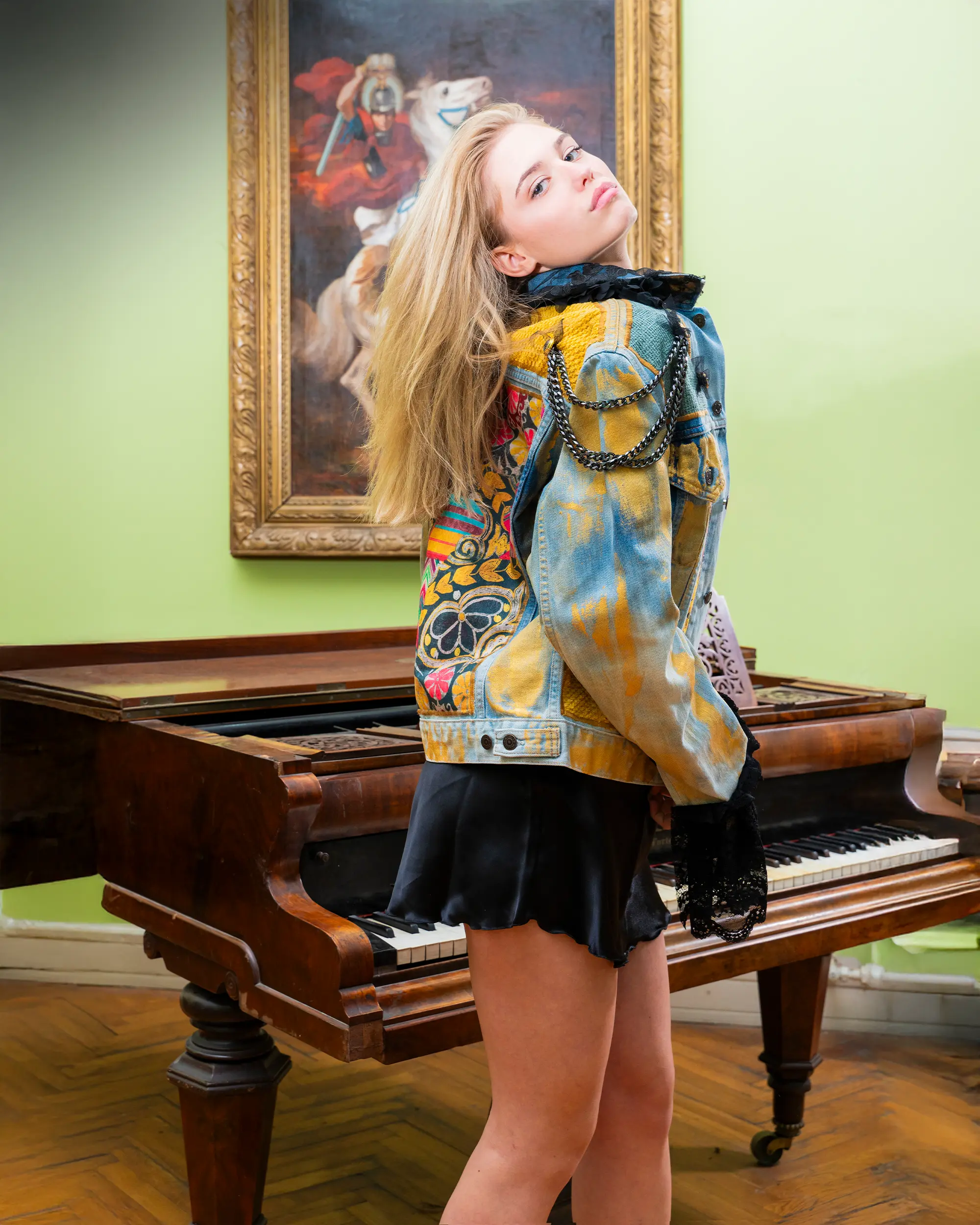
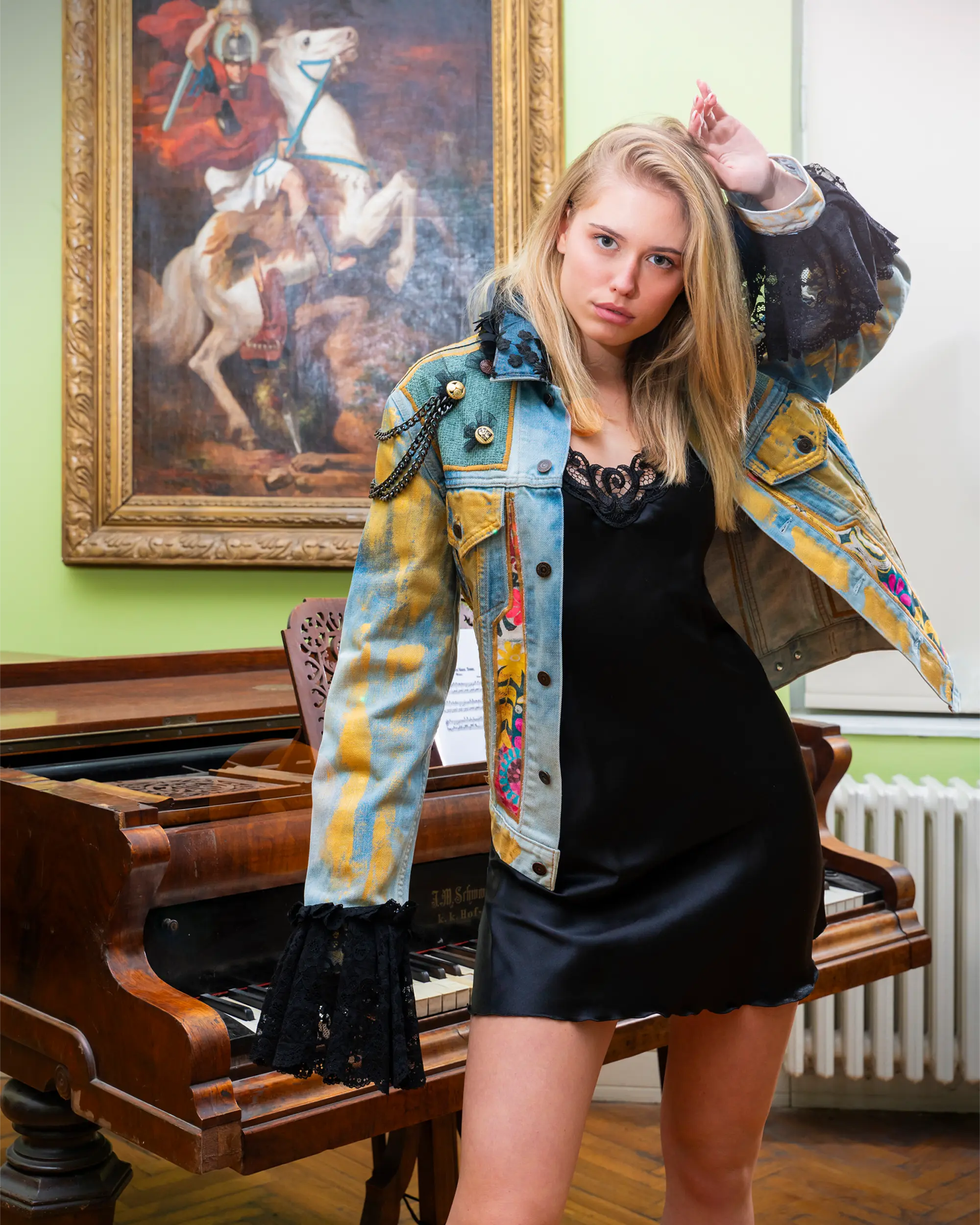
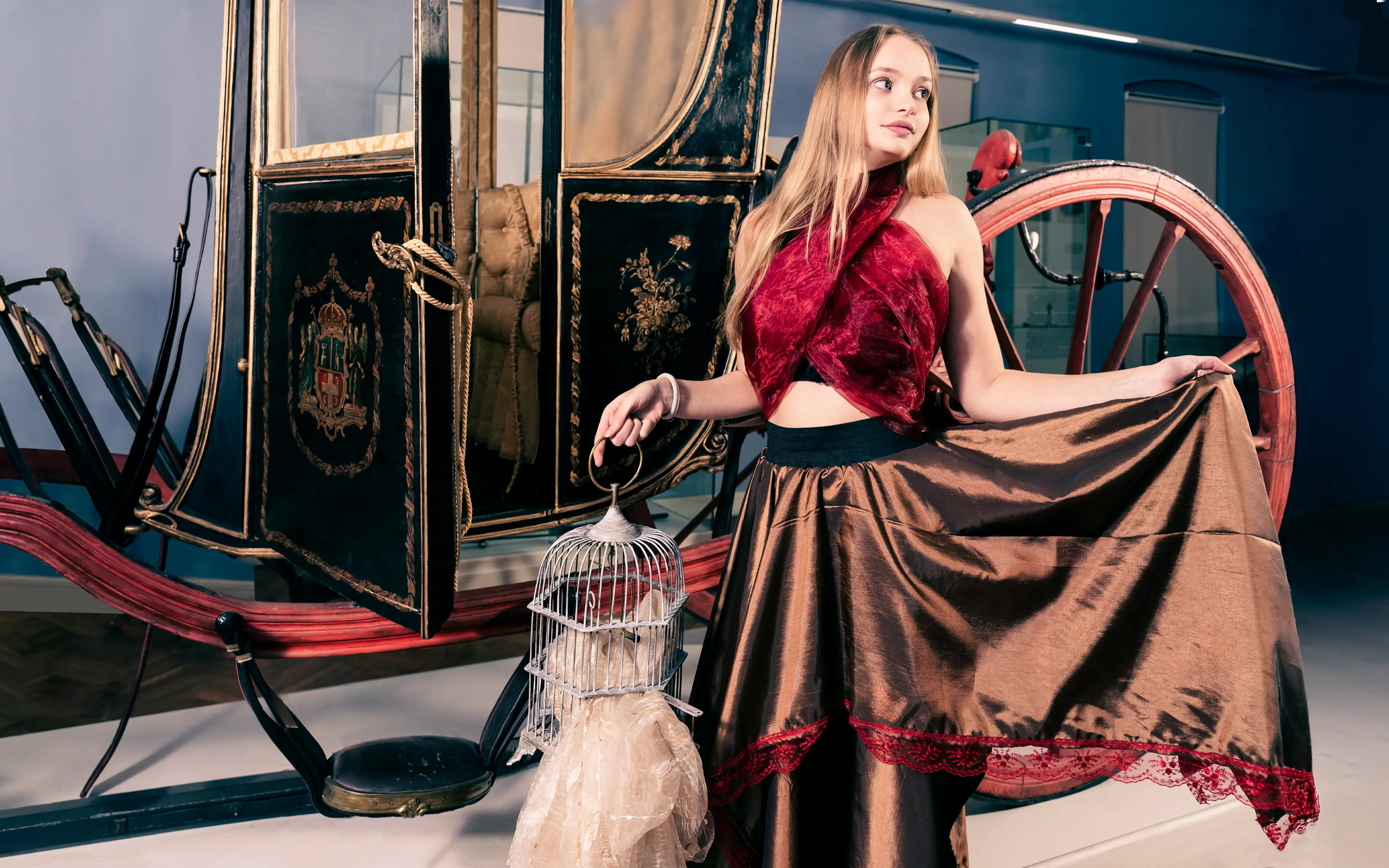
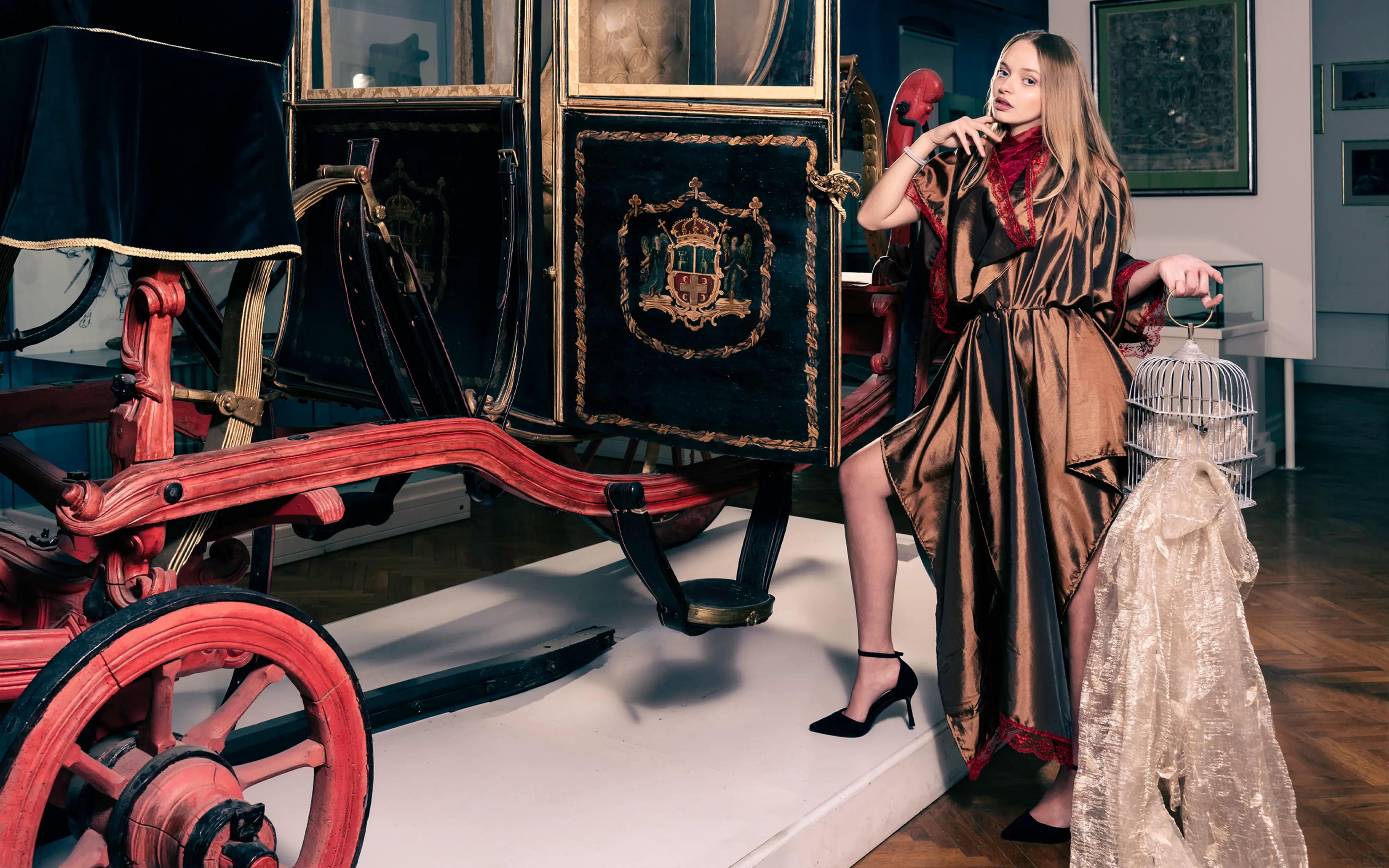
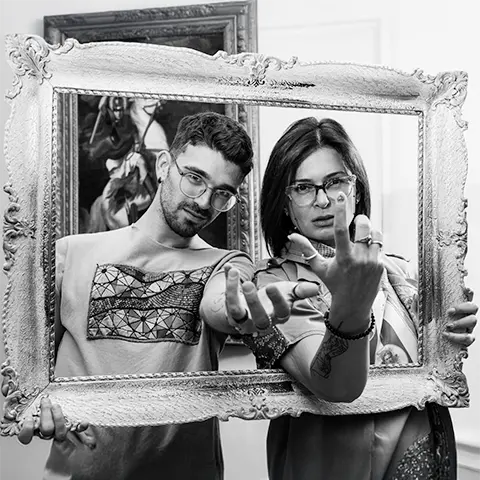
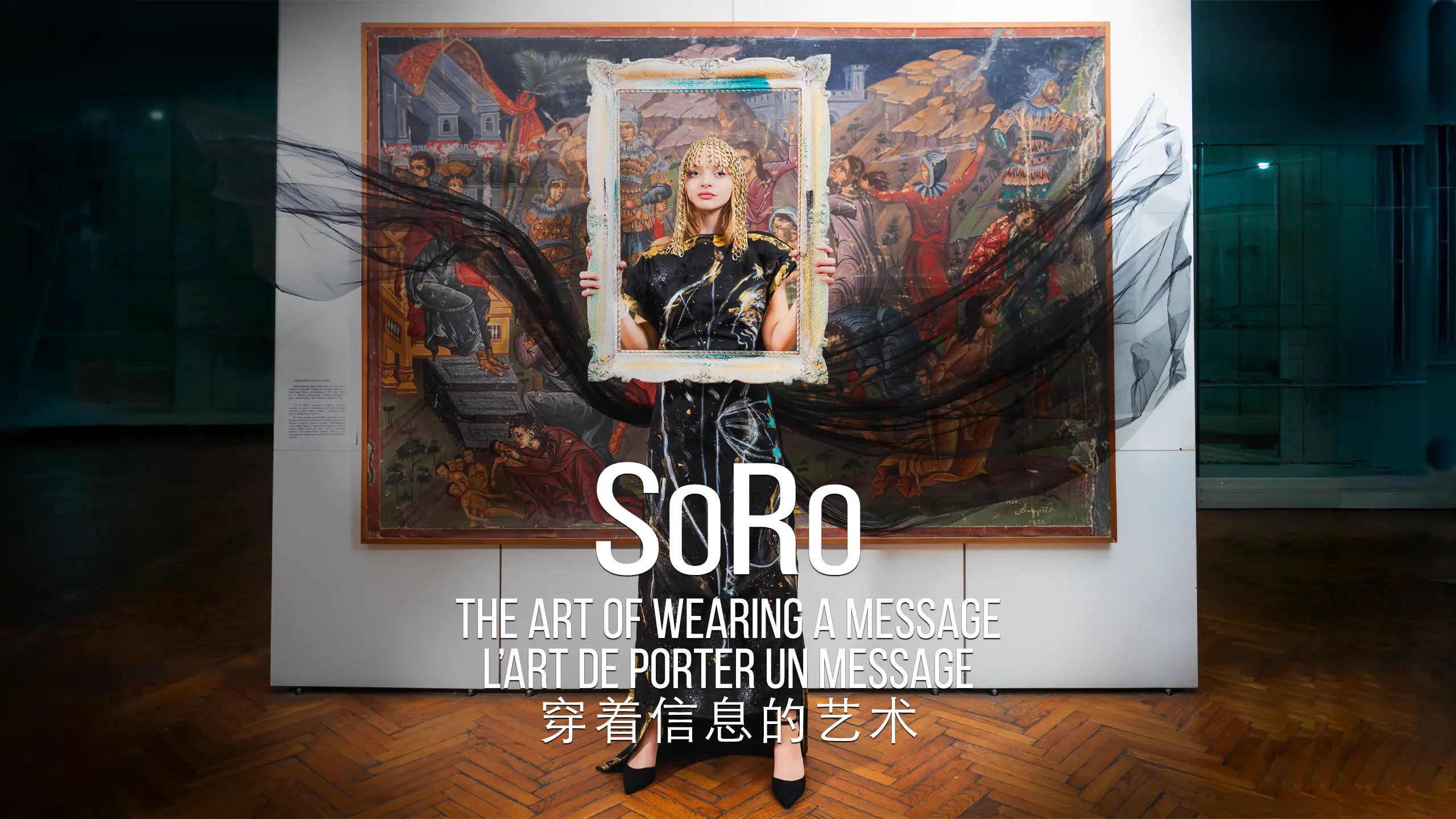
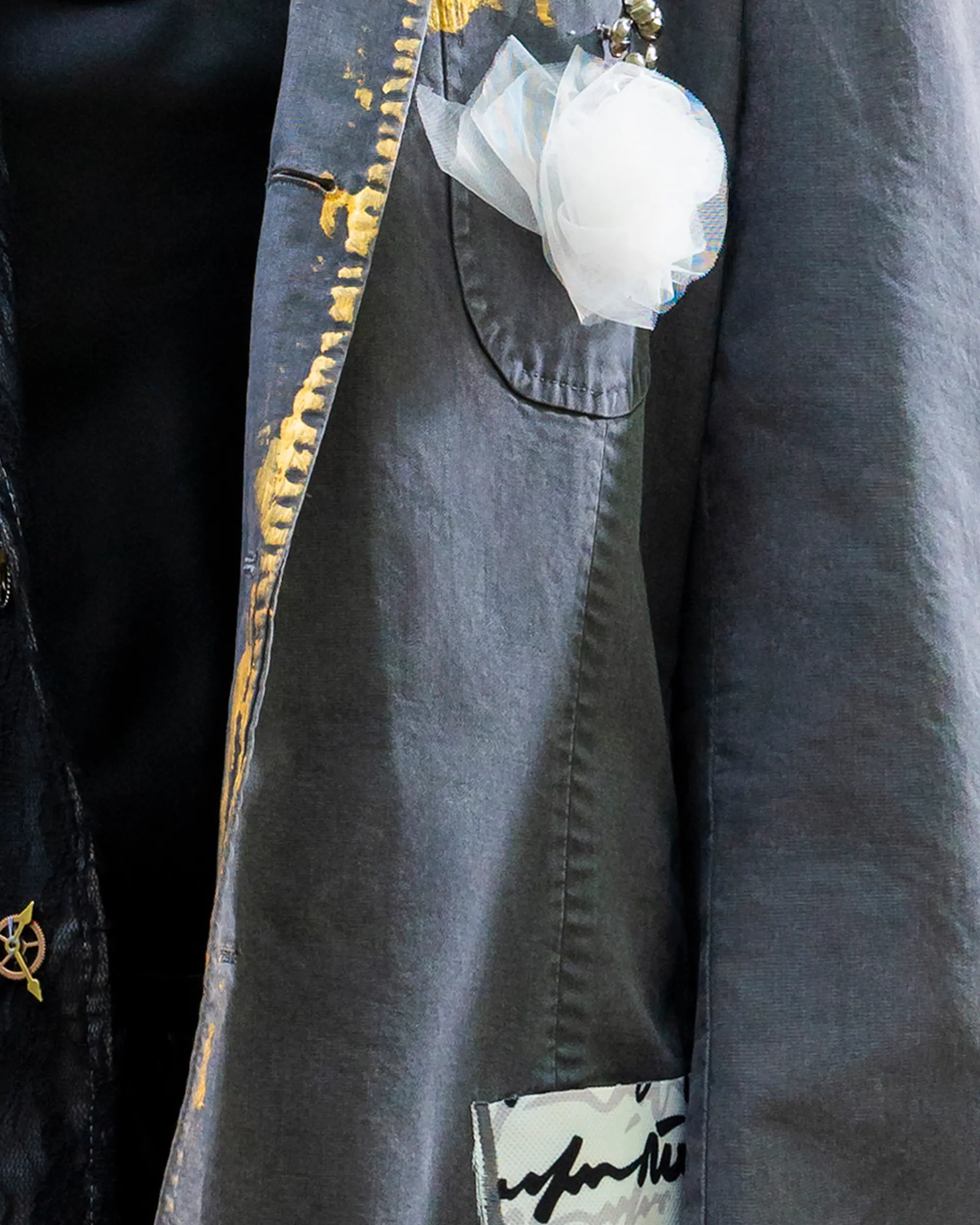
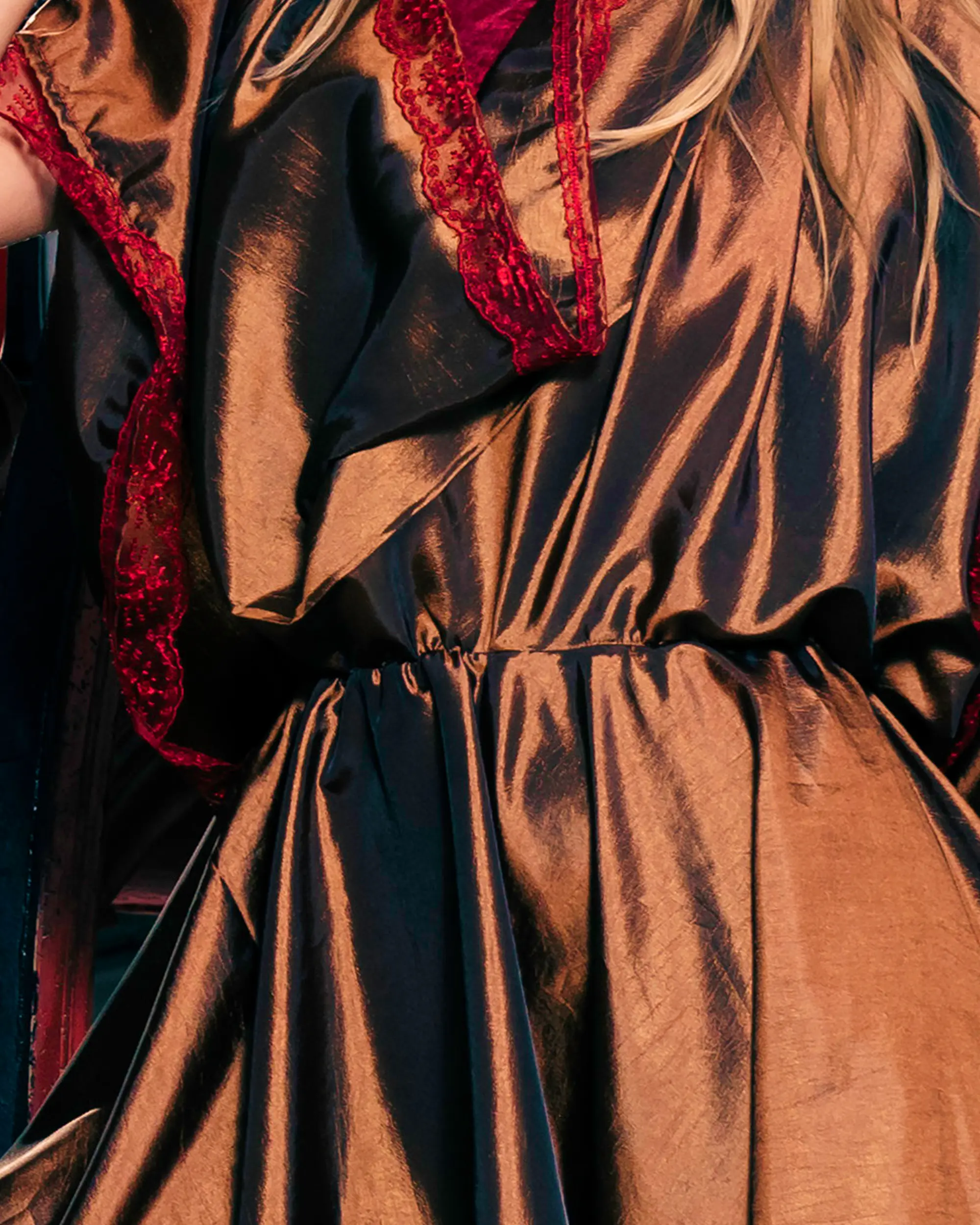
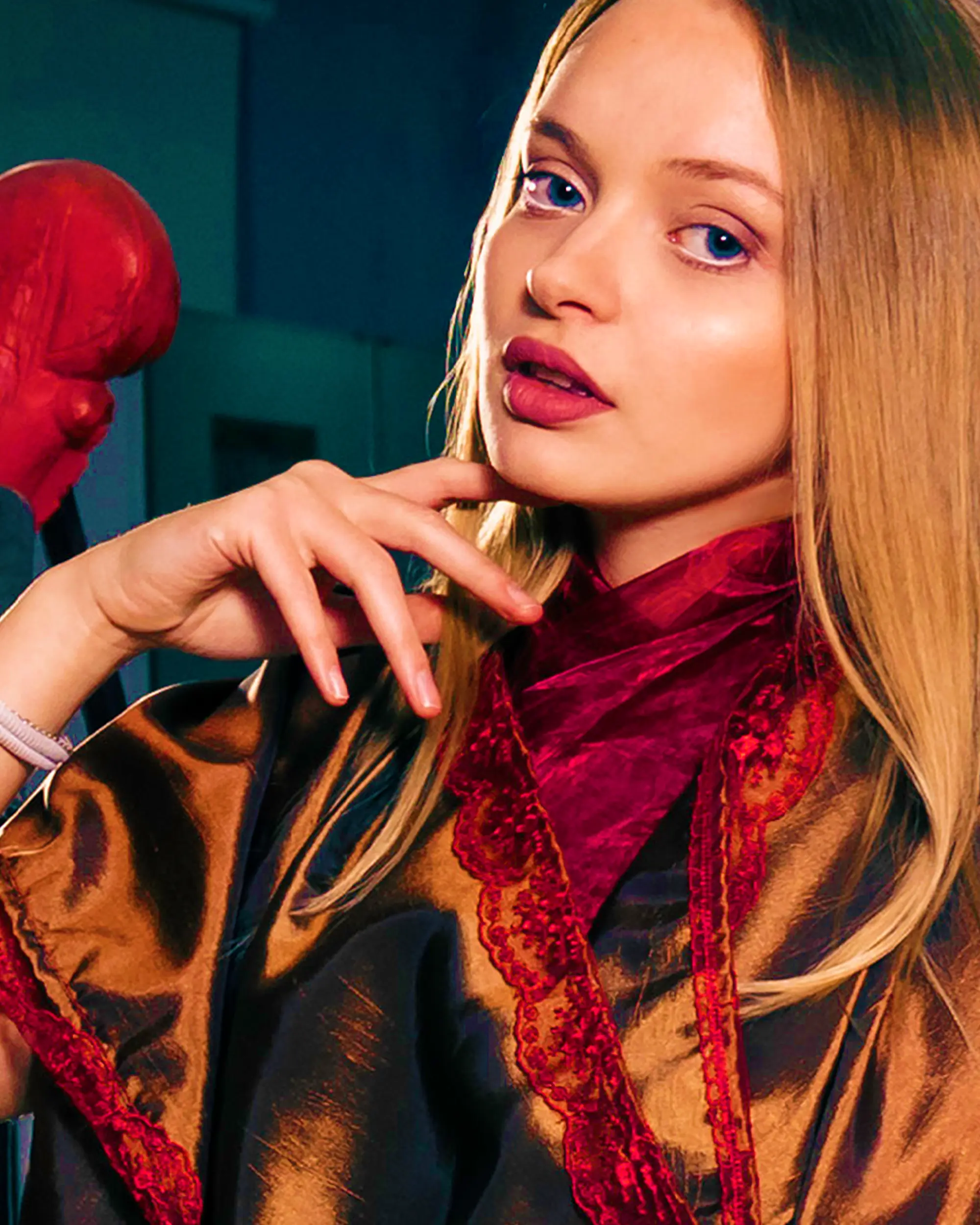
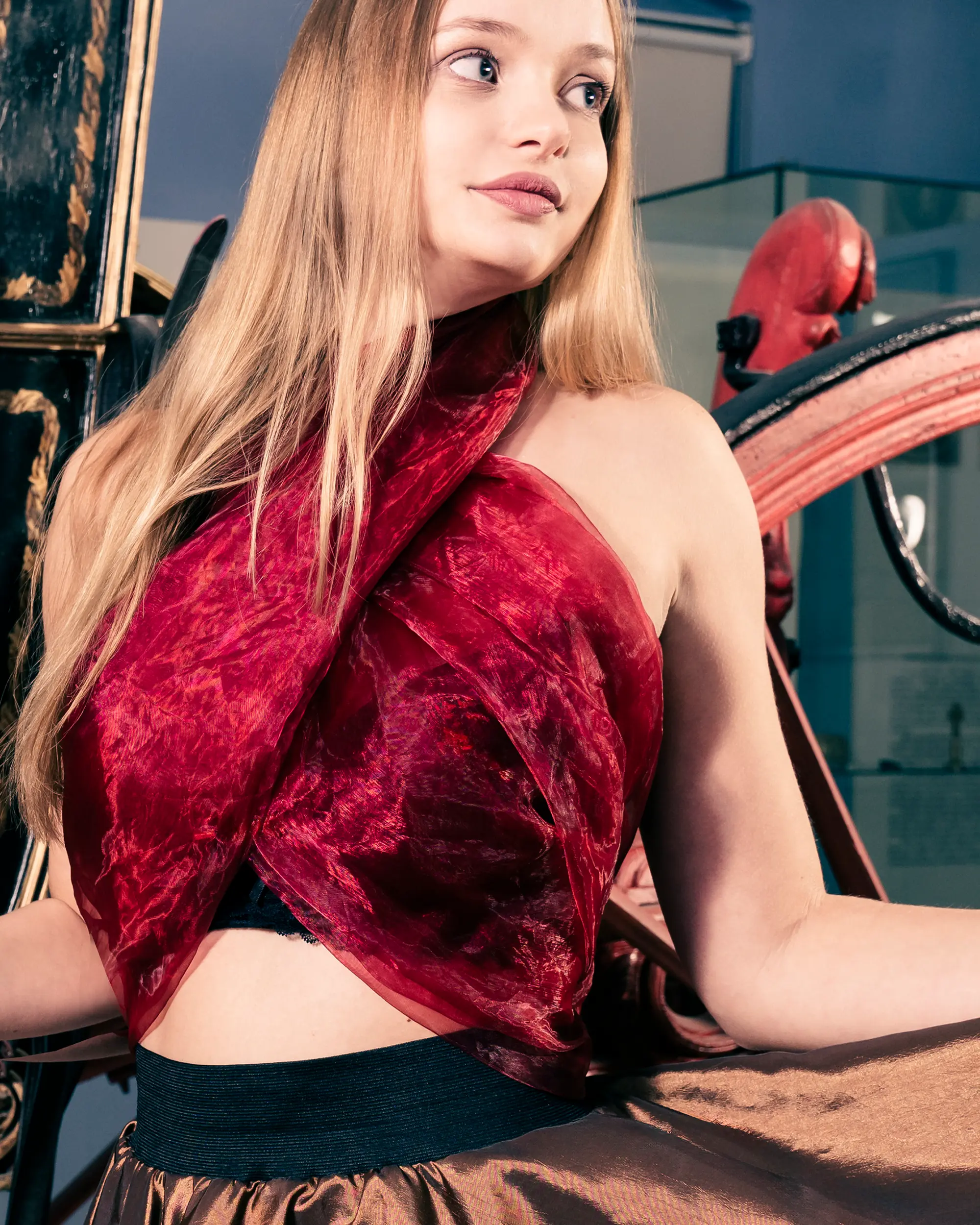
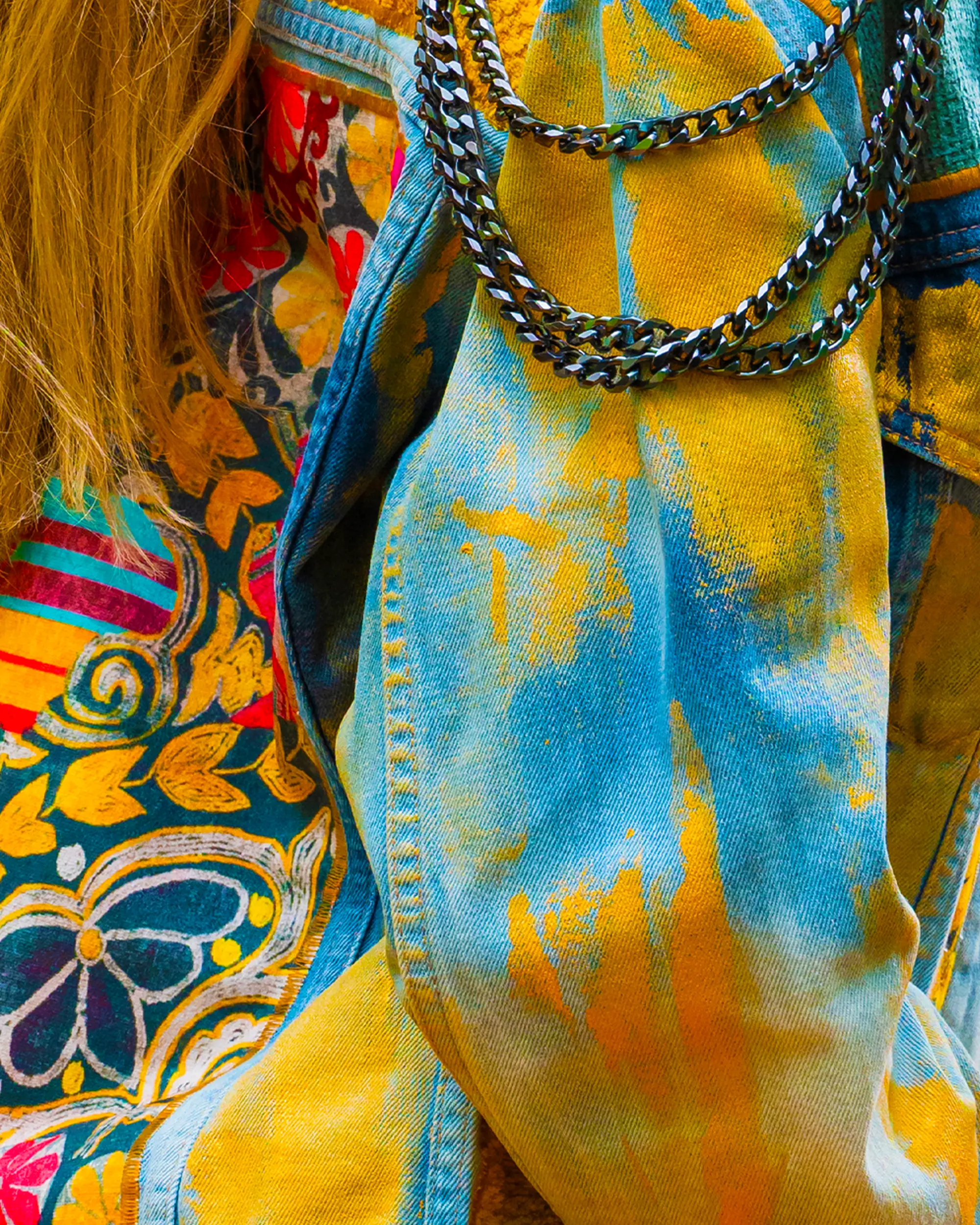
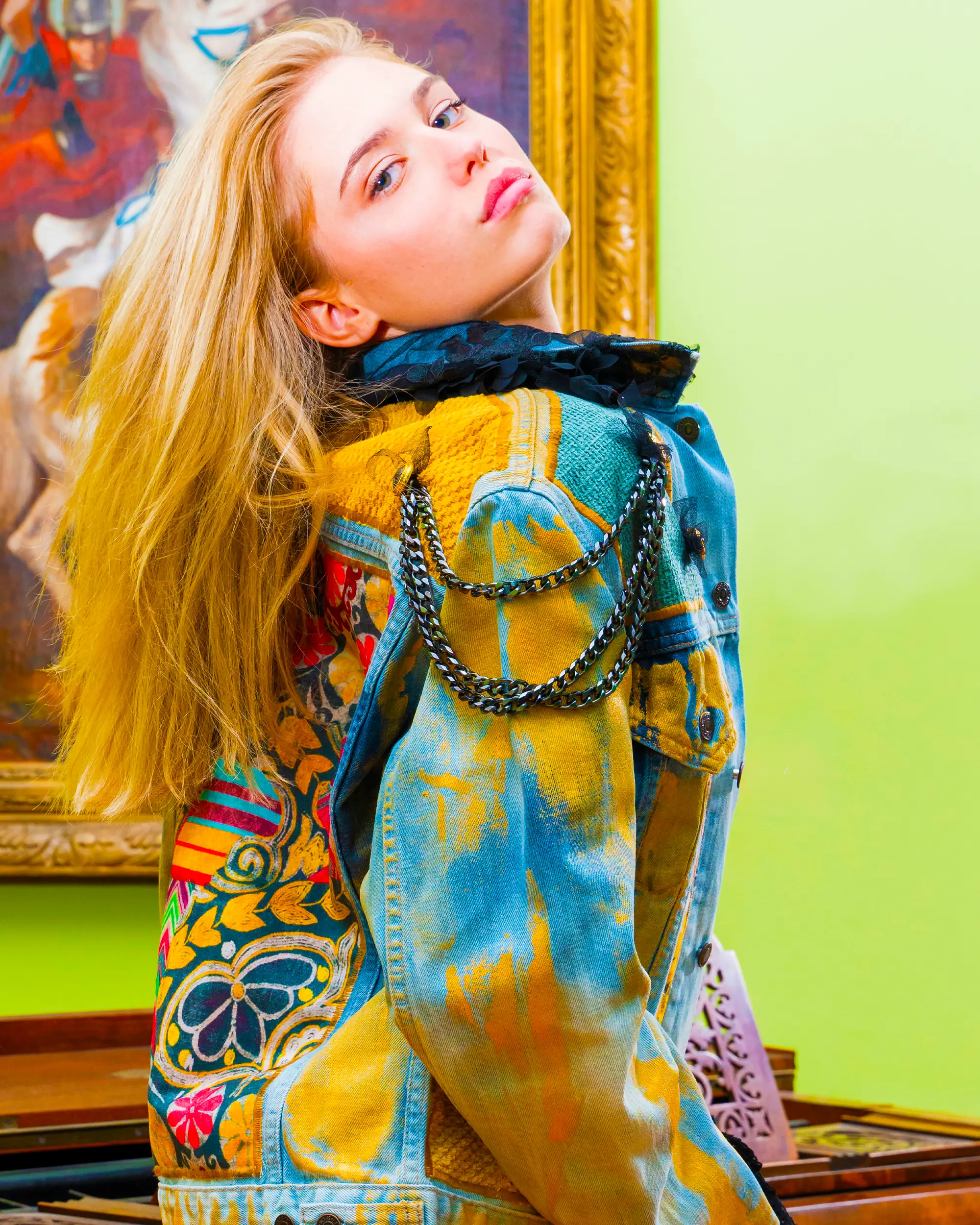
Petar and Dragana Soro are SoRo: two generations, two disciplines, one voice. For them, fabric speaks. Every garment is a sentence written in texture, colour, and movement. SoRo exists where costume collides with streetwear. Their clothes do more than cover the body; they speak, stride, and declare. They move like thoughts, carrying messages from pavement to crowd, turning the everyday into theatre.
Dragana, founder of Atelje Vinsent and named one of Serbia’s 100 Most Successful Women of 2022, is also the author of Easter Tuesday and Eighth Gear for Beginners. Petar, an acclaimed photographer and cinematographer, joined her in 2024 to develop projects for inclusive communities worldwide, work rooted in empathy, expression, and creativity.
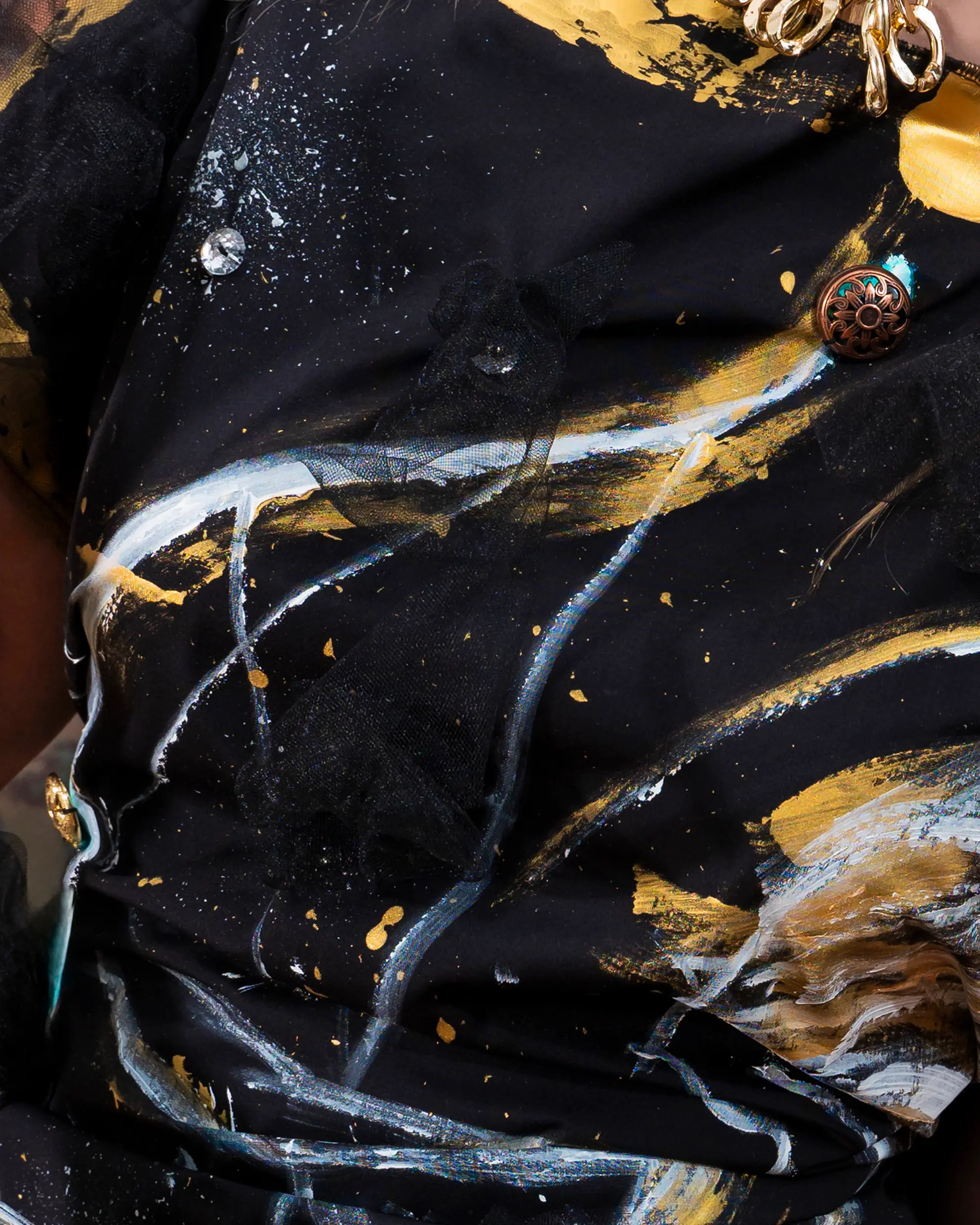
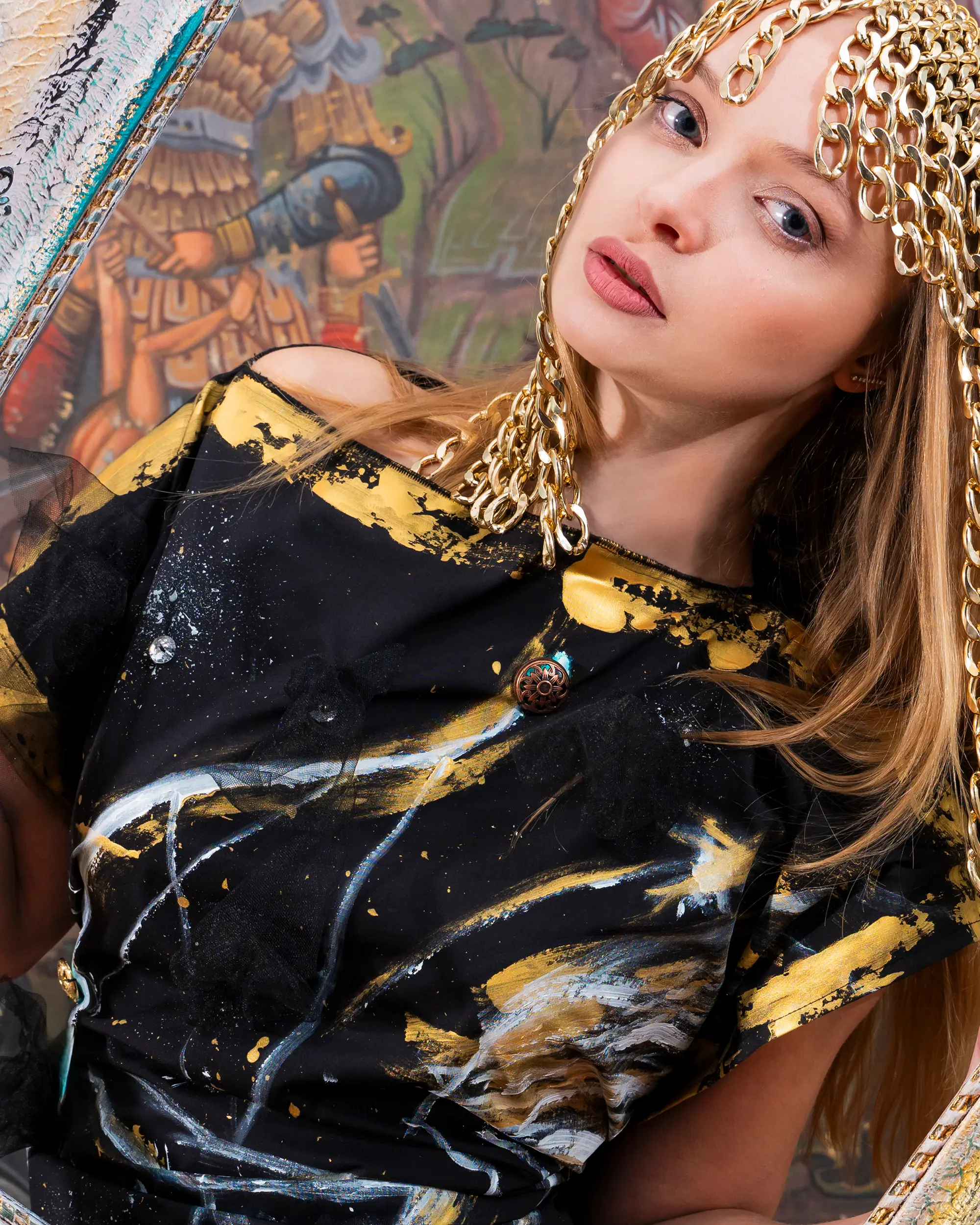
Their designs channel Pop Art: bold, democratic, and unapologetically human. Each piece is a statement, hand-painted, recycled, multifunctional, and alive with intention. This is their signature, unmistakable on Serbia’s streets. SoRo is not just fashion; it is culture in motion. It teaches us to speak not only with words, but with what we wear. A garment can be a voice. Clothing can be courage.
— SUNA MOYA
SoRo
THE ART OF WEARING A MESSAGE
“SoRo blends Pop Art, streetwear, and costume into wearable messages. Fashion as voice, identity, and courage in motion.”
QCEG: Two generations, two creative worlds, one shared vision. What brought you and Petar together to create SoRo?
SoRo: We share a belief that we are here for a purpose. At the right moment, energies recognise one another, whether to meet, collaborate, or part ways. As Gabor Maté says, souls on the same frequency support each other’s growth. That resonance sparked SoRo.
QCEG: You speak of a strange law connecting you more strongly than any rule. Is it artistic chemistry, destiny, or rebellion?
SoRo: Love is the law that both respects and breaks rules. It fuels us and guides every choice, even rebellion born from love for freedom and justice. Equality is part of that law, part of SoRo.
QCEG: SoRo means whole human being in Romani. How does this shape your creative philosophy?
SoRo: SoRo means whole, Rom means human. A friend in Dragana’s first book survived war and imprisonment. When asked how he stayed whole, he said: “Close your eyes in the dark, look in a mirror, take the hammer, break it, and carefully piece the fragments together. Patience, and shedding as little blood as possible, is the key.”
In these lands, survival shapes life. SoRo grows from this principle. Creativity is proof of survival. Happiness alone does not write novels.
QCEG: Pop Art is your visual language: vivid, raw, subversive. How do you translate it into textiles?
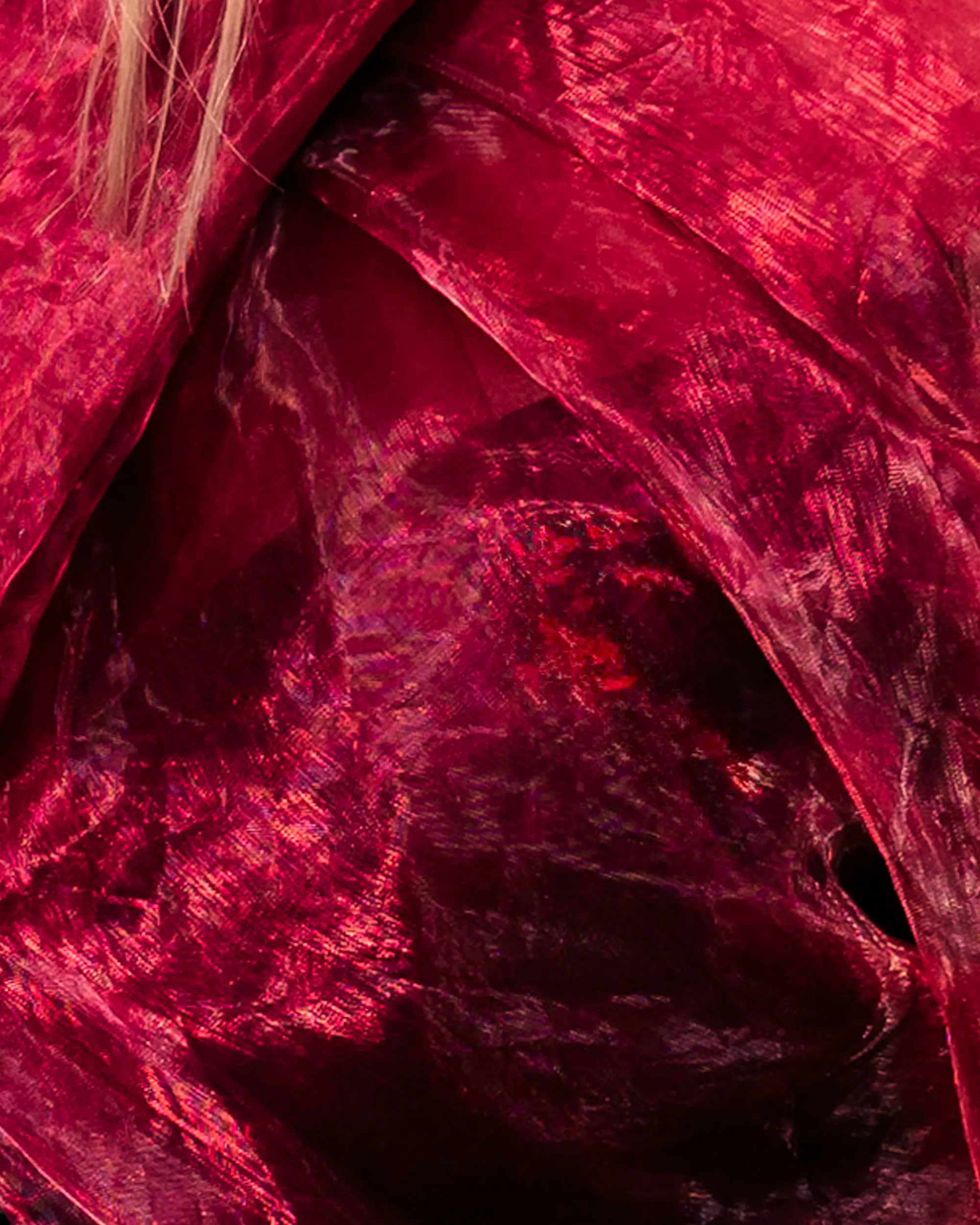
SoRo: Conflict, tension, and self-reconciliation take shape in fabric. Colours, textures, and materials carry emotions words cannot express. Clients sit with us, observe, and uncover hidden messages. Stylistically, it is abstraction. Beauty and meaning shift between creator and observer. When a piece is claimed, it gains a new layer, completing an Alter Ego. Behind closed doors we are one self, but outside we become another.
QCEG: Pop Art is punk. Pop Art is rebellion. What boundaries do your designs break?
SoRo: Boundaries are often invisible lines we draw ourselves. Youth is rebellious, full of conviction. Maturity tends to follow the path of least resistance. True transformation happens when personal limits are shattered. Social media spreads change, but self-love remains the greatest challenge. Shed your chains, dissolve your limits, and every day becomes a stage for reinvention.
QCEG:Your work moves between costume and streetwear. How does that tension shape identity?
SoRo: I draw inspiration from film, literature, theatre, mythology, and history. Each piece begins as a costume of its time, yet lives in the streets as much as on stage. When identity, image, and reputation come into harmony, tension becomes balance, a space where style tells a story.
QCEG: You sew hidden messages into living material. What truths lie beneath your garments?
SoRo: We are all naked and afraid. Society’s lies shape us until we start believing them. Clothes should dress the body, not define it. Facing yourself, physically and emotionally, is terrifying, but it is the only way to truly love both body and soul.
QCEG: You come from film and fashion. How do image and texture meet in your process?
SoRo: Film is a constant inspiration. We explore characters and scenes from both male and female perspectives, and that tension drives creation. Recently, while watching Fight Club, Dragana focused on Marla, while Petar explored Tyler’s duality. Their discussion sparked debate in the studio and opened new creative visions.
QCEG: Petar views the world through a lens. How does photography shape SoRo’s story?
SoRo: Photography asks you to leave ego behind. A photographer is a silent observer, agile and present. The moments captured are felt more deeply later. Emotion discovered through the lens often surpasses intention. It is magic.
QCEG: You speak of people facing demons as weapons. Is fashion confrontation or healing?
SoRo: I once dressed for a psychiatrist as if wearing armour: a black coat, slicked hair, strong perfume. Fashion became an alliance with my demons, turning them into teachers and sources of courage. Our textiles carry memory and emotion. Life without them is dull and predictable, but never for us.
QCEG: No one is invisible. How does SoRo give presence to society’s blind spots?
SoRo: Openness attracts diverse stories. Connection comes from striving for good and extending the chain of generosity. Poverty is not only financial. Those deemed invisible give us vision, and we gain knowledge. It is mutual enrichment.
QCEG:QCEG: As the world evolves, how does SoRo stay true?
SoRo: Life shifts, but our essence remains. We nurture our Inner Child, curious and adaptable. This child is society’s seed. As long as it thrives, we remain fully human.
QCEG: At the heart of everything, what does it mean to be a whole human in an age of fragmentation?
SoRo: We define wholeness continuously. Break your inner mirror, then piece it together. Separate identity from image, for reputation is never fully yours. Ask your Inner Child if it is satisfied. If yes, it is wonderful. If not, you have built a dollhouse, not a life. The hardest task is simply to be a good human. Are we whole humans, or only avatars in a game we never chose?